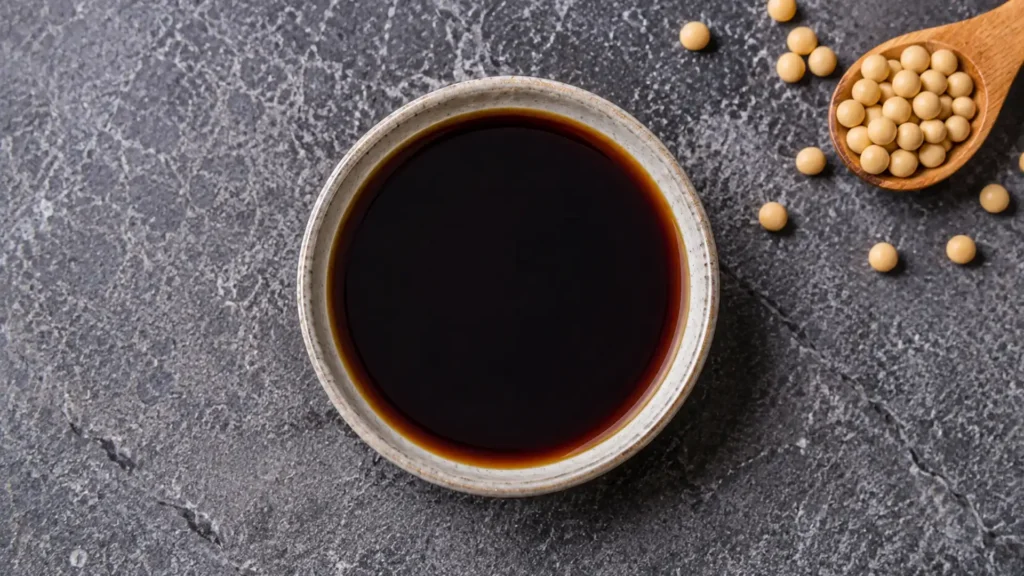
If you have celiac disease or a wheat sensitivity, the question of whether you can use gluten free soy sauce is not a small one. Soy sauce shows up everywhere: in stir-fries, marinades, dipping bowls, salad dressings, fried rice, dumplings, and the little packets that come with takeout. The plain truth is that most standard soy sauce on a US grocery shelf contains wheat, which means it contains gluten. That single fact trips up a lot of people who assume a salty Asian condiment made from soybeans must be safe. It usually is not. The good news is that safe options are easy to find once you know what to look for, and you do not have to give up that deep, savory, umami flavor you love.
I am Maeve, and I have spent years rebuilding a gluten free pantry that still tastes like real food. Soy sauce was one of the first things I had to figure out, because almost every recipe I cooked leaned on it. What I learned is that the gluten free version of this condiment is not a watered-down compromise. Done right, tamari and a few well-chosen alternatives can taste even richer than the wheat-based bottle you grew up with. This guide walks you through why regular soy sauce is off the table, what tamari actually is, how coconut aminos and liquid aminos fit in, which brands are genuinely certified, how to read a label without getting fooled, and how to swap confidently while cooking.
Why Regular Soy Sauce Contains Wheat
To understand the gluten problem, you have to understand how soy sauce is made. Traditional soy sauce is a fermented product. Manufacturers take soybeans and roasted grain, almost always wheat, then add salt, water, and a mold or yeast culture called koji. That mixture ferments for months, sometimes longer. During fermentation the proteins and starches break down into the salty, complex, savory liquid we recognize. The wheat is not an afterthought or a filler in the cheap brands only. It is a core structural ingredient in classic Japanese-style and Chinese-style soy sauce, and it contributes to the color, the slight sweetness, and the body of the sauce.
Because wheat is baked into the recipe, standard soy sauce contains gluten, the protein found in wheat, barley, and rye that triggers an immune response in people with celiac disease and causes symptoms in those with non-celiac gluten sensitivity. A common myth is that the long fermentation breaks the gluten down so completely that the finished sauce is safe. That idea has real-world appeal, and fermentation does reduce some gluten, but the science is not settled enough to trust a wheat-based sauce blindly. Independent testing has found that some traditionally brewed soy sauces still carry detectable gluten peptides, and regulators do not allow a soy sauce made with wheat to carry a gluten-free claim. If a bottle lists wheat in the ingredients, treat it as unsafe, no matter how it was brewed.
This is why the labeling matters so much. In the United States, the Food and Drug Administration sets a clear rule: a food can only be labeled gluten-free if it contains fewer than 20 parts per million of gluten. A soy sauce made from soybeans and wheat cannot meet that bar and cannot legally wear the gluten-free label. That threshold is your friend. When a bottle says gluten-free and especially when it carries a third-party certification, the product has been held to a measurable standard rather than a marketing hunch.
Tamari: The Closest Gluten Free Match
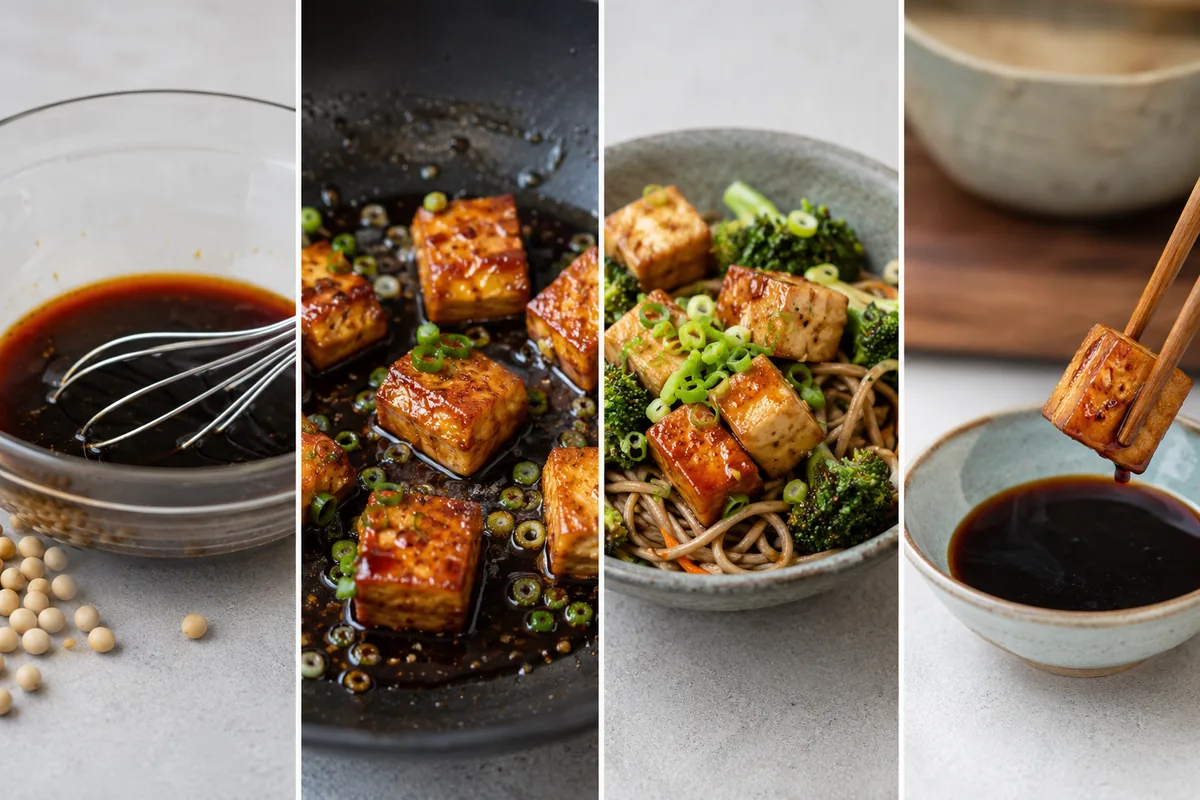
If you miss the taste of real soy sauce, tamari is your answer. Tamari is essentially soy sauce made the Japanese way but without the wheat, or with so little that it can pass the gluten-free threshold. It originated as the liquid byproduct of making miso paste, which is why it has such a deep history and such a rich flavor. Because tamari leans more heavily on soybeans and skips the roasted wheat, it tends to taste bolder, smoother, and less sharp than ordinary soy sauce. Many cooks, gluten free or not, actually prefer it. It coats food beautifully, darkens a stir-fry, and gives marinades that round, savory backbone.
Here is the catch that trips people up, and it is the single most important point in this whole guide: not every tamari is gluten free. The word tamari describes a style, not a guarantee. Some tamari products are made with a small amount of wheat, and a few use the phrase “reduced wheat” rather than zero wheat. That distinction is everything for someone with celiac disease. The only way to be sure is to read the ingredient list and look for a gluten-free claim or certification on the bottle. A tamari that lists soybeans, water, salt, and sometimes alcohol or vinegar, with a gluten-free label, is what you want. A tamari that lists wheat anywhere is not safe for you, even if the front of the bottle looks reassuring.
Flavor-wise, tamari is a true one-to-one swap in almost every recipe. Use it cup for cup, spoon for spoon, anywhere a recipe calls for soy sauce. Because it can taste slightly stronger and a touch less salty than some thin soy sauces, you may want to taste as you go the first few times, but you will rarely need to adjust. For dipping, for fried rice, for teriyaki, for a quick pan sauce, tamari does the job without anyone noticing a difference. When friends come over, I never announce that the dumpling dip is gluten free. They just eat it.
Coconut Aminos and Liquid Aminos Explained
Tamari is the closest match, but it is not the only player. Two other condiments come up constantly in gluten free cooking, and they each solve a slightly different problem.
Coconut aminos is made from the fermented sap of the coconut tree blended with salt. Despite the name, it tastes surprisingly close to a mild, slightly sweet soy sauce, and it has no soy in it at all. That makes it a lifesaver for anyone who needs to avoid soy as well as gluten. Coconut aminos is naturally gluten free because it never contained any gluten-bearing grain to begin with, though it is still smart to confirm the label since cross-contamination can happen anywhere. It runs lower in sodium than most soy sauces and tamari, and it carries a gentle sweetness. The tradeoff is that it delivers less of the deep, punchy umami that soy sauce is famous for. In practice, I reach for coconut aminos in dressings, light marinades, and dishes where I want a softer, sweeter note, and I sometimes add a pinch more salt to compensate.
Liquid aminos, most famously Bragg Liquid Aminos, is a different animal. It is made from soybeans, but instead of being brewed and fermented like soy sauce, it is produced by breaking soy protein down with a different process. The result is a thinner, lighter-colored liquid with a savory, soy-forward taste. Liquid aminos contains soy, so it is not for people avoiding soy, but the Bragg product is certified gluten free, non-GMO, and kosher, which makes it a reliable pantry staple for the gluten free crowd. You can use it more or less interchangeably with soy sauce, keeping in mind that it can taste saltier and more concentrated, so start light and build up.
To keep these straight: tamari for the most authentic soy-sauce flavor, coconut aminos when you need soy-free or a sweeter and lower-sodium option, and liquid aminos when you want a thin, salty, soy-based splash that pours like soy sauce. All three can live on the same shelf and cover nearly every recipe you will ever cook. If your wider pantry questions include things like whether your protein sources are safe, it is worth reading our guide on whether tofu is gluten free, since tofu and soy sauce so often share a plate.
Sauce Type vs Gluten Free: A Quick Reference
The table below sorts the common condiments so you can see at a glance which ones are safe and why. Always confirm the specific bottle, because brands within a category can differ.
Certified Gluten Free Brands Worth Buying
Reading a label is the foundation, but it helps to walk into the store already knowing which names you can trust. The brands below are widely available across US grocery stores and online, and they are commonly certified or clearly labeled gluten free. As always, glance at the bottle in your hand, because companies occasionally change recipes or offer multiple versions.
San-J is probably the most recognized name in gluten free tamari. The brand is naturally brewed, carries gluten-free certification, and offers both a standard and a reduced-sodium version, so you can dial the salt to your taste. Kikkoman, the household name behind plenty of wheat-based soy sauce, also makes a dedicated gluten free tamari that is certified by a recognized gluten intolerance group. Just be careful to grab the tamari bottle and not the regular Kikkoman soy sauce sitting right next to it on the shelf, because they look similar and the regular one has wheat.
Eden Foods makes an organic, traditionally brewed tamari that is a favorite among people who want a clean ingredient list with no additives. Wan Ja Shan offers both organic and conventional gluten free tamari options and is easy to find. La Choy is a more budget-friendly grocery option that markets a gluten free version. For liquid aminos, Bragg is the standard, certified gluten free and soy-based. For coconut aminos, Coconut Secret is the original and one of the most widely stocked, and it is both soy-free and gluten free. Having two or three of these in your cabinet means you are never stuck mid-recipe.
How to Read a Soy Sauce Label Without Getting Fooled
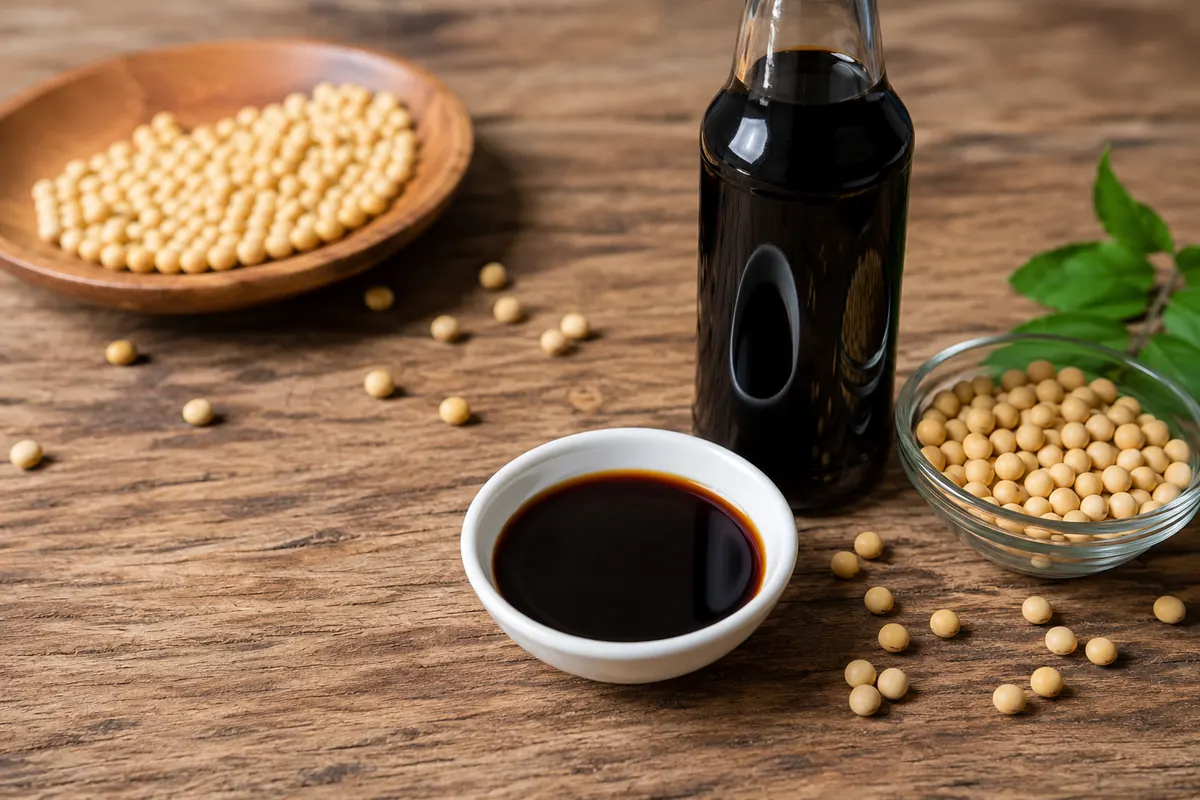
Label reading is the skill that keeps you safe long after you have memorized a few brand names, because store stock changes, recipes get reformulated, and travel puts unfamiliar bottles in your hand. Start with the ingredient list and scan for the obvious offenders: wheat, barley, rye, and malt. Wheat is the big one in soy sauce, but malt can sneak into seasoning blends and some flavored sauces, and malt is derived from barley. If you see any of these, put the bottle back.
Next, watch out for two phrases that sound safe but are not. The first is “naturally brewed.” That phrase describes the fermentation method and tells you nothing about whether wheat was used. Plenty of naturally brewed soy sauces are full of wheat. The second is “wheat-free.” Wheat-free is not the same as gluten-free. A product could skip wheat yet still contain barley or rye, or it could be made on shared equipment that introduces gluten. Only the words gluten-free, ideally backed by a certification mark, give you the regulatory protection of that 20 parts per million standard.
Look for a certification logo. In the US the most common ones are GFCO, the gluten-free certification organization, along with NSF and similar third-party marks. A certification means an outside group has tested and verified the product rather than relying on the manufacturer’s word. Finally, check for an allergen statement near the ingredient list. Manufacturers often add a line like “contains: soy, wheat” or “processed in a facility that also handles wheat.” That advisory language is your warning about cross-contamination, which is exactly what we will tackle next. Reading these few lines takes ten seconds and saves you a miserable evening.
Cross-Contamination and Restaurant Risk
Buying a certified bottle solves the problem at home, but two situations still catch people off guard: shared production lines and eating out. Cross-contamination happens when a gluten free product is made on the same equipment that processes wheat-based products, and tiny traces carry over. This is why the certification and the allergen advisory line matter. A product that is naturally free of gluten ingredients can still pick up gluten in the factory, so for anyone with celiac disease, the certified bottle is worth the extra dollar. If a label says it is processed on shared equipment with wheat and you react to trace amounts, choose a different brand that does not carry that warning.
Restaurants are the bigger minefield, and sushi is the classic trap. People assume sushi is naturally safe because it is rice and fish, but the soy sauce on the table is almost always the wheat-based kind, and it gets used liberally for dipping. Imitation crab, tempura, eel sauce, and some marinades are common hidden sources of gluten in a sushi spot too. The safest mindset is simple: assume any soy sauce at a restaurant contains gluten unless the staff specifically tells you they stock gluten free tamari. Many sushi places now do keep San-J or Kikkoman tamari behind the counter, but you have to ask.
When you dine out, call ahead, explain that you have celiac disease, and ask whether they offer gluten free soy sauce and how they handle cross-contamination. For sushi, request clean cutting boards, fresh gloves, and a knife that has not touched wheat-based items. Plenty of people who follow this routine carry a small bottle of their own tamari in a bag so they always have a safe dip, and that is a perfectly reasonable habit, not an overcautious one. The same vigilance applies to Asian-leaning dishes beyond sushi. If you are working through dishes like pho, our breakdown of whether pho noodles are gluten free walks through the broth and sauce risks the same way, and our guide on whether fish sauce is gluten free covers another condiment that shows up on the same tables.
Cooking and Swapping With Confidence
Now for the fun part: actually cooking. The reason gluten free soy sauce is such a relief is that the swaps are nearly effortless. Tamari is your default. Anywhere a recipe says soy sauce, pour the same amount of gluten free tamari and move on. Stir-fries, fried rice, dumpling dipping sauce, teriyaki glaze, marinades for chicken and beef, dressings for cold noodle salads, a splash in soup, all of it works one to one. Because tamari can be a touch deeper and slightly less sharp, the only adjustment I ever make is tasting before I add the last bit of salt to a dish.
When you want to use coconut aminos, remember it is milder, sweeter, and lower in sodium. If a recipe leans salty and savory, you may want to use a little more coconut aminos than the soy sauce called for, plus a pinch of salt, to hit the same depth. Coconut aminos shines in vinaigrettes, slaws, and lighter glazes where its natural sweetness is welcome. Liquid aminos pours and behaves like a thin soy sauce and can be used one to one, but because it often tastes more concentrated and salty, I start with slightly less and add more after tasting. None of these swaps require special technique. You are not changing how you cook, only which bottle you reach for.
A few practical habits make the gluten free kitchen run smoothly. Keep your tamari, coconut aminos, and any liquid aminos clearly separated from any regular soy sauce in a shared household, ideally on a different shelf, so a wheat-based bottle never ends up in a celiac-safe dish by accident. Label your bottles if your kitchen is busy. When you batch-cook marinades, make the whole batch gluten free so there is no risk of mixing up portions. And when you try a new brand, taste a small amount plain on a spoon first, so you learn its salt level and flavor before it goes into a dish you care about. Within a couple of weeks these habits become second nature, and you stop thinking about soy sauce as a problem at all. That is the goal: a pantry where the gluten free choice is simply the normal choice, and dinner tastes exactly the way it should. If you would rather make your own and skip the bottle entirely, a quick blend of gluten free tamari, a little broth, and a touch of rice vinegar or coconut aminos can stand in for a sweeter or thinner soy sauce in a pinch.
Frequently Asked Questions
Is all soy sauce gluten free?
No. Most standard soy sauce is made with wheat, which contains gluten, so it is not safe for people with celiac disease or wheat sensitivity. Only soy sauce or tamari that is specifically labeled gluten free, ideally with a certification, should be considered safe. Always read the ingredient list and look for wheat.
Is tamari always gluten free?
Not always. Tamari is a style of soy sauce typically made without wheat, but some tamari products still contain a small amount of wheat. You must read the label and confirm it says gluten free or carries a certification. A tamari that lists soybeans, water, and salt with a gluten-free claim is the safe choice.
What is the best gluten free substitute for soy sauce?
Gluten free tamari is the closest match in flavor and can be used one to one in any recipe. Coconut aminos is a soy-free, lower-sodium, slightly sweeter option, and certified liquid aminos like Bragg works as a thin, salty splash. Keep tamari as your default and use the others when you need their specific qualities.
Is coconut aminos healthier than soy sauce?
Coconut aminos is naturally gluten free and soy-free and is lower in sodium than most soy sauces and tamari, which appeals to people watching salt intake. It is milder and a little sweeter, with less intense umami. Whether it is healthier depends on your needs, but it is a useful, allergy-friendly alternative.
Can I eat sushi if I am gluten free?
You can, but with caution. The soy sauce on a sushi table is usually wheat-based, and items like imitation crab, tempura, and some sauces contain gluten. Ask whether the restaurant stocks gluten free tamari, request clean boards and fresh gloves to avoid cross-contamination, and consider bringing your own tamari to be safe.
Does fermentation remove the gluten from soy sauce?
Fermentation reduces some gluten but does not reliably eliminate it. Testing has found detectable gluten in some traditionally brewed soy sauces, and US labeling rules do not allow a soy sauce made with wheat to be called gluten free. If wheat is listed as an ingredient, treat the product as unsafe regardless of how long it was brewed.
For deeper background on celiac-safe eating and how gluten-free labeling is regulated, the FDA gluten-free labeling rule and the practical guidance at Beyond Celiac are worth bookmarking, and food-science explainers like the breakdown of soy sauce, tamari, and aminos at Serious Eats can sharpen your shopping instincts.