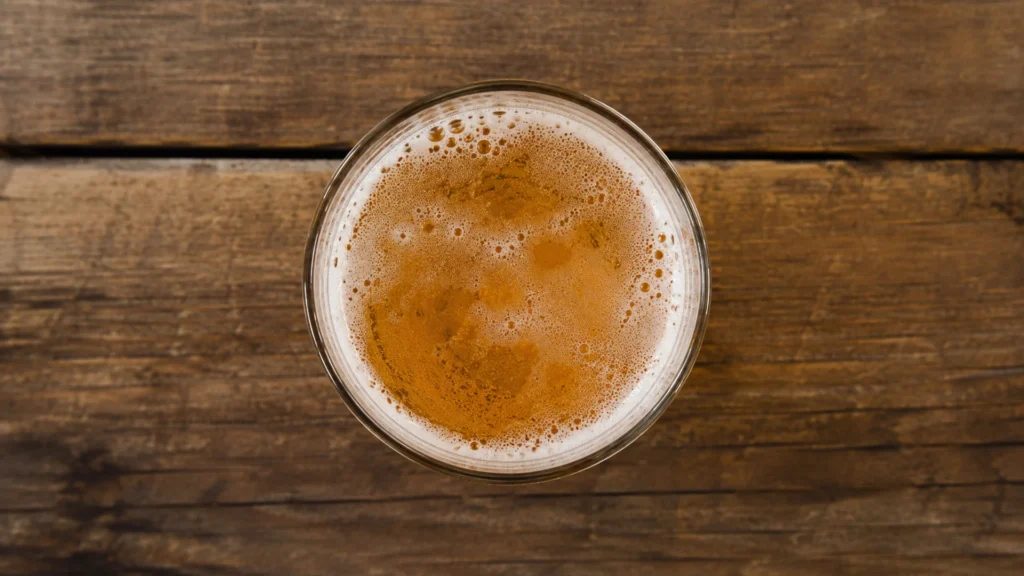
Finding a gluten free beer you can trust sounds simple until you read the labels and realize half of them are quietly hiding barley. I have stood in plenty of bottle shops squinting at the fine print, and the single most useful thing I can teach you is that “gluten free beer” and “gluten-removed beer” are two completely different things. One is brewed from grains that never contained gluten at all. The other starts as ordinary barley beer and gets treated with an enzyme to chop the gluten into smaller pieces. For someone with celiac disease, that distinction is not marketing nitpicking. It is the difference between a relaxing night out and a flare-up that can last for days.
I am Maeve, and I have spent years cooking and drinking gluten-free, helping readers swap ingredients without losing flavor. Beer was one of the hardest things to replace in my own life, because the early gluten-free options tasted thin and cidery. That has changed dramatically. Today there are genuinely good beers made from millet, rice, sorghum, and buckwheat, brewed in dedicated facilities that never touch wheat or barley. This guide walks you through the science, the labels, the specific brands worth buying, and exactly what to order when you are out and the menu is no help. By the end you will be able to glance at any can and know in a few seconds whether it belongs in your hand.
Gluten-Free vs Gluten-Removed: The Distinction That Matters Most
Let me draw the line clearly, because almost every mistake people make comes from blurring it. A true gluten-free beer is brewed entirely from grains and starches that contain no gluten to begin with. Brewers reach for sorghum, millet, rice, buckwheat, corn, and sometimes more unusual bases like lentils or chestnuts. Because gluten was never in the recipe, there is nothing to remove and nothing to break down. The finished beer is naturally below the threshold that matters for celiac safety, and reputable producers test every batch to prove it.
A gluten-removed beer, sometimes labeled gluten-reduced or “crafted to remove gluten,” takes a very different path. It is brewed the normal way from barley or wheat, then an enzyme called a prolyl endopeptidase is added during or after fermentation. That enzyme snips the long gluten proteins into smaller fragments. The total gluten count measured by the standard test often drops below twenty parts per million, which sounds reassuring. The catch is that the gluten is not gone. It has been fragmented, and those fragments can still trigger an immune response in some people with celiac disease.
This is not a fringe worry. A 2017 study from the Gluten Intolerance Group tested blood samples from people with celiac disease against both beer types. None of the samples reacted to the dedicated gluten-free beer. The gluten-reduced beer, however, provoked an immune response in close to ten percent of the celiac samples. Ten percent may sound small until you realize it is your gut on the receiving end. Major celiac organizations, including the Celiac Disease Foundation and Beyond Celiac, advise people with celiac disease to avoid gluten-removed beer entirely and stick to beers brewed from naturally gluten-free grains.
So the rule I live by, and the one I give every reader who asks, is this. If the beer started life as barley or wheat, it is not for you, no matter how low the tested number is or how confident the can sounds. If it started from rice, sorghum, millet, or buckwheat in a dedicated facility, it is almost certainly fine. Memorize that and you have already solved most of the problem.
The 20ppm Rule and Why It Is Not the Whole Story
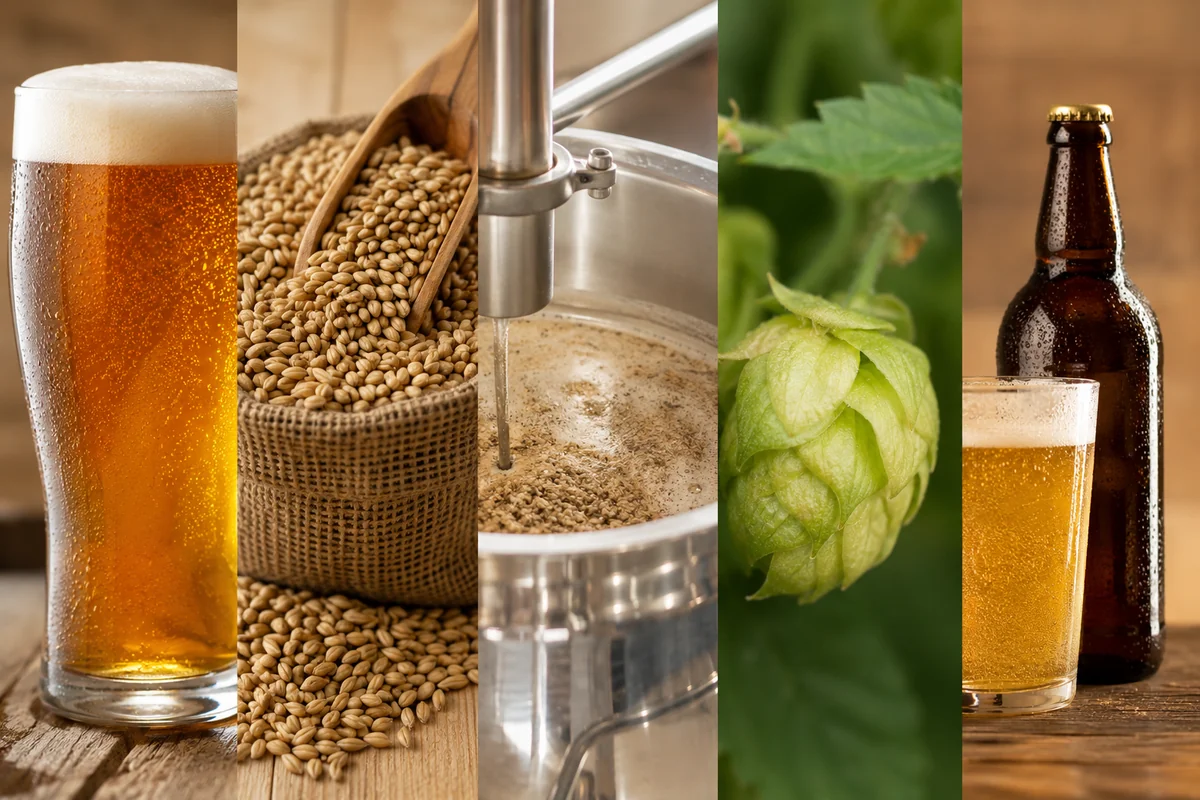
You will see the number twenty parts per million everywhere in the gluten-free world, so it is worth understanding what it actually means and where it breaks down. The U.S. Food and Drug Administration set twenty parts per million as the ceiling for a product to legally carry a “gluten-free” label. Research suggests that level is low enough that the vast majority of people with celiac disease can tolerate it without harm. For solid foods like bread, pasta, and cookies, that standard works well and the test behind it is reliable.
Beer is where the rule gets slippery. The standard laboratory test for gluten is an assay called the R5 ELISA. It was designed to detect intact gluten proteins, and it does that job accurately in flour or a finished loaf. But fermentation and enzyme treatment break gluten into smaller fragments, and those fragments do not bind to the test the way whole proteins do. The result is that a gluten-removed beer can return a number under twenty parts per million while still containing immune-reactive gluten pieces the test simply cannot see. In other words, the comforting low number on a gluten-removed beer may be measuring less than what is actually there.
Dedicated gluten-free beer sidesteps this whole problem. There was never any barley gluten to fragment, so the low test result reflects reality rather than a blind spot in the method. This is the core reason organizations recommend dedicated gluten-free beer over gluten-removed beer even when both report similar parts-per-million figures. The numbers look alike on paper, but only one of them is trustworthy. When you understand the limits of the test, the safety advice stops feeling arbitrary and starts making perfect sense.
There is one more wrinkle worth knowing. Many beers are regulated by the Alcohol and Tobacco Tax and Trade Bureau rather than the FDA. Because of how the rules are written, a barley-based beer is generally not allowed to use the plain phrase “gluten-free” on its label even after enzyme treatment, which is why those products fall back on wording like “crafted to remove gluten” or “gluten reduced.” That phrasing is not just legal hair-splitting. It is a built-in warning sign. When you see those words instead of a clean “gluten-free” claim, read it as the label quietly telling you this beer began as barley.
How to Read a Beer Label in Five Seconds
Once you know what you are looking for, scanning a label becomes fast. I run through the same short mental checklist every time, and I want you to be able to do the same without overthinking it. Start with the ingredients, because everything else flows from them. If you see barley, wheat, rye, or malt listed, set it down, full stop. Malt almost always means barley. If you instead see rice, sorghum, millet, buckwheat, or corn as the base, you are on the right track.
Next, read the gluten claim itself, and pay attention to the exact words. A label that says simply “gluten-free” on a beer made from alternative grains is the gold standard. A label that says “crafted to remove gluten,” “gluten-reduced,” or “made with traditional grains and crafted to remove gluten” is telling you it is a barley beer that went through enzyme treatment. Those are the gluten-removed products celiacs are advised to skip. The difference is sometimes one small line of text, so it pays to slow down for a second.
The strongest signal of all is a third-party certification or a statement that the beer was brewed in a dedicated gluten-free facility. Dedicated facilities never run barley or wheat through their equipment, which removes the cross-contamination risk that can sneak into shared breweries. When a brand brews only gluten-free beer, says so on the can, and backs it with batch testing, you can buy with real confidence. I treat “dedicated gluten-free facility” as the phrase that turns a probably-fine beer into a definitely-fine beer.
If you are ever unsure at a store, the brewery website usually settles it within a minute. Dedicated gluten-free brewers tend to advertise that status proudly because it is their entire selling point, while gluten-removed brands bury the enzyme story in an FAQ. The transparency itself is a useful tell. A brand that makes its grains and facility obvious is a brand that wants celiac customers to feel safe, and that is exactly who you want to give your money to.
Which Beers Are Actually Safe: A Clear Comparison
It helps to see the categories side by side rather than as a wall of brand names. The table below sorts the common types of beer by whether they are appropriate for someone with celiac disease. Notice that the deciding factor is always the starting grain and the facility, never the tested gluten number alone. This is the same logic you will apply to any new product you come across, so it is worth internalizing the pattern rather than just memorizing the rows.
The pattern is consistent. Anything that begins with barley or wheat is off the table, and anything built from naturally gluten-free ingredients is generally fine as long as the facility is clean. Hard cider and most hard seltzers slip into the safe column because they are not really beer at all, which makes them excellent fallbacks when no dedicated gluten-free beer is available. I lean on that fact constantly when I am out, and I will come back to it in the bar section below.
Specific US Brands Worth Buying
Now for the part you actually came for: which cans to grab. The American gluten-free beer scene has matured to the point where you can find a genuinely satisfying beer in most styles, from crisp lagers to hoppy IPAs to rich stouts. The brands below are dedicated gluten-free producers, meaning they brew exclusively from naturally gluten-free grains in facilities that never handle barley or wheat. These are the names I reach for and recommend to readers without hesitation.
Ghostfish Brewing Company out of Seattle is the one I point newcomers to first. They brew entirely gluten-free, they have won mainstream brewing awards competing against regular beers, and their range covers pale ales, IPAs, and stouts that taste like beer rather than apologies for beer. Holidaily Brewing in Golden, Colorado was founded by someone with celiac disease, which shows in how seriously they take their dedicated process. Their beers lean on millet and buckwheat and have a loyal following for good reason. Glutenberg, originally out of Montreal and widely available in the States, makes a versatile lineup including a blonde, an IPA, a red ale, and a stout, all dedicated gluten-free.
Ground Breaker Brewing in Portland takes the most adventurous route, building its beers from lentils and chestnuts rather than the usual grains, and the results are distinctive and genuinely good. New Planet Beer is another reliable Colorado name with broad distribution. For a mass-market option you can find in ordinary supermarkets, Redbridge from Anheuser-Busch is brewed from sorghum and is a true gluten-free beer, not a gluten-removed one, which makes it a handy backstop when the craft options are not around. The table below lays these out with their base grains so you can match a brand to whatever style you are in the mood for.
Now the brands to leave on the shelf, because they are the ones that trip people up. Omission is the most common one I get asked about. Omission is a gluten-removed beer brewed from barley and treated with an enzyme, and despite its low tested numbers, it is exactly the kind of product celiac organizations warn against. The same goes for Daura from Estrella Damm, a popular gluten-reduced lager out of Spain, and for various “crafted to remove gluten” offerings from larger breweries. These beers are aimed more at people with mild gluten sensitivity who are not celiac. If you have celiac disease, treat them as off-limits no matter how appealing the marketing is.
What to Order at a Bar When the Menu Fails You
Bottle shops are easy because you can read every label at your own pace. A crowded bar with a tap list and a distracted bartender is harder, and this is where having a plan pays off. The first move is simple: ask whether they carry any dedicated gluten-free beer in cans or bottles, and if they do, ask to see the actual container so you can read the label yourself. Bartenders are usually happy to hand it over, and the can will tell you everything the chalkboard does not. If the label says gluten-free and lists alternative grains, you are set.
If they only have gluten-removed options, decline politely and pivot to the alternatives, because nearly every bar has several safe drinks even if it has zero safe beer. Hard cider is my top pick: it is made from apples, it is naturally gluten-free, and it is on tap or in the fridge almost everywhere now. Just glance at flavored ciders for any barley-based additions, which are rare but possible. Wine is reliably gluten-free, both red and white, and is available at essentially any establishment. Most distilled spirits are safe too, because distillation removes gluten proteins even when the spirit started from a gluten grain, so a vodka soda, a gin and tonic, or a tequila drink will not cause trouble for the vast majority of people with celiac disease.
Hard seltzer has become a celiac’s best friend at bars and backyard parties alike. The overwhelming majority are built on a fermented cane-sugar base with no gluten anywhere in the process, which makes them an easy default when you do not want to interrogate the staff. A small number use a malt base, so a quick label check is still smart, but the category as a whole is friendly territory. Between cider, wine, spirits, and seltzer, you will essentially never be stuck with nothing to drink, even at a bar that has never heard of gluten-free beer.
The mindset that keeps me relaxed in these situations is to stop chasing beer specifically and start chasing a safe, enjoyable drink generally. Beer is one option among many, and it is the riskiest one for a celiac in an uncontrolled setting. Once you let go of the idea that you must have beer, the whole evening gets easier. I would rather have a great cider I can trust than a gluten-removed lager I have to worry about for the next three days, and after a few outings that trade stops feeling like a compromise at all.
Beyond Beer: Ciders, Wine, Spirits, and Other Alternatives
Because beer is the trickiest alcohol category for the gluten-free crowd, it is worth mapping the wider landscape so you always have a confident answer. Hard cider deserves the top spot among alternatives. It delivers the same casual, sessionable feel as a beer, it comes in dry and sweet styles, and the better craft ciders are every bit as interesting as craft beer, and a good primer on cider styles will help you find one you love. As long as you skip the occasional flavored versions that sneak in a barley-based ingredient, cider is a near-universal safe choice that I keep stocked at home.
Spirits are more reliable than most people expect. The distillation process separates the alcohol from the proteins, so even whiskeys and grain vodkas come out gluten-free in the finished bottle. The thing to watch is what gets added after distillation, like a barley-based flavoring in a flavored liqueur, which is uncommon but worth a glance for anyone who is highly sensitive. Plain spirits mixed with a safe mixer are about as low-risk as alcohol gets. Wine, both still and sparkling, sits in the same comfortable territory, since grapes carry no gluten and standard winemaking introduces none.
A few adjacent drinks come up often enough that they deserve a direct mention, and I have written about several of them in detail. Mead, the honey-based wine, is naturally gluten-free in its classic form, though a handful of modern meads add grain-based ingredients worth checking. Rice-based drinks raise their own questions: sake is brewed from rice and is generally safe, while soju varies by producer and ingredient list. If you want the full breakdown on any of these, I have dedicated guides on whether mead is gluten-free, whether sake is gluten-free, and whether soju is gluten-free, each going deeper than I can here.
One last point on the beer side specifically. People sometimes assume that a light, low-calorie beer is automatically lower in gluten, which is not how it works. Light lagers are still brewed from barley and carry plenty of gluten despite the diet branding. If you have ever wondered about a specific mainstream light beer, I dug into one of the most common questions in my guide on whether Bud Light is gluten-free, and the short version is that mass-market light lagers are not a safe bet for celiacs. The grain is what matters, not the calorie count, and that principle holds across every beer you will ever pick up.
Putting It All Together
Drinking well with celiac disease is not about deprivation, it is about knowing the system. The whole landscape of gluten free beer comes down to a single decision tree. Was this beer brewed from barley or wheat? If yes, it is not safe, regardless of any enzyme treatment or low tested number, because the fragmented gluten can still hurt you and the standard test cannot see it reliably. Was it brewed from rice, sorghum, millet, or buckwheat in a dedicated facility? If yes, pour it with confidence. Everything in this guide is just elaboration on that one fork in the road.
Keep a couple of trusted dedicated brands in your memory so you are never caught flat-footed, lean on cider and seltzer and spirits when no safe beer is around, and read the exact wording on any can before it touches your lips. “Gluten-free” with alternative grains is your friend. “Crafted to remove gluten” is your cue to walk away. Do that consistently and you will spend your evenings enjoying your drink instead of bracing for a reaction. The market has finally caught up to people like us, and there has never been a better time to find a beer that genuinely loves you back.
Frequently Asked Questions
Is gluten-removed beer safe for people with celiac disease?
No. Gluten-removed or gluten-reduced beer is brewed from barley or wheat and then treated with an enzyme that breaks gluten into smaller fragments. Those fragments can still trigger an immune reaction, and a 2017 study found that gluten-reduced beer provoked a response in close to ten percent of celiac blood samples. Major celiac organizations advise people with celiac disease to avoid it and choose dedicated gluten-free beer instead.
What grains are used to make true gluten-free beer?
Dedicated gluten-free beers are brewed from grains and starches that never contained gluten, most commonly sorghum, millet, rice, and buckwheat, with some brewers also using corn, lentils, or chestnuts. Because gluten was never in the recipe, there is nothing to remove and the finished beer is reliably safe when it comes from a dedicated facility.
Why is the 20ppm rule less reliable for beer than for food?
The standard R5 ELISA test was designed to detect intact gluten proteins and works well in solid foods. Fermentation and enzyme treatment break gluten into smaller fragments that the test cannot fully measure, so a gluten-removed beer can read under twenty parts per million while still containing immune-reactive gluten. Dedicated gluten-free beer avoids this problem because there was never barley gluten to fragment.
Which US gluten-free beer brands are celiac-safe?
Reliable dedicated gluten-free brands include Ghostfish Brewing, Holidaily Brewing, Glutenberg, Ground Breaker Brewing, and New Planet Beer. For a mass-market option, Redbridge from Anheuser-Busch is brewed from sorghum and is a true gluten-free beer. Avoid Omission, Daura, and other beers labeled “crafted to remove gluten,” which start from barley.
What should I order at a bar with no gluten-free beer?
Pivot to naturally gluten-free drinks. Hard cider is the closest substitute and is widely available, wine is reliably safe, and most distilled spirits are gluten-free because distillation removes gluten proteins. Hard seltzers are usually built on a cane-sugar base and are a strong default, though a quick label check rules out the rare malt-based ones.
Is light beer lower in gluten than regular beer?
No. Light and low-calorie lagers are still brewed from barley and contain plenty of gluten despite the diet branding. The calorie count has nothing to do with gluten content; only the base grain matters. Mainstream light beers are not a safe choice for people with celiac disease, so stick to dedicated gluten-free options.