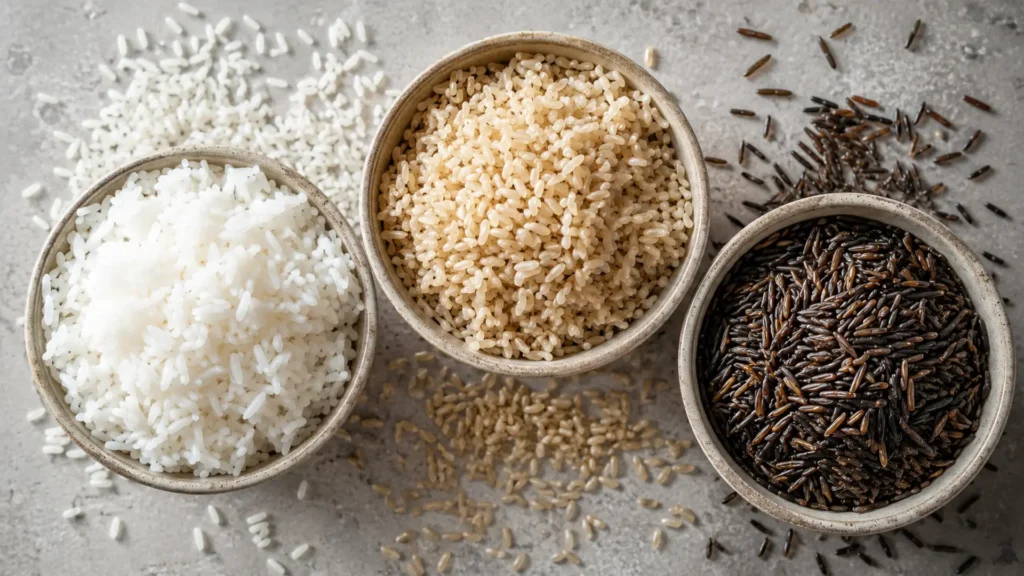
Is rice gluten free? Yes. In its natural form, all rice is gluten free, including white, brown, jasmine, basmati, arborio, wild, and even the sticky kind labeled glutinous rice. Rice is a grain that simply does not contain the gluten proteins found in wheat, barley, and rye, which makes it one of the safest, most versatile staples for anyone with celiac disease or gluten sensitivity. The single caveat, and it is an important one, is that plain rice can pick up gluten from cross-contamination or from added ingredients in rice-based products. The grain is safe; what sometimes happens to it is not.
This guide clears up exactly which types of rice are safe, settles the confusing question of glutinous rice once and for all, and walks through the real-world situations where rice stops being gluten free, so you know precisely what to watch for.
The Short Answer
Pure, unflavored rice of any variety is naturally gluten free, full stop. You do not need to buy a special gluten-free rice, because the plain grain already qualifies. The only things that make rice unsafe are outside the grain itself: contact with gluten-containing grains during growing, milling, or cooking, and gluten-containing ingredients added to seasoned mixes, sauces, and prepared rice dishes. Read labels on anything beyond plain rice, and cook with clean equipment, and rice is one of the most dependable foods on a gluten-free diet.
Which Types of Rice Are Gluten Free?
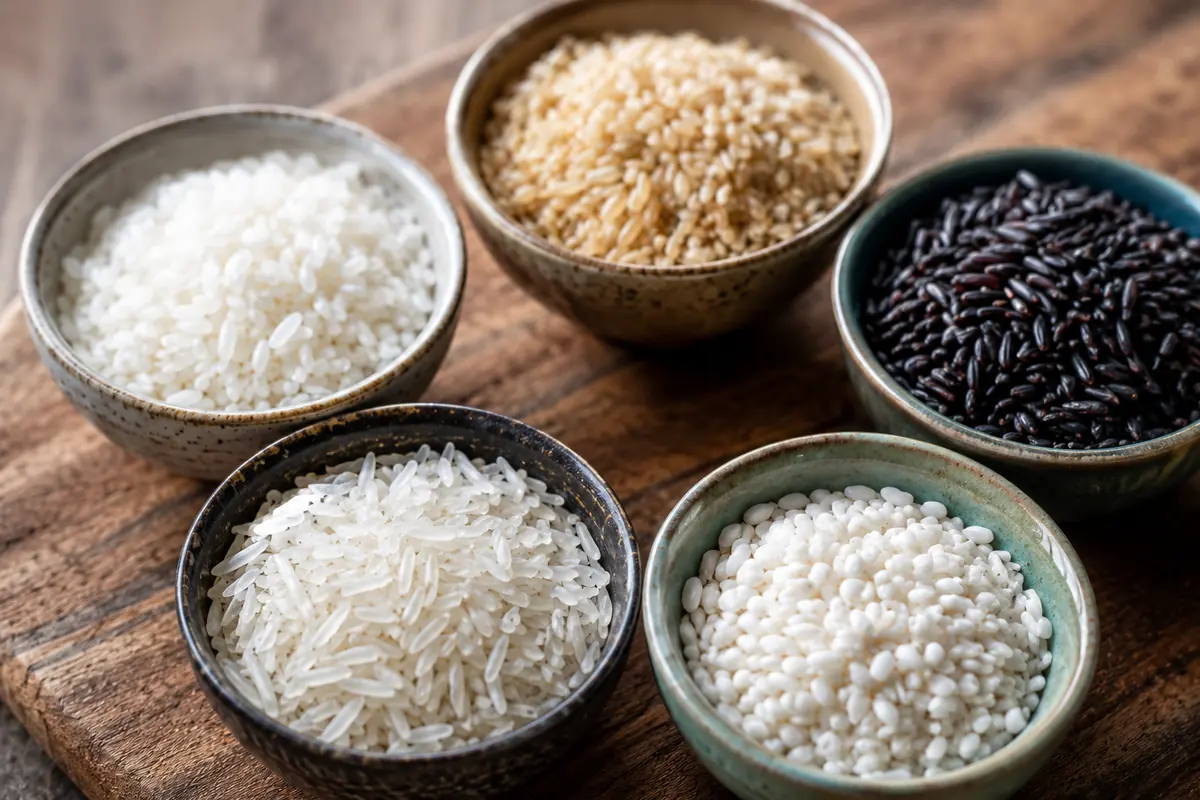
Every natural variety of rice is gluten free. There is no type of pure rice that contains gluten, so you can choose by flavor and texture rather than worrying about safety.
| Type of rice | Gluten free? |
|---|---|
| White rice | Yes |
| Brown rice | Yes |
| Jasmine and basmati | Yes |
| Arborio (risotto rice) | Yes |
| Wild rice | Yes (it is technically a grass seed) |
| Glutinous / sticky / sweet rice | Yes, despite the name |
| Black and red rice | Yes |
Wait, Isn’t Glutinous Rice Full of Gluten?
This is the single most common point of confusion, and the answer is reassuring: glutinous rice contains no gluten at all. The word glutinous here describes the texture, not the protein. It refers to the way this rice turns soft, sticky, and glue-like when cooked, which is where the name comes from. Glutinous rice, also sold as sticky rice or sweet rice and used across Asian cooking for everything from sushi to mango sticky rice, is just as gluten free as any other rice. The name is an unfortunate coincidence of language, not a warning label. If you have celiac disease, you can eat sticky rice with complete confidence.
When Rice Is Not Safe: Cross-Contamination
If the grain is always gluten free, the risk lies entirely in what touches it. Cross-contamination is the main way rice becomes unsafe, and it can happen at several points. During harvesting and milling, rice may be processed in facilities that also handle wheat, barley, or rye, so trace gluten can carry over, which is why people with celiac disease often choose rice labeled certified gluten free. In the kitchen, rice can be contaminated by shared equipment, like a strainer or pot also used for wheat pasta, or a steamer that also cooks couscous or barley. At restaurants, the risks multiply, from shared utensils to rice cooked or finished with gluten-containing sauces. None of this changes the grain itself; it simply means clean handling matters. For anyone managing celiac disease, advocacy organizations like the Celiac Disease Foundation are a good resource for understanding how strict your precautions need to be.
Rice Products That Can Contain Gluten
Plain rice is safe, but the moment rice is seasoned, mixed, or turned into a product, gluten can sneak in. These are the ones to read carefully.
- Boxed rice pilafs and flavored rice mixes. These often contain seasoning packets thickened with wheat flour or made with malt or other gluten-containing ingredients.
- Fried rice and rice cooked with soy sauce. Most standard soy sauce is brewed with wheat, so fried rice and many takeout rice dishes contain gluten unless made with tamari or a certified gluten-free soy sauce.
- Rice cereals. Some crisped rice and puffed rice cereals are sweetened or flavored with barley malt, which contains gluten. Always check the label.
- Seasoned and pre-packaged rice cups. Microwave rice bowls and seasoned blends can include gluten in their flavorings and sauces.
- Restaurant sushi and prepared dishes. Imitation crab, certain sauces, and shared preparation surfaces can introduce gluten even though the rice itself is fine.
How to Buy and Cook Rice Safely
Keeping rice gluten free is mostly about a few simple habits. Buy plain, single-ingredient rice rather than flavored mixes, and choose a certified gluten-free label if you have celiac disease and want assurance against cross-contamination. At home, use clean pots, strainers, and utensils that have not just handled wheat pasta, and store rice away from gluten-containing grains. Swap regular soy sauce for tamari or a certified gluten-free soy sauce in fried rice and stir-fries. When eating out, ask how the rice is prepared and whether it shares equipment with gluten-containing foods. With those small precautions, rice remains one of the easiest and most reliable foods to keep on a gluten-free table.
Is Rice Flour Gluten Free Too?
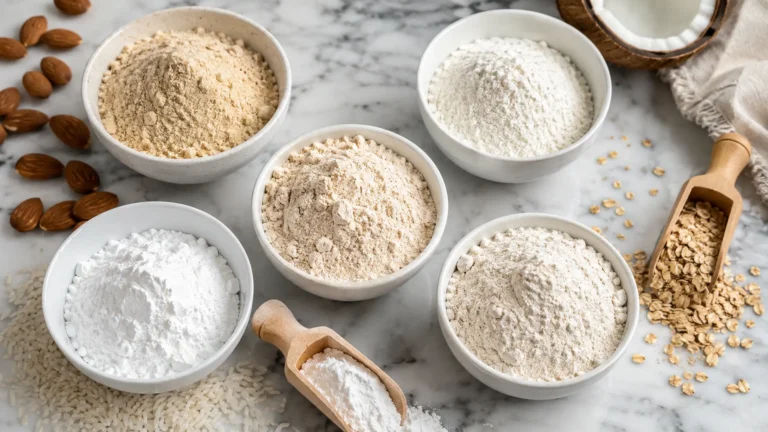
Yes. Because the rice grain is gluten free, rice flour, made simply by grinding rice, is gluten free as well, and it is one of the most important building blocks in gluten-free baking. Both white and brown rice flour are common bases in all-purpose gluten-free flour blends, where they provide neutral structure. If you bake gluten free, it is worth understanding how rice flour fits into a wider blend, which we cover in our guide to gluten-free flour. As with the whole grain, just check that any packaged rice flour is labeled gluten free if cross-contamination is a concern, since milling facilities can vary.
Naturally Gluten-Free Grains Beyond Rice
Rice is the best-known naturally gluten-free grain, but it is far from the only one, and knowing the others makes a gluten-free diet far more varied and interesting. Like rice, these are gluten free in their natural form, with the same cross-contamination caveat for anyone with celiac disease.
| Grain | Notes |
|---|---|
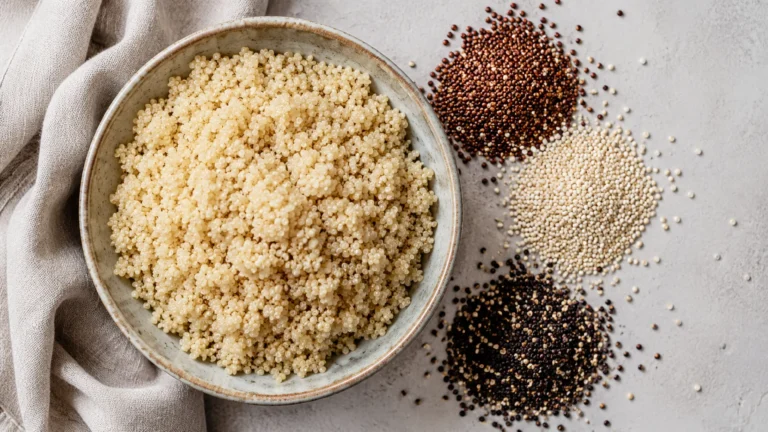
| Quinoa | Technically a seed; high in protein, cooks like rice |
| Corn | Naturally gluten free; the base of polenta and tortillas |
| Millet | Mild, fluffy, good as a side or porridge |
| Buckwheat | Despite the name, contains no wheat or gluten |
| Sorghum | Mild and versatile; common in flour blends |
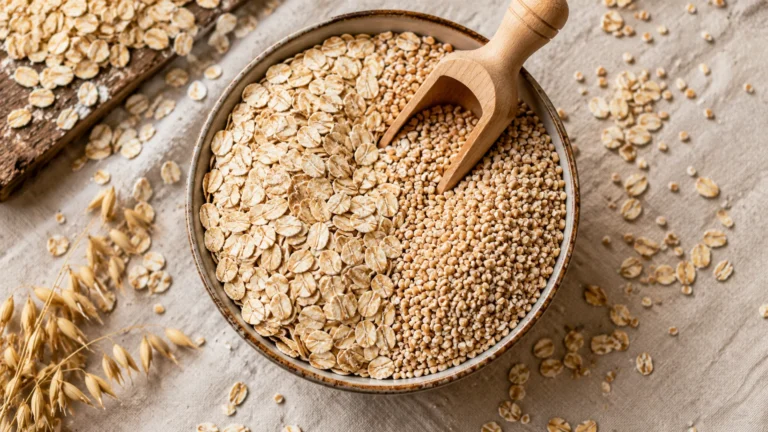
| Oats (certified) | Gluten free only if certified, due to heavy cross-contamination |
Buckwheat is the other great naming trap, sitting right alongside glutinous rice: despite containing the word wheat, buckwheat is completely unrelated to wheat and is naturally gluten free. Building meals around this wider group of grains keeps a gluten-free diet from feeling repetitive, and rice itself shines as the base of countless dishes, from a simple side to a loaded grain bowl. If you want inspiration for piling vegetables and protein over a gluten-free grain base, a roundup of grain bowls is a good place to look, and corn is just as friendly, anchoring everything from polenta to a batch of gluten-free corn muffins.
Is Rice Healthy on a Gluten-Free Diet?
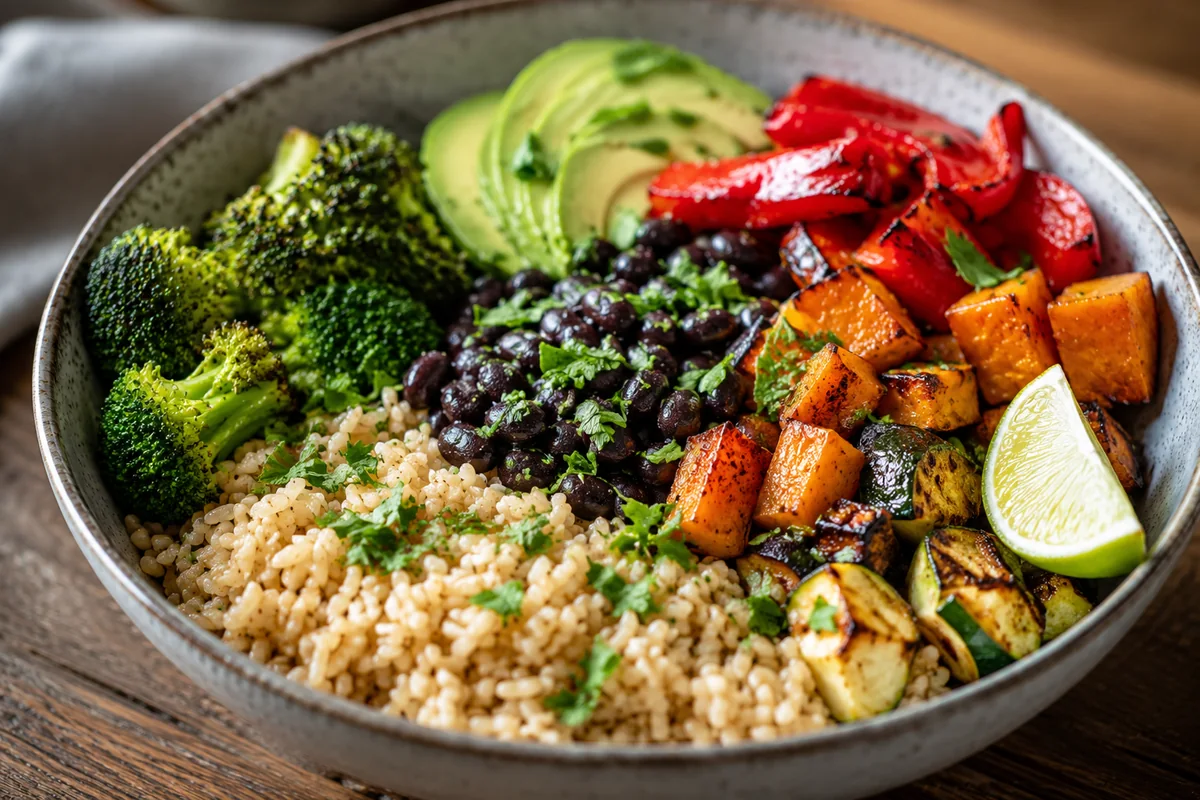
Rice earns its place as a gluten-free staple not only because it is safe but because it is genuinely useful nutritionally. Brown, black, red, and wild rice are whole grains, delivering fiber, B vitamins, and minerals, and they keep you fuller longer than refined options. White rice is more processed and lower in fiber, but it is still a perfectly good energy source, easy to digest, and the right choice in plenty of dishes. The one thing worth keeping in mind is that some gluten-free diets lean too heavily on white rice and refined rice products, which can crowd out fiber and variety. The fix is simply to rotate in whole-grain rice and the other naturally gluten-free grains above, so rice becomes one reliable staple among several rather than the only one on the plate. Used that way, rice supports a balanced, satisfying gluten-free diet rather than narrowing it.
One nutritional footnote worth knowing, precisely because gluten-free eaters tend to rely on rice, is arsenic. Rice naturally absorbs more arsenic from soil and water than most crops, and a diet built heavily on rice and rice products can raise exposure over time. This is not a reason to avoid rice, which remains safe and valuable, but a good argument for variety. Rinsing rice well before cooking and cooking it in plenty of water that you then drain can reduce arsenic, and rotating in quinoa, millet, and other gluten-free grains spreads out any exposure. It is the same lesson as before from a different angle: rice is a wonderful staple, and it works best as one of several rather than the entire foundation of a gluten-free diet.
Cooking With Rice as a Gluten-Free Staple
Part of what makes rice so valuable on a gluten-free diet is how many roles it can play, often standing in directly for foods that normally contain gluten. Rice noodles, made from rice flour and water, are a naturally gluten-free swap for wheat pasta in stir-fries, soups, and noodle bowls, common across Thai and Vietnamese cooking. Rice flour, as covered above, is a backbone of gluten-free baking and a clean thickener for sauces. Rice paper wrappers replace wheat-based wraps for fresh spring rolls. And plain rice is the dependable base under curries, stir-fries, grain bowls, and stews, soaking up sauces that a gluten-free eater might otherwise miss out on. Because rice is so neutral and adaptable, it tends to fill many of the gaps a gluten-free diet creates, which is a large part of why it is such a cornerstone of the way people eat gluten free around the world.
Rice Allergy vs. Gluten Reaction
It is worth drawing one clear distinction, because it occasionally causes confusion. A reaction to rice is not a gluten reaction, since rice contains no gluten. If someone genuinely reacts to plain, uncontaminated rice, they may have a separate rice allergy or intolerance, which is uncommon but real and entirely unrelated to celiac disease or gluten. Far more often, a reaction blamed on rice traces back to something else in the dish, such as a wheat-based soy sauce, a seasoning packet, or cross-contamination during cooking. If you react after a rice dish, the useful first step is to look at the sauces, mixes, and preparation rather than the rice grain itself, which is almost never the culprit for a gluten-related response.
How to Read Labels on Rice Products
Since plain rice is always safe, label-reading only matters once rice is combined with other ingredients, and a quick routine handles it. Scan the ingredient list for the obvious gluten sources first: wheat, barley, rye, malt, and brewer’s yeast. Then watch the sneakier ones that hide in rice products, like soy sauce, hydrolyzed wheat protein, modified food starch when it is not specified as corn, and vague terms like seasoning or natural flavors on heavily processed mixes. Malt is the one people miss most often, since it is barley-derived and turns up in some rice cereals. If a product carries a certified gluten-free label, you can trust it has been tested below the safe threshold, which is the simplest assurance of all. For plain bags of rice with a single ingredient, there is nothing to check; the work only begins with flavored, mixed, or prepared products.
Quick Myths About Rice and Gluten
A few persistent myths cause needless worry, so it is worth knocking them down directly. The biggest is that glutinous or sticky rice contains gluten, when the name refers only to its texture. Another is that brown rice somehow contains gluten while white does not; both are equally gluten free, since the difference between them is only the bran layer, not the presence of any gluten. Some people believe rice must be specially labeled to be safe, when in fact plain rice is naturally gluten free and the label only adds assurance against cross-contamination. And there is a lingering idea that you cannot eat rice on a strict gluten-free diet at all, which is the opposite of the truth: rice is one of the foundational safe foods that makes the diet livable. Clearing away these myths leaves a simple, freeing reality, which is that rice in its natural form is one of the most reliable friends a gluten-free eater has.
Frequently Asked Questions
Is all rice gluten free?
Yes. Every natural variety of rice, including white, brown, jasmine, basmati, arborio, wild, black, and glutinous or sticky rice, is naturally gluten free. The grain contains no gluten. Risks come only from cross-contamination or from gluten added to seasoned rice products.
Is glutinous rice gluten free?
Yes, despite its name. The word glutinous describes the sticky, glue-like texture of the cooked rice, not gluten content. Glutinous rice, also called sticky or sweet rice, contains no gluten and is safe for people with celiac disease.
Is fried rice gluten free?
Often not, because most fried rice is made with regular soy sauce, which is brewed with wheat. The rice itself is gluten free, but to make fried rice safe, use tamari or a certified gluten-free soy sauce and cook it on clean, uncontaminated equipment.
Is brown rice gluten free?
Yes. Brown rice is simply rice with the bran layer left on, and like all rice it is naturally gluten free. It is a nutritious, fiber-rich choice for a gluten-free diet, as long as it is plain and not part of a seasoned mix.
Do I need to buy special gluten-free rice?
Plain rice is already gluten free, so you do not need a special product. However, if you have celiac disease and want extra assurance against cross-contamination during milling and packaging, choosing rice with a certified gluten-free label is a reasonable precaution.
Can rice cause a gluten reaction?
Pure rice will not, because it contains no gluten. If someone reacts after eating rice, the cause is usually cross-contamination, a gluten-containing sauce or seasoning, or another ingredient in the dish, rather than the rice itself. A separate rice allergy or intolerance is possible but unrelated to gluten.
Bottom Line
So, is rice gluten free? Yes, every natural variety of it, from everyday white and brown rice to the sticky rice whose name causes so much needless worry. Rice contains no gluten and is one of the most dependable staples on a gluten-free diet. The only real risks come from outside the grain: cross-contamination with wheat, barley, or rye, and gluten added through seasoned mixes, soy sauce, and prepared dishes. Buy plain rice, check labels on anything flavored, cook with clean equipment, and reach for tamari instead of regular soy sauce, and you can enjoy rice in all its forms with complete confidence. For most people on a gluten-free diet, rice is not a food to worry about but a dependable foundation to build countless meals on.