Gluten free snacks are easier to find than they were even five years ago, but the snack aisle is still where a gluten-free diet most often goes sideways. A bag of plain potato chips can be perfectly safe while the seasoned version next to it hides wheat starch, and a granola bar that looks wholesome can be built on regular oats that carry gluten from the field. This guide walks through the snacks that are naturally safe, the ones that need a label check, the brands worth trusting, and a handful of quick homemade ideas so you are never stuck with nothing to eat between meals. The goal is simple: give you a mental map of the snack world so you can grab something fast without second-guessing every wrapper.
Snacking is where most people slip, because snacks are impulse foods. You reach for them when you are hungry, distracted, or away from home, which is exactly when label-reading discipline tends to fade. Building a short list of go-to safe snacks ahead of time takes the decision-making out of the moment, and that is the single best habit a newly gluten-free eater can adopt.
The Short Answer: What Counts as a Gluten-Free Snack
A gluten-free snack is any food, packaged or whole, that contains no wheat, barley, rye, or their derivatives, and that has not picked up gluten through shared equipment. Plenty of snacks are gluten free by nature: fresh fruit, raw vegetables, plain nuts, cheese, hard-boiled eggs, and plain yogurt all qualify without a label. The trouble starts with processed snacks, where flavorings, coatings, thickeners, and malt sneak gluten into products that seem like they should be safe. The practical rule is that whole foods are almost always safe, lightly processed single-ingredient snacks are usually safe, and heavily flavored or multi-ingredient packaged snacks need a label read every time. Once you internalize that gradient, shopping gets much faster.
Naturally Gluten-Free Snacks You Never Have to Question
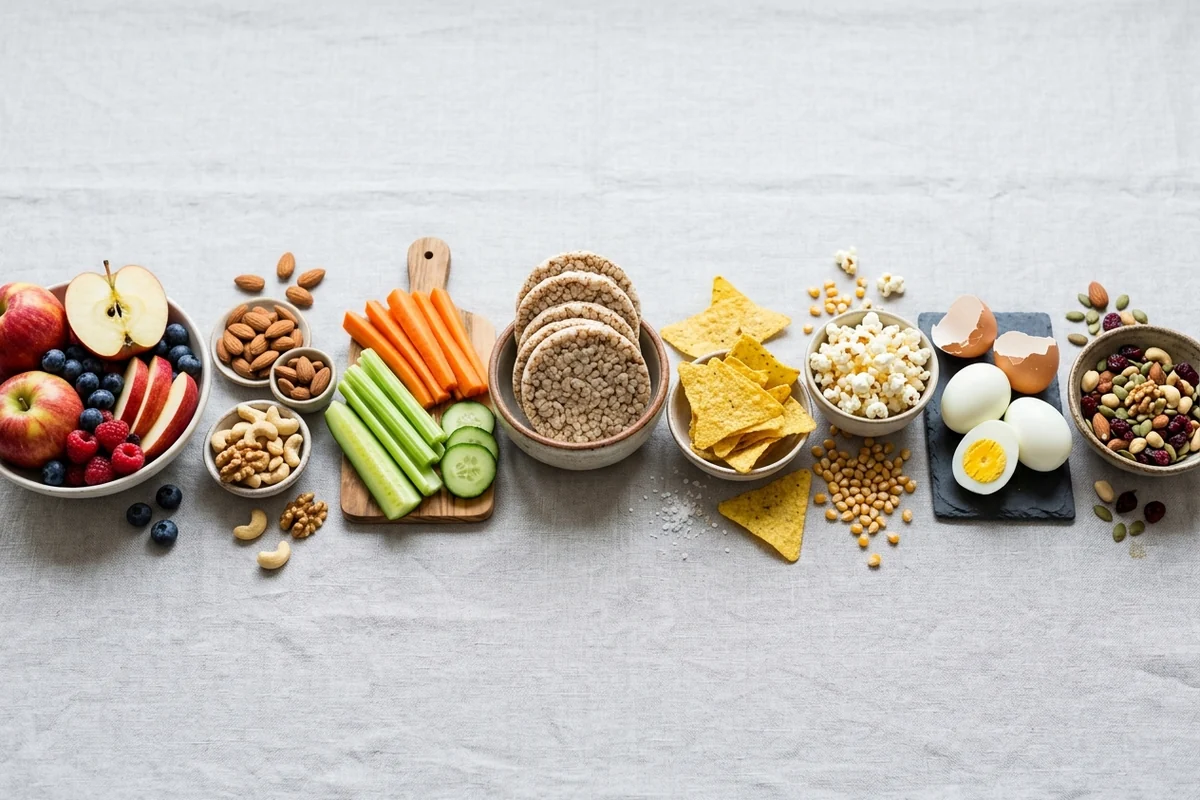
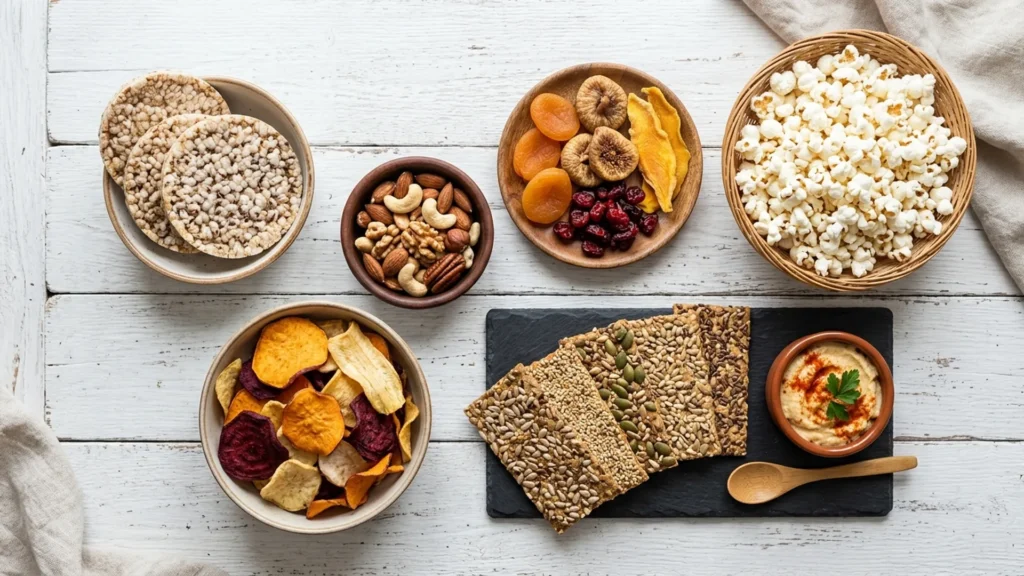
The easiest snacks are the ones that were never near gluten in the first place. Fresh and dried fruit, from apple slices to a handful of raisins, is naturally gluten free, as long as dried fruit is not dusted with a flour-based anti-caking agent, which is rare but worth a glance on bulk-bin products. Raw and roasted vegetables, hummus, guacamole, and salsa are safe, though a few commercial dips use wheat-based thickeners, so check tubs you do not recognize. Plain nuts and seeds are gluten free, but flavored or honey-roasted versions sometimes use wheat-derived coatings or soy sauce, so the seasoned tins deserve a read. Cheese, including string cheese and most aged cheeses, is naturally gluten free. Plain yogurt is safe, while flavored yogurts with cookie or granola toppings obviously are not. Eggs, plain popcorn, and most plain corn tortilla chips round out the list of snacks you can grab on autopilot. Keeping a rotating supply of these in the house means you always have a fallback that needs zero label scrutiny.
Packaged Snacks That Are Usually Safe (With a Label Check)
This is the middle tier, where most of the everyday snacking happens, and where a ten-second label scan pays off. Plain potato chips are typically gluten free, but barbecue, sour cream and onion, and other seasoned flavors sometimes carry wheat starch or malt, so flavored chips need a check even from a brand whose plain version you trust. Corn-based snacks, including tortilla chips and many corn puffs, are usually safe, though seasoned varieties can contain wheat. Rice cakes and plain popcorn are reliable, but caramel or flavored coatings can introduce gluten. Gluten-free crackers and pretzels now exist in real variety, many made from brown rice, seeds, or a gluten-free flour blend, and the better ones have genuine crunch rather than the cardboard texture of early products. Jerky and meat snacks are a strong protein option, but soy sauce and teriyaki marinades almost always contain wheat, so look specifically for jerky labeled gluten free. Seaweed snacks, roasted and salted, are naturally gluten free and have become a popular crunchy, low-calorie option. The pattern across this whole tier is consistent: the plain version is usually safe and the flavored version is the gamble, so reserve your label attention for anything seasoned.
The Snacks That Trip People Up
A few categories deserve special caution because they look healthy or innocent but frequently hide gluten. Granola and granola bars top the list, since many are built on regular oats that are cross-contaminated with wheat in the field and at the mill, and plenty add wheat flour, barley malt, or crisp-rice with malt outright. Only granola made with certified gluten-free oats is safe. Pretzels are wheat by default, so a standard pretzel is never gluten free, and you need a specifically gluten-free version. Licorice and many chewy candies use wheat flour as a binder, which surprises people who assume all candy is just sugar. Energy and protein bars vary wildly, with some using oats, barley, or wheat-based crisps, so the bar category is a per-product question. Trail mixes that include pretzel pieces, cookie bits, or malted candies obviously carry gluten from those add-ins. Flavored chips, as noted, are the seasoned-snack trap. The common thread is that processing and flavoring, not the base ingredient, are what introduce the risk, so the more a snack has been built up from a simple starting point, the more carefully you should read it.
Reading a Snack Label in Ten Seconds
A fast, repeatable label routine turns the snack aisle from a minefield into a quick scan. Start with the allergen statement, the bold contains line under the ingredients, and look for wheat there first, because that single line catches the most common offender immediately. If wheat appears, put it back. Next, scan the ingredient list for barley, rye, malt, malt extract, malt syrup, malt flavoring, brewer’s yeast, and wheat starch, since these are the sneaky terms that hide gluten in otherwise safe-looking snacks. Malt in particular is the one people miss most, and it is everywhere in cereals, chips, and candies. Then look for a may contain wheat advisory, which signals cross-contamination risk and matters most for people with celiac disease. Finally, a certified gluten-free seal, especially the GFCO mark, is the strongest assurance, since it means the product was tested to a strict standard. You do not need a gluten-free claim for a snack to be safe, because many naturally gluten-free snacks never bother to print one, but when you see the seal it removes all doubt. With the allergen line, a malt-and-grains scan, and the seal, you can clear or reject almost any package in seconds.
Gluten-Free Snacks for Kids and Lunchboxes
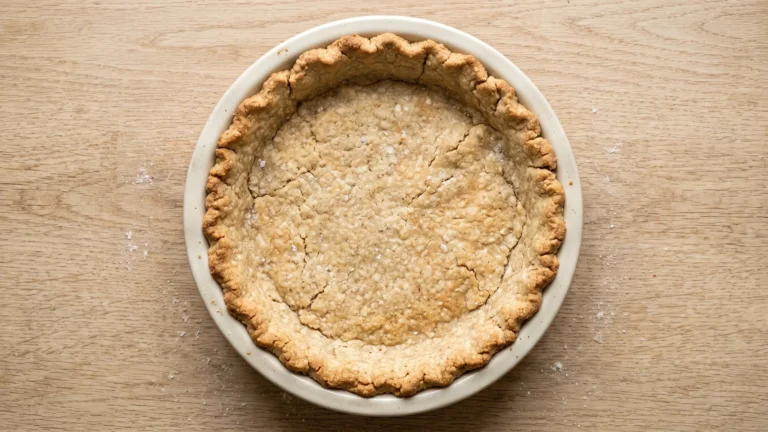
Packing safe snacks for kids has its own rhythm, because variety and portability matter as much as safety. Naturally gluten-free lunchbox staples include cheese sticks, yogurt tubes without cookie mix-ins, fruit cups packed in juice, applesauce pouches, plain popcorn, and gluten-free crackers with cheese. Many fruit snacks and fruit leathers are gluten free, though a quick check is still smart since some use wheat-based ingredients. The school setting adds a cross-contamination layer that home does not have: shared snack bins, communal birthday treats, and lunch tables where wheat crackers crumble next to a gluten-free meal all create contact risk. Sending an obviously safe, sealed snack avoids the need for a child to evaluate a shared platter, which is a lot to ask of a young kid. For at-home kid snacks, rice cakes with sunflower butter, ants on a log made with certified-safe ingredients, and gluten-free pretzels with hummus cover the bases. If you bake for lunchboxes, a tray of homemade treats made with a reliable crust or base gives you full control, much like the from-scratch approach in our guide to a gluten-free pie crust that holds together without wheat.
Savory vs. Sweet: Building a Balanced Snack Rotation
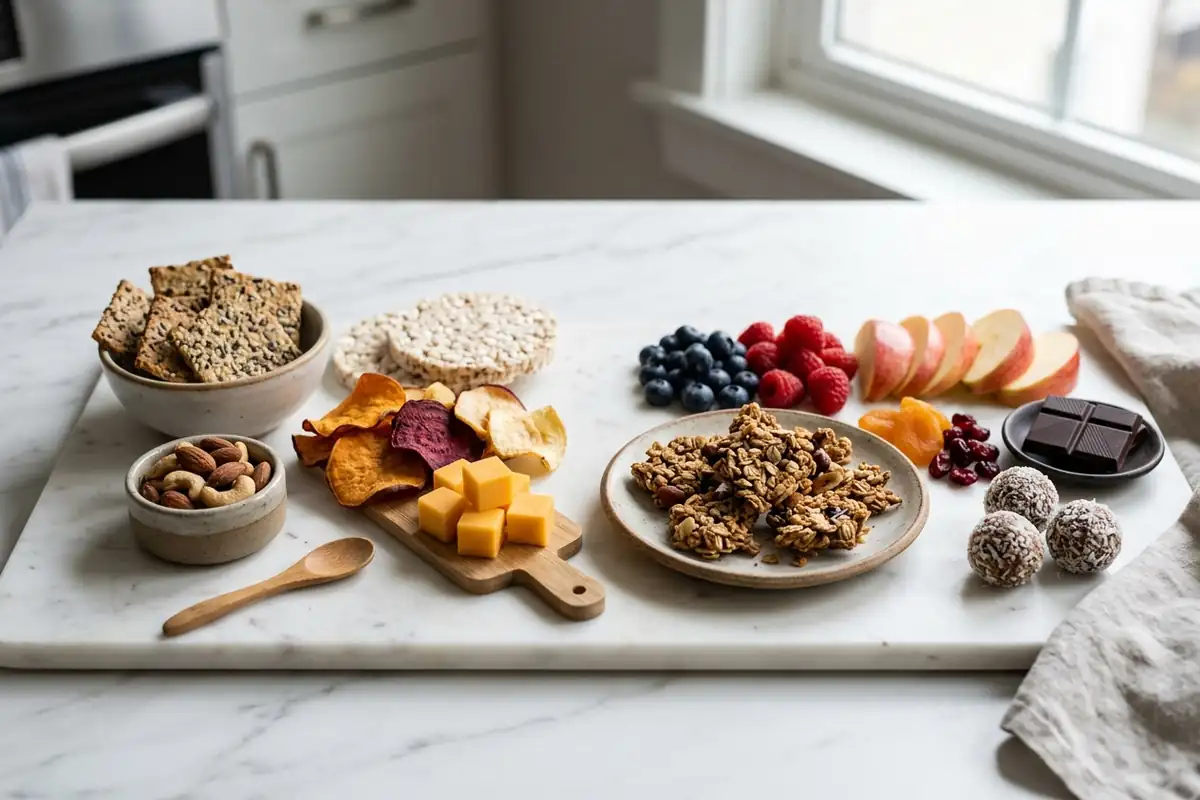
A snack stash that leans entirely sweet or entirely salty gets boring fast, and boredom is what drives people to grab whatever is around, safe or not. On the savory side, build around plain and seasoned-but-verified chips, gluten-free crackers, cheese, jerky, roasted chickpeas, popcorn, seaweed snacks, and nuts. On the sweet side, lean on fruit, gluten-free cookies, dark chocolate, certified granola, yogurt, and homemade no-bake bites. Dark chocolate is a particularly useful sweet anchor because plain dark chocolate is naturally gluten free and satisfying in small amounts, and it pairs well with nuts or fruit for a fast snack plate. Cream cheese is another flexible base, gluten free on its own, that turns crackers or celery into something more substantial, and our breakdown of whether cream cheese is gluten free covers the few flavored tubs that need a closer look. Rotating across both savory and sweet keeps the routine sustainable, which is the real point, since the best gluten-free snack plan is the one you will actually stick to.
Quick Homemade Gluten-Free Snacks
When you want full control and no label reading at all, a handful of homemade snacks come together in minutes from naturally gluten-free ingredients. Energy bites made from certified gluten-free oats, nut butter, honey, and chocolate chips roll up in one bowl and keep for a week. Roasted chickpeas tossed with olive oil and spices give you a crunchy, high-protein savory snack from a single can. Trail mix you assemble yourself, using gluten-free pretzels or certified crisped rice instead of malted pieces, sidesteps the add-in problem entirely. Yogurt bark, spread with fruit and a drizzle of nut butter and frozen, makes a sweet snack with no flour anywhere. Popcorn seasoned at home with melted butter and spices beats any flavored bag for both safety and taste. Veggie sticks with a homemade yogurt or hummus dip cover the fresh side. None of these require special flour or baking skill, and because you control every ingredient, they are guaranteed safe. For a sweeter homemade project, our roundup of gluten-free desserts has small-batch treats that double as snacks, and the no-bake route from a network favorite, a tray of no-bake cookies, needs no oven at all.
Trusted Brands and Where to Look
Knowing a few dependable brands shortens every shopping trip. For crackers and crisps, several dedicated gluten-free brands now make products from brown rice, seeds, or gluten-free flour blends that hold up to dips and toppings. For pretzels, look to brands that make a specifically gluten-free line rather than hoping a standard pretzel is safe, which it never is. For granola and bars, choose products that state certified gluten-free oats on the package, since that single phrase is what separates a safe bar from a risky one. For chips, plain varieties from major brands are usually safe, but confirm seasoned flavors against the label every time. Store brands at major retailers increasingly carry gluten-free seals on their own crackers, pretzels, and snack bars, and these are often the most affordable option, with the caveat that store brands reformulate more often, so re-check periodically. For melting and confection technique when you make your own snacks, the tested methods from America’s Test Kitchen are dependable, and Bon Appetit has reliable homemade granola and snack-bar formulas if you want to skip packaged versions entirely.
Snacking Away From Home
The hardest snacking happens on the road, at the office, and at gatherings, where your usual safe shelf is not within reach. The fix is preparation: keep a stash of shelf-stable safe snacks in your bag, desk, and car, so hunger never forces a risky choice. Good travel snacks include individually wrapped gluten-free bars, single-serve nut packs, jerky labeled gluten free, dried fruit, and sealed crackers. At a party or potluck, naturally gluten-free options like a cheese plate, fresh fruit, raw vegetables, and plain nuts are usually present, but watch for shared serving spoons and crackers that crumble onto a platter. When you are unsure about a dish someone else made, the safest move is to stick to whole-food snacks you can identify and to bring a backup of your own. A small, consistent travel kit removes the stress from situations where you have no control over the menu, and it is the single most useful habit for staying safe outside your own kitchen.
Frequently Asked Questions
What snacks are naturally gluten free?
Fresh fruit, raw vegetables, plain nuts and seeds, cheese, plain yogurt, hard-boiled eggs, plain popcorn, and most plain corn tortilla chips are naturally gluten free with no label needed. The moment a snack is flavored, coated, or built from multiple ingredients, a quick label check becomes worthwhile, since that is where gluten tends to sneak in.
Are potato chips gluten free?
Plain potato chips are usually gluten free, since they are just potatoes, oil, and salt. The risk is in seasoned flavors like barbecue, sour cream and onion, and similar, which sometimes contain wheat starch or malt. Always check the label on flavored chips, even from a brand whose plain chips you trust, because seasonings are where the gluten hides.
Why are granola bars often not gluten free?
Many granola bars are built on regular oats that pick up gluten through cross-contamination in the field and at the mill, and plenty add wheat flour, barley malt, or malted crisp-rice outright. Only bars that state certified gluten-free oats and have a gluten-free seal are reliably safe. The base oat is the issue, not just the add-ins.
Is malt gluten free?
No. Malt, malt extract, malt syrup, and malt flavoring are made from barley, which contains gluten. Malt is the single most-missed source of gluten in snacks, turning up in cereals, chips, and candies that otherwise look safe. Scan ingredient lists for any form of the word malt and skip the product if it appears.
Are gluten-free snacks healthy?
Not automatically. A snack being gluten free says nothing about its sugar, salt, or fat, and many packaged gluten-free snacks are just as processed as their wheat counterparts. The healthiest gluten-free snacks are the naturally safe whole foods, fruit, vegetables, nuts, eggs, and yogurt, with packaged gluten-free products as occasional conveniences rather than the foundation.
How do I pack safe gluten-free snacks for school?
Send obviously safe, sealed, single-serve snacks like cheese sticks, fruit cups, applesauce pouches, gluten-free crackers, and plain popcorn, so your child never has to evaluate a shared platter. Avoid communal snack bins and crackers that crumble next to wheat. A sealed, recognizable snack sidesteps the cross-contamination risk that comes with shared school food.
Bottom Line
Gluten free snacks come down to a simple gradient: whole foods are almost always safe, plain single-ingredient packaged snacks usually are, and anything flavored or built from multiple ingredients needs a quick label read. Lean on naturally safe staples like fruit, nuts, cheese, eggs, and plain popcorn so you always have a no-label fallback, then add verified packaged options and a few homemade bites for variety. Watch for malt, wheat starch, and regular oats, the three things that quietly turn a safe-looking snack risky. Build a short list of trusted brands and a small travel kit, and snacking stops being the weak point in a gluten-free diet and becomes one more thing you have handled.