Finding gluten free fast food that is actually safe to eat is harder than the glossy menu boards make it look. I am Maeve, and after years of ordering for my own gluten-free family on road trips, ball-game nights, and those days when dinner has to happen in a parking lot, I have learned that the words “gluten free” on a website rarely tell the whole story. A burger patty can be made of nothing but beef and still pick up wheat from a shared grill. Fries can be cut from a plain potato and still test positive for gluten because of the oil they swim in. So this guide is built to give you the honest version: which chains have real options, which items are naturally safe, where the hidden traps are, and exactly what to say at the counter so your meal does not wreck your afternoon.
Before we walk the menus, one thing matters more than anything else. There is a big difference between someone with celiac disease, who needs to avoid even trace cross-contact, and someone who is gluten-sensitive and simply feels better avoiding obvious gluten. Almost every list online blurs that line, and that is why so many people get burned. I am going to keep those two readers separate the whole way through, because the safe order for a celiac at a fast food window is often shorter and stricter than the safe order for someone managing milder sensitivity. Keep your own situation in mind as you read, and when in doubt, treat the stricter advice as yours.
Why Fast Food Is a Minefield for Gluten
The trouble with fast food is not usually the headline ingredient. It is the kitchen. A modern drive-thru is a small space where a handful of cooks handle wheat buns, breaded chicken, flour tortillas, and battered onion rings within inches of everything else. Crumbs travel. Gloves carry residue. Tongs get reused. A grill surface that just toasted a bun does not get scrubbed before your patty lands on it. None of this shows up on the nutrition panel, and none of it is visible from your car. That gap between “the food contains no gluten ingredients” and “the food is safe for a celiac” is the single most important idea in this entire guide.
The fryer is the clearest example, and the research here is genuinely sobering. When scientists tested 20 orders of plain fries from 10 different restaurants, fries that contained zero gluten ingredients, they found measurable gluten in 9 of the 20 orders. The contamination ranged from about 7 parts per million all the way past 80 parts per million. For context, the FDA threshold for a “gluten-free” label in the United States is 20 ppm, so several of those fry orders blew right past the limit. The mechanism is simple and a little gross: breaded items shed crumbs into the oil, those crumbs break down and circulate at fryer temperatures around 350 F, and the next basket of fries picks them up. This is why I tell celiac readers to treat fries from any shared fryer as off-limits, full stop, no matter how the potato started life. You can read the patient-friendly summaries from Beyond Celiac and the Celiac Disease Foundation if you want the science straight from the advocacy organizations that track this.
Grills and prep surfaces are the second layer. A flat-top that handles buns, a sandwich station dusted with flour from tortillas, a salad line where croutons get scattered nearby, all of these create the same trace exposure that the fryer does. The good news is that this risk is far more manageable than the fryer, because you can ask for a clean surface, a glove change, and a fresh prep area, and a well-trained crew can usually accommodate it. The bad news is that accommodation depends entirely on the location and the people working that shift. The same chain can be a careful, allergy-aware experience at one store and a careless free-for-all at the one across town.
The Chains With Real Gluten-Free Options
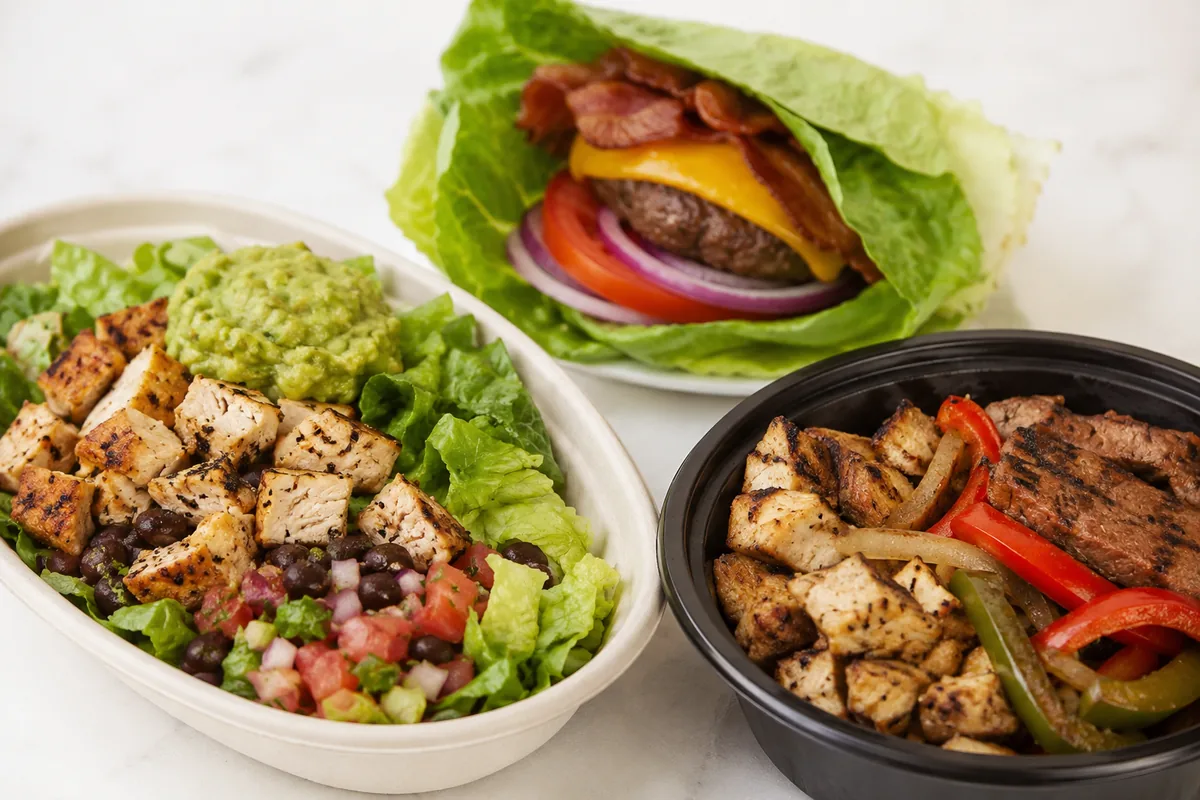
Let me start with the good news, because there genuinely is some. A handful of chains have either dedicated equipment, naturally gluten-free menus, or enough customization that you can build a safe meal with confidence. These are the places I drive a little farther to reach when my family is hungry and the clock is unfriendly.
Chipotle is, for my money, the most reliable gluten free fast food option in the country for both celiacs and the gluten-sensitive. The model works in your favor: you watch your food get assembled, you can skip the flour tortilla entirely, and a burrito bowl or salad built on rice, beans, meat, fajita veggies, salsa, and guacamole is naturally gluten-free. The only real exposure is cross-contact from the tortilla station and shared serving utensils, so the move is to tell the server you have celiac disease and ask for a glove change and fresh portions from the back. I have done this dozens of times and almost always gotten a careful, cheerful response. The chips are cooked in dedicated oil at most locations, which is a rare and welcome thing in fast food.
Chick-fil-A deserves credit for actually thinking about this. The grilled nuggets and grilled chicken are prepared without breading, the chain offers a gluten-free bun (it comes sealed in its own package so you can open it yourself), and crucially, the waffle fries are cooked in a dedicated fryer at most locations, separate from the breaded chicken. That makes Chick-fil-A one of the few drive-thrus where fries are plausibly safe even for a celiac, though I still ask the team member to confirm the fryer setup at that specific store before I trust it. The grilled nuggets with a side of fruit and a gluten-free-bun sandwich make a genuinely solid meal. Stay away from anything fried in batter and anything with the regular bun.
Five Guys is a favorite for the same reason: their fries are cooked in dedicated peanut oil with no battered or breaded items sharing the vat, so the regular and Cajun fries are gluten-free even for strict eaters at most stores. Order any burger or hot dog as a lettuce wrap, or in a bowl, and you have a hot, satisfying meal. Skip the bun obviously, and if you get a milkshake, avoid the Oreo and malt mix-ins, which both contain gluten. Five Guys is the rare place where I let my celiac family member eat the fries without a second thought, but I still glance at the setup and ask if anything has changed.
Shake Shack rounds out the strong tier. They offer a gluten-free bun at most locations and will happily do any burger as a lettuce wrap, which they call it on the menu, and the shakes in plain chocolate and vanilla are gluten-free. The one trap is the crinkle-cut fries, which are cooked in shared oil with the chicken, so those are off the table for celiacs. A double burger in a lettuce wrap with a plain shake is a low-carb, high-protein meal that travels well. Honesty matters here: the bun and the wrap are fine, the fries are not.
The Chains You Can Work With, Carefully
The next group has no dedicated equipment and no formal gluten-free promise, but they sell enough naturally gluten-free food that a careful eater can usually piece together a safe meal. The risk here is squarely cross-contact, so your ordering technique matters more than the menu.
In-N-Out built a quiet reputation among gluten-free eaters with its “protein style” burger, which swaps the bun for a wrap of crisp lettuce. The patties, cheese, and spread contain no gluten ingredients, and because In-N-Out has a famously simple menu with no breaded products at all, the grill is cleaner than most. The fries are cut fresh in-store and fried in oil that, at most locations, is not shared with any breaded item, which makes them a maybe rather than a hard no. For the gluten-sensitive, In-N-Out is a great stop. For celiacs, get the protein-style burger and ask about the fryer before committing to fries.
Wendy’s gives you bunless burgers, a chili that is gluten-free by ingredient, baked potatoes, the Frosty, and several salads without the croutons or crispy chicken. The big asterisk is the fries: Wendy’s fries are cooked in a shared fryer with breaded items, so they are not celiac-safe despite being made from gluten-free potatoes. A bunless burger with a baked potato and chili is a genuinely filling meal that sidesteps the fryer entirely, which is exactly the kind of workaround I lean on. Order the burger with no bun, tell them why, and ask for a clean spot on the grill.
Taco Bell is a tricky one and I want to be straight with you. Taco Bell does not label a single item gluten-free because everything is prepared in a shared kitchen, and the cross-contamination risk is real. That said, the gluten-sensitive can often build a Power Menu Bowl with beans, meat, cheese, lettuce, and guacamole and feel fine, as long as they skip anything with a tortilla, the seasoned items that may share equipment, and the fried pieces. For a diagnosed celiac, my honest recommendation is to treat Taco Bell as a last resort or skip it, because the shared-kitchen risk is hard to control from the drive-thru.
Starbucks is worth a mention because it is everywhere and people forget it counts as fast food. Most plain brewed coffee, espresso, tea, and the milk-based lattes are gluten-free, and Starbucks sells a few packaged gluten-free snacks like the marshmallow bar and certain egg bites. The traps are the flavored syrups, which are usually fine, the pastries, which are obviously not, and any cross-contact in the case where gluten-free packaged items sit next to croissants. Stick to drinks and sealed packaged snacks and you are on safe ground. Frappuccinos can hide gluten in certain mix-ins, so ask before you assume.
The Chains to Approach With Real Caution
Some big names simply do not have a safe path for a celiac, and pretending otherwise does nobody any favors. McDonald’s is the classic trap. People assume the fries are gluten-free because potatoes are gluten-free, but McDonald’s fries are cooked in a shared fryer and the par-fry coating has historically included a wheat-derived flavoring, so they are not safe for celiacs, period. Your realistic options at McDonald’s are limited: a few salads without the crispy chicken or croutons, and most beverages. It is a poor gluten-free stop, and I plan around it rather than through it.
Arby’s, Popeyes, KFC, and Sonic all center their menus on breaded, fried protein, which means the fryer is doing constant gluten work and almost nothing fried is safe. There are still islands of naturally gluten-free food at each, the shakes at Arby’s, the red beans and rice at Popeyes, the mashed potatoes without gravy or the green beans at KFC, the bunless breakfast meats and shakes at Sonic, but you are eating around the kitchen rather than from a thought-out menu. If you are managing mild sensitivity these can work in a pinch. If you have celiac disease, the cross-contact density makes me nervous, and I would rather grab a packaged snack and keep driving. For more on building a safe stash in the car, see our guide to gluten free snacks.
Chain Quick Reference
Here is the scannable version, the one I want you to glance at from the drive-thru line. The first table pairs each chain with the order I actually make. The second flags the specific watch-out so you do not get caught out by a fryer or a hidden coating.
How to Order Safely at the Counter
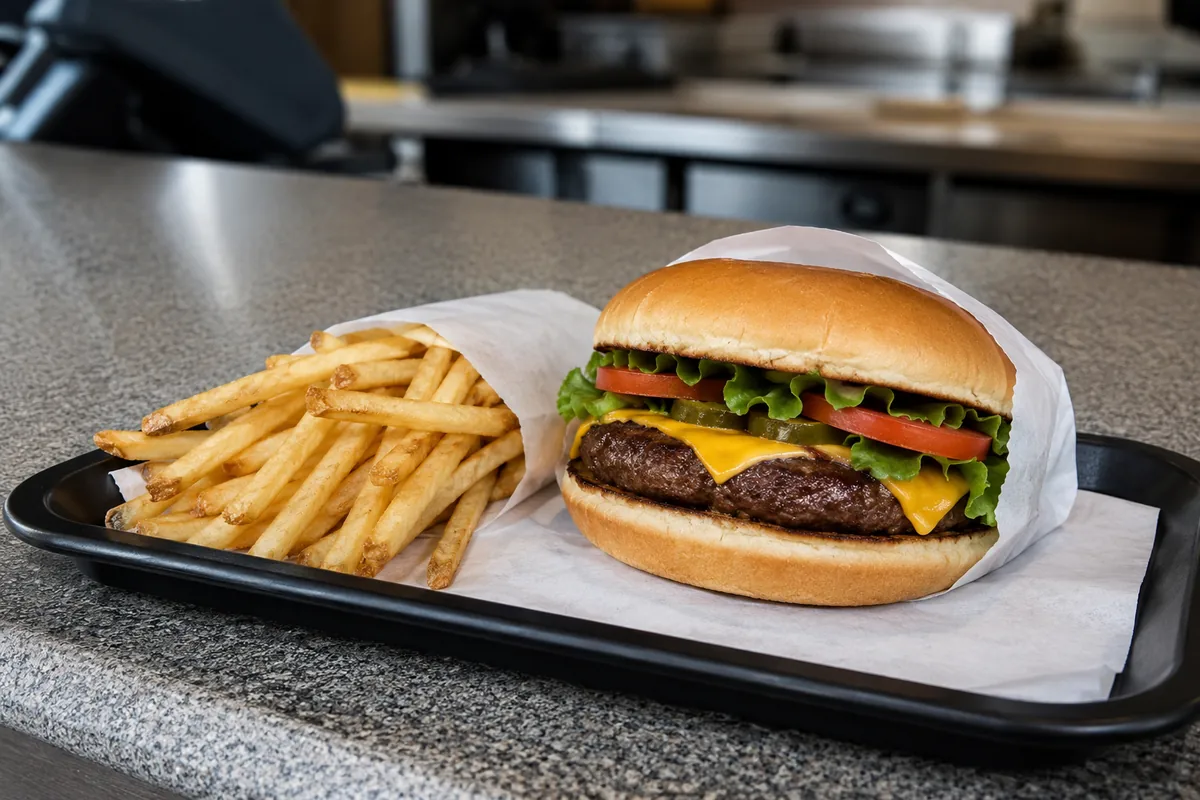
The menu only gets you halfway. The other half is how you order, and a few sentences spoken clearly can be the difference between a safe meal and a ruined day. The single most important thing is to use the word celiac if it applies to you, even loosely, because in a fast food kitchen “I have an allergy” gets taken far more seriously than “I am trying to avoid gluten.” It signals to the crew that this is a medical issue, not a preference, and that changes how they handle your food.
Here is the script I actually use, and you are welcome to borrow it. “I have celiac disease, so I need to avoid all gluten and wheat, including cross-contact. Can you change your gloves, use a clean prep area, and tell me whether the fries share a fryer with anything breaded?” That one breath covers the three biggest risks: glove residue, surface contact, and the fryer. If the answer about the fryer is anything other than a confident “it is dedicated,” skip the fries and choose a baked potato, fruit, or a packaged side instead. I never argue with an uncertain answer; I just order around it.
Timing helps too. Cross-contact rises during the lunch and dinner rush, when the kitchen is slammed and shortcuts creep in, so if you have a choice, order in the slower mid-afternoon window when the crew has the breathing room to do it right. Calling ahead works wonders at sit-down-adjacent chains and even some drive-thrus, because a manager can prep your order with intention rather than scrambling. And always, always pull up the chain’s allergen menu on your phone before you order. These documents change constantly as recipes and suppliers shift, and the version you memorized last year may be wrong today. The allergen sheet is your single best tool, and I check it even at chains I have visited a hundred times.
One more habit that has saved me repeatedly: build your order around naturally gluten-free items rather than special accommodations. A plain grilled protein, rice, beans, fresh vegetables, fruit, and plain dairy are gluten-free by their nature, and the fewer modifications the kitchen has to make, the fewer chances there are for a mistake. The most dangerous orders are the ones that ask a busy kitchen to deviate from its normal flow. The safest are the ones that were basically gluten-free to begin with and just need to be kept clean.
Naturally Gluten-Free Versus Risky Items
If you internalize one framework from this whole guide, make it this one. Some fast food items are gluten-free by their very nature and only need protection from cross-contact. Others look innocent but carry hidden gluten in coatings, marinades, sauces, or shared cooking. Learning to sort items into these two buckets on sight is the skill that makes eating out feel manageable rather than terrifying.
The naturally gluten-free camp includes plain grilled meat patties and chicken, eggs, plain rice and beans, fresh lettuce and vegetables, most cheeses, plain baked potatoes, fruit, and plain coffee, tea, and milk-based drinks. These are your foundation at almost any chain. Build a meal from these and you are starting from a position of safety. The corn-based items at Mexican-style chains, like corn tortillas and corn chips, are usually gluten-free by ingredient too, though they share cooking space, so verify before you trust them. We dig deeper into a couple of these gray areas in our pieces on whether pho noodles are gluten-free and the specifics of Chick-fil-A fries, which surprise a lot of people.
The risky camp is sneakier. Breaded and fried anything is an obvious no, but the hidden offenders are the ones that get people: malt vinegar and malt in shakes, soy sauce in marinades and Asian-style items, seasoned fries and seasoned rice that may carry a wheat-based blend, gravy, certain “secret sauces” thickened with flour, croutons hiding in otherwise-safe salads, and breakfast items where a sausage patty might share a griddle with French toast. The flavored mix-ins in frozen drinks are a frequent surprise. When something is processed, sauced, seasoned, or fried, treat it as guilty until proven innocent, and let the allergen menu be the judge. If you want a deeper drive-thru-specific walkthrough, our guide to gluten-free Sonic food shows exactly how this sorting plays out at a single chain.
Building a Game Plan That Actually Works
After all the chain-by-chain detail, the real win is having a plan before you are hungry and stressed in a parking lot. I keep a short mental list of my “green light” chains, the Chipotle, Chick-fil-A, Five Guys, and Shake Shack tier, and when I am routing a trip or picking dinner on a busy night, I steer toward those by default. It removes the decision fatigue and the gamble. Knowing two or three reliable orders cold means I can pull into a drive-thru, order without hesitation, and trust the result, which is worth more than having twenty mediocre options.
For the chains in the cautious tier, I lean on the bunless-and-bowl strategy. A bunless burger, a bowl instead of a wrap, a baked potato instead of fries, a salad without croutons or crispy chicken: these swaps turn a risky menu into a workable one without asking the kitchen to bend over backward. And for the high-risk chains, I simply do not rely on them. I keep gluten-free snacks in the car so that a fryer-heavy spot is never my only option when the family is hungry. That single habit, a stash of safe food within arm’s reach, has defused more road-trip meltdowns than any menu hack.
The honest truth is that gluten free fast food will never be as carefree as it is for someone without dietary needs, and anyone telling you otherwise is selling something. But it is absolutely manageable. With a clear sense of which chains have real options, a healthy respect for the fryer, a counter script you can deliver without flinching, and the allergen menu on your phone, you can eat out on the run and feel good afterward. Pick your green-light chains, learn your safe orders, ask the right questions, and keep a snack in the glovebox. That is the whole game, and once it becomes habit, the drive-thru stops being a source of dread and goes back to being what it is supposed to be: convenient.
Frequently Asked Questions
Are french fries gluten free at fast food restaurants?
It depends entirely on the fryer, not the potato. Plain cut potatoes are gluten-free, but when they share oil with breaded items, gluten crumbs contaminate the oil. Testing of plain fries from shared fryers found gluten in nearly half of orders, some well over the legal twenty parts per million limit. Five Guys and Chick-fil-A use dedicated fryers at most locations, which makes their fries plausibly celiac-safe, while McDonald’s and Wendy’s fries are not.
Which fast food chain is safest for celiac disease?
Chipotle is my top pick because you watch your food being made, can skip the tortilla, and can request a glove change. Chick-fil-A and Five Guys are close behind thanks to dedicated fryers and clear gluten-free options. Shake Shack rounds out the strong tier with gluten-free buns and lettuce wraps. These four offer the best combination of real options and manageable cross-contact for someone with celiac disease.
Is fast food gluten free if the item has no wheat ingredients?
Not necessarily. An item can contain zero gluten ingredients and still be unsafe because of cross-contact from shared fryers, grills, gloves, and prep surfaces. This is the difference between “no gluten ingredients” and “celiac-safe.” If you have celiac disease, you have to account for cross-contamination, not just the ingredient list, which is why the kitchen setup matters as much as the menu.
What should I say when ordering gluten free fast food?
Say you have celiac disease, even loosely, because it gets taken more seriously than a preference. Ask the crew to change gloves, use a clean prep area, and confirm whether the fries share a fryer with anything breaded. If the fryer answer is uncertain, skip the fries and pick a baked potato, fruit, or sealed snack instead. Ordering in the slower mid-afternoon window also lowers your cross-contact risk.
Are Chipotle and Taco Bell both safe for gluten free eating?
They are very different. Chipotle is one of the safest fast food options because you can build a naturally gluten-free bowl and request fresh handling. Taco Bell, on the other hand, does not label any item gluten-free because everything is made in a shared kitchen, so the cross-contact risk is high. The gluten-sensitive can often manage a Power Menu Bowl at Taco Bell, but diagnosed celiacs should treat it as a last resort.
Where can I find a chain’s gluten free menu?
Look for the allergen menu on the chain’s official website, usually under a nutrition or allergens link, and check it right before you order because these documents change often as recipes and suppliers shift. Advocacy groups like Beyond Celiac and the Celiac Disease Foundation also track restaurant practices and shared-fryer research. Never rely on a memorized list from a previous visit, since a recipe change can quietly turn a safe item risky.