Gluten free desserts used to mean a sad, gritty brownie that fell apart on the fork, and I baked plenty of those before I figured out what was going wrong. The truth is that most sweets are easier to convert than bread, because sugar, fat, and eggs carry a lot of the structure that wheat would otherwise provide. I am Maeve, I cook gluten free every single day for a household that includes one diagnosed celiac, and I have learned which corners you can cut and which ones will wreck a whole tray. This guide walks through what makes a dessert gluten free in the first place, the ingredients and brands worth trusting, where hidden gluten sneaks in, and the small technique fixes that turn a doorstop into something you would proudly hand a guest.
I am not going to hand you one recipe and call it a day. Desserts are a category, not a dish, and the rules shift depending on whether you are making a flourless chocolate cake, a batch of cookies, or a fruit crumble. So I will give you the framework I use to judge any sweet, then point you toward the specific swaps that hold up.
What Makes a Dessert Gluten Free
Gluten is a protein found in wheat, barley, rye, and triticale. In baking it does two jobs. It builds the stretchy network that traps gas and gives bread its chew, and it absorbs moisture so a batter sets instead of running. A dessert is gluten free when none of its ingredients come from those grains and when nothing it touches during prep carries traces of them. That second half trips up more home bakers than the first.
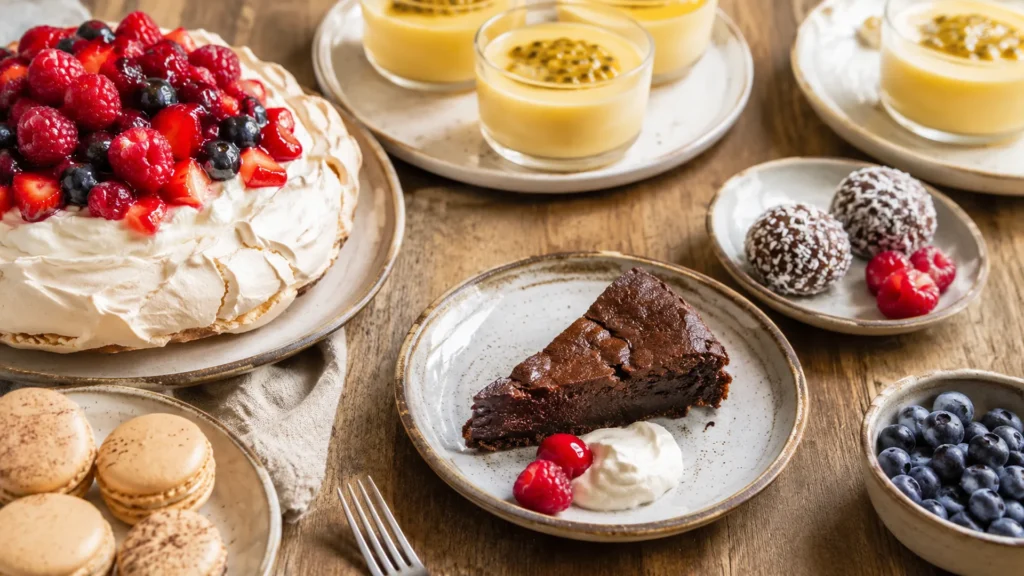
Plenty of classic desserts are naturally gluten free and people do not realize it. Meringues, custards, panna cotta, flourless chocolate cake, most ice creams, macarons made with almond flour, and rice pudding all skip wheat by design. The work usually comes when a recipe leans on wheat flour for body, and that is where a good blend earns its keep. If you want the deep version of the flour question, I wrote a full breakdown over at gluten-free flour types and blends, because choosing the right flour is the single biggest lever you have.
One thing I want to clear up early. Gluten free does not mean sugar free, low carb, or healthy. A gluten free cookie can carry just as much sugar and butter as any other. People new to the diet sometimes assume the label means light, and it does not. If you are managing celiac disease, the point is avoiding the protein, full stop, and the rest of the nutrition reads exactly like a regular dessert.
Flours and Starches That Carry the Load
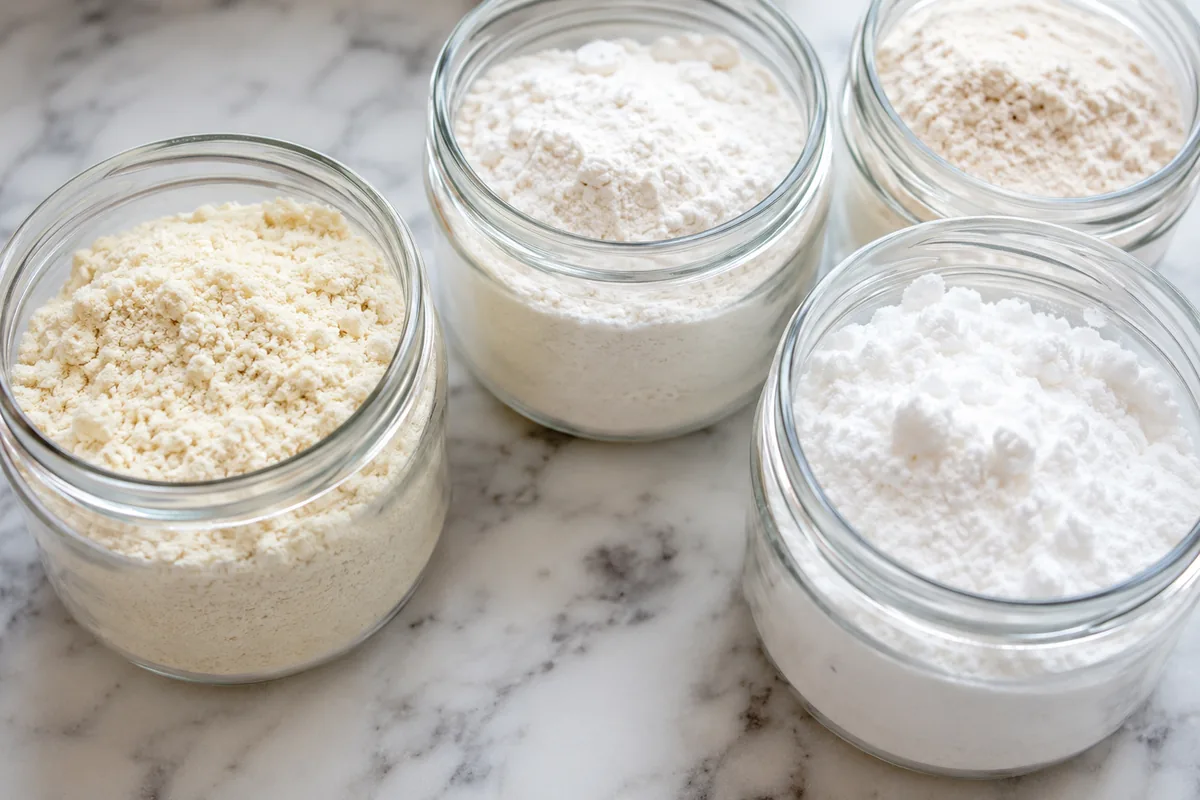
No single gluten free flour behaves like wheat, so most reliable recipes use a blend. The blend balances a base flour with a binder and a starch, and each part does something specific. Here is how I think about the common players.
If you do not want to mix your own, a measure for measure blend is the safest starting point. Bob’s Red Mill 1-to-1, King Arthur Measure for Measure, and Cup4Cup are the three I reach for, and all three already include xanthan gum, which acts as the binder that replaces gluten’s stretch. Read the bag, because some blends do not include gum and you will need to add about a quarter teaspoon per cup yourself or your cake will crumble.
Coconut flour is the one that catches people. It drinks liquid like a sponge, so you cannot swap it one for one with anything. A recipe built around coconut flour usually wants a lot more egg and liquid than you expect. If a batter looks normal when you mix it, it will be a brick once baked, so trust the recipe rather than your eye.
Naturally Gluten Free Sweets Worth Knowing
When I want a guaranteed win, I lean on desserts that never needed wheat. Flourless chocolate cake is the headliner. It is mostly chocolate, butter, eggs, and sugar, and it bakes into a dense, fudgy round that no one would guess is gluten free. Meringue based desserts like pavlova give you height and crunch from nothing but egg whites and sugar. Custards, pots de creme, and creme brulee set with eggs alone. If you also avoid dairy or eggs, the team at VeganStove keeps a useful library of vegan dessert recipes that you can cross check against gluten free swaps when you need both.
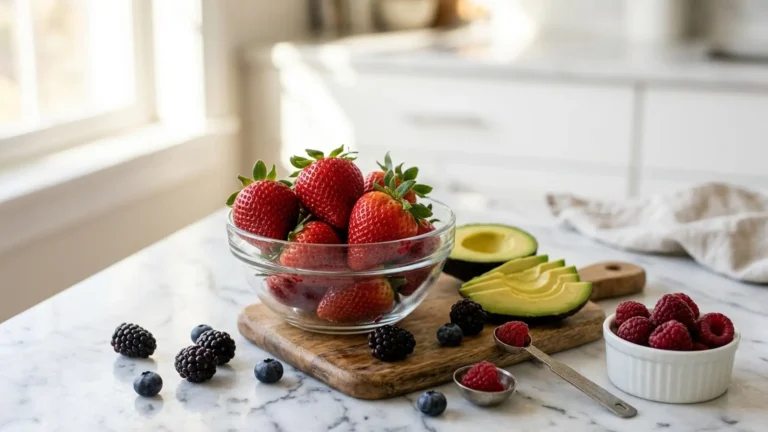
Rice based puddings, flan, and coconut milk panna cotta round out the list. For a fruit forward option, a crumble works beautifully if you build the topping from certified oats, almond flour, butter, and sugar instead of wheat. The fruit does not care, and the topping crisps up just fine. Chocolate is its own small minefield because of add-ins and shared equipment, so before you melt a bar into a ganache, it is worth checking my notes on which chocolate brands are actually safe.
If you want a sauce to pour over any of these, a dessert sauce can make a plain custard feel finished. My friends over at SauceGrove keep a solid roundup of dessert sauces you can spoon over gluten free bakes, and most of them are naturally wheat free since they start from fruit, cream, or chocolate. Always glance at the label anyway, because thickeners are the usual culprit.
Hidden Gluten and Cross Contamination
This is the section that matters most if you are baking for someone with celiac disease. The ingredients can all be clean and you can still serve a contaminated dessert. Gluten hides in places that look innocent. Here are the ones that have burned me or people I know.
Oats deserve a longer note. Oats themselves do not contain gluten, but they are almost always grown and milled near wheat, so standard oats are off limits for celiacs. Certified gluten free oats are processed to avoid that contact. There is also a small group of people with celiac disease who react to avenin, a protein in oats, even when the oats are certified, which is documented in the research literature on oats in the gluten free diet. If you bake for someone newly diagnosed, introduce oats carefully and watch how they respond.
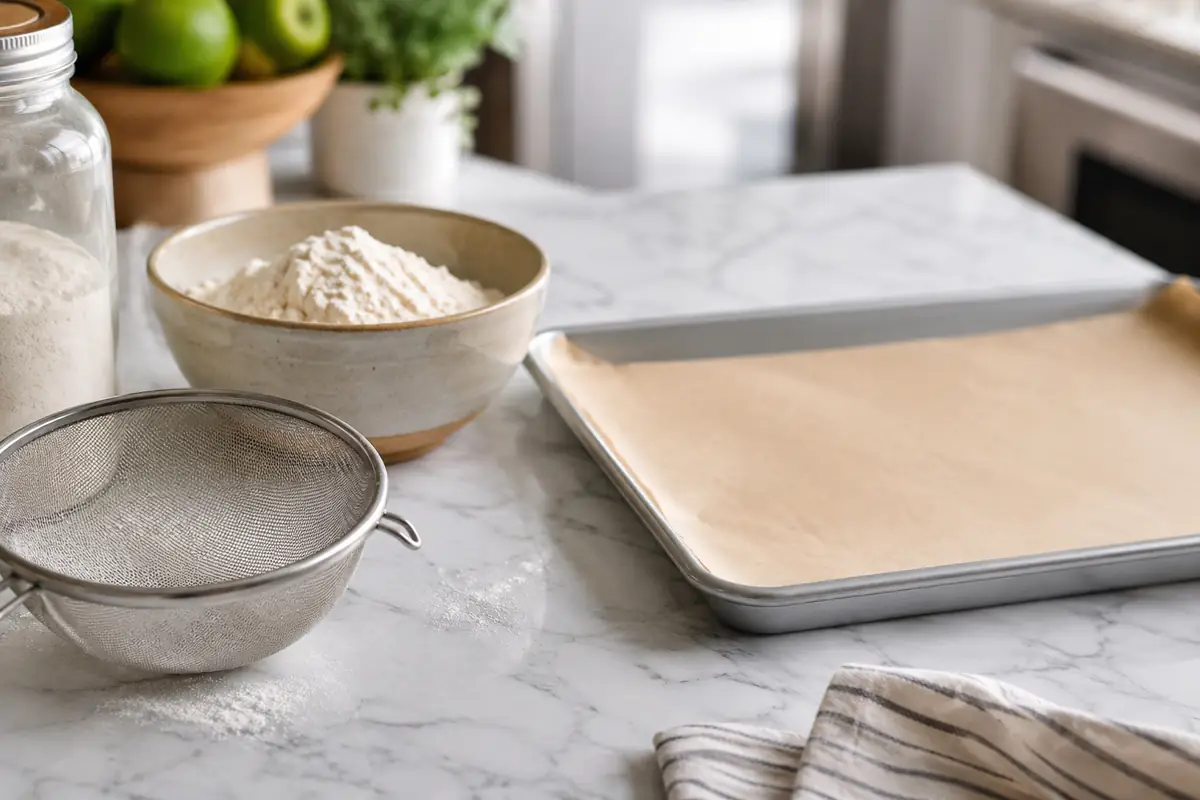
Cross contamination in your own kitchen is the other half. Shared flour is the worst offender, because wheat flour goes airborne and settles on every surface for hours. If your kitchen handles both, bake the gluten free items first, use separate sifters and parchment, and wipe down counters. A wooden spoon or a scratched plastic cutting board can hold gluten in its grooves, so I keep dedicated tools for celiac baking. The national health guidance on eating with celiac disease backs up how strict this needs to be, since even crumbs can trigger a reaction.
Reading Labels and Picking Brands
In the United States, a product labeled gluten free has to contain less than 20 parts per million of gluten, which is the threshold regulators set as safe for most people with celiac disease. That label is your fastest filter. When a package carries a certification mark from a third party group, that usually means even tighter testing, often down to 10 parts per million. I trust those marks more than a plain claim, especially for shared facility products.
Words to watch for in an ingredient list are wheat, barley, rye, malt, brewer’s yeast, and triticale. Malt is the sneaky one in sweets, since malt flavoring and malt extract come from barley and show up in cocoa mixes and some chocolate coatings. The patient resource at MedlinePlus on celiac disease keeps a plain language rundown of which grains and additives to avoid, and I send newly diagnosed friends there first.
For ready made desserts, dedicated gluten free brands are worth the premium when you cannot vouch for a kitchen. For graham cracker crusts specifically, which a lot of cheesecakes and pie bases need, I dug into the safe options in my guide to gluten free graham crackers, because the standard boxes are pure wheat and trip up an otherwise clean dessert.
Common Mistakes and How to Fix Them
The number one mistake is treating a gluten free blend exactly like wheat flour and walking away. Gluten free batters need rest time. Letting a cookie dough or cake batter sit fifteen to thirty minutes lets the starches hydrate, which kills that sandy, gritty texture people complain about. I set a timer and do the dishes while it rests.
Mistake two is skipping the binder. Without xanthan gum, psyllium, or enough egg, gluten free cakes crumble and cookies spread into puddles. If your blend does not include gum, add it. Mistake three is overbaking. Gluten free bakes dry out faster because they hold moisture differently, so pull them a couple of minutes earlier than a wheat recipe would tell you. A toothpick with a few moist crumbs is done, not a clean dry one.
The fourth one is overmixing or undermixing. With wheat you fear overmixing because you build too much gluten. Gluten free flour has none to build, so you can actually mix more thoroughly to get an even crumb, but coconut and almond batters still want a gentle hand to stay tender. The last mistake is trusting a recipe that was never tested gluten free. A wheat cake recipe with the flour swapped one for one will sometimes work and sometimes flop. Start with recipes written for gluten free baking, then branch out once you know how your blend behaves.
A sixth mistake worth naming is not weighing your flour. Gluten free blends pack and settle differently than wheat, so a scooped cup can hold a very different amount from one day to the next, and that swing shows up as a dry or dense bake. A kitchen scale fixes it. When a recipe gives grams, use them, because the gram weight is far more reliable than a cup measure with these flours. The last thing I will flag is moisture. Gluten free batters often need a little more liquid or fat than you expect, and they benefit from an extra egg or a spoon of yogurt or applesauce to keep them from drying out. If your bakes keep coming out dry no matter what, add moisture before you blame the flour.
Building a Dessert Spread for a Mixed Crowd
When I host and half the table eats wheat, I plan the whole dessert table gluten free rather than running two tracks. It is less stressful and no one feels singled out. A flourless chocolate cake, a bowl of berries with whipped cream, and a tray of meringues will satisfy everybody, and no guest can tell the difference. The trick is choosing sweets that are naturally wheat free so the bar for execution stays low.
If you do bake one wheat dessert alongside, keep it physically separate with its own serving spoon, and label everything so a celiac guest is not guessing. Shared serving utensils are a quiet way crumbs travel from a regular cake to a gluten free one. I put a small card by each dish noting what it is. For weeknight cravings rather than parties, my roundup of safe gluten free snacks covers the store bought sweet options I keep on hand when I do not feel like baking at all.
Storage is the other half of a mixed crowd. Gluten free bakes dry out faster, so I keep them in airtight containers and serve them the day I make them when I can. A naturally gluten free dessert like flourless cake or panna cotta actually holds up better over a day or two than a converted cake, which is one more reason I default to the naturally wheat free options when feeding a group.
Make Ahead and Storage for Gluten Free Sweets
Gluten free desserts reward planning, because most of them either hold beautifully or fall apart depending on the type, and knowing which is which saves you stress on the day. Custards, panna cotta, flan, and mousse are make ahead dreams. They need to set in the fridge for hours anyway, so building them a day early is the right move, not a shortcut. They keep their texture for two to three days covered.
Baked gluten free cakes and cookies are the opposite. They stale faster than their wheat versions because the starches release moisture quickly, so they are best the day they are baked or frozen right away. I freeze cake layers and cookie dough constantly. A gluten free cake layer wrapped tight freezes for weeks and thaws with no loss, and frozen cookie dough balls let me bake a few fresh whenever a craving hits rather than committing to a whole batch. Meringues are their own case. They keep for a week or more in an airtight tin if your kitchen is dry, but they go sticky and weep the moment humidity gets to them, so seal them well.
The freezer is the single best tool a gluten free baker has. Because store bought gluten free desserts are expensive and not always trustworthy, having safe homemade options in the freezer means you are never stuck choosing between a risky purchase and going without. I keep a labeled stash of cookie dough balls and a cake layer or two at all times.
Frequently Asked Questions
Are all flourless desserts automatically gluten free?
Usually yes, but not always. Flourless chocolate cake, meringues, and most custards skip wheat entirely. The catch is the supporting ingredients. Baking powder, vanilla flavoring, chocolate with add-ins, or a cooking spray can still carry gluten, so a flourless dessert is only safe if every component checks out.
Can I substitute a gluten free blend for wheat flour one to one?
With a measure for measure blend that includes xanthan gum, most cake and cookie recipes convert well. Single flours like almond, coconut, or rice do not swap one to one because they absorb liquid differently. Coconut flour especially needs far more egg and liquid, so follow a recipe built for it rather than guessing.
Why do my gluten free desserts come out gritty?
Grittiness usually comes from rice flour that has not had time to hydrate. Let the batter or dough rest fifteen to thirty minutes before baking so the starches soften. Using a finely milled blend and adding a little extra fat or moisture also smooths the texture.
Is it safe to use the same kitchen for gluten free and regular baking?
It can be, with care. Bake gluten free items first before wheat flour goes airborne, use separate parchment, sifters, and utensils, and wipe surfaces down. Replace scratched cutting boards and porous wooden tools used for wheat. For someone with celiac disease, even trace crumbs can cause a reaction, so strict separation matters.