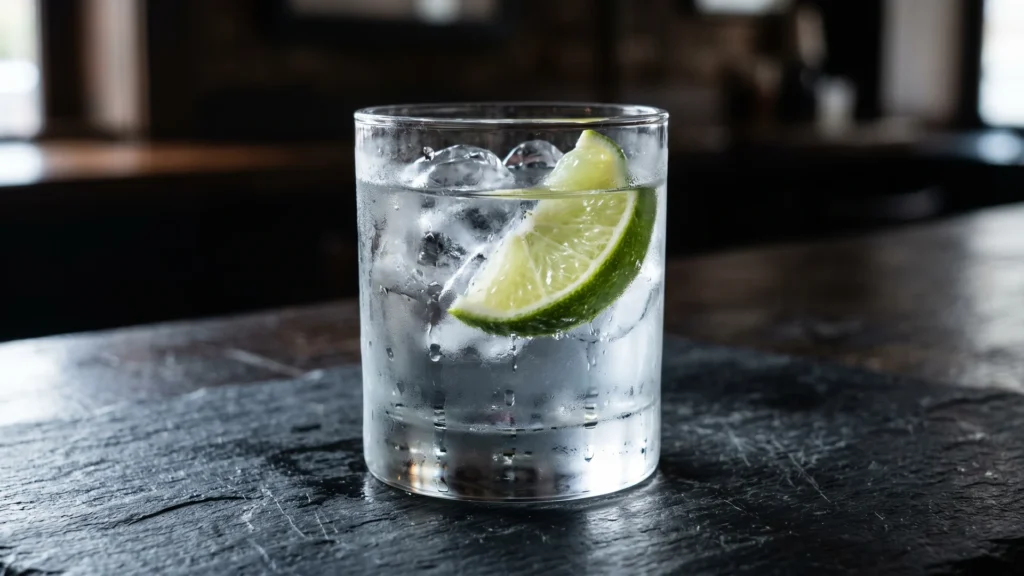
Gluten free vodka is one of the most confusing topics in the whole gluten free world, because the honest answer has two halves that seem to contradict each other. Here is the short version: almost all distilled vodka, even vodka made from wheat, rye, or barley, is considered gluten free, because distillation removes the gluten proteins. At the same time, a small number of vodkas add ingredients after distillation, and flavored vodkas in particular can reintroduce gluten or other problems. So the safe move is not to memorize a brand list, it is to understand why distillation works and where the exceptions hide. I have spent years helping celiac readers navigate exactly this, and once you understand the mechanism, you can walk into any liquor store and make a confident call.
This guide explains why distilled vodka is gluten free even when the grain is not, who should still choose a vodka distilled from a naturally gluten free base, how flavored vodkas change the math, and how to keep the whole drink safe once you start mixing. By the end you will not need anyone to hand you an approved list, because you will know how to read the bottle yourself.
Why Distillation Makes Vodka Gluten Free
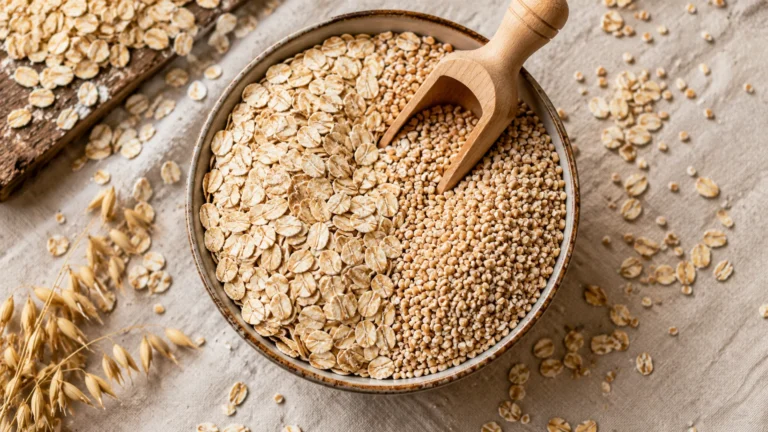
The science is the reassuring part. Gluten is a protein, and proteins are heavy molecules that do not vaporize at the temperatures used to distill spirits. When a fermented wheat or rye mash is distilled, the alcohol vapor rises and is collected while the heavy gluten proteins stay behind in the leftover mash. The distillate that becomes vodka is, by the nature of the process, free of the gluten that was in the original grain. This is why the US Food and Drug Administration position, and the consensus of major celiac organizations, is that distilled spirits are gluten free even when made from a gluten grain.
If you want the underlying chemistry, the encyclopedia overview of distillation lays out clearly why heavy compounds separate from the lighter alcohol vapor. The practical upshot is that the base grain of a plain, unflavored vodka is not the thing that determines its safety. A wheat vodka and a potato vodka, both properly distilled and not adulterated afterward, are equally gluten free. That single fact dissolves most of the worry people carry into the liquor aisle.
The Reaction Some People Still Report
Here is where honesty matters. Despite the science, a minority of people with celiac disease or strong sensitivity report reacting to vodka distilled from gluten grains. The medical consensus is that pure distillate contains no gluten, so a reaction is more likely tied to an added ingredient, a flavoring, cross-contact in production, or an unrelated sensitivity. But lived experience is real, and if you consistently feel unwell after gluten-grain vodka and fine after a potato or corn vodka, that pattern is worth respecting regardless of what the chemistry says. The cost of choosing a naturally gluten free base is essentially zero, so for peace of mind it is a reasonable hedge.
Vodkas Distilled From Naturally Gluten Free Bases
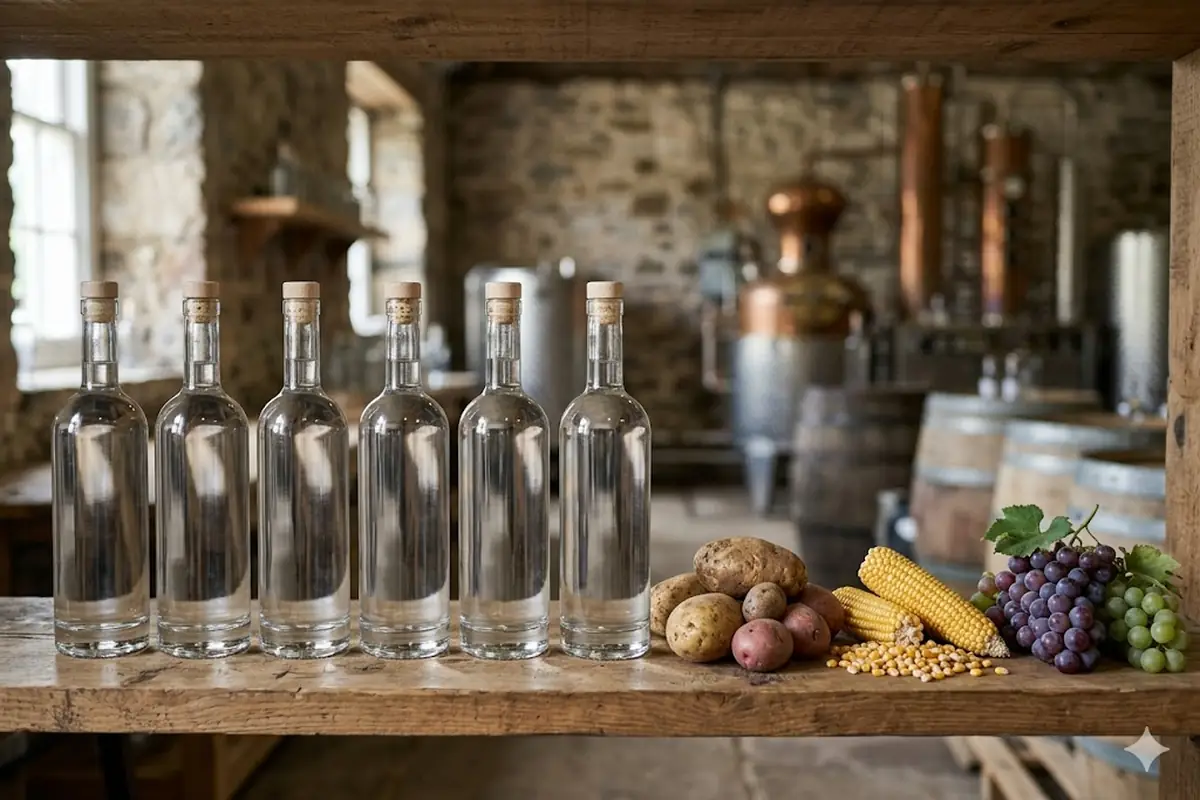
If you would rather sidestep the whole debate, choose a vodka made from a base that never contained gluten in the first place. These give you a double layer of assurance: no gluten in the source and no gluten through distillation. They are widely available and have become a major category precisely because gluten free drinkers ask for them.
The common naturally gluten free bases are potato, corn, grape, and sugar cane. Potato vodka is the classic choice and tends to have a fuller, rounder mouthfeel. Corn-based vodka is often smooth and slightly sweet. Grape-based vodka is clean and a little fruity. Any of these lets you skip the gluten-grain question entirely. Several of these brands also carry a gluten-free label or certification, which is the strongest assurance you can get on a bottle. If a brand markets itself as gluten free and lists a potato, corn, or grape base, you have belt and suspenders.
Choosing a Vodka by Base: A Closer Look
If you decide to go the naturally gluten free route, it helps to know how each base actually tastes, because the base does shape the character of the spirit even though it does not change the gluten safety of a plain distillate. Potato vodka is the heavyweight of the group, with a creamy, full-bodied mouthfeel and a faintly earthy sweetness that holds up beautifully in a martini or sipped chilled. It is the base many gluten free drinkers gravitate to first, both for the texture and because potato is unmistakably gluten free at the source.
Corn-based vodka tends to be the smoothest and softest, with a hint of natural sweetness that makes it an easy mixer and a gentle sipper. It is a forgiving base for cocktails because it does not fight the other ingredients. Grape-based vodka, made from the same fruit as wine, comes out clean and slightly fruity with a light body, which suits bright, citrus-forward drinks. Sugar cane vodka is rarer but exists, bringing a subtle sweetness similar to a very light rum. None of these is better than another on safety grounds, so the choice comes down to the flavor and texture you want in the glass.
The practical advice: if you are building a celiac-safe home bar, a single good potato or corn vodka covers almost every cocktail you will make, from a clean martini to a tall mixed drink. Add a labeled gluten free bottle and you have removed every layer of doubt. There is no need to own a shelf of specialty spirits when one well-chosen, naturally gluten free vodka does the job across the board.
The Real Risk: Flavored and Adulterated Vodka
Plain vodka is the easy case. Flavored vodka is where caution earns its keep. After distillation, makers can add flavorings, sweeteners, colorings, and other ingredients, and any of those can introduce gluten or other allergens that were not in the distillate. A flavoring derived from a malt base, or a thickener or natural flavor with a gluten-containing carrier, can land in the bottle after the safe distillation step has already done its job. Because additives are not always spelled out in detail on a spirits label, flavored vodka is genuinely harder to verify than plain.
The table below sums up how I tier vodka by risk, so you can place any bottle quickly.
The practical rule: plain distilled vodka is safe across the board, naturally gluten free bases add reassurance, and flavored vodkas require you to check the specific product with the maker if you are celiac. When a flavored bottle does not clearly state it is gluten free, the safest path is to build the flavor yourself by mixing a plain safe vodka with fresh fruit, juice, or a known-safe syrup.
Keeping the Whole Drink Gluten Free
The vodka can be perfectly safe and the cocktail can still get you, because mixers are a common hiding spot for gluten. Most sodas, tonic, and citrus juices are fine, but a few mixers and pre-made cocktail mixes use ingredients that are not. Beer-based cocktails are an obvious no, but the subtler traps are things like certain bloody mary mixes, which can contain wheat-based ingredients or malt, and some flavored syrups. The discipline is the same one that keeps any gluten free meal safe: read every component, not just the headline ingredient.
This matters even more at a party, where a single shared bar setup mixes safe and unsafe bottles. If you are hosting, it is easy to build a gluten free bar by sticking to plain distilled vodka, fresh juices, and known-safe mixers, then setting out gluten free snacks so guests are not tempted by a shared bowl of wheat crackers. A spread of gluten free party dip sauces with cut vegetables and certified chips covers the savory side, and a tray of no-bake no-bake cookies handles dessert without a single crumb of wheat in the room. Pairing safe drinks with safe food is how you keep a gathering relaxed instead of risky.
Building Gluten Free Vodka Cocktails
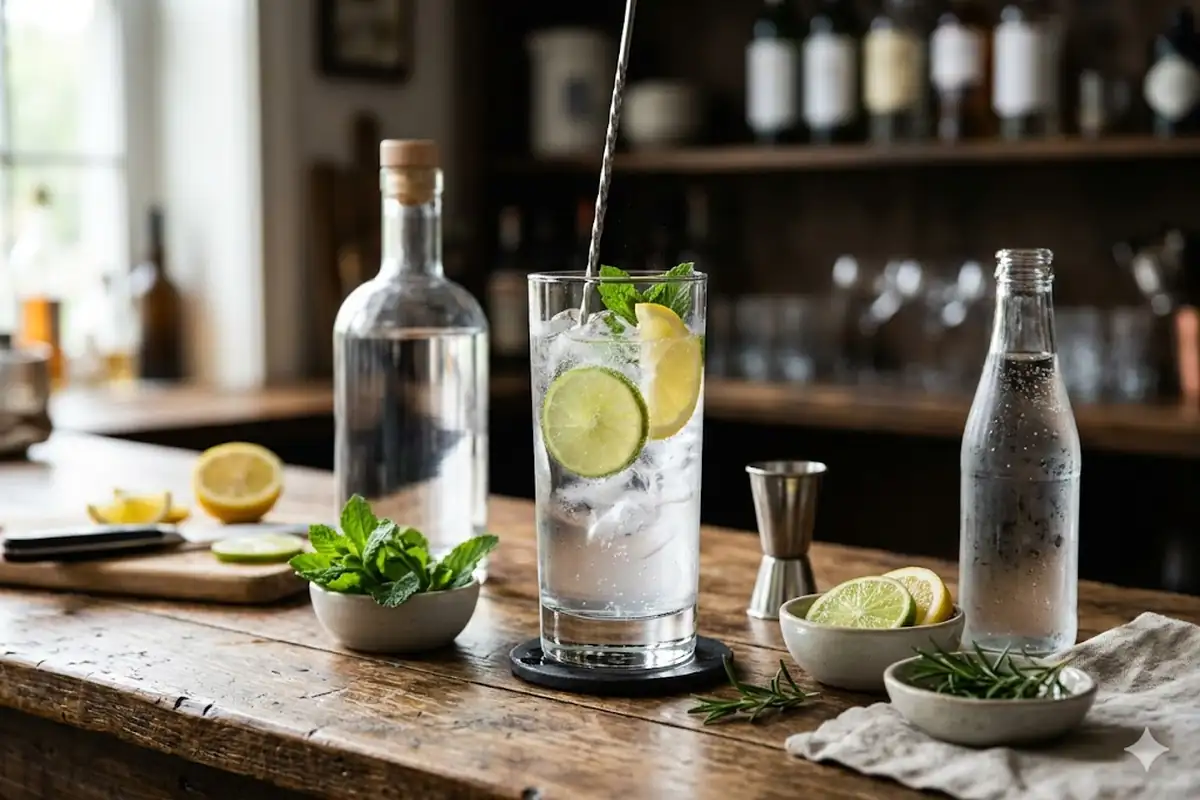
Once you have a safe bottle, the cocktail world opens up, because vodka is the most flexible spirit there is. The simplest and safest drinks are the classics built on whole ingredients. A vodka soda with fresh lime is bulletproof: plain vodka, club soda, and a real lime wedge, with nothing that could carry gluten. A vodka and tonic works the same way, since tonic water is gluten free. A screwdriver with fresh orange juice, a vodka cranberry with pure cranberry juice, and a salty dog with grapefruit are all naturally safe when you use real juice rather than a sugary mix.
Where you have to slow down is anything pre-mixed. Bottled margarita and cocktail mixes, some flavored simple syrups, and certain bitters can carry gluten, and a few are unclear about it. The most notorious example is the bloody mary, because some prepared bloody mary mixes contain Worcestershire sauce or other ingredients with wheat-based components. To make a safe bloody mary, build it from tomato juice, a certified gluten free Worcestershire substitute, fresh lemon, and your own seasonings. The principle is the same one that governs cooking: when you control the components, you control the gluten. A homemade cocktail from whole ingredients is almost always safer than a bottled mix, and it tastes better too.
For a party, a large-format punch built on plain vodka, fresh juices, and sliced fruit lets everyone serve themselves from one safe vessel, which removes the risk of a shared bar where someone reaches for the wrong bottle. Garnish with citrus and berries rather than anything processed, and you have a centerpiece drink that every gluten free guest can enjoy without a second thought.
Drinking Out and Traveling Gluten Free
A bar is a harder environment to control than your own kitchen, so a few habits keep you safe when you are out. Order plain, named-brand vodka rather than the well pour when you can, because you can verify a specific brand far more easily than an unlabeled bottle behind the bar. Stick to simple builds, a vodka soda or a vodka and tonic with fresh citrus, which use ingredients the bartender can point to. Avoid the frozen-machine drinks and the pre-batched cocktails, since those are the ones most likely to contain a mystery mix.
The subtler risk at a bar is cross-contact, though for a distilled spirit poured into a clean glass it is minimal. The bigger issue is the garnish and the mixer, so ask for a fresh wedge rather than a pre-cut tray that might have touched a wheat-based snack, and request your drink without the splash of an unidentified mix. Most bartenders are happy to accommodate a clear, simple request. When you travel internationally, remember that labeling standards differ by country, so the gluten free assurance you rely on at home may not appear on the same brand abroad, which is another reason plain distilled vodka, safe by process anywhere, is the traveler’s friend.
How Vodka Compares to Other Drinks
Vodka is actually one of the easier spirits for gluten free drinkers, precisely because distillation does the heavy lifting. The same logic applies to other distilled spirits like gin, tequila, and rum, which are gluten free for the same reason as long as nothing problematic is added afterward. The drinks that cause real trouble are the undistilled or partially processed ones. Beer is the big one, since it is brewed from barley and not distilled, which is why a gluten-reduced lager raises a different and more complicated question than vodka does, as I cover in the breakdown of whether Bud Light counts as gluten free.
Fermented rice and grain drinks sit in their own categories, and each has to be judged on its own process. Whether sake is gluten free depends on the rice base and any additives, the answer for soju shifts with how a given bottle is made, and the honey-based world of mead brings its own questions about added grains. The throughline is simple: distilled spirits like vodka are the safe, predictable end of the spectrum, while brewed and fermented drinks need a closer look.
For the broader picture of how vodka is made and regulated, the overview of vodka is a useful reference, and for the official US framing of when a distilled product can be labeled gluten free, the Celiac Disease Foundation guidance is the plain-language source I trust.
FAQ
Is vodka made from wheat gluten free?
Yes. Distillation removes gluten proteins, which are too heavy to vaporize and carry over with the alcohol, so a properly distilled vodka is considered gluten free even when made from wheat, rye, or barley. The base grain of a plain, unflavored, unadulterated vodka does not determine its gluten safety. The exception is anything added after distillation.
Should celiacs choose potato or corn vodka instead?
It is not required, but it is a reasonable hedge. The science says distilled wheat vodka is gluten free, yet some people report reacting to gluten-grain spirits anyway. Since potato, corn, and grape vodkas cost about the same and remove the question entirely, many celiacs choose them for peace of mind. A brand with a gluten-free label and a naturally gluten free base is the strongest assurance.
Are flavored vodkas gluten free?
Not always. Flavorings, sweeteners, and colorings added after distillation can introduce gluten, and spirits labels do not always detail every additive. Treat flavored vodka as the category that needs verification: choose one that clearly states it is gluten free, or build the flavor yourself by mixing a plain safe vodka with fresh fruit or a known-safe syrup.
What mixers should I watch out for in a vodka drink?
Most sodas, tonic, and citrus juices are safe, but some pre-made cocktail mixes and flavored syrups are not, and certain bloody mary mixes can contain wheat-based ingredients or malt. Read every component of the drink, not just the vodka, and when hosting, stick to fresh juices and known-safe mixers so the whole bar is gluten free.
The Bottom Line
Gluten free vodka comes down to one principle and one exception. The principle: distillation removes gluten, so plain distilled vodka is gluten free even from a wheat base. The exception: anything added after distillation, especially in flavored vodkas, can reintroduce gluten and needs checking. For maximum peace of mind, pick a labeled gluten free vodka with a naturally gluten free base like potato or corn, watch your mixers, and you can drink with confidence. Once you understand the mechanism, you never have to rely on a memorized brand list again.