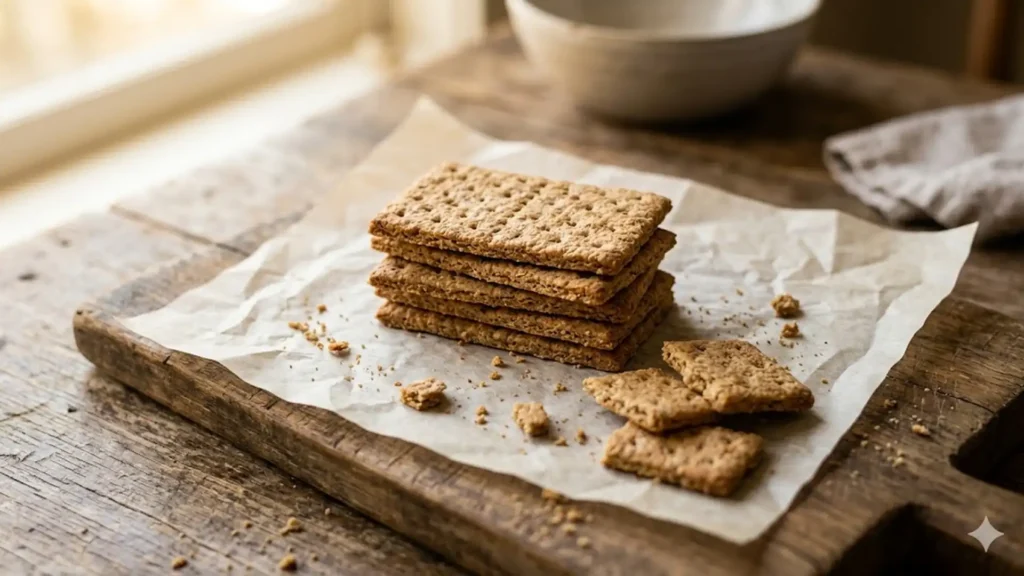
Gluten free graham crackers used to be the one thing you simply gave up when you went gluten free, because the classic cracker is built on graham flour, which is a coarse whole wheat. The good news in 2026 is that you no longer have to. A handful of dedicated brands now make a honey-sweet, snappy cracker that toasts and crumbles like the original, which means s’mores, cheesecake crusts, and pie bases are all back on the table. But the category is uneven. Some boxes nail the flavor and the snap, others go soft or taste faintly of cardboard, and a few hide cross-contact risks that matter if you have celiac disease. I have bought, tasted, and baked with most of what is on US shelves, and this guide sorts the genuinely good from the merely available, then shows you how to make your own when you want full control.
Whether you need crackers for a campfire, a crust, or a lunchbox, the right pick depends on what you are doing with them. A cracker that is perfect straight from the box can crumble too fast in a crust, and a sturdy baking cracker can taste a little plain on its own. So I will walk through the best brands, the traps to watch on the label, the best uses for each, and a simple homemade route that beats every box on flavor.
Why Regular Graham Crackers Are Never Gluten Free
The whole identity of a graham cracker is graham flour, a coarsely ground whole wheat named for Sylvester Graham, the 19th-century reformer who championed it. That means a traditional graham cracker is wheat from the ground up, not a borderline case. There is no version of the classic recipe that is accidentally gluten free, which is why every gluten free graham cracker on the market is a deliberate reconstruction using rice flour, sorghum, tapioca, and other gluten free starches engineered to mimic that toasty, slightly sweet crumb. If you want the history of how the cracker got its name and its original health-food purpose, the entry on the graham cracker is a quick and genuinely interesting read.
Understanding that these are reconstructions, not naturally gluten free foods, sets the right expectation. The best ones get remarkably close to the original, but they are a different animal made from different flours, and they behave differently when you bake with them. That is not a knock, it is just the reality of rebuilding a wheat product without wheat.
The Best Gluten Free Graham Cracker Brands
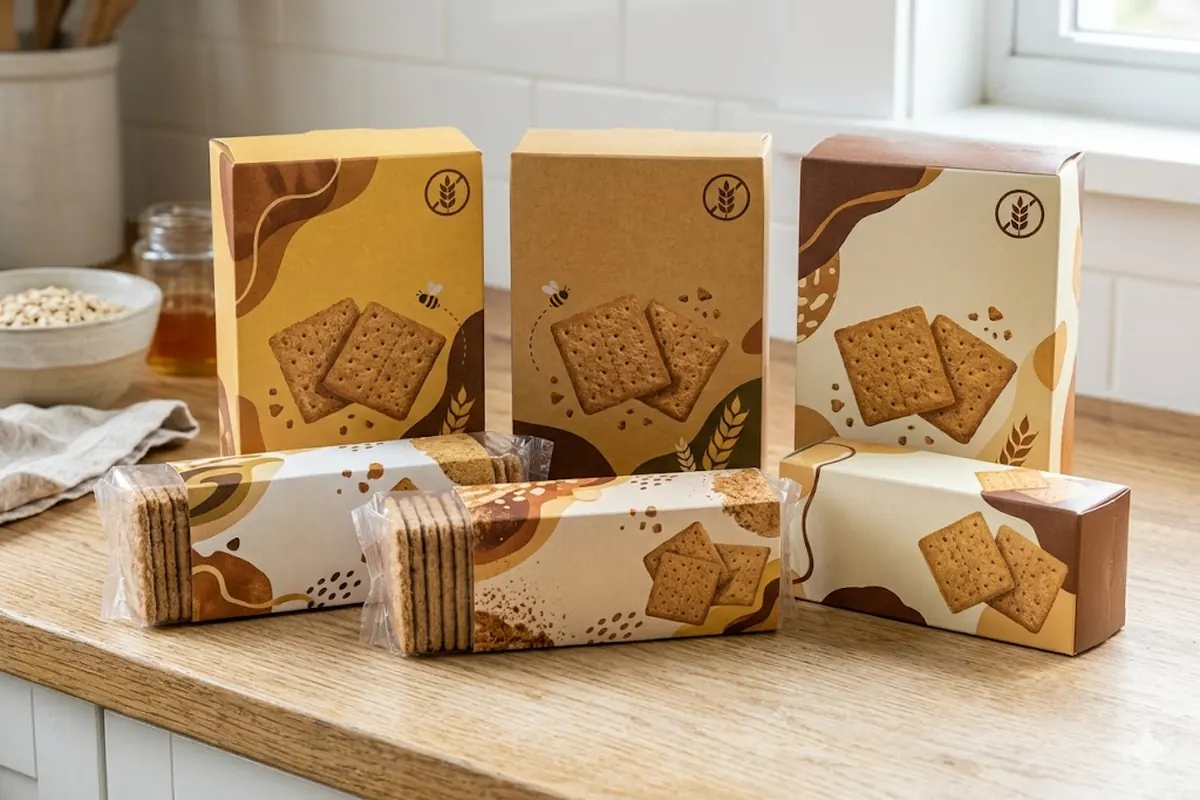
A few brands have separated themselves from the pack on flavor, texture, and reliability. These are the ones I keep recommending because they deliver the honey-graham profile and a clean snap rather than a sad, soft wafer.
The standouts are the dedicated gluten free bakers who treat the graham cracker as a flagship product rather than an afterthought. The table below sums up how I steer people based on what they want the cracker to do, since the best box for snacking is not always the best box for a crust.
Beyond the headliners, you will sometimes find store-brand or regional gluten free grahams, and a few are good, but consistency varies more than with the dedicated brands. My rule is simple: if I am building something where the cracker is the star, like s’mores, I buy a brand I trust on flavor. If the cracker is getting crushed into a crust, where texture matters more than nuance, I have more room to use whatever certified box is on sale.
Reading the Label: Where Gluten Hides
Even in a category built specifically for the gluten free shopper, the label still deserves a careful look, because not every box that lacks wheat is verified safe. The distinction that matters across the whole gluten free aisle applies here too: there is a difference between a product made without gluten ingredients and one certified to contain less than 20 parts per million of gluten. For celiac disease, the certification is the assurance you want, since shared equipment can introduce trace gluten even when the recipe is clean.
Look for a gluten-free label or a third-party certification mark on the box, not just a front-of-pack claim. Then scan two more things. First, the allergen statement, because some gluten free grahams are made in facilities that also handle wheat and will say so. Second, the oat question: a few brands use oat flour, and while certified gluten free oats are safe for most people, a minority of celiacs react to oats, so check whether the oats are certified and decide based on your own tolerance. The Celiac Disease Foundation keeps a clear running list of where gluten hides in packaged foods, which is the reference I send people to when a label leaves them unsure.
The Honey and Malt Catch
One sneaky trap specific to sweet crackers is malt. Barley malt and malt flavoring show up in some cracker and cereal products as a sweetener or color, and barley malt is not gluten free. A graham cracker is unlikely to use it if it is marketed gluten free, but if you are ever evaluating a borderline or imported product, scan the ingredient list for the word malt. It is the kind of thing that slips past people who are only looking for the word wheat. When in doubt, a certified gluten free box removes the question entirely.
Best Uses: Snacking, S’mores, and Crusts
How you plan to use the crackers should drive which box you buy and how you handle them. For straight snacking and for s’mores, flavor and snap are everything, so this is where you spend on the best-tasting brand. A good gluten free graham holds up to a toasted marshmallow and a square of chocolate without going limp, which is the whole point of a campfire s’more.
For a crumb crust, the calculus changes. You are crushing the crackers into fine crumbs and binding them with melted butter and a little sugar, so the cracker’s standalone texture matters less than how finely and evenly it crushes. Gluten free grahams can be a touch more crumbly than wheat, which actually helps here, but they can also absorb butter faster, so start with slightly less butter than a wheat recipe calls for and add more only if the crumbs will not hold a pinch. A no-bake cheesecake or a key lime pie built on a gluten free graham crust is indistinguishable from the wheat version once it sets.
If you love the crushed-cracker, no-bake style of dessert, you have a lot of room to play. The crunchy, candy-bar energy of a gluten-free pretzel treat uses the same crush-and-bind logic, and for an even simpler sweet, a batch of buttery gluten-free shortbread cookies scratches the same toasty-sweet itch when you do not have grahams on hand. For more no-bake inspiration, the no-bake cookies collection is full of crush-and-set ideas that adapt cleanly to gluten free crumbs.
What Goes Into a Good Gluten Free Graham Flour Blend
If you bake your own, the flour blend is where the magic lives, and it is worth understanding even if you start with a store-bought all-purpose gluten free flour. The classic graham flavor comes from a whole-grain character that plain white rice flour cannot deliver on its own. To get close, the best blends lean on a base of brown rice flour or sorghum flour for that nutty, wholesome note, then add tapioca or potato starch for lightness and a clean snap. A small amount of xanthan gum binds the dough so it rolls and holds a cut edge instead of crumbling apart.
The flavor builders matter just as much as the flours. Honey is non-negotiable for an authentic graham taste, and a spoonful of molasses or dark brown sugar adds the toasty, slightly caramel depth that distinguishes a graham cracker from a plain sweet biscuit. A pinch of cinnamon and a little salt round it out. If your store-bought blend already contains xanthan gum, do not add more, or the dough turns gummy. Reading the blend’s ingredient list before you start saves you from doubling up on the binder, which is the most common reason a homemade graham comes out tough rather than crisp.
How to Make Gluten Free Graham Crackers at Home
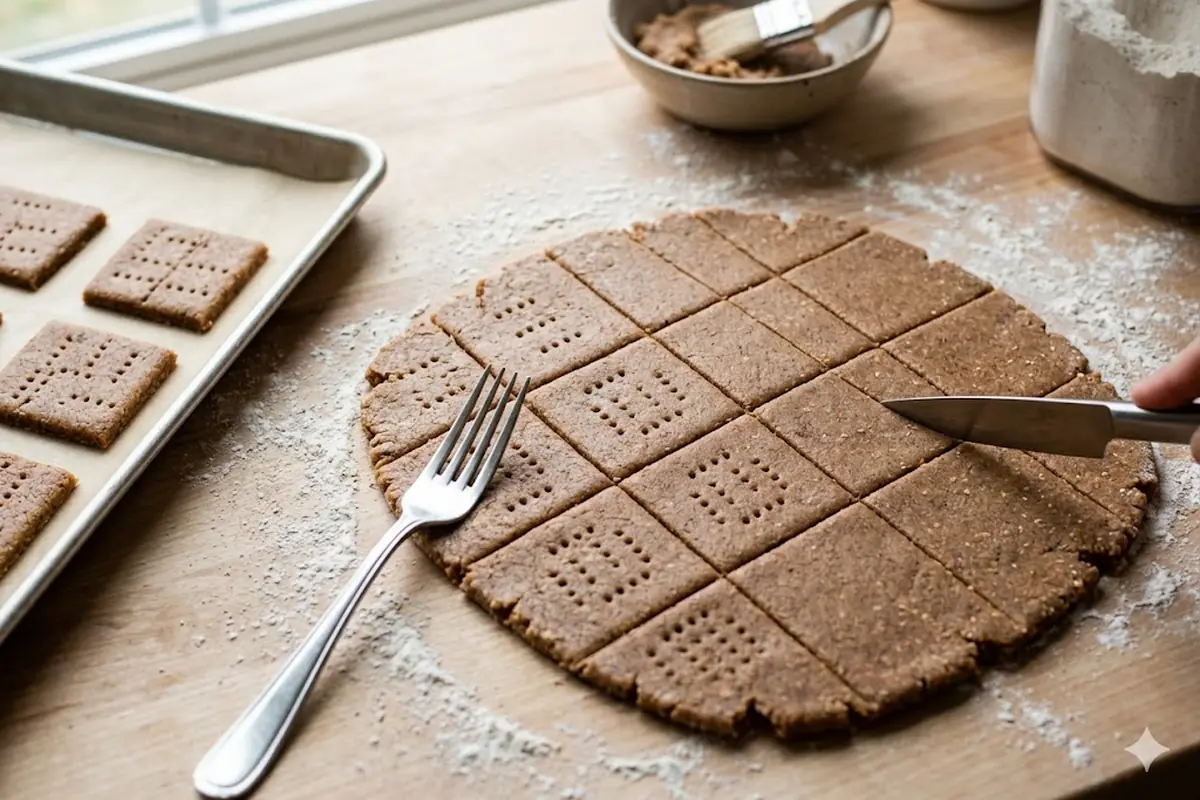
When you want the best flavor, the most control, and the lowest cost per cracker, homemade wins. It is more approachable than people expect, and the payoff is a cracker that tastes fresher and more honey-forward than any box. The core is a gluten free flour blend with a little xanthan gum for structure, honey and brown sugar for that classic graham sweetness, a pinch of cinnamon, and cold butter to keep the dough workable.
The technique that makes or breaks homemade gluten free grahams is chilling and rolling thin. The dough is softer than wheat dough, so chill it firm, roll it between two sheets of parchment to avoid adding flour, and aim for a thin, even sheet so the crackers crisp rather than stay cakey. Score them into squares before baking, prick them with a fork for the signature look, and bake until the edges are deep golden. They firm up as they cool, so pull them when they look just done, not bone dry. Store them airtight and they keep their snap for a week, which is plenty of time to turn them into s’mores or a crust.
Make-Ahead and Storage
Homemade grahams are a great make-ahead project. The unbaked dough freezes well, so you can roll, cut, and freeze the squares, then bake straight from frozen with a minute or two added. Baked crackers also freeze cleanly in an airtight container, which means you can keep a stash for spontaneous s’mores. The main enemy is humidity, which softens any cracker fast, so airtight storage with the crackers fully cooled is the whole game. If they do soften, a few minutes in a low oven crisps them right back up.
Building Better S’mores With Gluten Free Grahams
The s’more is the reason most people care about gluten free graham crackers at all, and there are a few tricks that make a gluten free version every bit as good as the classic. The first is choosing a sturdy cracker, because the s’more puts real stress on the structure: a hot marshmallow, a melting chocolate square, and the squeeze of two crackers pressing together. A flimsy gluten free graham shatters or goes soggy under that load, so this is the one application where I always reach for the brand with the best snap, not the cheapest box.
The second trick is toasting the marshmallow slowly over coals rather than flaming it fast, which gives the inside time to turn molten without the outside collapsing. The third is warming the chocolate slightly, either by setting the square on the cracker near the fire for a minute or by using a chocolate that melts easily, so it fuses with the marshmallow instead of staying a cold, hard slab. Assemble the moment the marshmallow is ready, press gently, and give it thirty seconds for the heat to soften everything into one cohesive bite. Done right, nobody at the campfire can tell the cracker is gluten free.
If you are making s’mores indoors, the broiler or a kitchen torch works, and a gluten free graham actually toasts a touch faster than wheat, so watch it. For a crowd, set up a s’mores bar with a few certified chocolate options and a bowl of marshmallows, most of which are gluten free, and let everyone build their own. Just keep the gluten free crackers on a separate plate so a stray wheat cracker does not cross-contaminate the stack.
Lower-Sugar and Special-Diet Versions
Because you are already making a from-scratch cracker, it is easy to bend the recipe to other needs. Swapping part of the sweetener for a low-carb sugar substitute gives you a graham that fits a reduced-sugar plan, though it changes the browning, so watch the bake closely. If you are cooking for someone watching carbs as well as gluten, the crossover ideas in the keto snacks library show how to keep a cracker satisfying with far less sugar. You can also make the crackers dairy free by using a solid plant-based butter, which behaves much like dairy butter in this dough as long as it is the stick form rather than a soft spread.
The one variable to respect is structure. Gluten free dough relies on the binder and the fat for its hold, so if you cut sugar or swap the fat, keep the xanthan gum and do not over-thin the dough, or the crackers turn fragile. With those guardrails, a gluten free graham cracker is one of the more forgiving from-scratch bakes, which is exactly why it is worth keeping in your rotation.
FAQ
Are any regular graham crackers accidentally gluten free?
No. The defining ingredient of a traditional graham cracker is graham flour, which is a coarse whole wheat, so the classic cracker is always made from wheat. Every gluten free graham cracker on the market is a deliberate reconstruction using gluten free flours like rice, sorghum, and tapioca. There is no mainstream wheat-based brand that happens to be gluten free.
Which gluten free graham cracker brand tastes most like the original?
The dedicated gluten free bakers that treat grahams as a flagship product come closest, delivering the honey-sweet flavor and a clean snap rather than a soft wafer. Taste is personal, so buy one or two trusted brands for snacking and s’mores where flavor matters most, and save the rest for crusts where texture matters more than nuance.
Can I use gluten free graham crackers for a cheesecake crust?
Yes, and they work beautifully. Crush them fine, bind with melted butter and a little sugar, and press firmly into the pan. Gluten free grahams can absorb butter faster than wheat, so start with slightly less butter than a wheat recipe calls for and add more only if the crumbs will not hold together when pinched.
Do gluten free graham crackers contain oats, and is that a problem?
Some brands use oat flour. Certified gluten free oats are safe for most people with celiac disease, but a minority react to oats specifically, so check whether the oats are certified gluten free and decide based on your own tolerance. If oats are a concern for you, choose a brand built on rice and sorghum instead.
The Bottom Line
Gluten free graham crackers are one of the clearest comeback stories in the gluten free aisle: dedicated brands now make a cracker good enough for s’mores and crusts, and a from-scratch batch beats them all on flavor. Buy a certified box you trust for snacking, keep a cheaper certified option around for crushing into crusts, and read the label for the malt and oat catches if you are celiac. When you want the best version, make your own, chill the dough firm, roll it thin, and bake to a deep golden edge. Either way, the graham cracker is firmly back on the gluten free table.