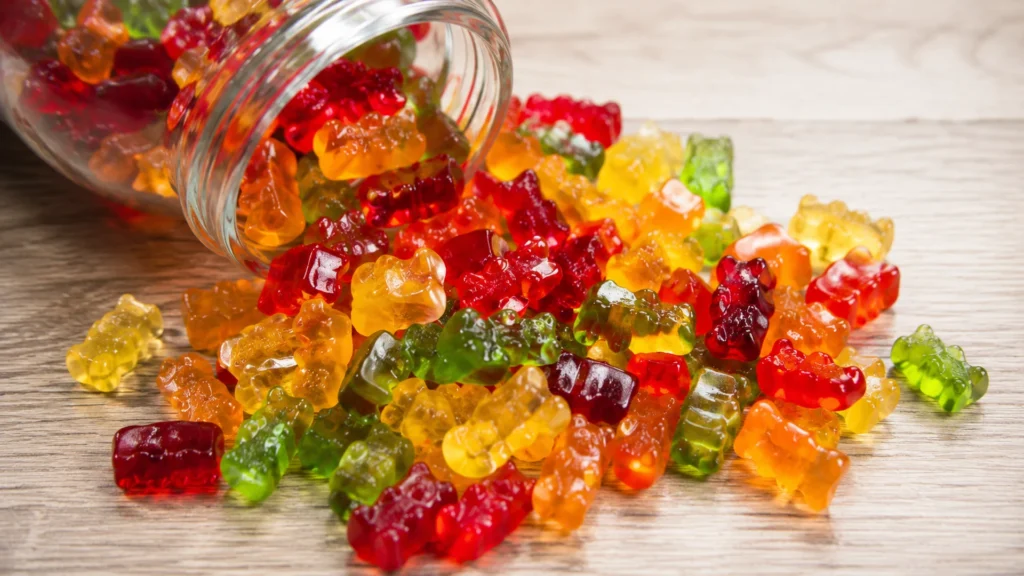
Gluten free gummy bears sound like they should be a non issue, since a gummy bear is mostly sugar, gelatin, and flavor, none of which start out as wheat. That is exactly why people let their guard down and then get caught. I am Maeve, I keep a celiac kitchen, and candy is one of the categories that has burned my family more than once, because the gluten in gummies does not come from where you expect. This guide explains what a gummy bear is actually made of, where gluten can sneak in, which mainstream brands are safe, what to do about vegan and pectin versions, and how to make a clean batch at home when you want zero doubt. By the end you will be able to scan a bag in the candy aisle and know in ten seconds whether it belongs in your cart.
Candy gets weird because the rules are not about the obvious ingredients. A gummy bear has no flour in it. The risk lives in additives, coatings, and the factory it was made in. So let me walk through the parts.
What a Gummy Bear Is Actually Made Of
A classic gummy bear is a short list. Sugar, corn syrup or glucose syrup, gelatin, water, citric acid, flavoring, and coloring. Gelatin is the part that gives the chew, and it comes from animal collagen, not from grain, so gelatin itself is gluten free. Sugar and corn syrup are gluten free. Citric acid is gluten free in practice, even though it is fermented, because the final product is purified. So far the base recipe looks clean.
The trouble is everything that hangs off that base. Some gummies use wheat based glucose syrup, mostly in Europe, though it is processed to the point where it usually tests below the gluten threshold. Some use a dusting or glaze to keep the bears from sticking, and that dusting can contain wheat starch. Flavorings and colorings are almost always fine, but malt based flavors and a few caramel colors are the exceptions worth a glance. The single biggest real world risk is not an ingredient at all. It is the factory.
It helps to understand why gelatin gets a bad reputation it does not deserve. People hear that gummies are processed and assume processing means gluten, but that is not how it works. Gelatin is purified animal collagen, and nothing in its production involves grain. The confusion usually comes from lumping all chewy candy together, when in fact a marshmallow, a gummy, and a licorice twist have very different risk profiles. Licorice, for example, is genuinely high risk because traditional licorice candy uses wheat flour as a binder, which is a real gluten source. A gummy bear has no such ingredient. So when you scan a candy aisle, do not paint with one brush. Judge each candy by its actual recipe, because the chewy texture alone tells you nothing about whether wheat is present.
Where Gluten Hides in Candy
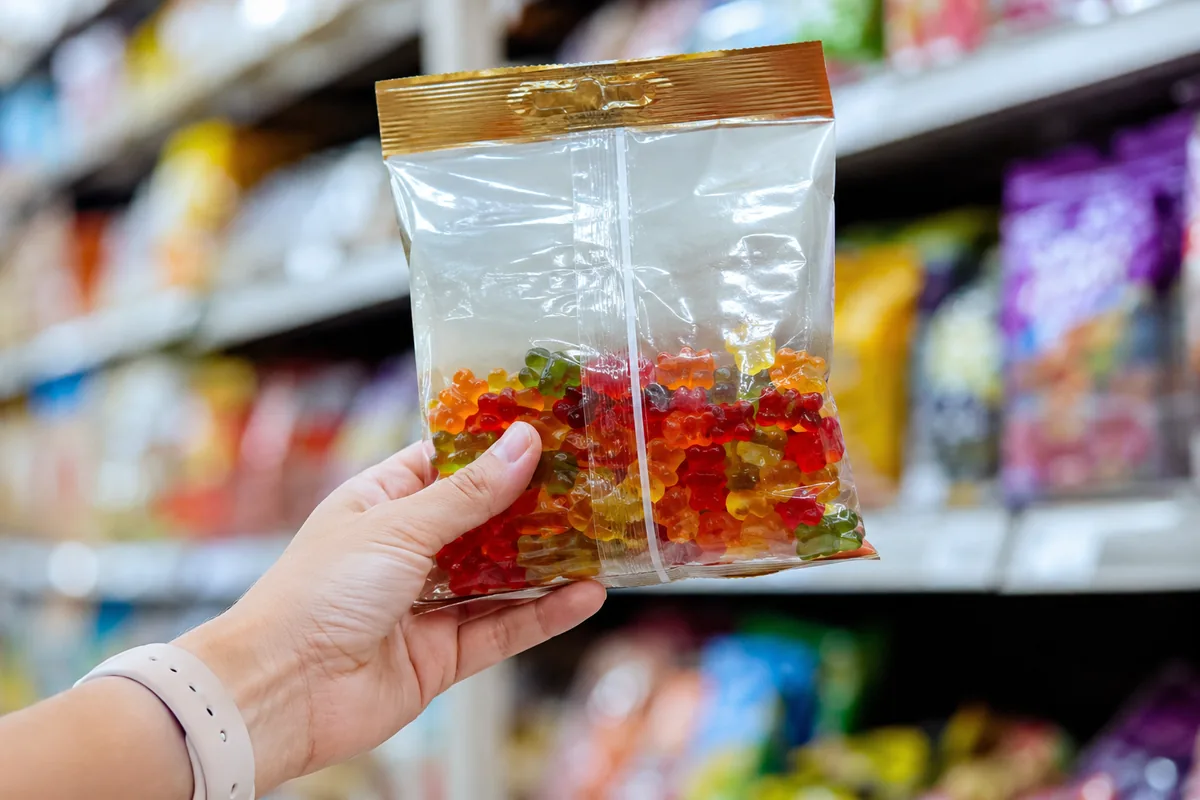
Once you know a gummy bear has no flour, your attention should go to four places. I keep this short list in my head every time I read a candy label.
The shared facility issue is the one most people miss. A candy plant that runs pretzels, cookie pieces, or wheat coated products on nearby lines can leave traces on a gummy that has a perfectly clean recipe. That is why a bag can list only safe ingredients and still carry a may contain wheat warning. For someone with celiac disease, that warning is a real signal, not legal boilerplate. The same caution applies across the snack aisle, which is why I keep a broader guide to safe gluten free snacks for the times you want a quick yes or no on a whole category.
Gummies and other gelatin candies share a lot with marshmallows, which run into nearly identical traps around dusting and shared lines. If you eat both, my breakdown of whether marshmallows are gluten free covers the same logic from a slightly different angle and names specific safe brands.
Mainstream Brands and Where They Stand
Here is the practical part. In the United States, several major gummy bear brands are made without gluten ingredients, and some carry a clear label. Always confirm on the current bag, because recipes and facilities change, but this is the lay of the land as a starting point.
Bulk bins deserve a hard no for anyone with celiac disease. Even if the gummies themselves are clean, shoppers reuse scoops across bins, and the bin next door is often a wheat coated candy. The scoop carries crumbs from one to the next. I treat the entire bulk candy wall as off limits and buy sealed bags instead. Chocolate covered or chocolate filled novelty gummies add another layer of risk, since some chocolate coatings carry malt or barley, a topic I dug into in my guide to whether chocolate is gluten free.
One more thing about brand status. A brand being safe in one country does not mean the same product is safe everywhere, because companies use different recipes and factories by region. The exact same logo on a bag can hide a different glucose syrup source overseas. This is why I tell people not to rely on a remembered answer or a forum post from years ago. Recipes get reformulated, plants change, and a candy that was safe last year can quietly shift. The label on the bag in your hand is the only source that is current, so read it every time even for a brand you trust. It takes ten seconds and it is the difference between confidence and a gamble.
Vegan, Pectin, and Organic Versions
Not every gummy uses gelatin. Vegan gummy bears swap gelatin for pectin, a fruit based gelling agent, or for agar, which comes from seaweed. Pectin and agar are both naturally gluten free, so the gelling agent is not the concern in these. The concern shifts back to the same places, which are the syrups, the dusting, and the factory. A vegan gummy is not automatically gluten free, and a gelatin gummy is not automatically unsafe. The two questions are separate, and people mix them up constantly.
Organic gummies follow the same pattern. Organic refers to how the ingredients were farmed, not whether they contain gluten, so an organic gummy can still use wheat derived glucose or share a line with wheat. Read the allergen statement regardless of the front of the bag. If you are juggling several diets at once, the recipe library at VeganStove for vegan dessert ideas is a handy cross reference, since plant based candy and gummies use the same pectin and agar swaps you would make at home.
Making Gluten Free Gummy Bears at Home
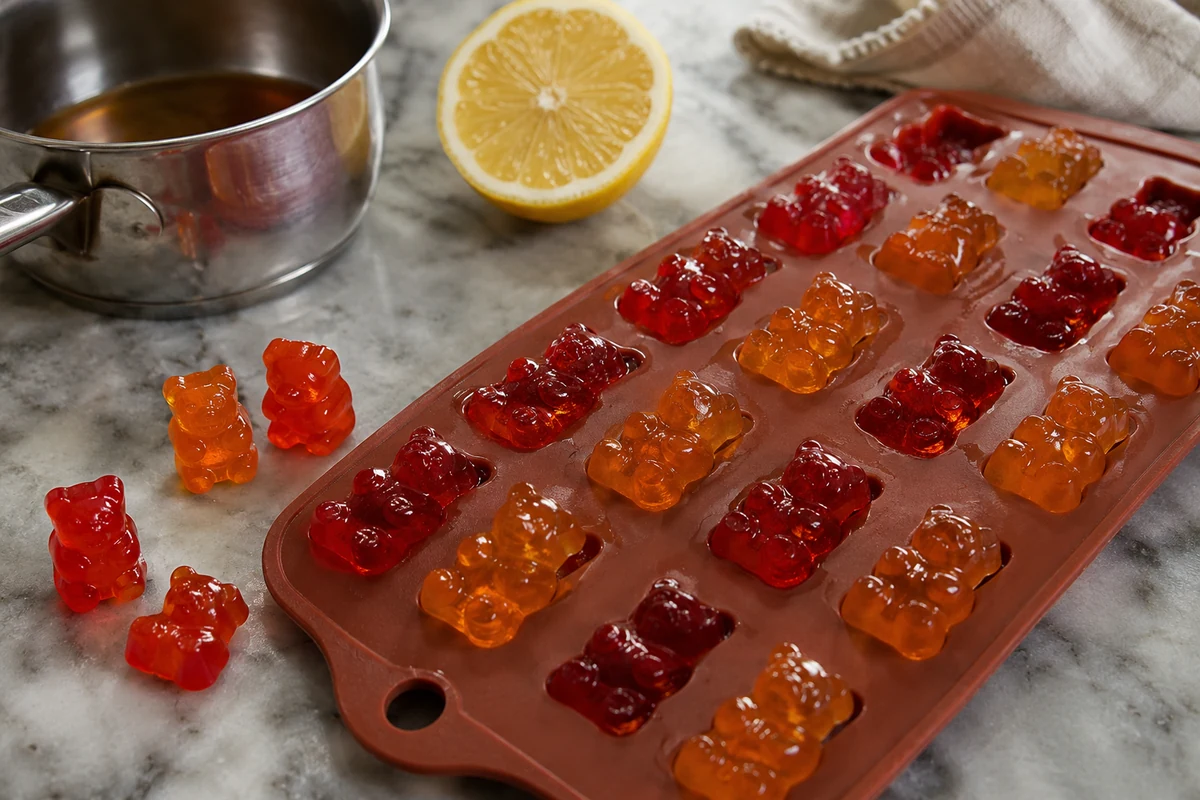
The surest way to a clean gummy is to make it yourself, and it is easier than you would guess. The base is gelatin, fruit juice or puree, a little honey or sugar, and a splash of lemon. You bloom the gelatin in cold juice, warm it gently until it dissolves, pour it into bear molds, and chill. Every ingredient on that list is naturally gluten free, so you control the whole chain.
A few notes from my own batches. Use plain unflavored gelatin and check the box, since most are gluten free but a stray flavored mix is not. Do not boil the gelatin or it loses its set. If you want a firmer, chewier bear closer to store bought, increase the gelatin and let the bears air dry on a rack for a day, which concentrates them. For a vegan version, swap in agar, but agar sets much firmer and faster, so it behaves differently and you will want a recipe written for it rather than a straight substitution. The chemistry of these no bake set candies overlaps with no bake cookies, and the friends at CookieGrove keep a no-bake cookie collection that uses the same chill to set approach if you want more in that vein.
The flavor is where homemade gummies actually beat the bag. Use real fruit juice or a fresh berry puree and the bears taste like the fruit rather than a generic sweet. A splash of lemon juice brightens them and balances the sweetness, the way a pinch of acid does in any candy. If you want them sour, toss the finished bears in a little citric acid, but buy citric acid that is labeled rather than a bulk bin scoop, for the same cross contact reasons that apply to candy. You can also fortify them. Some parents stir in a bit of vitamin C powder or a probiotic, since the gummy is just a sweet gel that carries whatever you add. Store homemade gummies in the fridge, because without the preservatives and stabilizers of the commercial version they do not keep at room temperature for long. A week in a sealed container in the cold is about the limit, and honestly they never last that long in my house.
Gummy Bears From Other Countries
Where a gummy bear is made changes the math, and this catches travelers and online shoppers off guard. In the United States, most glucose syrup comes from corn, which is naturally gluten free. In parts of Europe, glucose syrup is often derived from wheat. The good news is that wheat based glucose syrup is processed so thoroughly that the finished syrup almost always tests below the twenty parts per million threshold, and European labeling rules even exempt fully refined wheat glucose syrup from allergen declaration in many cases. The bad news is that this leaves a celiac shopper reading a bag that may not flag the wheat origin at all.
My rule for imported gummies is simple. If the bag carries a clear gluten free claim under the rules of a country I trust, I treat it as safe. If it does not, and the ingredient list mentions glucose syrup with no origin given, I either skip it or contact the manufacturer. This matters most with novelty and specialty candies bought online, where the packaging may be in another language and the supply chain is murky. Sour coated gummies are an extra flag, because the sour dusting is sometimes cut with starch that may be wheat based. When in doubt, the sealed domestic bag with a plain gluten free label is the boring, safe choice, and boring is exactly what you want from candy.
Bulk imported candy from international markets is the riskiest of all, since it often arrives in shared bins or repackaged bags with no original allergen panel. I love a good foreign candy haul as much as anyone, but for a diagnosed celiac it is not worth the gamble unless the original sealed packaging with a readable label comes with it.
Serving Gummy Bears to Kids With Celiac
Candy is social, and that is the hard part for a child with celiac disease. Birthday party goody bags, classroom treat jars, and trick or treat hauls are full of unlabeled gummies and candies poured from bulk bags into bowls. The mix is the problem. Even a safe gummy bear that has sat in a shared bowl next to wheat coated candy can pick up crumbs, and a child will not think to check.
What works in my house is keeping a personal stash of known safe gummies that my celiac kid can swap in for whatever the group is eating. At a party, the host gets a small bag of our brand ahead of time, and my child trades the unknown candy for the safe one. It removes the pressure of reading labels in the moment and lets the kid feel included rather than left out. For Halloween, we run a simple swap at home where any unlabeled or risky candy gets traded for a known safe treat or a small toy. The goal is for candy to feel normal and joyful, not like a minefield, and a little planning makes that possible. Teaching an older child to spot wheat on a label early pays off, because eventually they will be the one reading the bag.
Reading the Label Like a Celiac
This is the habit that keeps you safe. In the United States, the law requires wheat to be declared on a label, so the allergen line is your fastest filter. If it says contains wheat, put it back. If the package says gluten free, the product has been tested to under 20 parts per million, which regulators consider safe for most people with celiac disease. The plain language patient guidance at the NIH on celiac disease facts explains why that threshold exists and how strict the response to gluten can be.
When a bag has no gluten free claim but also no wheat in the allergen line, you are in a gray zone. That is where the may contain wheat warning matters, and where the brand’s reputation and your own risk tolerance come in. For a diagnosed celiac, I lean conservative and stick to brands that label clearly. The reference page at MedlinePlus on celiac disease lists the grains and derivatives to avoid, which helps when an ingredient name is unfamiliar. Keep that list handy and the candy aisle stops being a guessing game.
Frequently Asked Questions
Are Haribo gummy bears gluten free?
In the United States, Haribo Gold-Bears are made without gluten containing ingredients, though they are not certified gluten free. The gelatin, sugar, and glucose syrup used are not wheat based. Recipes and facilities can change, so always confirm the current bag and watch for any may contain wheat warning if you have celiac disease.
Does gelatin contain gluten?
No. Gelatin is made from animal collagen, not from any grain, so it is naturally gluten free. The gelatin is rarely the problem in a gummy bear. Risk comes from wheat derived glucose syrup, anti-stick dusting, malt flavoring, or cross contact in a shared facility, so those are the parts to check.
Are vegan gummy bears automatically gluten free?
Not automatically. Vegan gummies replace gelatin with pectin or agar, both of which are gluten free, but that swap says nothing about the syrups, dusting, or factory. A vegan gummy can still use wheat glucose or share a line with wheat candy, so read the allergen statement just as carefully as you would for any gummy.
Can I make gluten free gummy bears at home?
Yes, and it is simple. Bloom plain gelatin in cold fruit juice, warm it gently to dissolve, sweeten with honey or sugar, add a little lemon, then pour into molds and chill. Every ingredient is naturally gluten free, so you control the whole process. For a vegan batch, use agar, but follow a recipe written for it since it sets firmer and faster.