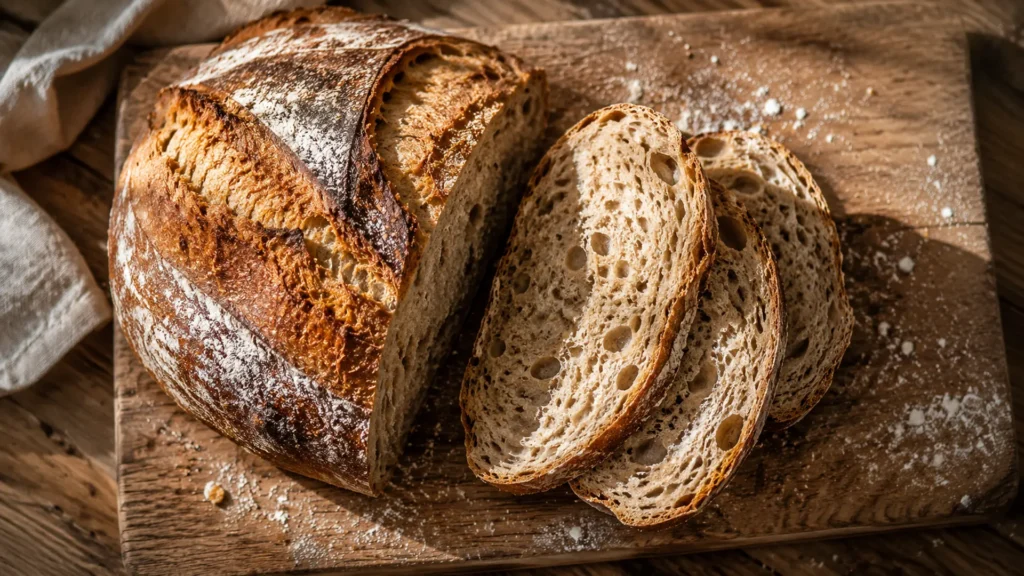
Is sourdough bread gluten free? No. Traditional sourdough bread, made from wheat flour, is not gluten free and is not safe for anyone with celiac disease, no matter how long it was fermented. This surprises a lot of people, because there is a popular belief that the slow fermentation of sourdough breaks down gluten enough to make it harmless. Fermentation does reduce gluten, but it does not remove anywhere near enough of it, and lab testing of real artisan sourdough loaves confirms it. The genuinely good news, and the part most articles skip, is that true gluten-free sourdough absolutely exists. It is simply made from gluten-free flours rather than wheat, and it can be every bit as tangy and satisfying as the original.
This guide separates the myth from the facts: what fermentation actually does to gluten, why regular sourdough fails the safety threshold, whether it matters for non-celiac gluten sensitivity, and how to find or bake a sourdough that is genuinely safe.
The Short Answer
Standard wheat sourdough contains gluten and is not celiac-safe. The sourdough process lowers the gluten content compared with ordinary yeast bread, but not to a safe level, so people with celiac disease must avoid it. The only sourdough that is truly gluten free is one baked specifically with gluten-free flours and a gluten-free starter, ideally carrying a certified gluten-free label. If you have celiac disease, never assume an artisan sourdough is safe because someone told you fermentation removes the gluten; it does not.
The Fermentation Myth: What Sourdough Does to Gluten
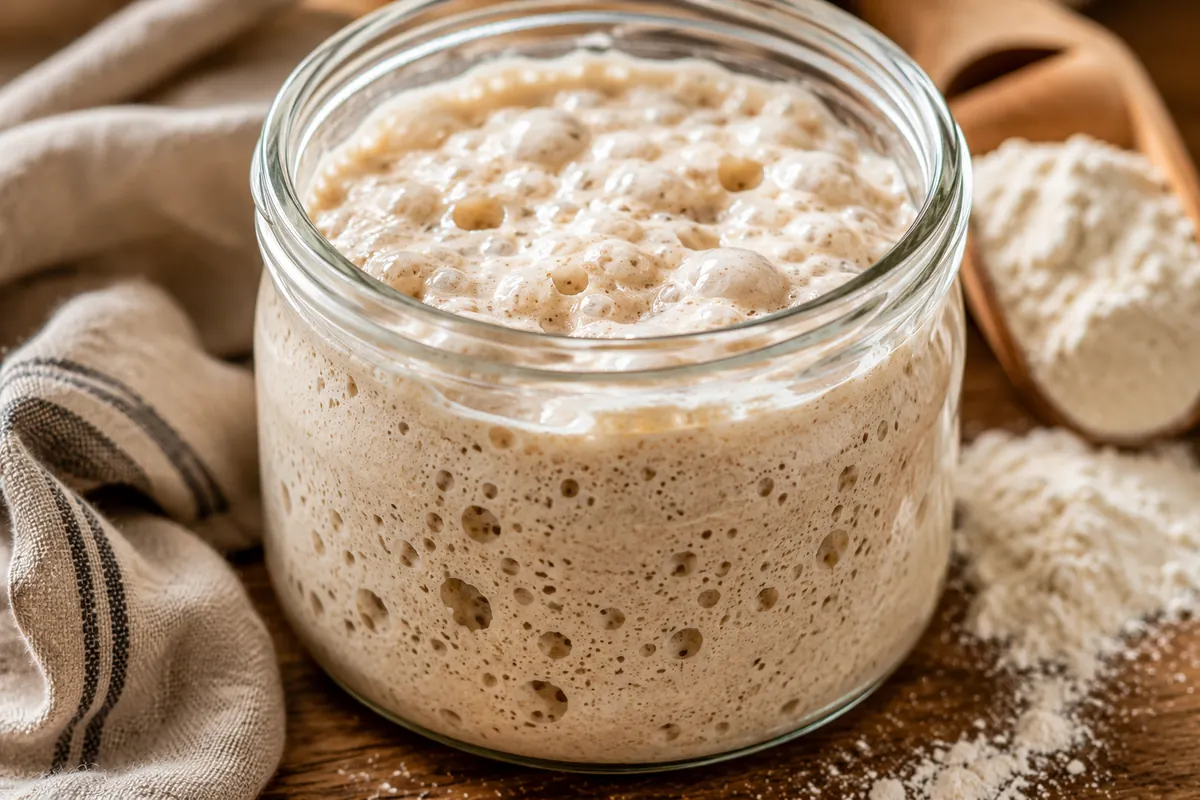
The myth has a kernel of truth, which is why it spreads so easily. During the long fermentation of a sourdough, wild yeast and lactic acid bacteria feed on the dough, and in the process they break down some of the gluten proteins. A well-fermented sourdough genuinely does contain less intact gluten than a quick commercial loaf, and it is often easier to digest for that reason. The problem is the word some. Fermentation degrades a portion of the gluten, not all of it, and what remains is still far above the level that causes harm to someone with celiac disease. Reducing gluten and removing gluten are two very different things, and sourdough only does the first.
Why Regular Sourdough Is Not Celiac-Safe
The numbers settle the debate. In the United States, a food can only be labeled gluten free if it contains fewer than 20 parts per million of gluten, the threshold regulators consider safe for people with celiac disease. When gluten-testing watchdogs analyzed artisan wheat-based sourdough breads, the loaves tested came back well above that 20 ppm limit, meaning they could not legally be called gluten free and are not safe for celiacs. This is the crucial point: celiac disease causes intestinal damage from gluten exposure whether or not a person feels symptoms afterward, so feeling fine after a slice of sourdough does not mean it was safe. Patient organizations like the Celiac Disease Foundation are clear that wheat, rye, and barley sourdoughs remain off the menu for celiac disease.
What About Non-Celiac Gluten Sensitivity?
Here the picture is a little softer, which is part of why the sourdough question gets so muddled. People with non-celiac gluten sensitivity, who experience discomfort from gluten but do not have the autoimmune damage of celiac disease, sometimes tolerate long-fermented sourdough better than ordinary bread. The reduced gluten and the more digestible structure created by fermentation can mean fewer symptoms for them. If that is you, a genuinely long-fermented sourdough may be worth cautious experimentation. But this absolutely does not extend to celiac disease, where the issue is intestinal damage rather than comfort, and where even reduced gluten is unacceptable. Anyone with celiac disease should treat wheat sourdough as off-limits and talk to their doctor before experimenting with anything described as low-gluten.
The Good News: True Gluten-Free Sourdough
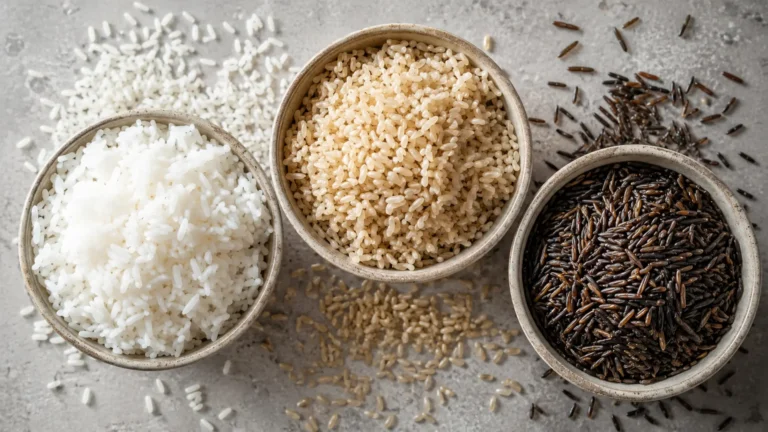
Now for the part worth celebrating. You can have sourdough on a gluten-free diet; it just has to be made the gluten-free way. Genuine gluten-free sourdough is baked from gluten-free flours, such as brown rice, sorghum, buckwheat, and teff, leavened with a starter cultivated from those same gluten-free flours. The wild fermentation works on gluten-free flour just as it does on wheat, developing that signature tangy, complex flavor and a chewier, more open crumb than most quick gluten-free breads. Because it contains no wheat, rye, or barley to begin with, there is no gluten to worry about. This is a real and growing category, available from dedicated gluten-free bakeries and increasingly easy to make at home, and it gives gluten-free eaters back one of the breads they most often miss.
How to Tell If a Sourdough Is Actually Gluten-Free
Because the word sourdough alone tells you nothing about gluten, a few checks keep you safe. Look for a clear certified gluten-free label, which guarantees the product has been tested below 20 ppm; this is the gold standard, especially for celiac disease. Read the ingredient list and confirm the flours are gluten free, such as rice, sorghum, or buckwheat, with no wheat, rye, or barley. Be wary of vague marketing like low-gluten or naturally fermented, which are not the same as gluten free and carry no guarantee. And if you are buying from a bakery, ask directly whether the bread is made with gluten-free flour in a way that avoids cross-contamination, since a gluten-free recipe baked in a flour-dusted wheat bakery can still be contaminated. When in doubt, the certified label is the simplest answer.
Making Your Own Gluten-Free Sourdough
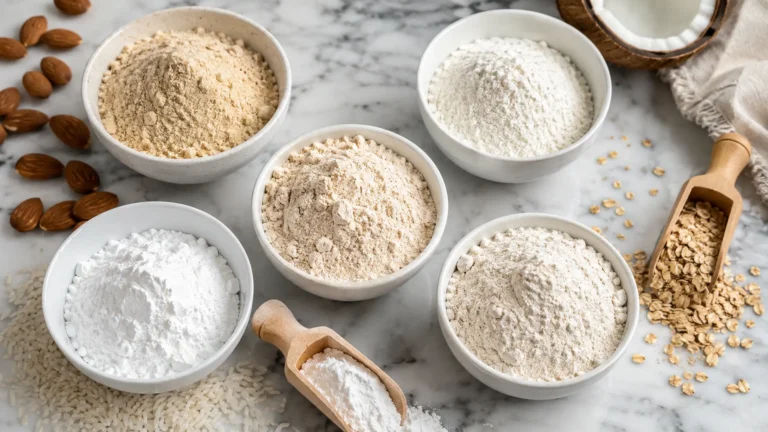
Baking gluten-free sourdough at home is genuinely achievable, and it starts the same way any sourdough does: by cultivating a starter, in this case from a gluten-free flour like brown rice or sorghum mixed with water and fed over several days until it is bubbly and active. The dough itself relies on a blend of gluten-free flours and usually a binder like psyllium husk, which does the structural job that gluten performs in wheat bread, giving the loaf its stretch and chew. Understanding how to combine those flours is the foundation, which is exactly what our guide to gluten-free flour walks through. Expect a wetter, more batter-like dough than wheat sourdough and a slightly denser crumb, but the reward is a tangy, crusty loaf that scratches the sourdough itch completely. If you already enjoy baking gluten-free breads like a festive gluten-free star bread, a gluten-free sourdough is a natural and rewarding next project, and it pairs well with a wider rotation of simple bakes for the days you want something quicker.
Other Healthy-Sounding Breads That Still Contain Gluten
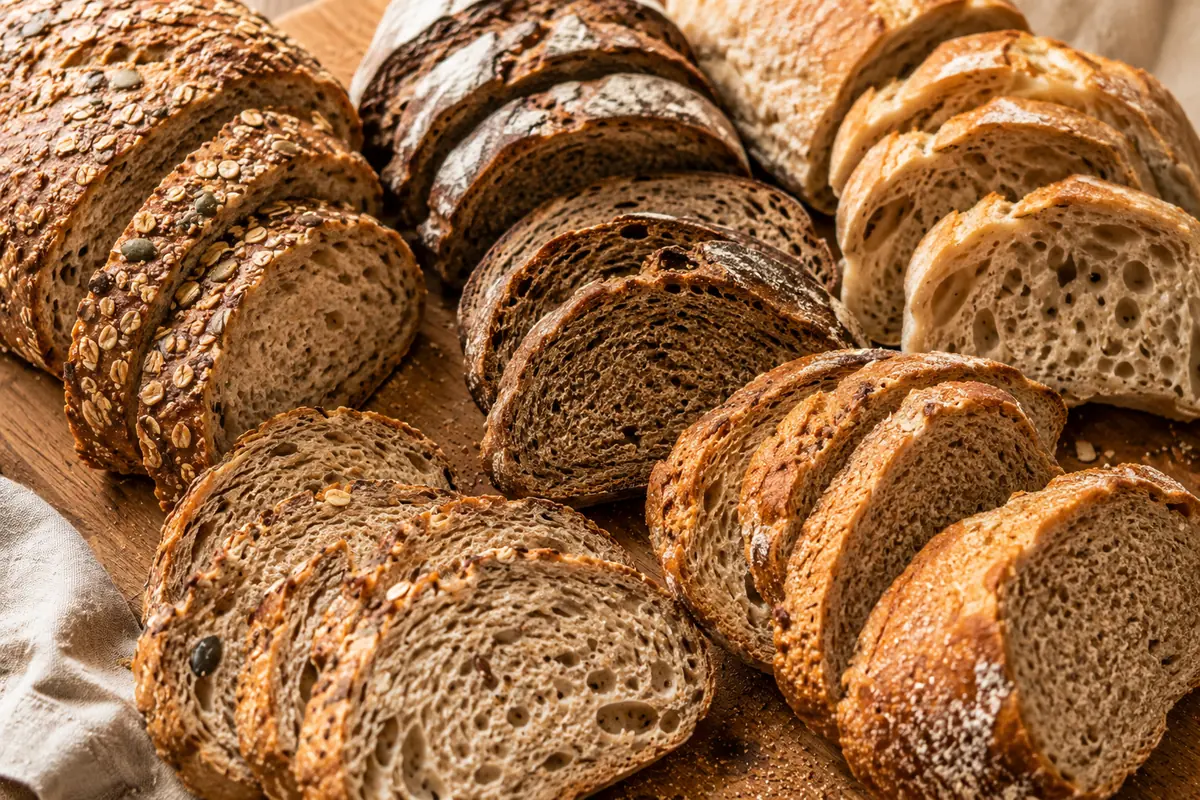
Sourdough is not the only bread surrounded by a gluten misconception, and the same logic that catches people out with sourdough applies to several others. It is worth naming them, because they are commonly assumed to be safe when they are not.
- Whole wheat and multigrain. Being whole-grain or multigrain says nothing about gluten; these are still made from wheat and contain plenty of gluten.
- Spelt and kamut. Often marketed as ancient or easier to digest, but both are types of wheat and contain gluten. They are not safe for celiac disease.
- Rye and pumpernickel. Rye is one of the three gluten grains alongside wheat and barley, so rye bread contains gluten.
- Sprouted grain bread. Sprouting changes the texture and some nutrition but does not remove the gluten from wheat or barley.
The common thread is that none of these processes, whether fermenting, sprouting, or choosing an ancient grain, actually removes gluten. The only way a bread is gluten free is if it was made without wheat, rye, or barley in the first place. That single rule cuts through nearly all of the confusion.
Is Sourdough Healthier, Gluten Aside?
For people who can eat gluten, sourdough does have some genuine advantages over ordinary bread, and these are worth understanding because they fuel the misconception in the first place. The long fermentation produces lactic acid, which can give sourdough a lower glycemic impact than standard white bread, meaning a gentler effect on blood sugar. Fermentation also begins breaking down not just gluten but other components like phytic acid, which can make some minerals more available and the bread easier on digestion for many people. And the tangy, complex flavor is simply a reward of the slow process. None of this, however, makes wheat sourdough safe for celiac disease; a food can be more digestible and lower glycemic while still containing harmful gluten. The lesson is to keep the two questions separate: is it healthier in some ways, possibly yes, and is it gluten free, no. Confusing the first for the second is exactly how the myth took hold.
How a Gluten-Free Sourdough Starter Works
One of the most common worries is whether you can even make a sourdough starter without wheat, and the answer is a definite yes. A sourdough starter is just a living culture of wild yeast and lactic acid bacteria, and those microbes are perfectly happy living on gluten-free flour. To build one, you mix a gluten-free flour like brown rice or sorghum with water and feed it fresh flour and water each day. Within several days it begins to bubble and develop the pleasant sour aroma that signals it is active and ready to leaven bread. The microbes do not need gluten; they need the starches and sugars in the flour, which gluten-free flours have in abundance. Once established, a gluten-free starter behaves much like a wheat one, rising and falling between feedings, and it can be kept alive for years. This is the engine that lets gluten-free sourdough develop real fermented flavor rather than relying on added acids to mimic the tang.
Buying Gluten-Free Sourdough
If baking is not your thing, gluten-free sourdough has become much easier to buy than it used to be. A growing number of dedicated gluten-free bakeries produce sourdough loaves made entirely with gluten-free flours and starters, and some are available frozen and shipped nationwide, which is often the best way to get a quality loaf if your local stores do not stock one. When shopping, the same rules apply as for any gluten-free product: look for a certified gluten-free label for the strongest assurance, check that the flours listed are gluten free, and, for a celiac, favor brands that bake in dedicated gluten-free facilities to rule out cross-contamination. Prices tend to run higher than ordinary bread because gluten-free flours and small-batch production cost more, but for anyone who has missed real sourdough, a good loaf is worth it. Keeping a couple in the freezer means you always have proper bread on hand without the wait, and a quick toast brings a frozen-then-thawed slice right back to life with a crisp crust and a soft, tangy interior.
Tips for Your First Gluten-Free Sourdough Loaf
If the home-baking route appeals to you, a few pointers smooth out the learning curve, because gluten-free sourdough behaves differently from the wheat version in some important ways. First, expect a wet, sticky, batter-like dough rather than a smooth, kneadable ball; this is normal and necessary, since gluten-free flours need more hydration. Do not try to knead it like wheat dough, because there is no gluten network to develop. Second, lean on a binder: psyllium husk is the most reliable, forming a gel that traps the gas from fermentation and gives the loaf structure and chew that would otherwise be missing. Third, give it time, since gluten-free batters often ferment and proof more slowly, and rushing leads to a dense loaf. Bake it in a loaf pan or a Dutch oven to support the soft dough, and use a thermometer rather than guessing, pulling the loaf when the interior reaches the right temperature so the crumb sets properly. Finally, let the bread cool completely before slicing, which is even more important than with wheat bread, because the structure of a gluten-free loaf continues to firm up as it cools and slicing too early gives a gummy result. Get those basics right and a homemade gluten-free sourdough rewards you with a crackly crust, an open crumb, and that deep, tangy flavor that no quick gluten-free bread can match. It takes patience, but the payoff is the one bread most gluten-free bakers think they have to live without.
Frequently Asked Questions
Is regular sourdough bread gluten free?
No. Traditional sourdough made from wheat flour contains gluten and is not gluten free, even after long fermentation. Testing of artisan wheat sourdoughs has found gluten levels above the 20 ppm safety threshold, so it is not safe for people with celiac disease.
Does fermentation remove the gluten in sourdough?
Fermentation breaks down some of the gluten, which is why sourdough can be easier to digest than ordinary bread, but it does not remove nearly enough to make wheat sourdough gluten free or celiac-safe. Reducing gluten and eliminating it are not the same thing.
Can celiacs eat sourdough bread?
Not traditional wheat sourdough. People with celiac disease must avoid it, because the remaining gluten can still cause intestinal damage even without obvious symptoms. The only safe option is sourdough made specifically from gluten-free flours and ideally certified gluten free.
Is there such a thing as gluten-free sourdough?
Yes. Gluten-free sourdough is made from gluten-free flours like brown rice, sorghum, and buckwheat, fermented with a gluten-free starter. It develops the same tangy flavor through wild fermentation and contains no wheat, rye, or barley, making it safe when properly made and labeled.
Is sourdough okay for gluten sensitivity?
Some people with non-celiac gluten sensitivity tolerate long-fermented sourdough better than regular bread, because fermentation lowers the gluten and makes it more digestible. This does not apply to celiac disease, however, where any gluten is harmful. Anyone unsure should consult their doctor.
How do I know if a sourdough is truly gluten free?
Look for a certified gluten-free label, confirm the ingredients use only gluten-free flours with no wheat, rye, or barley, and ignore vague terms like low-gluten or naturally fermented. If buying from a bakery, ask how it is made and whether cross-contamination is controlled.
Bottom Line
So, is sourdough bread gluten free? Not in its traditional, wheat-based form, and no amount of fermentation changes that for someone with celiac disease. The myth that sourdough breaks down all its gluten is half-true at best; it reduces gluten but leaves far too much behind to be safe. What it comes down to is the flour: a sourdough built on wheat will always contain gluten, while a sourdough built on gluten-free flours will not. So skip the wheat loaf if you are celiac, look for a certified gluten-free sourdough, or bake your own from gluten-free flours and enjoy that unmistakable tang with none of the risk. The takeaway is freeing once it clicks: you do not have to give up sourdough on a gluten-free diet, you just have to change the flour it is built from, and the fermented flavor you love comes along for the ride.