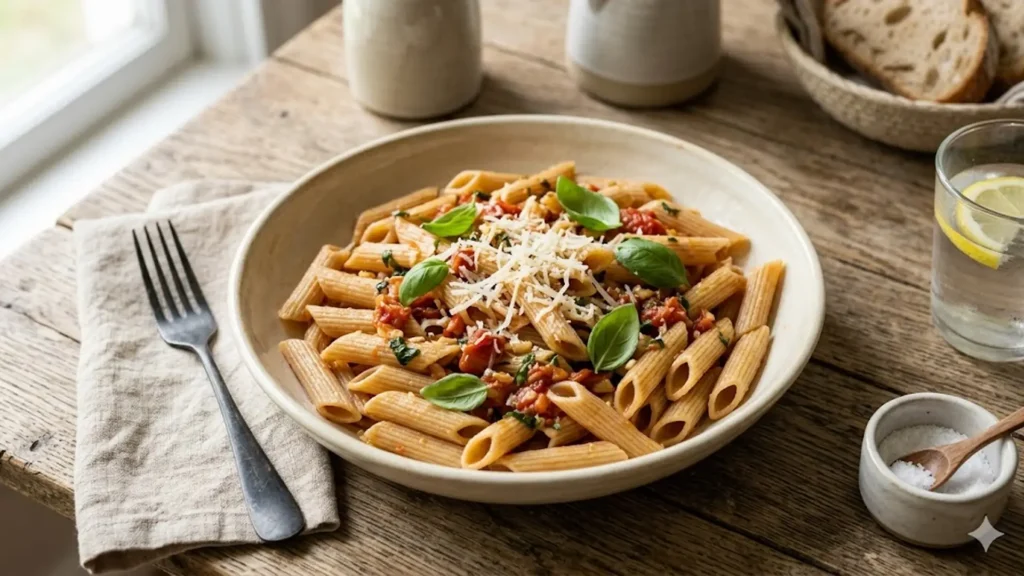
Gluten free pasta has come a long way from the gummy, falls-apart-in-the-pot versions that gave it a bad name a decade ago. The honest truth is that the box you buy matters more than anything you do at the stove, because the flour blend inside decides whether you get a clean al dente bite or a pot of mush. In my test kitchen I cook gluten free pasta the way other people taste wine: I track the flour base, the cook time, the rinse, and the way each shape holds a sauce. After hundreds of boxes, the pattern is clear. Brown rice, corn-and-rice blends, and legume pastas each behave differently, and once you know how, you can cook any of them well. This guide walks you through which base does what, how to cook each one so it does not turn to paste, and which shapes survive the trip from pot to plate.
If you have celiac disease or a gluten sensitivity, you already know the stakes go beyond texture. You need pasta that is genuinely safe, made on a line that does not also run wheat, and labeled to prove it. So this is two guides in one: how to buy gluten free pasta that is actually safe, and how to cook it so it tastes like the real thing. Get both right and nobody at the table will guess it is gluten free.
What Gluten Free Pasta Is Actually Made From
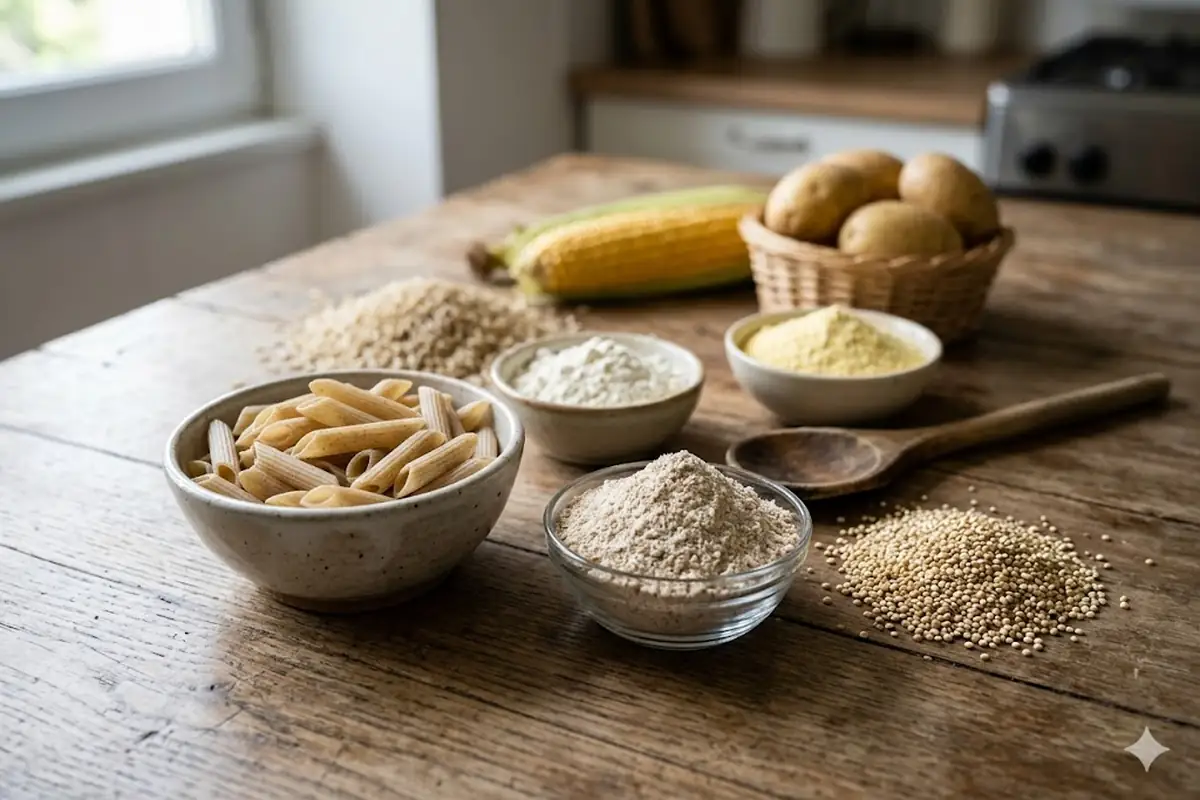
Regular pasta is built on durum wheat, where gluten gives the dough its stretch and the cooked noodle its springy chew. Take the gluten out and you have to rebuild that structure from starches and proteins that do not naturally bind. That is the whole engineering problem, and every brand solves it differently. The base flour is the single biggest predictor of how a pasta will taste and behave, so it is the first thing I read on any box.
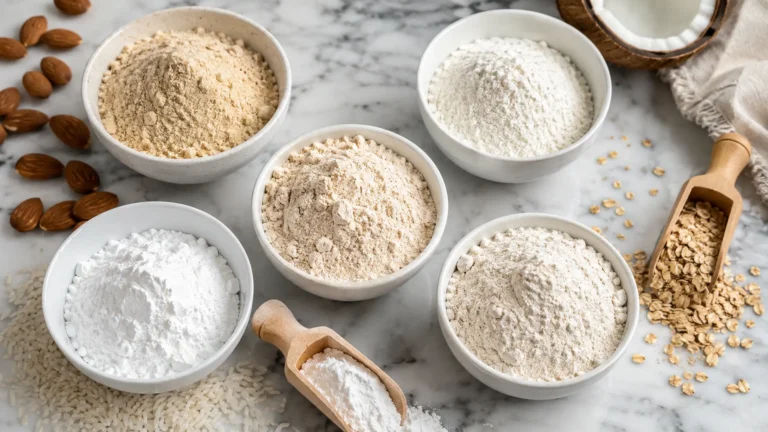
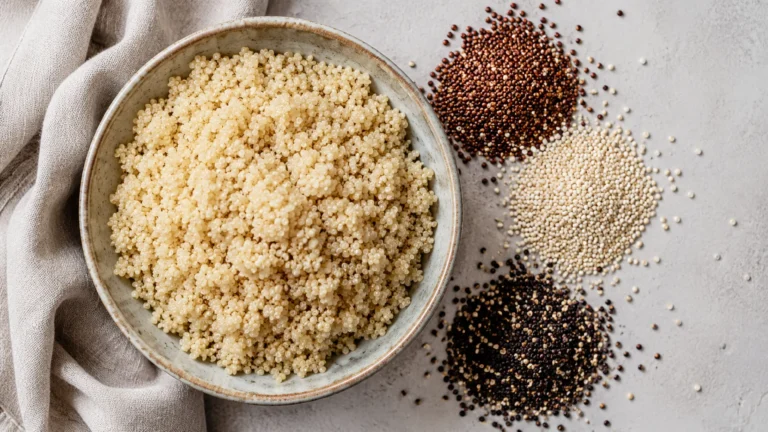
The common bases fall into a few families. Brown rice pasta is the closest in flavor to neutral wheat pasta and is the celiac community’s long-standing staple. Corn-and-rice blends bring a slightly sweeter note and a sturdier bite. Legume pastas, made from chickpeas, red lentils, or black beans, pack far more protein and fiber but carry an earthy flavor and a softer structure. Then there are the multigrain and ancient-grain blends that mix rice with quinoa, amaranth, or millet for a more complex taste. None of these is universally best. The right one depends on the dish and on whether you care more about a neutral flavor or a nutrition boost.
Why the Flour Blend Decides Everything
Here is the part most guides skip. Two boxes can both say brown rice pasta and cook completely differently because of how the flour is milled and whether the maker adds a binder. Finely milled rice flour with a touch of added rice bran, the approach a few celiac-favorite brands use, holds its shape far better than a coarse blend. Some makers extrude the dough through bronze dies, which roughens the surface so sauce clings the way it does to good wheat pasta. When a gluten free pasta tastes slick and sauce slides off, a smooth die is usually the reason. You cannot see this on the shelf, but you can taste it, and it is worth paying attention to which brands consistently nail it.
The Best Bases by Dish
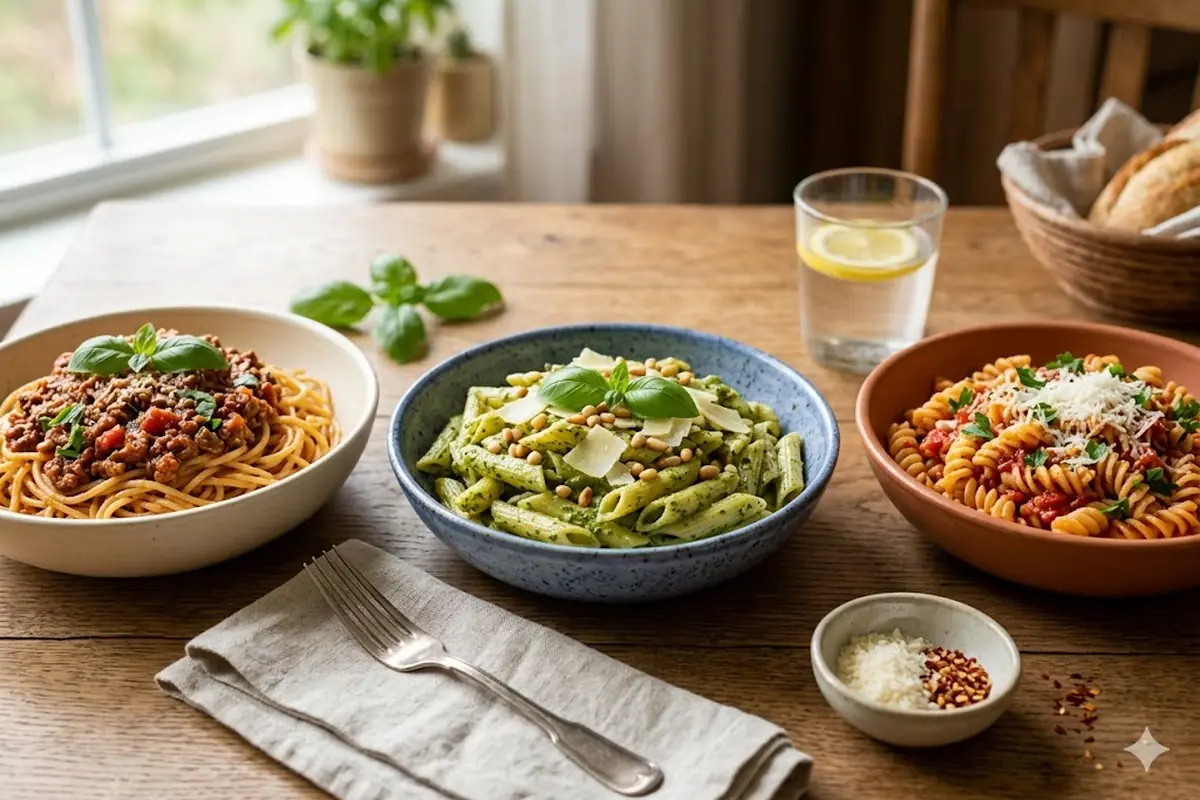
Matching the base to the dish is where home cooks make the biggest leap in quality. A pasta that is perfect baked into a casserole can be the wrong pick for a delicate olive-oil sauce, and vice versa. Below is how I steer each base, based on what survives the cooking method and what flavor it brings.
The table sums up the trade-offs I see most often when testing. Treat it as a starting point, then trust your own pot, because brands within each base vary.
The one rule that cuts across all of them: legume pastas absorb water and overcook faster than rice or corn, so they need a closer eye and an earlier taste. Rice blends are the most forgiving for beginners. If you are new to gluten free pasta and want the lowest chance of a mushy result, start with a quality brown rice or corn-and-rice box and graduate to chickpea pasta once you trust your timing.
How to Cook Gluten Free Pasta Without Turning It to Mush
The cooking method matters as much as the box, and gluten free pasta is less forgiving than wheat. There is no gluten safety net, so the window between perfectly al dente and falling apart is narrower. The good news is that a handful of habits close that gap and get you a clean bite almost every time.
Start with a big pot of water, more than you think you need, because gluten free pasta sheds more starch and a crowded pot gets gluey fast. Salt the water well, the same as you would for wheat pasta, since the noodle itself is blander and needs the seasoning. Stir in the first minute and then a few more times during cooking, because these noodles want to clump and stick to the bottom. Most important, start tasting two to three minutes before the box time. Package times for gluten free pasta run long, and the difference between just-right and overdone can be sixty seconds.
One more habit that pays off: save a mug of the starchy cooking water before you drain. Gluten free pasta water is even starchier than wheat, which makes it a powerful tool for loosening and emulsifying a sauce at the end. A splash off the heat pulls a sauce together and helps it coat the noodles instead of pooling at the bottom of the bowl. Do not drain the pasta bone dry, either, because a little clinging water keeps the noodles from seizing into a clump while you finish the dish. These small moves matter more with gluten free pasta than with wheat, since you have no gluten holding the surface together and giving you margin for error.
To Rinse or Not to Rinse
This is the question I get most, and the answer depends on the dish. For hot, sauced pasta you generally do not rinse, because the surface starch helps the sauce cling, exactly as with wheat pasta. The exception is rice and corn pasta destined for a cold pasta salad or a stir-fry, where a quick rinse in cool water stops the cooking and keeps the noodles from gumming together as they sit. If you are building a chilled dish, that rinse is the difference between distinct noodles and a sticky clump. My go-to creamy gluten-free pasta salad leans on exactly this trick, a fast cold rinse so every piece stays separate. When the pasta is going straight into a warm sauce, skip the rinse and let the starch do its job.
Shapes That Survive and Shapes That Fall Apart
Shape is the underrated variable in gluten free pasta. Without gluten, thin and delicate shapes are fragile, while sturdy short shapes hold up beautifully. If you have ever had gluten free angel hair dissolve into the sauce, the problem was the shape as much as the cook time.
Short, sturdy shapes are the safe bet: penne, rotini, fusilli, rigatoni, and shells all have enough wall thickness to hold their structure and enough surface for sauce to grab. These are the shapes I reach for in baked dishes and hearty sauces, because they take the heat and the stirring without breaking down. Long shapes work too, but they need more care. Spaghetti and linguine cook fine if you do not overcrowd the pot and you pull them a touch early. The fragile end of the spectrum, angel hair and very thin strands, is where most disappointment lives, so save those for gentle, quick-tossed sauces and serve them right away.
For baked pasta specifically, undercook the noodles by a couple of minutes before they go in the dish, because they will keep absorbing sauce and softening in the oven. This is the same principle as wheat lasagna, just less forgiving. Sturdy shapes plus a slight undercook is the formula for a baked gluten free pasta that holds together on the plate instead of collapsing.
Buying Safe: Reading the Label Like a Celiac
Flavor and texture mean nothing if the pasta is not actually safe, so the label is where every purchase should start if you have celiac disease. The key distinction, the same one that trips people up across the whole gluten free aisle, is between a product made without gluten ingredients and a product certified to contain less than 20 parts per million of gluten. Naturally gluten free ingredients like rice and corn can still pick up gluten from shared equipment, so the certification is what proves the line is controlled.
Look for a gluten-free label, ideally a third-party certification mark, not just a marketing claim on the front. Many dedicated gluten free pasta brands run wheat-free facilities and say so, which is the gold standard for a celiac kitchen. The 20-ppm threshold is the U.S. legal standard, and the celiac advocacy group Celiac Disease Foundation publishes plain-language guides on what counts as a hidden source of gluten, which is worth reading before you stock your pantry. When in doubt, choose a brand that makes its gluten free line in a dedicated facility, because that single fact removes the cross-contact question entirely.
Where Gluten Hides Around the Pasta
The pasta itself can be perfectly safe and the meal can still get you, because the sauce and the add-ins are where gluten sneaks in. Many jarred sauces use wheat flour as a thickener, some soy sauces in Asian noodle dishes contain wheat, and pre-grated cheese blends occasionally use a wheat-based anti-caking agent. The discipline that keeps you safe is reading every label in the dish, not just the pasta box. If you build sauces from scratch you sidestep most of this, and a homemade sauce almost always tastes better anyway. Pairing safe pasta with a quick scratch sauce is the most reliable way to keep the whole plate gluten free.
Pairing Gluten Free Pasta With the Right Sauce
Because gluten free noodles can be slightly more delicate and sometimes a touch sweeter than wheat, the sauce pairing matters more than usual. Heavier, clingy sauces flatter sturdy short shapes, while lighter sauces suit the longer strands. A robust marinara or a creamy sauce grabs onto penne and rigatoni and hides any minor texture quirks. For a silky comfort dish, a smooth cream sauce over short pasta is hard to beat, the same approach behind my cauliflower alfredo that coats every ridge without weighing the noodles down.
If you are cooking for a mixed table, lean on shapes and sauces that read as classic comfort food, because that is where gluten free pasta is now genuinely indistinguishable from wheat. For more pairing ideas across styles, the recipe library at healthy pasta is a deep well, and for a fully plant-based spin the vegan pasta collection shows how far you can take a gluten free, dairy-free bowl. Match the weight of the sauce to the sturdiness of the shape and you almost cannot go wrong.
Beyond Italian, gluten free pasta opens up rice-noodle and bean-noodle dishes that are naturally wheat-free, though you still have to watch the sauces. Many Asian noodle bowls rely on soy or oyster sauce that contains wheat, so check the bottle or swap in a certified gluten free tamari. The encyclopedia entry on pasta is a useful primer on how many of the world’s noodle traditions started from naturally gluten free grains long before durum wheat dominated.
Storing and Reheating Without the Gummy Factor
Leftover gluten free pasta has a reputation for turning gummy in the fridge, and there is a real reason for it: rice and corn starches firm up and clump as they cool more aggressively than wheat. You can beat this with a couple of habits. Toss cooked, drained pasta with a little oil before it cools if you plan to store it plain, which keeps the pieces from fusing. Store it sauced when you can, because the sauce protects the noodles from drying out and clumping.
To reheat, add a splash of water or extra sauce and warm it gently, stirring, rather than blasting it in the microwave dry. The added moisture loosens the firmed-up starch and brings the texture most of the way back. Legume pastas reheat the worst because they soften fastest, so cook those closer to when you will eat them. Rice and corn blends are your best bet for meal prep, since they hold up to a day or two in the fridge and reheat cleanly with a little liquid.
FAQ
Is all gluten free pasta safe for celiacs?
Not automatically. Pasta made from naturally gluten free grains like rice or corn can still be contaminated on shared equipment that also runs wheat. For celiac safety, choose a box with a gluten-free label, ideally a third-party certification, and favor brands that make their pasta in a dedicated wheat-free facility. The label is the proof, not just the ingredient list.
Why does my gluten free pasta turn to mush?
Almost always overcooking. Package times for gluten free pasta run long, so start tasting two to three minutes early and pull it the moment it hits al dente. Using plenty of water, stirring in the first minute, and choosing a sturdy short shape also help. Legume pastas overcook fastest, so watch those closely.
Should I rinse gluten free pasta after cooking?
It depends on the dish. For hot, sauced pasta, do not rinse, because the surface starch helps the sauce cling. For cold pasta salads or stir-fries, give rice or corn pasta a quick cool-water rinse to stop the cooking and keep the noodles from clumping as they sit.
Which gluten free pasta tastes most like regular pasta?
Brown rice pasta and corn-and-rice blends come closest to neutral wheat pasta in flavor and bite, which is why they are the long-standing staples for most gluten free households. Legume pastas like chickpea offer more protein and fiber but carry a noticeably earthier taste, so they are a different experience rather than a like-for-like swap.
The Bottom Line
Cooking great gluten free pasta is mostly about two decisions made before the water boils: buy a safe, well-made box and match the base and shape to your dish. Brown rice and corn-and-rice blends give you the most familiar flavor and the easiest timing, legume pastas trade a little texture for real nutrition, and sturdy short shapes survive almost anything. From there, salt the water, stir early, taste before the box says to, and pair the noodle with a sauce that fits its weight. Do that and gluten free pasta stops being a compromise and becomes a meal nobody has to think twice about.