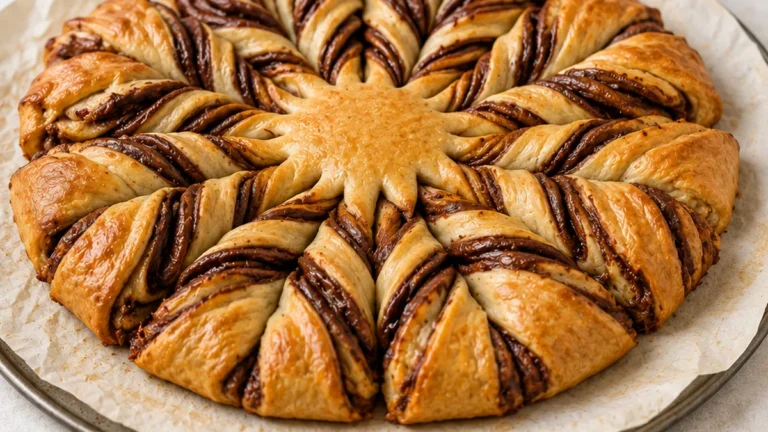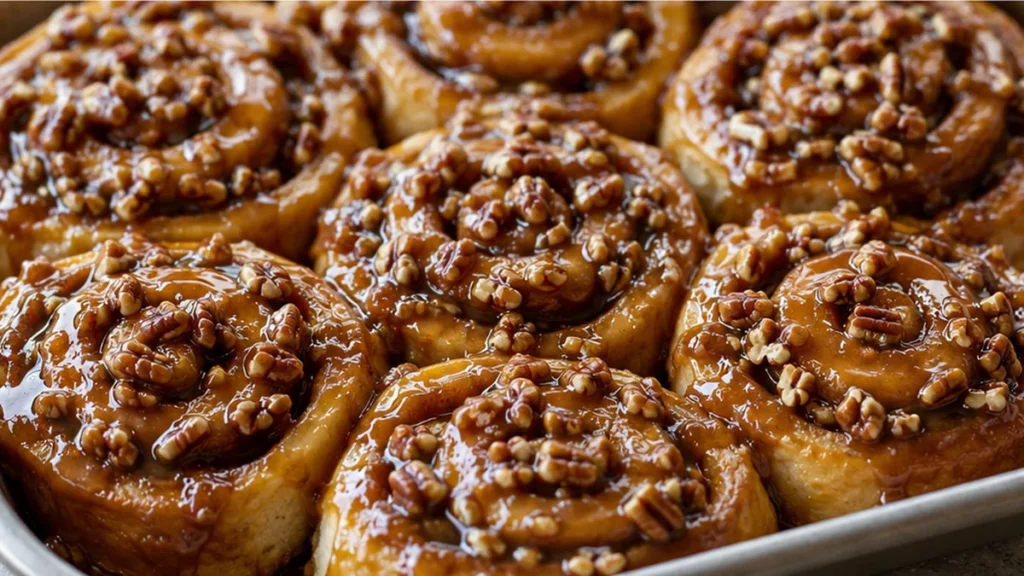
These gluten-free sticky buns are a game-changer for anyone who loves a sweet, decadent breakfast but needs to avoid gluten. This recipe focuses on achieving a perfect texture and a rich caramel pecan glaze.
Key takeaways
- Yeast must be active for proper rise in gluten-free dough.
- Gluten-free dough should be sticky and moist, not dry.
- Gentle, consistent heating is key for a smooth caramel glaze.
- Ensure the pan is well-coated with glaze before adding buns.
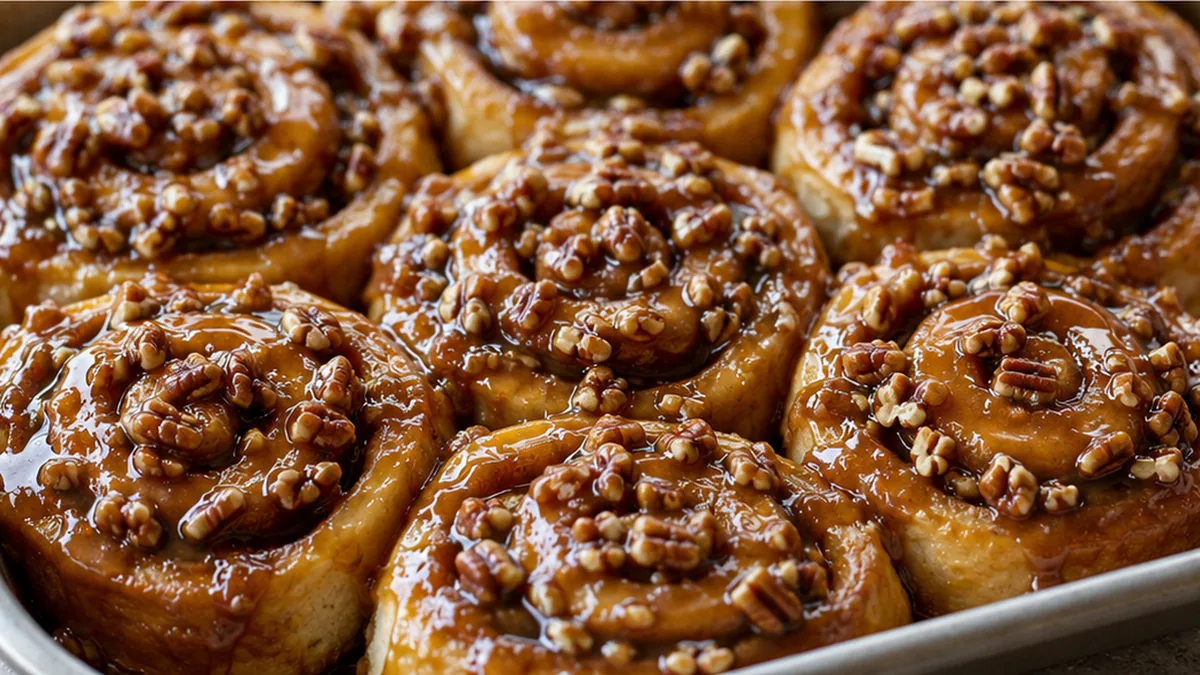
” Gluten-Free Sticky Buns with Caramel Pecan Glaze”
Ingredients
Method
- Spray a 9×13-inch baking pan with cooking spray.
- For the caramel-pecan glaze: In the bowl of a stand mixer fitted with a paddle attachment, or using a hand mixer, mix together the butter, granulated sugar, brown sugar and salt on medium speed for 2-3 minutes, until light and fluffy.
- Add the corn syrup and vanilla, and continue to mix for 5 minutes, until light and fluffy.
- Spread the glaze into an even layer in the prepared pan. Sprinkle with the chopped pecans.
- For the sticky bun dough: In the bowl of a stand mixer fitted with the paddle attachment, add the gluten-free bread flour, sugar, instant yeast, salt and baking powder. Mix to combine.
- With the mixer running on low, slowly add the water, milk, eggs and melted butter. Increase the speed to medium and mix for 3 minutes. The dough will resemble thick cookie dough, this is normal.
- Using an oiled rubber spatula, scrape down the bottom and sides of the bowl. Cover the bowl tightly with plastic wrap and refrigerate for 20 minutes. (Refrigerating the dough makes it easier to roll out.)
- Turn out the dough onto a lightly floured surface and shape into a ball. Sprinkle with a little gluten-free flour, then roll the dough out into a 15×15-inch square.
Notes
– For a richer caramel flavor, you can slightly brown the butter before adding the sugars for the glaze.
– Store leftover sticky buns in an airtight container at room temperature for up to 3 days, or freeze for up to 2 months. Reheat gently in the microwave or oven. Nutrition information is an estimate, calculated automatically. Values vary with brands, substitutions and portion sizes.
The Science Behind the Sticky Buns
Yeast Activation and Dough Hydration
The success of these gluten-free sticky buns hinges on proper yeast activation and dough hydration. Unlike wheat flour, gluten-free flours lack the gluten network that provides structure and elasticity. King Arthur Gluten-Free Bread Flour is a blend designed to mimic these properties, but it requires careful handling. Ensure your yeast is fresh and active by proofing it in warm liquid (around 105-115°F or 40-46°C) before incorporating it into the flour mixture. The gluten-free flour blend will absorb liquid differently than traditional flour; the dough should be sticky and shaggy, not firm and smooth. Over-mixing can lead to a tough texture, while under-mixing can result in a dense bun. Aim for a dough that is manageable but still quite moist.
Caramel Pecan Glaze Emulsification
The caramel pecan glaze relies on a stable emulsion to achieve its glossy, pourable texture. The combination of butter, sugars, corn syrup, and salt, when heated, creates a rich caramel sauce. Butter provides fat, which helps to emulsify the sugars and liquids. Granulated and brown sugars contribute to sweetness and caramelization, while corn syrup prevents excessive crystallization, ensuring a smooth glaze. Heating this mixture gently and stirring consistently is crucial. Overheating can cause the sugars to burn, resulting in a bitter flavor and a hardened glaze. Ensure the pecans are evenly distributed before pouring the warm glaze over the baked buns.
Troubleshooting
- Problem: Buns are dense and heavy.
Fix: This often indicates under-proofed dough or inactive yeast. Ensure your yeast is fresh and that the dough was allowed to rise in a warm environment until visibly puffy. Double-check the water temperature for proofing yeast. - Problem: Glaze is too hard or crystallized.
Fix: Avoid overheating the glaze ingredients. If it hardens, gently reheat the mixture over low heat with a tablespoon of water or cream to loosen it. Stirring constantly during cooking also prevents crystallization. - Problem: Buns didn’t rise well.
Fix: Check the expiration date of your instant yeast. Ensure the dough was placed in a consistently warm spot (around 75-80°F or 24-27°C) to rise. Drafty or cold kitchens can hinder yeast activity. - Problem: Buns stick to the pan.
Fix: Ensure the caramel glaze fully coats the bottom of the baking pan before placing the buns on top. The sugar mixture should be warm when the buns are added. A well-greased pan in addition to the glaze is also recommended.
Substitutions
- Flour: While King Arthur Gluten-Free Bread Flour is recommended for its blend, a reputable 1:1 gluten-free baking flour blend that contains xanthan gum can be used. The texture may vary slightly.
- Nuts: Walnuts can be substituted for pecans in both the bun filling and the glaze. The flavor profile will be slightly different but still delicious.
- Corn Syrup: Maple syrup or honey can be used as a substitute for corn syrup in the glaze. This will impart a distinct maple or honey flavor and may affect the final consistency slightly.
- Brown Sugar: Coconut sugar can be used in place of brown sugar in the dough and glaze. This will add a subtle caramel note and a slightly different moisture content.
Pro tips
- Don’t skip refrigerating the dough; it truly makes rolling out these gluten-free sticky buns much easier and less sticky.
- For a richer caramel flavor, you can slightly brown the butter before adding the sugars for the glaze.
- Store leftover sticky buns in an airtight container at room temperature for up to 3 days, or freeze for up to 2 months. Reheat gently in the microwave or oven.
This gluten-free sticky buns recipe is a delightful treat that will impress even the most discerning palates. Enjoy making them for a special breakfast or brunch, and savor every sweet, sticky bite!
Frequently asked questions
Why is my gluten-free sticky bun dough so sticky?
Gluten-free flours absorb moisture differently than wheat flours. This recipe is designed to have a high hydration level to compensate for the lack of gluten, resulting in a sticky dough. This stickiness is necessary for a tender crumb. Avoid adding extra flour, as this can lead to dry, dense buns.
How do I prevent the caramel glaze from hardening too much?
Avoid overcooking the glaze ingredients. Ensure you are using a thermometer if possible, or cook just until the mixture thickens slightly. If it does harden, you can gently reheat it with a tablespoon of water or cream to loosen it before pouring over the buns.
Can I make the dough ahead of time?
Yes, you can prepare the dough and let it perform its first rise in the refrigerator overnight. This slow fermentation can develop flavor. Allow the dough to come closer to room temperature for about 30-60 minutes before shaping.
What is the best way to store leftover sticky buns?
Store leftover sticky buns in an airtight container at room temperature for up to 2 days. For longer storage, refrigerate them. Reheat gently in a microwave or a low oven (around 300°F or 150°C) to refresh the texture and warm the glaze.
Try this next: ” Chewy Gluten-Free Molasses Cookies”
More from Gluten-Free Desserts & Sweets →