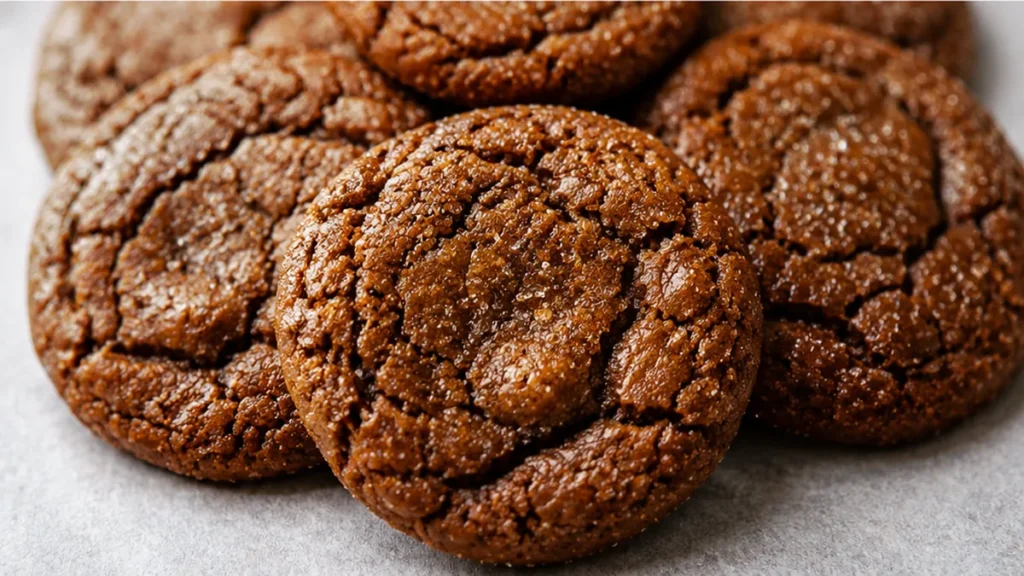
Molasses cookies are a classic comfort, and this gluten-free recipe offers all the warmth and chewiness you crave. Crafted with wholesome ingredients, these spiced cookies are perfect for any occasion.
Key takeaways
- The balance of sugars (brown sugar and molasses) is key for moisture and chewiness.
- Properly softened butter, not melted, is crucial to prevent excessive spreading.
- Do not overbake; remove cookies when centers are slightly underdone.
- Accurate flour measurement and fresh spices ensure the best flavor and texture.
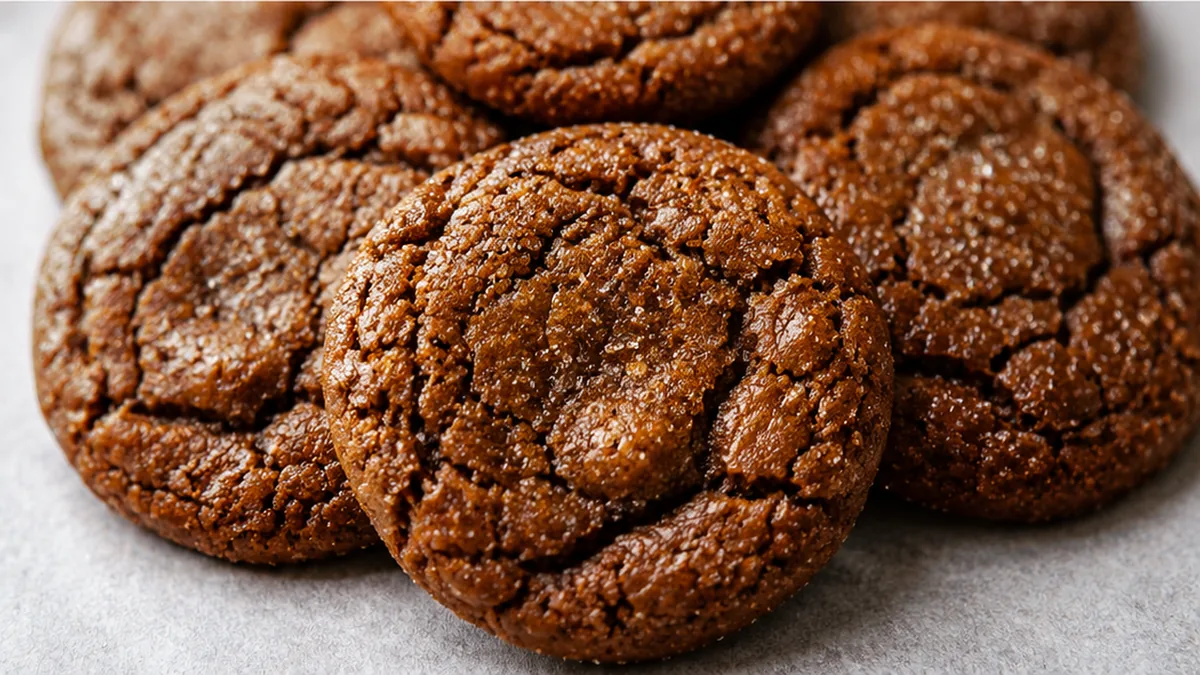
” Chewy Gluten-Free Molasses Cookies”
Ingredients
Method
- In the bowl of a stand mixer, or in a large mixing bowl, mix together the egg, sugar, vanilla, almond butter, molasses, and butter until smooth and creamy.
- Add the remaining ingredients (including gluten-free flour) and mix thoroughly until combined. Cover and refrigerate the dough for at least 1 hour.
- Preheat the oven to 350F. Place about 1/2 cup of sugar in a bowl, if using. Scoop out 1-2 tablespoon-sized balls of dough and roll in the sugar. Place on a baking sheet.
- Bake for 9-11 minutes, until the edges are golden and the center has set. Cool on the pan for 2-3 minutes before moving to a wire rack to cool completely. Enjoy!
Notes
– If you’re using vegan butter, ensure it’s a good quality stick variety for best results in texture and flavor.
– Store these molasses cookies in an airtight container at room temperature for up to 5 days, or freeze the baked cookies for up to 3 months. Thaw at room temperature before serving. Nutrition information is an estimate, calculated automatically. Values vary with brands, substitutions and portion sizes.
The Technique That Makes Them Chewy
The key to achieving chewy molasses cookies lies in the balance of ingredients and the baking process. The combination of brown sugar and molasses is crucial. Brown sugar contains molasses, and adding extra molasses further contributes to moisture and chewiness. These sugars are hygroscopic, meaning they attract and retain water, which prevents the cookies from drying out and becoming crisp. The fat content, from almond butter and butter, also plays a role in tenderness and chewiness by coating flour particles and inhibiting gluten development (even in a gluten-free blend, some structure forms). Proper creaming of the softened butter and brown sugar incorporates air for a lighter texture, but overmixing after adding the flour can still lead to toughness. The relatively low flour-to-sugar/fat ratio in this recipe is designed to yield a softer, chewier cookie rather than a crisp one. Baking at the correct temperature and for the right duration is paramount. Overbaking will evaporate too much moisture, resulting in a hard cookie. These cookies should be removed from the oven when the edges are set but the centers still appear slightly underdone, as they will continue to firm up on the baking sheet.
Troubleshooting
- Cookies spread too much and became thin: Ensure your butter is softened, not melted. Melted butter will cause excessive spreading. Also, chilling the dough for 30 minutes before baking can help control spread.
- Cookies are too cakey or dry: You may have overbaked them. Try reducing the baking time by 1-2 minutes. Ensure your gluten-free flour blend has a good binder like xanthan gum, or the cookies might lack structure and dry out faster.
- Cookies are hard and crumbly: This often indicates too much flour or not enough moisture. Measure your flour accurately, using the spoon-and-level method. Double-check that you used the full amount of molasses and brown sugar.
- Cookies lack flavor: Ensure your spices are fresh. Old spices lose their potency. Also, make sure you used the full amount of salt, as it enhances all the other flavors.
Substitutions
- Almond butter: Substitute with cashew butter or sunflower seed butter for a similar nutty flavor and texture. The cookies will be slightly different in flavor profile but should maintain chewiness.
- Butter: Use a solid vegan butter substitute (like Miyoko’s Kitchen or Melt) for a vegan option. Coconut oil (solid, not melted) can also work, though it may impart a slight coconut flavor and slightly alter texture.
- Gluten-free all-purpose flour blend: If you don’t have a blend, you can try a mix of 3/4 cup rice flour, 1/2 cup tapioca starch, and 1/4 cup potato starch, plus 1/2 teaspoon xanthan gum. Results may vary slightly depending on the specific blend.
- Brown sugar: Coconut sugar can be used as a substitute, but it will result in a less moist cookie with a slightly different caramel flavor.
Pro tips
- For the chewiest molasses cookies, slightly underbake them, taking them out when the edges are just golden but the center still looks a little soft.
- If you’re using vegan butter, ensure it’s a good quality stick variety for best results in texture and flavor.
- Store these molasses cookies in an airtight container at room temperature for up to 5 days, or freeze the baked cookies for up to 3 months. Thaw at room temperature before serving.
These gluten-free molasses cookies are a delightful addition to any cookie plate, bringing warmth and joy with every bite. Try this recipe and share your beautifully spiced creations!
Frequently asked questions
Why are my cookies spreading too much?
Excessive spreading is usually caused by using melted butter instead of softened butter. Ensure your butter is at room temperature but not liquid. Chilling the dough for at least 30 minutes before baking can also help firm up the fats and control spread.
How can I make my cookies chewier?
Chewiness comes from the high sugar content, particularly molasses and brown sugar, which attract moisture. Ensure you are not overbaking. Remove the cookies when the edges are set but the centers still look slightly soft. They will continue to cook on the hot baking sheet.
Can I use a different type of flour?
This recipe relies on a gluten-free all-purpose blend for structure. Substituting with a single type of gluten-free flour (like only almond or coconut flour) will significantly alter the texture, likely resulting in a more crumbly or dry cookie. Using a blend designed for baking is recommended.
My cookies taste bland, what did I miss?
Ensure your spices (cinnamon, ginger, nutmeg) are fresh, as old spices lose their potency. Also, confirm you included the correct amount of salt, as it is essential for enhancing all the other flavors in the cookie, including the molasses.
Try this next: Brown Butter Snickerdoodles: The SECRET to Chewy Perfection!
More from Gluten-Free Desserts & Sweets →