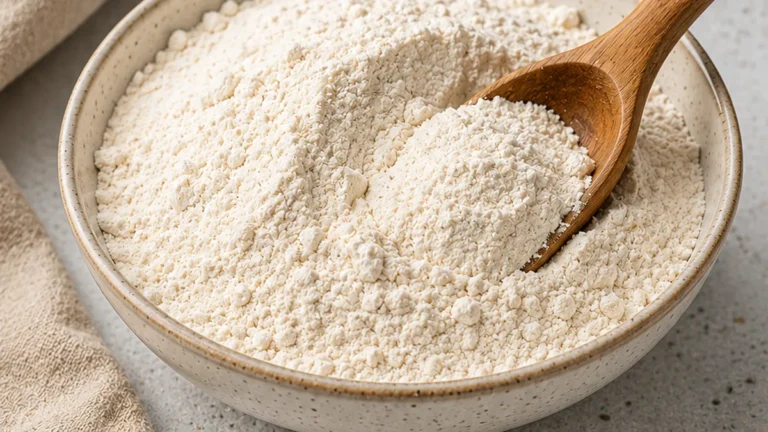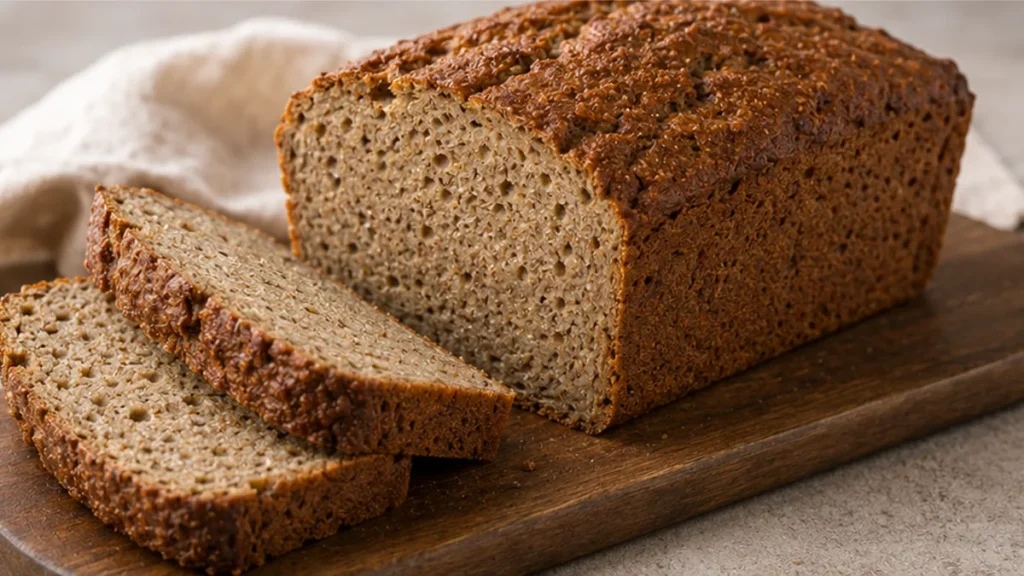
This buckwheat bread recipe is a real upgrade for anyone seeking delicious, moist gluten-free options. Forget dry, crumbly loaves; this recipe delivers a tender crumb and rich, nutty flavor that rivals traditional bread. Perfectly suited for those with gluten sensitivities or anyone looking to explore healthier baking, this buckwheat bread is surprisingly simple to prepare. It uses common gluten-free pantry staples to create a loaf that’s both satisfying and wholesome.
Key takeaways
- The key to moist gluten-free buckwheat bread lies in the binders: psyllium husk and xanthan gum.
- Proper hydration and water temperature are critical for yeast activation and dough structure.
- Allow the bread to cool completely before slicing to avoid a gummy texture.
- Adjustments can be made for troubleshooting dryness, density, or stickiness.
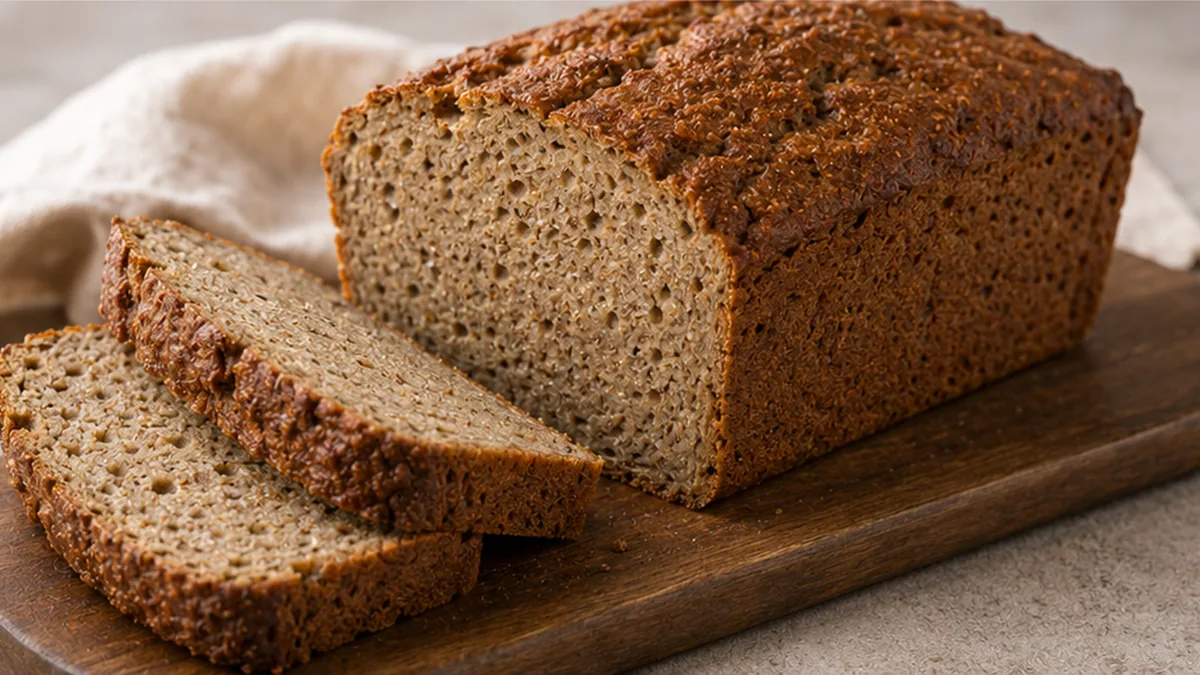
Moist Buckwheat Bread: Your GF Obsession!
Ingredients
Method
- Preheat oven to 350°F (175°C). Line an 8×4-inch loaf pan with parchment paper or grease it well.
- In a large bowl, whisk together buckwheat flour, tapioca flour, psyllium husk powder, xanthan gum, instant yeast, and salt.
- Add warm water, oil, and maple syrup (if using). Stir until just combined. The batter will be thick and sticky. Cover the bowl and let it rest for about 1 hour.
- Transfer the thick batter to the prepared loaf pan. Smooth the top. Let it rest for another 30-60 minutes until risen by about 50%.
- Bake for 40–45 minutes until the top is dark brown and the bread sounds hollow when tapped.
- Let the bread cool in the pan for 10 minutes before transferring it to a wire rack to cool completely. Slice and enjoy!
Notes
– Don’t skip the resting times; they are crucial for texture development.
– For a deeper flavor, you can add seeds like sunflower or pumpkin to the batter. Allergens: Wheat. Nutrition information is an estimate, calculated automatically. Values vary with brands, substitutions and portion sizes.
The technique that makes it
The success of this moist buckwheat bread hinges on a few key techniques that address the unique properties of gluten-free flours. Buckwheat flour, while flavorful, lacks gluten, the protein network that provides structure and elasticity in traditional bread. To compensate, we rely on a combination of binders and proper hydration. Psyllium husk powder is crucial here. When hydrated, it forms a gel that mimics gluten’s binding and structural properties, contributing significantly to the bread’s chewiness and preventing it from crumbling. Xanthan gum further enhances this binding, ensuring a cohesive dough. The specific ratio of flours is also important: buckwheat provides the primary flavor and texture, while tapioca flour adds lightness and a tender crumb. Ensuring the water is at the correct temperature (105-110F) is vital for activating the instant yeast. Too cool, and the yeast won’t activate properly, leading to a dense loaf; too hot, and you risk killing the yeast. The oil contributes to moisture and tenderness, while the maple syrup not only adds a subtle sweetness but also aids in browning and yeast activity. Allowing the dough to rest sufficiently after mixing is essential for the psyllium husk to fully hydrate and form its gel structure, which is fundamental for achieving a moist and well-risen loaf.
Troubleshooting
- Problem: Bread is dry and crumbly.
Fix: This often indicates insufficient hydration or binder. Ensure you measured the psyllium husk powder and xanthan gum accurately. Using slightly more warm water (an extra tablespoon or two) might help, but add it gradually to avoid a sticky dough. Make sure the bread is not overbaked; check for doneness earlier if it seems to be drying out. - Problem: Bread did not rise well and is dense.
Fix: The yeast may not have been active. Verify the water temperature was within the 105-110F range. Ensure your yeast was fresh and within its expiration date. Instant yeast should be mixed directly into the dry ingredients. - Problem: Bread has a gummy texture.
Fix: This can happen if the bread is sliced while still too warm, or if the psyllium husk hasn’t fully hydrated. Allow the bread to cool completely on a wire rack before slicing. Ensure the psyllium husk powder is fresh and properly incorporated. - Problem: Bread is too sticky to handle.
Fix: Gluten-free doughs, especially those with psyllium husk, can be sticky. Lightly oiling your hands or using a silicone spatula can help manage the dough during shaping. If it’s excessively wet, a tiny bit more tapioca flour or buckwheat flour might be needed, but be cautious not to add too much.
Substitutions
- Buckwheat Flour: While this recipe is designed for buckwheat, you could substitute a portion with another gluten-free flour like sorghum flour or brown rice flour for a slightly different flavor profile and texture. However, pure buckwheat provides the signature taste.
- Tapioca Flour: Arrowroot starch or cornstarch can be used as a substitute for tapioca flour. This will slightly alter the crumb texture but should still yield good results.
- Psyllium Husk Powder: Ground flaxseed or chia seeds, when mixed with water to form a gel (1 tablespoon seeds to 3 tablespoons water, let sit for 5-10 minutes), can offer some binding properties. However, psyllium husk is superior for bread structure and moisture retention.
- Maple Syrup: Honey or agave nectar can be used as a sweetener. A granulated sugar like coconut sugar or regular sugar will also work, though they may slightly affect the moisture content and flavor.
Pro tips
- Ensure your water is warm (105-110F) to properly activate the yeast.
- Don’t skip the resting times; they are crucial for texture development.
- For a deeper flavor, you can add seeds like sunflower or pumpkin to the batter.
Enjoy this wholesome and delicious buckwheat bread! It’s a versatile staple that brings joy back to gluten-free eating.
Try this next: Fluffy Almond Flour Biscuits: Gluten-Free Perfection!
More from Gluten-Free Bread & Baking →
Read also on TastyBend: Saltines Nutritional Value: Expert RD Guide to Cracker Facts 2026.
Explore our food network:
- Greek Baked Orzo: Your New Weeknight Obsession — PastaPeak
- Golden Spaghetti Squash Alfredo – Creamy Bliss! — VeganStove
Frequently asked questions
Can I substitute almond flour for buckwheat flour in this bread?
While almond flour can be used in gluten-free baking, it has a different absorption rate and fat content than buckwheat flour. Substituting it directly may result in a denser, oilier bread. It’s best to stick with buckwheat flour for this specific recipe’s intended texture and flavor. If you must substitute, start with a 1:1 ratio and be prepared to adjust liquid.
How do I know when the moist buckwheat bread is fully baked?
The bread is done when a wooden skewer or toothpick inserted into the center comes out clean, with no wet batter attached. The crust should be a deep golden brown and the loaf should feel firm to the touch. You can also check for internal temperature, aiming for around 200-210°F (93-99°C).
Can I make this buckwheat bread ahead of time and freeze it?
Yes, this moist buckwheat bread freezes beautifully. Allow the bread to cool completely before slicing or freezing whole. Wrap it tightly in plastic wrap, then in foil or a freezer bag to prevent freezer burn. It can be stored in the freezer for up to 3 months. Thaw at room temperature.
What are the best ways to serve moist buckwheat bread?
This bread is delicious served simply toasted with butter or your favorite spread. It also makes a fantastic base for avocado toast or as a side for soups and stews. For a heartier option, try it with cream cheese and smoked salmon or a drizzle of honey.