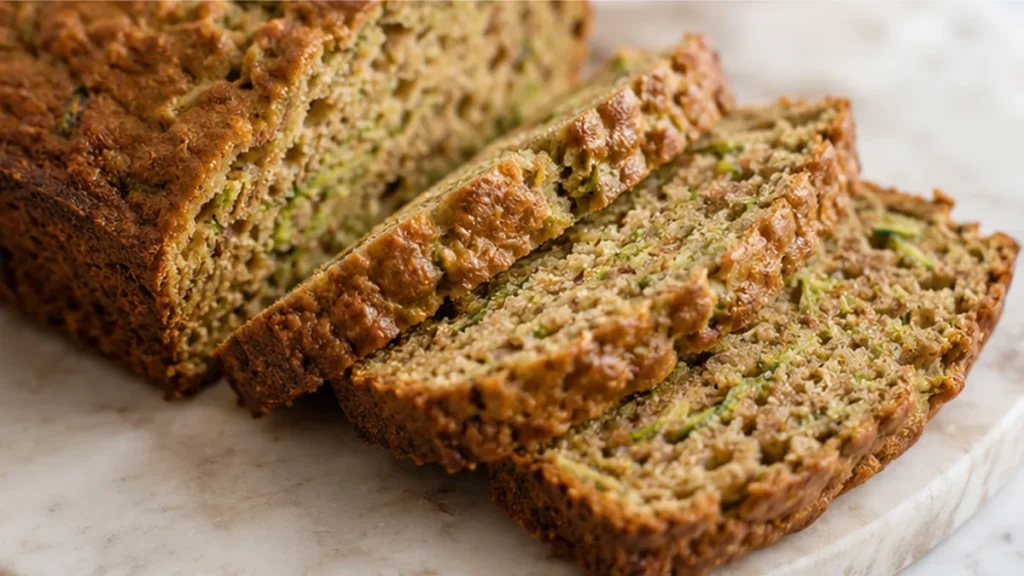
This gluten-free zucchini bread recipe yields a moist and flavorful loaf. It’s a straightforward method for enjoying a classic baked good without gluten. Perfect for breakfast or a snack.
Key takeaways
- Use a 1:1 gluten-free baking flour blend for best results.
- Grate zucchini finely and squeeze out excess moisture.
- Do not overmix the batter once the flours are added.
- Bake until a toothpick inserted into the center comes out clean.
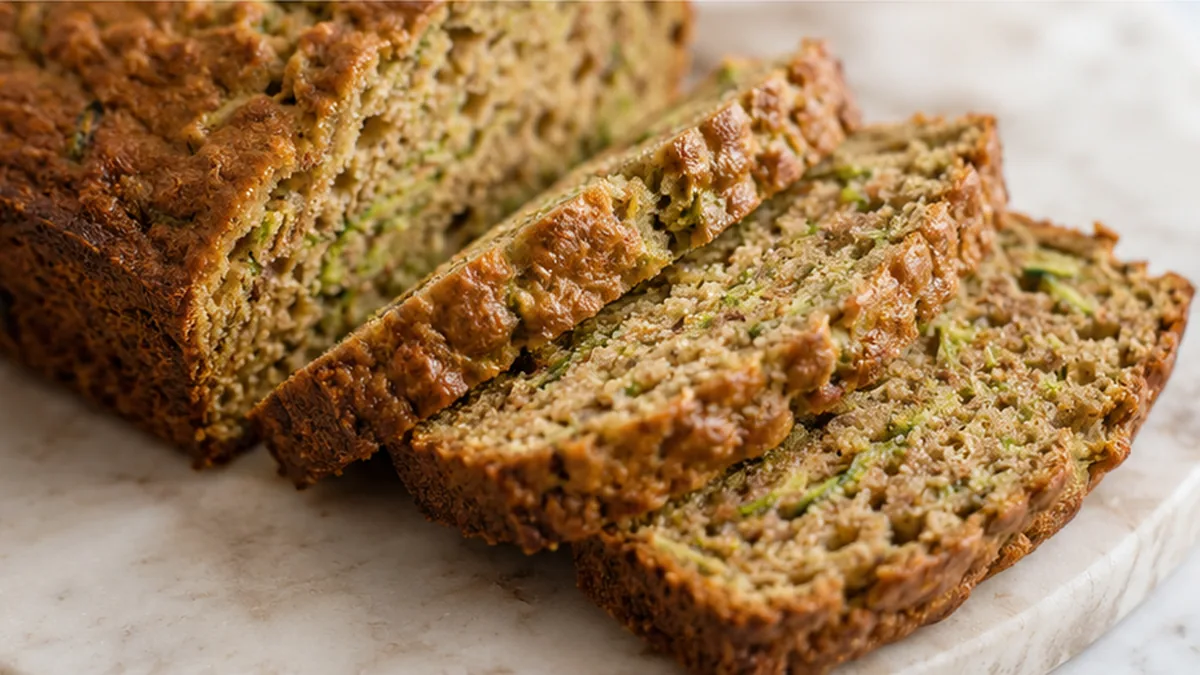
” Delicious Gluten-Free Zucchini Bread”
Ingredients
Method
- Preheat the oven to 350°F. Grease 3 mini loaf pans (or one 9×5 loaf pan) with cooking spray or coconut oil.
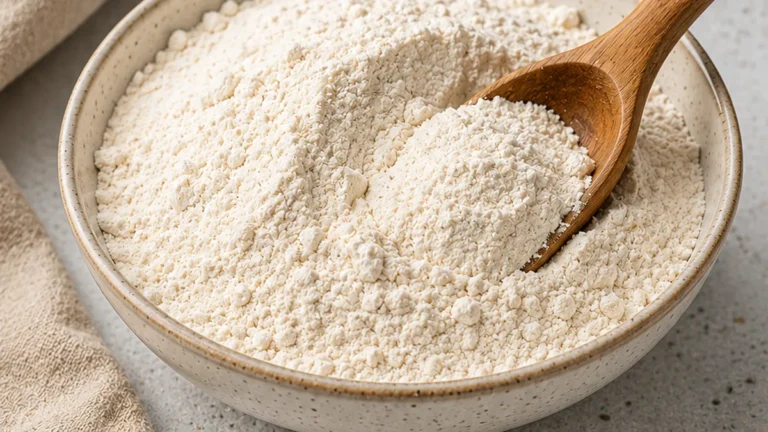
- In a medium bowl, combine the gluten-free 1:1 baking flour, almond flour, baking powder, baking soda, salt, cinnamon, and nutmeg. Whisk to evenly distribute.
- In a separate bowl, whisk together the brown sugar, white sugar, eggs, oil, almond milk, lemon juice, and vanilla extract until well combined.
- Add the wet ingredients to the dry ingredients and mix on low with a hand mixer until just combined. Fold in the grated zucchini and walnuts or chocolate chips.
- Pour the batter into the prepared loaf pans. Bake for 30-35 minutes, until set in the middle.
- Let sit in the pan for 10 minutes to cool, then turn out onto a wire rack to continue cooling. Store leftovers wrapped tightly in plastic wrap at room temperature. Enjoy!
Notes
– For perfectly moist gluten-free zucchini bread, ensure your oven temperature is accurate. Use an oven thermometer if unsure. If the top browns too quickly, tent loosely with foil.
– Storage: This gluten-free zucchini bread stays fresh wrapped tightly in plastic wrap at room temperature for up to 3 days, or in the refrigerator for up to a week. It also freezes beautifully for up to 3 months; thaw overnight at room temperature. Nutrition information is an estimate, calculated automatically. Values vary with brands, substitutions and portion sizes.
The Science Behind a Perfect Gluten-Free Zucchini Bread
Achieving a moist and tender gluten-free zucchini bread relies on understanding how the ingredients interact, especially in the absence of gluten. The combination of gluten-free 1:1 baking flour and almond flour provides structure without the elasticity gluten offers. The 1:1 flour blend typically contains xanthan gum, which acts as a binder and emulsifier, mimicking some of gluten’s functions. Almond flour contributes moisture and a rich flavor. Baking powder and baking soda are crucial chemical leaveners. Baking soda, activated by the brown sugar (an acid) and lemon juice, provides initial lift, while baking powder offers sustained leavening during baking. The oil and almond milk are the primary sources of moisture, preventing the bread from becoming dry. Grated zucchini, when properly squeezed, releases moisture during baking, further contributing to tenderness. It’s vital not to overmix the batter once the flours are added; this can lead to a tough texture, even without gluten, by overworking the binders.
Troubleshooting Common Issues
- Problem: Bread is dry and crumbly. Fix: Ensure you are measuring your gluten-free flour accurately (spoon and level method). Also, check that your zucchini was well-drained; excess moisture loss during baking can lead to dryness. Avoid overbaking by checking for doneness with a toothpick inserted into the center.
- Problem: Bread is gummy or dense. Fix: This often occurs from under-leavening or too much moisture. Double-check the freshness of your baking powder and baking soda. Ensure the zucchini was grated finely and not packed too tightly into the measuring cup. Overmixing can also contribute to a dense texture.
- Problem: Bread has a sunken center. Fix: A sunken center can be caused by opening the oven door too early, underbaking, or too much leavening. Ensure your oven temperature is accurate and avoid disturbing the bread during the initial baking stages. Bake until a toothpick comes out clean.
- Problem: Uneven texture or pockets of flour. Fix: This indicates the dry and wet ingredients were not fully combined. Whisk the dry ingredients thoroughly before adding them to the wet ingredients. Mix until just combined, ensuring no large pockets of unincorporated flour remain.
Ingredient Substitutions and Their Impact
- For 1:1 Gluten-Free Baking Flour: You can use a homemade blend of rice flour, tapioca starch, and potato starch, plus xanthan gum. The result will be similar in structure, but the flavor profile might vary slightly depending on the specific flours used.
- For Almond Milk: Any dairy or non-dairy milk (like soy, oat, or regular milk) can be used. The bread’s moisture content and tenderness will remain largely unaffected.
- For Oil: Melted butter can be substituted for oil. This will add a richer, buttery flavor but may result in a slightly denser crumb compared to using oil.
- For Walnuts/Chocolate Chips: Substitute with other nuts like pecans or add dried fruit like cranberries or raisins. The texture and flavor of the bread will change based on the addition, offering a different taste experience.
Pro tips
- Don’t overmix the batter once the wet and dry ingredients are combined; mix just until no streaks of flour remain to ensure a tender crumb.
- For perfectly moist gluten-free zucchini bread, ensure your oven temperature is accurate. Use an oven thermometer if unsure. If the top browns too quickly, tent loosely with foil.
- Storage: This gluten-free zucchini bread stays fresh wrapped tightly in plastic wrap at room temperature for up to 3 days, or in the refrigerator for up to a week. It also freezes beautifully for up to 3 months; thaw overnight at room temperature.
This gluten-free zucchini bread is a truly delightful and versatile recipe. Experiment with adding different spices or nuts next time. Happy baking!
Frequently asked questions
Can I use fresh zucchini instead of grated?
No, fresh zucchini must be grated. Grating breaks down the zucchini’s cell walls, allowing it to release moisture and integrate smoothly into the batter, ensuring even baking and a tender crumb. Whole pieces would remain raw and disrupt the bread’s texture.
Why is my gluten-free zucchini bread dense?
Density in gluten-free baking can stem from several factors. Ensure your leavening agents (baking powder and soda) are fresh. Overmixing the batter after adding the flours can also lead to a dense texture. Additionally, insufficient moisture from the zucchini or inaccurate flour measurement can contribute.
How do I prevent my zucchini bread from being soggy?
The key to avoiding sogginess is to adequately drain the grated zucchini. Squeeze out as much liquid as possible using paper towels or a clean kitchen towel before adding it to the batter. This prevents excess moisture from making the bread heavy and undercooked in the center.
Can I make this zucchini bread vegan?
To make this recipe vegan, you would need to substitute the eggs with a flax egg (1 tablespoon flaxseed meal + 3 tablespoons water per egg, let sit for 5 minutes) or a commercial egg replacer. Ensure your chocolate chips are dairy-free if using.
Try this next: The Best Gluten-Free Banana Bread Recipe
More from Gluten-Free Bread & Baking →