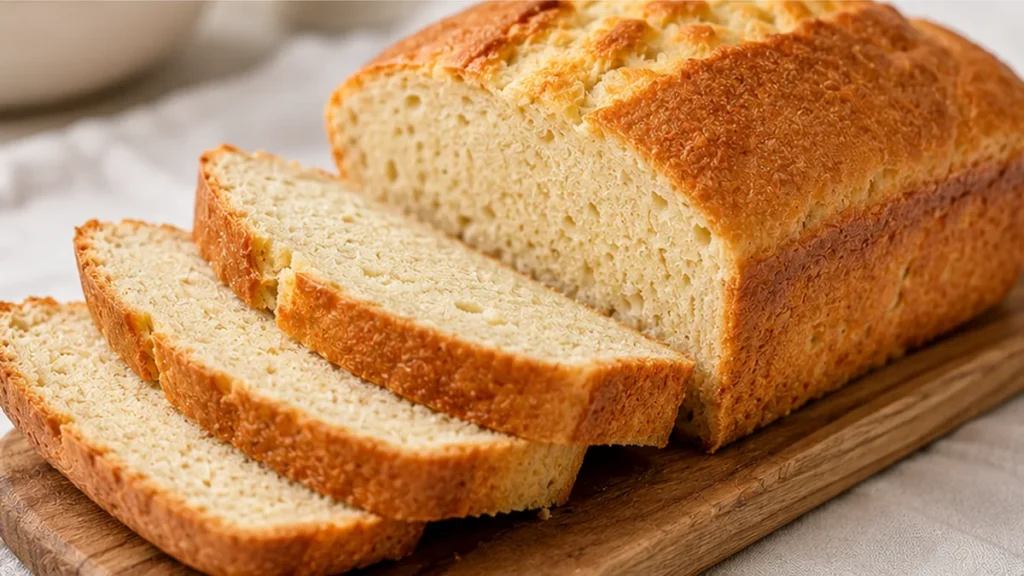
Discover the ultimate gluten-free cassava bread, a recipe that redefines expectations for alternative baking. This loaf is incredibly soft, moist, and has a delightful texture that rivals traditional wheat bread. Perfect for those with celiac disease or gluten sensitivities, this recipe uses simple ingredients to create a truly satisfying bread. Cassava bread has gained popularity for its unique properties, offering a neutral flavor and a tender crumb. Unlike many gluten-free alternatives that can be dry or gummy, this recipe ensures a perfect rise and a delightful eating experience every time. this guide will help you achieve gluten-free bread perfection.
Key takeaways
- The synergy between cassava and tapioca flour creates a desirable gluten-free bread texture.
- Proper activation of baking soda with acidic ingredients (buttermilk, yogurt) is key for lift.
- Accurate flour measurement and avoiding overmixing are crucial for preventing a dense or gummy crumb.
- Troubleshooting common issues like density or crumbliness involves checking leavener freshness and baking time.
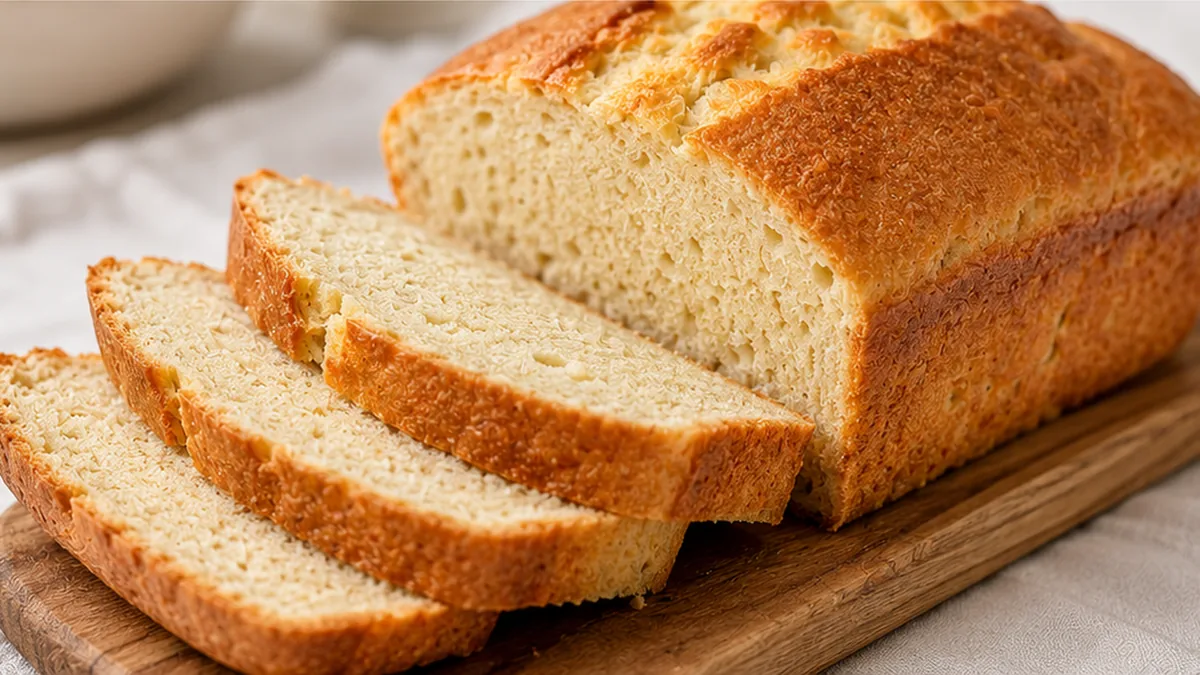
Ultimate Cassava Bread: Gluten-Free Heaven!
Ingredients
Method
- Preheat oven to 350°F (177°C) and line a 4×8 or 5×9 loaf pan with parchment paper.
- In a medium bowl, whisk together the cassava flour, tapioca flour, baking powder, baking soda and salt.
- In a large measuring cup, whisk together the eggs, buttermilk, Greek yogurt, oil and honey, until well combined.
- Pour the egg mixture into the dry flour mixture and stir until well combined and no pockets of flour remain. Make sure not to overmix.
- Evenly spread the batter into the prepared pan.
- Bake for 35-40 minutes, or until a toothpick inserted into the center comes out clean.
- Let the bread cool in the pan for 10-15 minutes, then transfer to a rack to finish cooling.
Notes
– Do not overmix the batter once wet and dry ingredients are combined.
– Use the toothpick test to ensure the center is fully cooked before removing from oven. Allergens: Milk. Nutrition information is an estimate, calculated automatically. Values vary with brands, substitutions and portion sizes.
The technique that makes it
The magic behind this Ultimate Cassava Bread lies in the careful balance of gluten-free flours and the leavening agents. Cassava flour provides the bulk and a slightly chewy texture reminiscent of traditional bread, while tapioca flour contributes to a lighter crumb and helps bind the ingredients. The combination of baking powder and baking soda is crucial for lift. Baking powder is a double-acting leavener, meaning it reacts with both moisture and heat to produce carbon dioxide gas, which makes the bread rise. Baking soda, an alkali, reacts with the acidic components in the recipe – the buttermilk and Greek yogurt – to create additional carbon dioxide for a better rise and a tender crumb. Properly incorporating these dry ingredients ensures even distribution of the leaveners, preventing dense spots or uneven baking. The wet ingredients, including eggs for structure and richness, buttermilk and yogurt for moisture and acidity, and olive oil and honey for tenderness and subtle sweetness, are whisked together to create an emulsified base. Gently folding the wet into the dry ingredients is key; overmixing can toughen the crumb, even in a gluten-free recipe. The resting time before baking allows the flours to fully hydrate, which is essential for achieving the best texture with cassava flour.
Troubleshooting
- Problem: Bread is dense and heavy.
Fix: Ensure your baking powder and baking soda are fresh and active. Measure flours accurately by weight if possible, or use the “spoon and level” method to avoid packing too much flour. Don’t overmix the batter after combining wet and dry ingredients. - Problem: Bread is crumbly and falls apart.
Fix: This often indicates insufficient binding. Ensure eggs are well incorporated. The combination of buttermilk and yogurt provides moisture; if you substituted with less acidic liquids, consider adding a touch more binder like an extra egg yolk or a tablespoon of psyllium husk (though this may alter texture slightly). - Problem: Bread has a gummy texture.
Fix: This can happen if the cassava flour is not fully hydrated or if the bread is underbaked. Ensure you allow the batter to rest for at least 10 minutes before baking. Bake until a skewer inserted into the center comes out clean and the internal temperature reaches around 200-210°F (93-99°C). - Problem: Bread is too sweet or not sweet enough.
Fix: Adjust the honey amount to your preference. Remember that the sweetness is subtle and meant to complement, not overpower. If you omit honey, the bread may be less tender.
Substitutions
- Cassava Flour: While the focus is on cassava, a blend of 1 cup almond flour and ½ cup tapioca flour could be used, but the texture will be noticeably different, likely denser and more crumbly.
- Tapioca Flour: Arrowroot starch or potato starch can be substituted 1:1 for tapioca flour. This will result in a slightly different crumb structure, potentially a bit softer.
- Buttermilk: A mixture of 1/2 cup milk (dairy or non-dairy) with 1/2 tablespoon lemon juice or white vinegar, left to sit for 5 minutes, can replace buttermilk. This will provide the necessary acidity for leavening.
- Greek Yogurt: Unsweetened regular yogurt or sour cream can be used as a 1:1 substitute. This maintains the moisture and acidity needed for the recipe.
- Honey: Maple syrup or agave nectar can be used as a liquid sweetener substitute. The flavor profile will change slightly.
Pro tips
- Ensure your oven temperature is accurate for best results.
- Do not overmix the batter once wet and dry ingredients are combined.
- Use the toothpick test to ensure the center is fully cooked before removing from oven.
Enjoy this versatile cassava bread as a base for sandwiches, toast, or simply with a spread of butter. Experiment with additions like herbs or seeds for a personalized touch.
Try this next: Moist Buckwheat Bread: Your GF Obsession!
More from Gluten-Free Bread & Baking →
Frequently asked questions
Can I substitute almond flour for cassava flour in this bread?
Almond flour has a different fat content and absorption rate than cassava flour. While you can try it, the texture and moisture of the bread will likely change significantly. You may need to adjust the liquid and fat ratios. It’s best to stick with cassava flour for this specific recipe’s intended outcome.
How do I know when the cassava bread is fully baked?
The bread is done when a toothpick inserted into the center comes out clean, with no wet batter attached. The top should be golden brown and firm to the touch. If the top is browning too quickly, you can loosely tent it with foil during the last part of baking.
Can I make this cassava bread ahead of time?
Yes, this cassava bread can be baked up to two days in advance. Allow it to cool completely before storing. For longer storage, you can freeze individual slices or the whole loaf, wrapped tightly in plastic wrap and then in foil, for up to three months.
How should I store leftover cassava bread?
Once cooled, store leftover cassava bread in an airtight container at room temperature for up to two days. For longer storage, refrigerate it for up to a week. Reheat slices gently in a toaster oven or a dry skillet to refresh their texture.