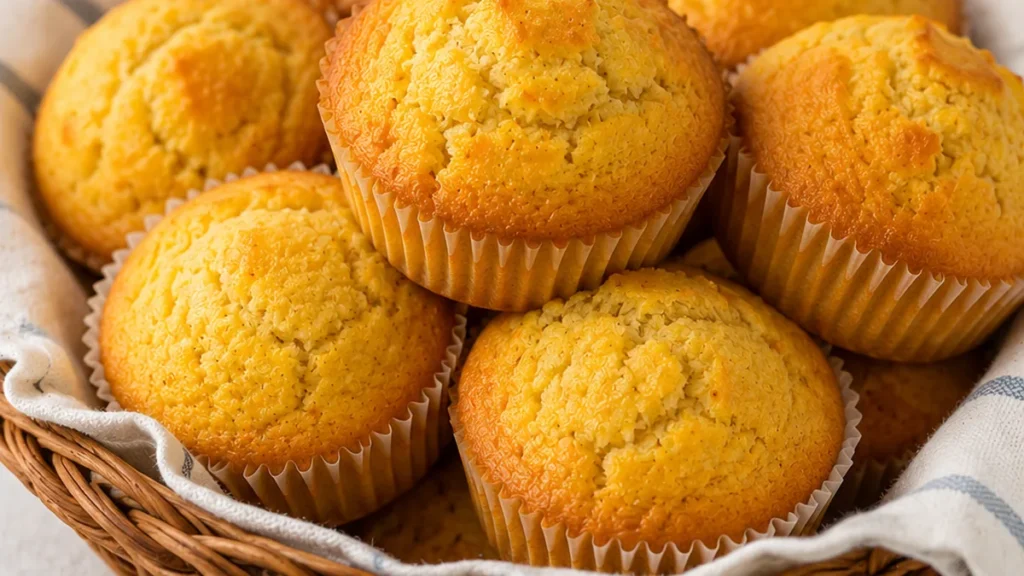
These gluten-free corn muffins are a simple, satisfying bake. This recipe focuses on achieving a fluffy texture with common pantry ingredients, perfect for any occasion.
Key takeaways
- The recipe relies on the dual action of baking powder for lift.
- Accurate measurement of gluten-free ingredients is crucial for texture.
- Avoid overmixing the batter to maintain a tender crumb.
- Baking time and temperature are key to preventing dryness or sinking.
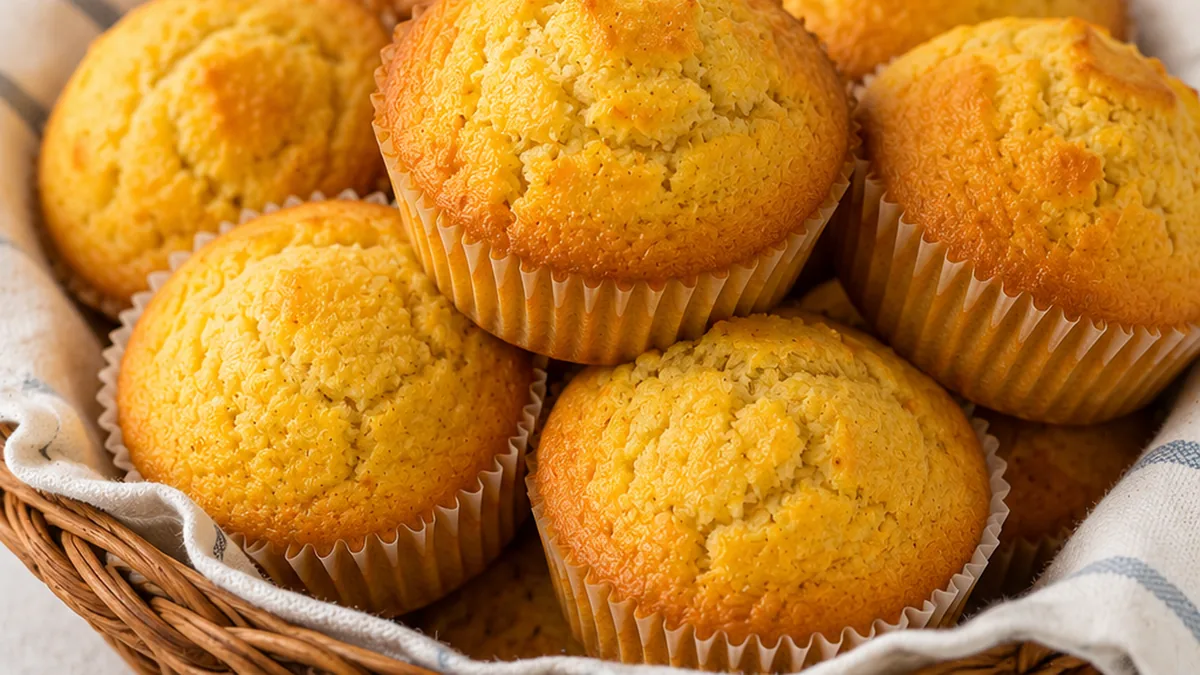
Fluffy Gluten-Free Corn Muffins: So Easy, So Delicious!
Ingredients
Method
- Preheat the oven to 400°F. Line a muffin pan with baking cups.
- In a large bowl, combine the cornmeal, gluten-free flour, sugar, baking powder, and salt. Whisk briefly to combine.
- In another bowl, whisk together the eggs, milk, and melted butter until well combined.
- Pour the wet ingredients into the dry ingredients. Stir gently until just combined. The batter will look pillowy due to the baking powder, ensuring light, fluffy muffins. Avoid overmixing.
- Scoop the batter evenly into the prepared muffin pan, filling each cup about two-thirds full.
- Bake for 15-20 minutes, or until a toothpick inserted into the center of a muffin comes out clean. Serve warm and enjoy!
Notes
– Use room temperature eggs and milk: This helps them incorporate better into the batter, leading to a smoother consistency and better rise.
– Storage: Store leftover corn muffins in an airtight container at room temperature for up to 3 days, or freeze for up to 3 months. Reheat gently in the microwave or oven. Nutrition information is an estimate, calculated automatically. Values vary with brands, substitutions and portion sizes.
The Science Behind Fluffy Corn Muffins
The key to achieving light and fluffy gluten-free corn muffins lies in the interplay of leavening agents and the absence of gluten. Baking powder, a double-acting leavener, is crucial here. Upon initial mixing with wet ingredients, it releases carbon dioxide gas. When exposed to the heat of the oven, it releases a second burst of gas. This dual action creates the lift necessary to counteract the denser texture often associated with gluten-free baking. The gluten-free cornmeal and flour absorb moisture differently than their gluten-containing counterparts. Ensuring the correct ratio of wet to dry ingredients, as provided in this recipe, is vital for proper hydration. The melted butter contributes richness and tenderness by coating the flour particles, inhibiting excessive gluten development (though not a concern with GF flour, it still affects texture) and contributing to a moist crumb. The eggs provide structure and binding, and their protein coagulates during baking, setting the muffin’s shape. Proper mixing is also important; overmixing can still lead to a tougher muffin, even without gluten, by activating starches too much. A gentle fold until just combined is ideal.
Troubleshooting
- Problem: Muffins are dense and heavy.
Fix: Ensure your baking powder is fresh and active. Overmixing the batter can also cause this; mix only until the dry ingredients are just incorporated. - Problem: Muffins are dry and crumbly.
Fix: Double-check your ingredient measurements, particularly the flour and cornmeal. Too much dry ingredient or not enough liquid will result in dryness. Ensure you haven’t overbaked them; check for doneness with a toothpick. - Problem: Muffins have a gummy texture.
Fix: This can happen if the batter is underbaked or if there’s too much liquid relative to the dry ingredients. Ensure the muffins are baked through and that your measurements are accurate. - Problem: Muffins sink in the center.
Fix: This often indicates the oven temperature was too low, or the baking powder was not sufficiently active. Ensure your oven is accurately preheated and use fresh baking powder.
Substitutions
- Milk: You can substitute any non-dairy milk, such as almond, soy, or oat milk. The muffins will have a similar texture, but the flavor profile might be slightly altered depending on the milk chosen.
- Butter: Coconut oil or a neutral vegetable oil (like canola or grapeseed) can be used instead of butter. This will result in a slightly different flavor and potentially a lighter crumb.
- Granulated Sugar: Brown sugar or coconut sugar can be used. This will add a slightly deeper, caramel-like flavor and may result in a slightly darker muffin.
- Gluten-Free Measure-for-Measure Flour: If you have a specific blend you prefer, ensure it contains xanthan gum, as this recipe relies on it for binding. The texture might vary slightly based on the flour blend’s composition.
Pro tips
- Don’t overmix the batter: Stir just until the wet and dry ingredients are combined. Overmixing can lead to tough muffins.
- Use room temperature eggs and milk: This helps them incorporate better into the batter, leading to a smoother consistency and better rise.
- Storage: Store leftover corn muffins in an airtight container at room temperature for up to 3 days, or freeze for up to 3 months. Reheat gently in the microwave or oven.
This gluten-free corn muffin recipe is a staple for a reason. Enjoy the warmth and comfort they bring to your table. Try adding a touch of honey or a sprinkle of cheese to a few for a delightful variation!
Frequently asked questions
Can I use regular cornmeal instead of gluten-free?
No, this recipe specifically calls for gluten-free cornmeal and gluten-free all-purpose flour. Regular cornmeal contains gluten, which is what this recipe aims to avoid. Using regular cornmeal would defeat the purpose of a gluten-free muffin.
How can I make these muffins dairy-free?
To make these dairy-free, simply substitute the milk with your favorite non-dairy milk alternative, such as almond, soy, or oat milk. Ensure the butter is also replaced with a dairy-free butter substitute or a suitable oil like melted coconut oil.
Why are my gluten-free corn muffins dense?
Density in gluten-free muffins can often be caused by overmixing the batter, which can activate starches excessively, or by using expired baking powder. Ensure your baking powder is fresh and mix the batter only until the dry ingredients are just combined.
Can I add anything to the batter?
Yes, you can add mix-ins like fresh or frozen corn kernels, shredded cheese, or finely diced jalapeños for a savory twist. Be mindful that adding extra ingredients might slightly alter the baking time and texture.
Try this next: Flourless Pumpkin Muffins Recipe
More from Gluten-Free Breakfast & Brunch →