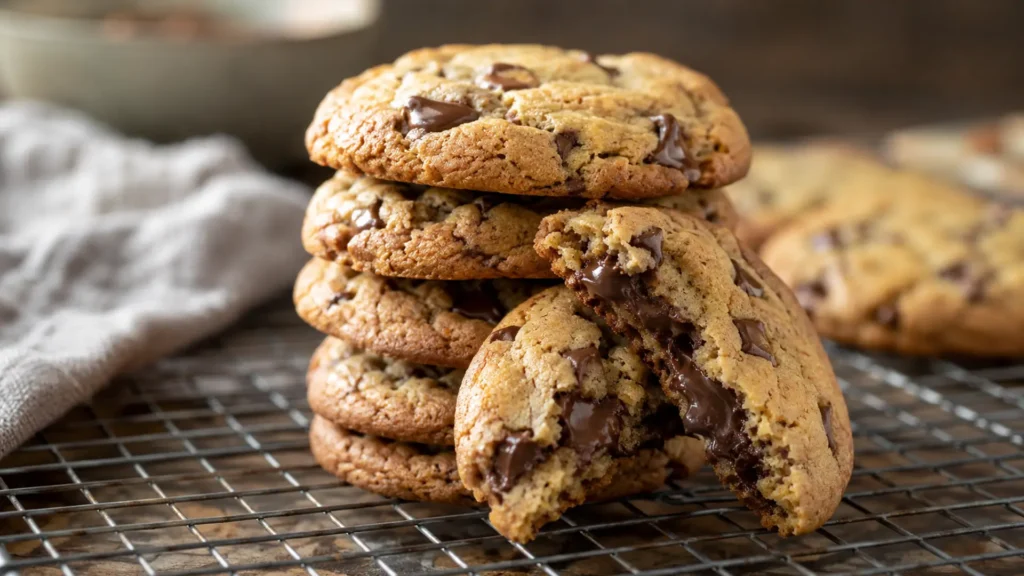
Gluten free cookies are the bake most people try first and give up on fastest, usually after one tray spreads into a single greasy sheet or crumbles the second it leaves the pan. I am Maeve, I bake gluten free every week for a house that takes celiac seriously, and cookies took me longer to get right than bread did. The reason is that a cookie is a tightrope. There is no flour structure to hide behind, so every variable shows up in the texture. This guide covers what makes a cookie gluten free, the flours and binders that behave, where hidden gluten and cross contamination ruin an otherwise clean batch, the brands worth buying, and the specific mistakes that cause spreading, crumbling, and grit. Get these right and a gluten free cookie is genuinely indistinguishable from the wheat version.
Cookies are also where the diet feels most normal again, which is why I think they are worth the effort. A good chocolate chip cookie does not announce that it is gluten free. It just tastes like a chocolate chip cookie. Let me show you how to get there.
What Makes a Cookie Gluten Free
Gluten comes from wheat, barley, and rye. In a standard cookie, the flour is the only major gluten source, so swapping the flour is most of the job. But a cookie relies on flour for more than gluten. Flour absorbs the butter and sugar, sets the spread, and gives the cookie its body. Pull out wheat and put in a gluten free flour, and the cookie behaves differently because the new flour holds liquid and fat in its own way. That is why a one for one swap sometimes works and sometimes produces a puddle.
A cookie is gluten free when the flour, the mix-ins, and everything it touches are free of wheat, barley, and rye. The flour is the headline, but chocolate chips, sprinkles, oats, and flavorings all carry their own risk. The flour question is big enough that I gave it a full guide on gluten free flour types, substitutes, and blends, and I would read that alongside this one if you bake often, since the blend you pick drives everything else.
One myth to drop early. Gluten free cookies are not health food. They carry the same butter and sugar as any cookie, and almond flour versions are often richer. If you are avoiding gluten for celiac disease, that is the whole point and the calories are beside it. If you came for a lighter cookie, gluten free is not the lever you are looking for.
Flours and Binders That Behave
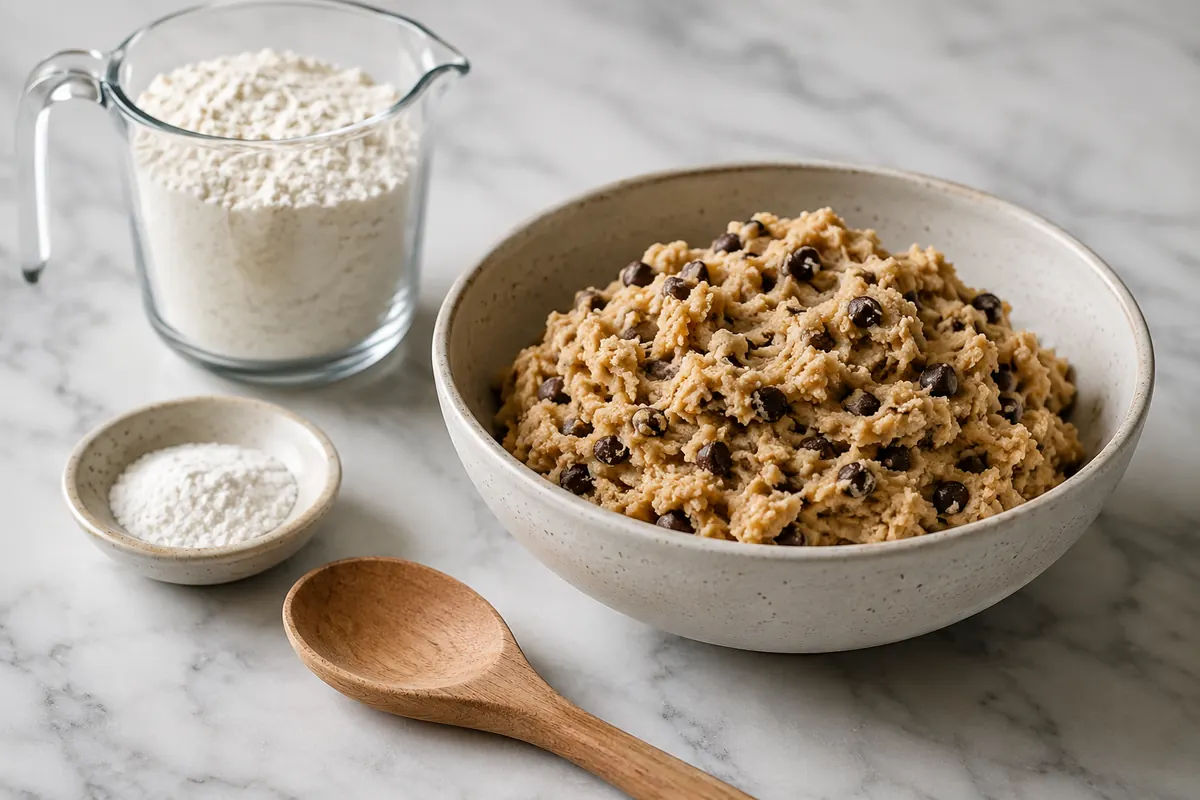
The flour you choose decides the cookie you get. Here is how the common options behave in a cookie specifically, which is different from how they act in a cake or a loaf.
For most cookies, a measure for measure blend with xanthan gum built in is the easiest path. The xanthan gum is doing the binding job that gluten used to do, holding the cookie together so it does not crumble. If your blend has no gum, add about a quarter teaspoon per cup of flour. Skip it and your cookies fall apart on the cooling rack. Almond flour is wonderful for soft, tender cookies, but it has no binding protein of its own, so it leans on eggs and needs careful handling or it spreads thin and greasy.
Oat flour is my secret weapon for anything that should taste homey and a little chewy, but the oats must be certified gluten free. Plain oats are cross contaminated in the field and mill, and a small group of celiacs also react to avenin, a protein in oats themselves, even when certified, which the research on oats in the gluten free diet documents. If you bake oatmeal cookies for someone newly diagnosed, introduce them slowly and watch the response.
One detail that separates a good gluten free cookie from a great one is how you combine flours. A single flour rarely does everything you want, so I blend. A base of a measure for measure blend gives reliability, a spoonful of almond flour adds richness and a tender bite, and a little oat flour brings chew. You do not need to get scientific about it. Start with a tested blend, then once you understand how each flour behaves you can nudge the ratios toward the texture you like. Weighing matters more here than in wheat baking, because gluten free flours pack and settle inconsistently. A scooped cup can hold a wildly different amount of flour from one day to the next, and that variation is the reason a recipe that worked last week fails this week. A cheap kitchen scale removes that guesswork, and once you bake by weight your results stop being random.
Hidden Gluten in Cookie Add-Ins
You can nail the flour and still ruin the batch with a mix-in. This is where I see careful bakers slip. The add-ins are the second front, and they need the same scrutiny as the flour.
Chocolate chips are the one that catches the most people. Most plain chips are gluten free, but some carry barley malt or are made on shared lines, so a labeled chip is worth the small premium. I cover the specifics in my guide to whether chocolate is gluten free, which names brands that are safe and the add-ins that are not. The same care applies if you are crushing graham crackers into a cookie base or a crust, since standard grahams are pure wheat. My roundup of gluten free graham crackers lists the boxes that actually pass.
Cross Contamination at Home
For a celiac household, the cleanest ingredients do not matter if the kitchen contaminates the cookie. Wheat flour is the worst offender because it goes airborne when you scoop or sift it and then settles on every surface for hours. If your kitchen handles both flours, bake the gluten free cookies first, before any wheat flour is open, and wipe everything down.
Shared tools are the quieter risk. A scratched plastic mixing bowl, a wooden spoon, or a cookie sheet with baked on residue can hold gluten in its grooves. I keep dedicated baking sheets, parchment, and a separate sifter for gluten free work, and I never reuse parchment that touched wheat. Toasters and shared flour canisters are out entirely. The national guidance on eating and diet with celiac disease spells out how little gluten it takes to trigger a reaction, which is why this strictness is not paranoia.
Flour storage is a detail people overlook. Gluten free flours should live in sealed containers away from any wheat flour, because an open bag of wheat flour sheds particles that drift and settle. I label my gluten free flour containers clearly so no one in the house grabs the wrong scoop, and I store them on a separate shelf above the wheat flour rather than below it, since gravity carries stray dust downward. If a cookie sheet has years of baked on grease from wheat baking, I retire it for gluten free use, because that seasoned layer is not something a quick wash removes. These habits feel fussy at first, but they become automatic, and they are what lets a shared kitchen turn out cookies that a celiac can eat without a second thought.
Buying Gluten Free Cookies
Sometimes you just want a box. Plenty of brands now make solid gluten free cookies, and the category has come a long way from the chalky early versions. Look for a clear gluten free label, which in the United States means tested to under 20 parts per million, and a certification mark if you want the extra margin. Tate’s, Goodie Girl, Partake, and Simple Mills all make gluten free cookies that I have bought without drama, though you should confirm the label on the specific product since lines change.
For the ingredient list, the same words flag trouble that always do, which are wheat, barley, rye, malt, and brewer’s yeast. The patient resource at MedlinePlus on celiac disease keeps a plain rundown of grains and derivatives to avoid when a name is unfamiliar. If you also bake for a vegan in the house, the cookie and dessert ideas at VeganStove vegan desserts use the same egg and dairy swaps you can layer on top of a gluten free recipe. And for inspiration on the classic itself, the chocolate chip cookie library at CookieGrove chocolate chip cookies is a good place to study technique before adapting it gluten free.
Texture by Cookie Type
Different cookies want different handling, and a single approach will not serve all of them. A crisp shortbread, a chewy chocolate chip, and a soft sandwich cookie each fail in their own way when you go gluten free, so it helps to think about the target texture before you pick a flour and a method.
For chewy cookies, you want a measure for measure blend with xanthan gum, a higher ratio of brown sugar to white for moisture, and an egg to bind. Chill the dough so the cookies do not spread, and pull them while the centers look underdone. For crisp cookies like shortbread or thins, you want less moisture and a longer, lower bake, and rice flour blends actually shine here because a little sandiness reads as crispness rather than grit. For soft, cakey cookies, almond flour and oat flour give you tenderness, and a touch more leavening keeps them puffed. The mistake is reaching for the same blend and method every time and wondering why your snickerdoodle came out like your shortbread.
Sandwich cookies and cut-out cookies add a structural demand, since they need to hold a shape and survive handling. Those want a firmer dough with enough binder to stay rigid, and a good long chill before you roll and cut. If a cut-out dough is too soft to lift, it is too warm or short on binder, not beyond saving. Roll it between parchment, chill the cut shapes on the tray before baking, and they will keep their edges.
Storing and Freezing Gluten Free Cookies
Gluten free cookies stale faster than wheat cookies because the starches that replace gluten release moisture quickly, so storage matters more than people expect. A cookie that was perfect on day one can turn dry and crumbly by day three if you leave it open on a plate. The fix is an airtight container the moment they cool, with a slice of bread or an apple wedge tucked in to keep the air humid, which keeps soft cookies soft.
Freezing is the move I rely on most. Gluten free cookie dough freezes beautifully, so I portion drop cookies into balls, freeze them on a tray, then bag them. I bake straight from frozen with a minute or two added, which also reduces spreading because the dough goes into the oven cold. Baked cookies freeze well too, sealed flat in a single layer, and they thaw in under an hour. This means a celiac household always has a safe treat on hand without baking a fresh batch every time, which removes the temptation to grab a risky store cookie when a craving hits. Label the bag with the date and the type, because a frozen ball of gluten free dough looks identical to every other frozen ball of dough.
Mistakes That Wreck Gluten Free Cookies
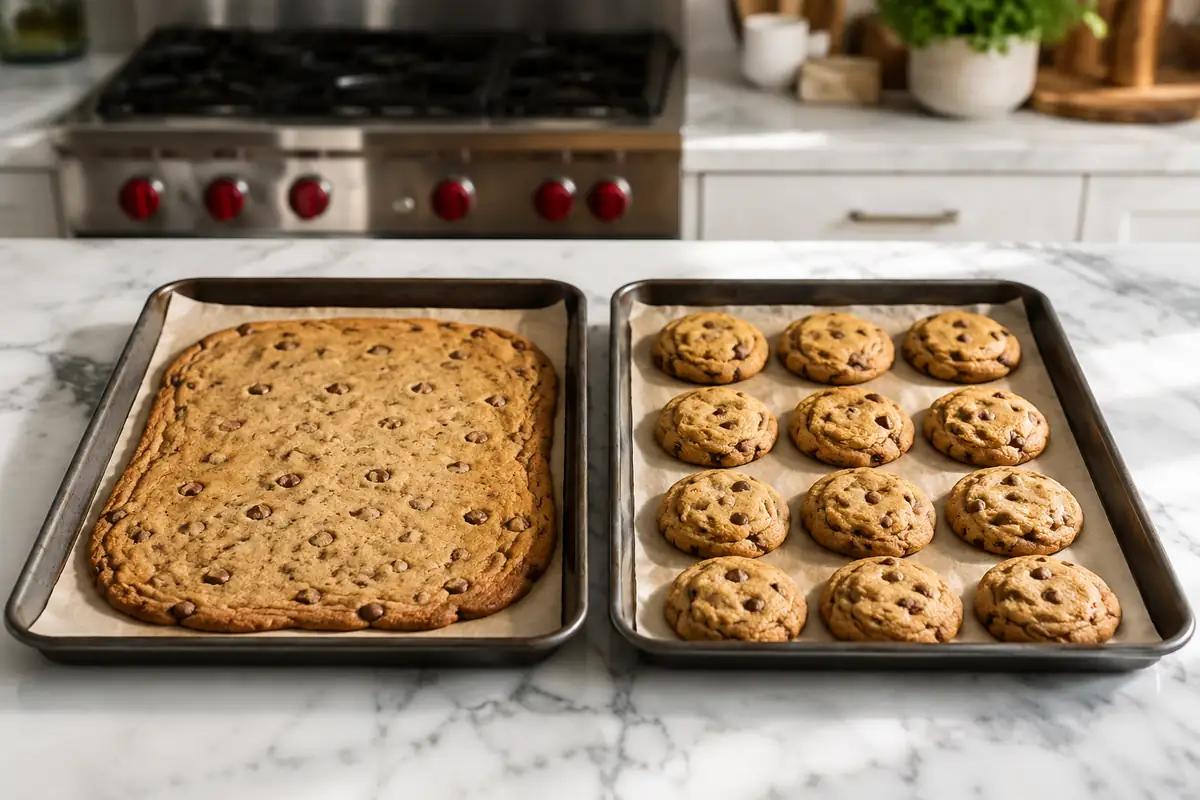
Spreading is the top complaint, and it usually comes from warm dough or too little binder. Gluten free doughs go slack when the butter softens, so chill the dough at least thirty minutes, and longer for almond flour doughs. A cold dough holds its shape and spreads less. If your cookies still spread into one another, your blend may be short on binder, so check for xanthan gum.
Crumbling is the opposite problem and means the cookie has nothing holding it together. That is a binder shortfall, an egg shortfall, or pulling the cookies off the sheet too soon. Gluten free cookies need to set on the hot pan for several minutes before they can move without breaking, so let them rest before you transfer them. Grit comes from rice flour that has not hydrated, so resting the dough fixes that too. The last common error is overbaking. Gluten free cookies dry out fast, so pull them when the edges are set but the centers still look a touch soft, because they keep cooking on the pan. A cookie that looks done in the oven is usually a cookie that will be hard by the time it cools.
Two smaller habits separate frustrated bakers from happy ones. First, line your sheets with parchment rather than greasing them, because gluten free doughs are prone to spreading and a greased pan only encourages it, while parchment gives a gentle grip and an even bottom. Second, give the cookies room. Gluten free doughs can spread more than you expect, so space them generously and bake fewer per sheet than a wheat recipe would suggest. Crowding leads to merged edges and uneven baking. If you have made every adjustment and a recipe still fights you, it may simply be a poor candidate for conversion. Recipes that depend heavily on gluten development, like a stretchy biscotti or a laminated dough, do not translate cleanly, and you are better served starting from a recipe written for gluten free baking than forcing a stubborn wheat one to behave.
Frequently Asked Questions
Why do my gluten free cookies spread too much?
Spreading usually comes from dough that is too warm or a blend low on binder. Chill the dough for at least thirty minutes so the butter firms up and the cookie holds its shape. Make sure your flour blend includes xanthan gum, and add about a quarter teaspoon per cup if it does not. Almond flour doughs spread more, so chill those longer.
Can I swap a gluten free blend straight into my favorite cookie recipe?
Often yes, with a measure for measure blend that contains xanthan gum, since those are designed to replace wheat flour cup for cup. Single flours like almond, coconut, or rice do not swap one to one because they absorb fat and liquid differently. Expect to chill the dough and possibly adjust bake time, and test a small batch first.
Are chocolate chips gluten free?
Most plain chocolate chips are gluten free, but some contain barley malt or are made on shared equipment with wheat products. Buy a chip that is clearly labeled gluten free to be safe, especially for a celiac. Check candy pieces and flavored chips even more carefully, since coatings and add-ins are where gluten tends to appear.
How do I keep gluten free cookies from being gritty?
Grit comes from rice flour that has not absorbed enough moisture. Let the dough rest for fifteen to thirty minutes before baking so the starches hydrate and soften. Using a finely milled measure for measure blend instead of straight rice flour also helps, and a touch of extra fat or an egg yolk smooths the texture further.