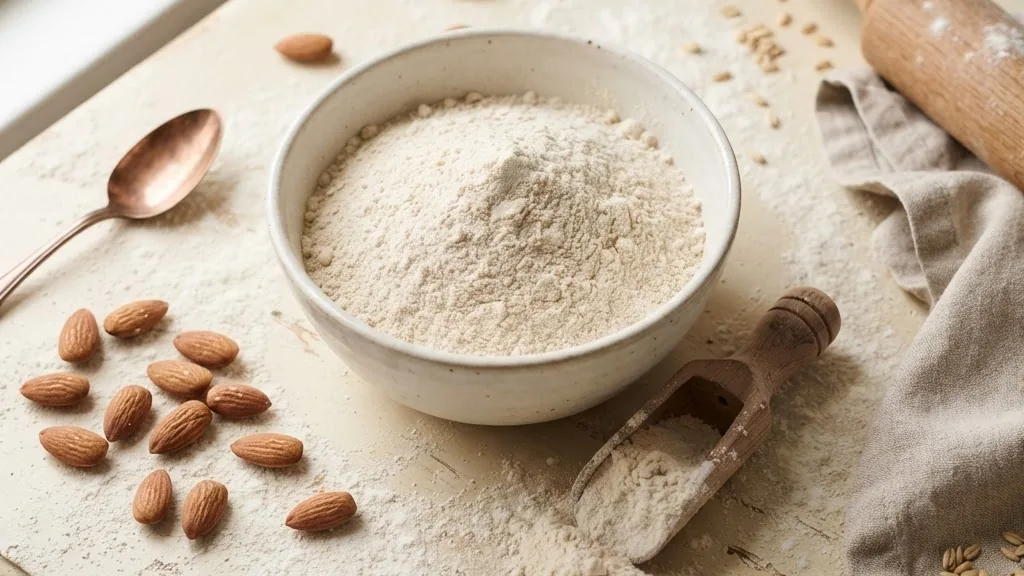
The best gluten free flour substitute depends on what you are making, because no single option copies wheat on its own. For most cakes and cookies, a 1:1 gluten-free blend swaps cup-for-cup. Almond and coconut behave very differently, rice and oat need blending, and cassava comes closest to a straight trade. Below I walk through nine swaps I keep in my pantry, with ratios and texture notes. If you want a savory project to test them on, my gluten-free egg noodles are a forgiving place to start.
What “gluten free” really means on the label
Before you swap anything, know what the label promises. The FDA issued a final rule in 2013 that sets a hard limit: any product marked “gluten-free,” “no gluten,” or “without gluten” must contain less than 20 parts per million of gluten. That threshold is the lowest amount current lab methods can reliably detect. You can read the exact wording at the FDA site, and it applies to packaged flours as much as to cookies and bread.
Why 20 and not zero? Because most people who react to gluten can tolerate tiny traces. The Celiac Disease Foundation supports the under-20 standard, and it lines up with international guidance. Research the foundation cites suggests that roughly 10 mg of gluten per day is unlikely to trigger harm in most people with celiac disease. If you cook for someone diagnosed, the guidance at the Celiac Disease Foundation is the reference I trust over any brand claim.
One label word matters more than the rest: certified. Oats are the clearest example. The grain itself carries no gluten, but it rides the same fields, trucks, and mills as wheat and barley, so cross-contact is common. Buy oat flour only when the bag reads certified gluten-free. The same caution applies to any grain flour milled in a shared facility, since a naturally safe crop can still pick up wheat dust along the way.
The one rule of swapping flour
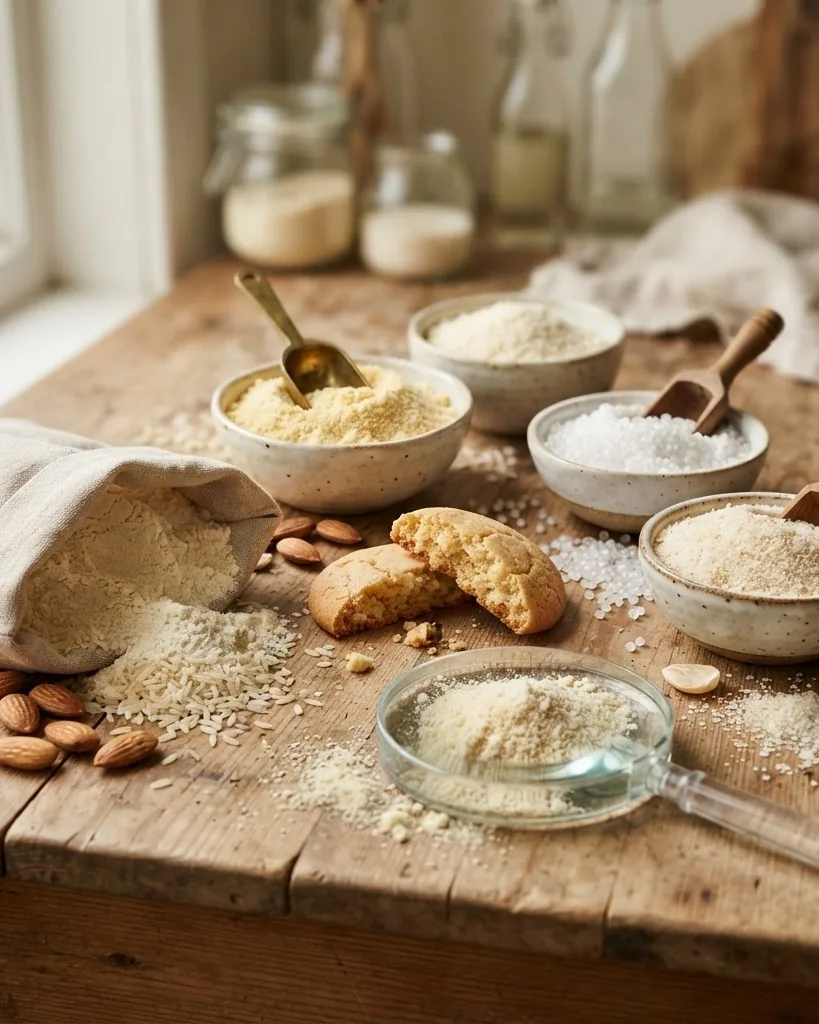
Here is the rule I wish someone had handed me years ago: no single alternative behaves exactly like wheat, so stop expecting it to. Wheat brings gluten, the stretchy protein network that traps gas and gives bread its chew. Each stand-in differs in protein, starch, fat, and how much water it drinks. All-purpose wheat sits near 13 g protein and 2.4 g fiber per 100 g. Almond meal, by contrast, runs far higher in fat and protein, so it browns faster and stays dense.
Weigh in grams whenever you can. A cup of one option can outweigh a cup of another by a wide margin, and volume measuring is where most swaps go wrong. Healthline notes that almond meal carries nearly double the protein of wheat, which tells you it will never rise the same way. Treat every trade as a small experiment: change one thing, note the crumb, and adjust next time. That habit beats chasing a perfect one-to-one that does not exist.
The 9 best gluten free flour substitute picks
These are the nine I reach for, roughly in order of how often they land in my mixing bowl. For each I list the swap ratio against 100 g of all-purpose wheat, what it does best, and how the finished texture reads. Weigh, do not scoop, and read the notes on binders before you commit a whole batch.
1. Almond flour
Almond meal is my go-to for tender, moist bakes. By weight it lands near a 1:1 trade with all-purpose, but it needs help binding because it has no gluten and a lot of fat, roughly 53 g per 100 g. Expect about 21 g protein, close to 10 g fiber, and somewhere between 590 and 643 calories per 100 g. Add an extra egg or an egg white to hold structure, and pull bakes early since the high fat browns quickly. Best for cookies, muffins, and quick breads; the crumb reads rich and short rather than airy.
2. Coconut flour
Coconut is the trickiest swap here and the one that ruins the most batters. It is astonishingly thirsty, so you use only about 25 g in place of 100 g of wheat, roughly a quarter of the amount. Then you must add liquid back: plan on one extra egg and a splash more milk or water for every quarter cup you use. Let the batter rest 15 to 20 min so the meal hydrates and stops feeling gritty. Best for dense cakes and pancakes; skip it as a solo swap in anything that needs to stay light.
3. Rice flour
Rice flour is cheap, neutral, and everywhere, which is why so many blends lean on it. On its own it can taste flat and feel slightly grainy on the tongue, so I rarely use it solo. Swap about 75 g for every 100 g of wheat, and pair it with a starch and a binder to soften the mouthfeel. White and brown versions trade in and out freely, though brown mills a touch stiffer. Best inside a blend for cookies, coatings, and tempura-style batters where a little crispness helps.
4. Oat flour
Oat flour brings a soft, tender crumb and a mild sweetness that suits breakfast bakes. Reach for about 130 g to replace 100 g of wheat, since it is lighter and drinks less water. The non-negotiable is the label: buy certified gluten-free, because plain oats pick up wheat in shared mills. You can make your own by blitzing certified rolled oats in a blender until powdery. Best for muffins, pancakes, and soft cookies; the texture stays plush but will not hold a tall yeast rise on its own.
5. Cassava flour
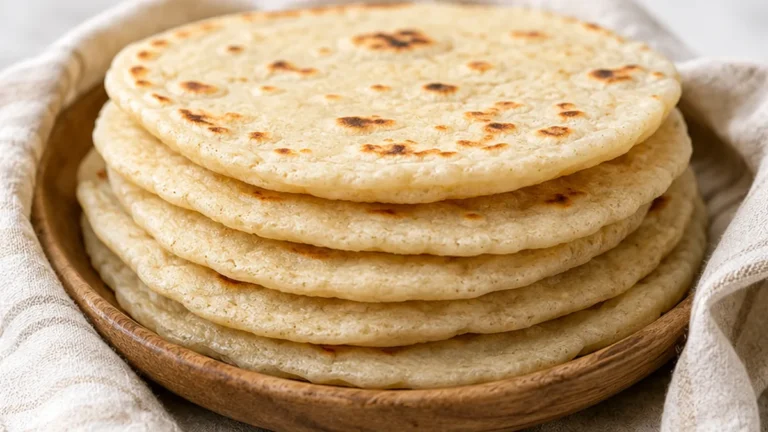
Cassava is the closest single stand-in to wheat I have found, which makes it the easy button for nervous bakers. Made from the whole dried root, it trades near 1:1 by volume and has a neutral flavor that disappears into a recipe. It is not the same as tapioca starch, though they share a source, so do not treat them as identical. Best for tortillas, flatbreads, and simple cakes where you want a familiar, slightly chewy bite without building a custom blend from scratch.
6. One-to-one gluten-free blend
When I want zero math, I grab a cup-for-cup blend. These are engineered to swap directly for wheat, and the good ones already include a gum so you do not add your own. A balanced mix runs about 60% grain flour, 39% starch, and 1% gum, which is why it behaves so predictably. Check the bag first: if xanthan is listed, skip any extra. Best for anyone converting a favorite family recipe with the least fuss; the crumb reads close to conventional, especially in cakes and drop cookies.
7. Buckwheat flour
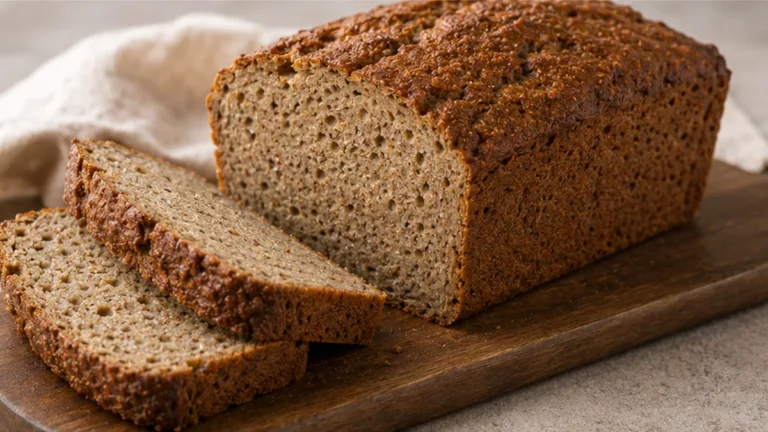
Despite the name, buckwheat has no relation to wheat and carries no gluten. It is dense, earthy, and a little nutty, with natural binding tendencies that help hold a batter together. It is strong, so replace only up to half, around 50%, of the flour in a cake or loaf and let a lighter partner carry the rest. Best for pancakes, crepes, and cookies, and it pairs beautifully with chocolate. The texture reads sturdy and tender, and the color runs noticeably darker than a pale grain mix.
8. Chickpea flour (besan)
Chickpea flour, sold as besan in many shops, is the protein powerhouse of this list. It carries about 22 g protein and 11 g fiber per 100 g, well above wheat, so it fills you up and adds real body. Raw, it tastes beany, so it shines in savory jobs rather than sweet ones. Best for flatbreads, fritters, socca, and as a binder in veggie patties or a thickener for stews. The texture reads firm and hearty; toast it briefly in a dry pan to tame the raw-legume edge before mixing.
9. Sorghum flour
Sorghum rounds out my nine because it softens a blend without a heavy flavor. It has a mild, faintly sweet taste and yields a smooth, light crumb, which makes it a friendly team player. It can bake a touch dry, so cap it near 30 to 40% of a mix and add a little extra liquid if the batter looks tight. Best blended with a starch and a binder for sandwich-style bread and muffins. On its own it lacks structure, but as part of a team it lifts the whole result.
The gluten free flour substitute swap table
Keep this chart on your phone for grocery runs. Ratios are against 100 g of all-purpose wheat and assume you will add a binder where noted. It is the fastest way to pick a swap without rereading the whole guide.
| Flour | Swap ratio (per 100 g wheat) | Best for |
|---|---|---|
| Almond | About 1:1 by weight, add a binder | Cookies, muffins, moist quick breads |
| Coconut | About 25 g, add 1 egg plus liquid | Dense cakes, pancakes |
| Rice | About 75 g, blend with starch | Coatings, batters, blends |
| Oat (certified) | About 130 g | Muffins, pancakes, soft cookies |
| Cassava | About 1:1 by volume | Tortillas, flatbreads, simple cakes |
| 1:1 blend | Cup-for-cup | Converting most recipes |
| Buckwheat | Up to 50% of the mix | Pancakes, crepes, cookies |
| Chickpea (besan) | Up to 50% in savory bakes | Flatbreads, fritters, binding |
| Sorghum | 30 to 40% of a blend | Sandwich bread, muffins |
Xanthan gum and how to bind a swap together
Gluten does two quiet jobs: it stretches and it holds. Take it out and your batter can turn crumbly or spread flat. Xanthan gum is the common fix, and a little goes a long way. For cakes and muffins, start with about 1/4 teaspoon per cup of flour. For yeast bread and pizza dough, which need more stretch, move up to about 1 teaspoon per cup. You should almost never need more than 1 tablespoon in a home recipe.
Two cautions save a lot of gummy failures. First, if your cup-for-cup blend already lists a gum, do not add more, or the crumb turns slick and heavy. Second, eggs are their own binder; almond and coconut bakes often hold together on extra egg alone, no gum required. When I test a new swap I bind conservatively, taste the crumb, and only bump the gum on the next round if the piece falls apart in my hand.
Mistakes I stopped making with these swaps
My first year of swapping was a graveyard of dense bricks, and every failure traced back to the same few habits. The biggest was scooping by the cup. Once I started weighing in grams, my results jumped overnight, because the same volume of two different flours can differ enormously in weight. A kitchen scale is the cheapest upgrade a gluten-free baker can buy, and it turns guesswork into something you can repeat.
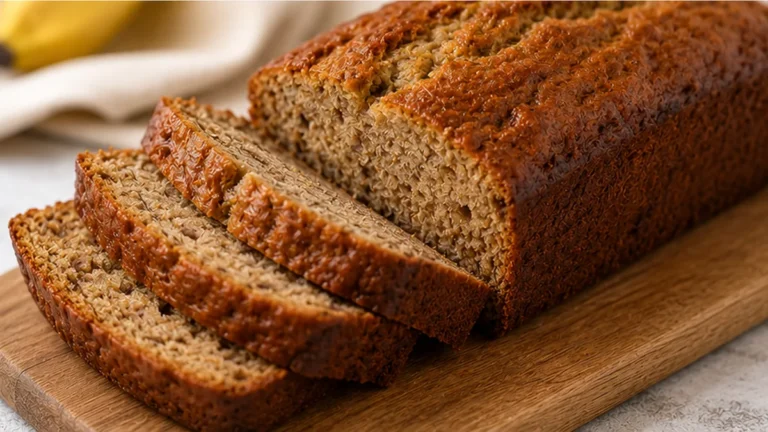
The second fix was patience. Coconut and almond batters need a rest of 15 to 20 min so the meal drinks its liquid; skip it and you taste grit. I also learned to trust color over the timer, since high-fat meals brown well before the clock says done. For a sweet loaf that forgives beginners, my gluten-free zucchini bread uses a blend plus a little almond and rarely fails, which makes it my standard test recipe for a new bag.
Last lesson: match the swap to the job. I stopped forcing coconut into airy cakes and buckwheat into pale sponges, and I stopped expecting any solo option to behave like wheat. Structure comes from teamwork, a grain for body, a starch for lift, and a binder to hold it, so I now build small blends on purpose. When you pick the right stand-in for the right recipe, gluten-free baking stops feeling like a gamble.
Nutrition: protein and fiber differences that matter
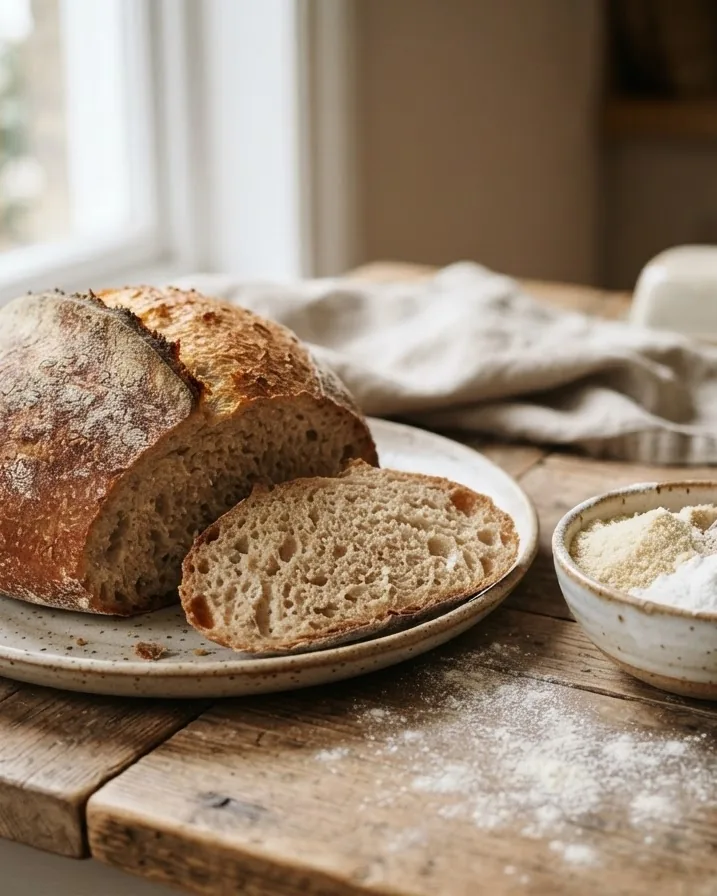
Swapping wheat is a chance to upgrade what your bake delivers, because these stand-ins are not nutritionally equal. Wheat all-purpose gives roughly 13 g protein and 2.4 g fiber per 100 g, which is modest. Several alternatives beat it handily, so the same muffin can carry more protein and more fiber without any special effort. That said, calories and fat swing widely too, so read the panel before you assume a swap is lighter. Here is how the main options stack up per 100 g, drawn from USDA data and nutrition summaries at Healthline.
- Almond: about 21 g protein, close to 10 g fiber, near 53 g fat, and roughly 590 to 643 calories. Rich in vitamin E and magnesium.
- Chickpea (besan): about 22 g protein and 11 g fiber, the top all-rounder for protein.
- Coconut: very high fiber, moderate protein, and a thirst for liquid that no other option matches.
- Oat: solid soluble fiber and a soft crumb, with more carbohydrate than the nut-based meals.
- Sorghum: whole-grain fiber plus iron and magnesium, with a mild taste that hides in a blend.
- Wheat baseline: about 13 g protein and 2.4 g fiber, useful only as a comparison point.
The practical takeaway is simple: if you want more staying power in a snack, lean on almond or chickpea, since both push protein well past wheat. If digestion is your focus, the fiber in coconut, chickpea, and whole-grain sorghum earns its place. Just remember that almond meal is calorie-dense at up to 643 calories per 100 g, so a swap is not automatically a diet win. Match the nutrition profile to your goal the same way you match texture to the recipe.
Starches that make a blend actually work
Whole-grain and nut meals give body, but they can bake heavy on their own. Starches are the lightening agents that keep a crumb from turning into a doorstop. That 39% starch slice in a balanced blend is doing real work: it lifts, it softens, and it mimics the airiness gluten would have provided. You rarely bake with pure starch, but you almost always want some in the mix, especially for cakes, cookies, and anything you want to read as delicate rather than rustic.
Three starches earn a spot in my pantry. Tapioca starch, pulled from the cassava root, adds chew and a light crispness, which is why it helps flatbreads and pizza crusts. Potato starch (not potato flour, which is heavier) lightens cakes and holds moisture so bakes stay soft for days. Arrowroot behaves much like tapioca and suits anyone avoiding corn. A workable rule is to let starch fill 30 to 40% of a homemade blend, then adjust once you see how the crumb sets.
How to build your own gluten-free blend
Once single swaps feel comfortable, mixing your own blend gives you control that no bagged product can match. The formula behind almost every great mix is the same three-part team: a grain or nut meal for body, a starch for lift, and a small dose of gum to bind. I keep a jar of house blend ready so I never stall mid-recipe. Weigh everything in grams, label the jar with the ratio you used, and tweak in small steps rather than rebuilding from scratch each time.
- Pick a base for body: about 60% of the total, using a grain such as sorghum or brown rice, or a nut meal for richer bakes.
- Add a starch for lift: about 39% tapioca, potato, or arrowroot to lighten the crumb.
- Add a binder: about 1% xanthan gum, roughly 1/4 teaspoon per cup of finished blend for cakes.
- Whisk hard so the gum disperses evenly, then store airtight and shake before each use.
- Test in a small batch, note the crumb, and shift the base-to-starch ratio next time if needed.
This template flexes to the job. For bread that needs stretch, bump the gum toward 1 teaspoon per cup and lean on sorghum or buckwheat for structure. For tender cakes, hold the gum low and let potato starch carry the softness. The point is not to memorize one magic recipe but to understand the roles, so you can read any failure and know which lever to pull. That is the difference between following a chart and actually cooking.
When a single swap beats a blend
Blends are safe, but sometimes a solo swap is the smarter move. Naturally flat or rustic bakes do not need engineered lift, so a single meal shines and saves you a shopping list. Almond alone makes gorgeous financiers and macaroon-style cookies. Buckwheat alone owns the crepe pan and traditional pancakes. Chickpea alone becomes socca, the olive-oil flatbread that needs nothing else. In these cases, reaching for a cup-for-cup blend would only mute the character you actually want on the plate.
The rule I use: if the recipe was born gluten-free somewhere in the world, trust the single option it grew up with. Crepes, socca, and many flourless cakes were never wheat-based to begin with, so they do not miss it. Reserve your blends for converting classic wheat recipes, where you are trying to fake the stretch and rise gluten used to supply. Knowing which camp a recipe falls into saves money and gives a better result than defaulting to a blend every time.
Frequently asked questions
What is the easiest gluten free flour substitute for beginners?
A cup-for-cup blend is the gentlest starting point because it swaps directly for wheat and usually contains its own gum. You skip the math and the mixing, and most cake, muffin, and cookie recipes convert with no other change. Once you are comfortable, branch into single options like almond or oat to fine-tune flavor and texture. Just weigh your ingredients in grams and check whether the bag already includes xanthan before you add any of your own.
Can I replace wheat flour with almond flour one to one?
By weight almond meal is close to a 1:1 trade, but it will not behave the same, so plan for it. Because it has no gluten and about 53 g of fat per 100 g, it needs an extra egg to bind and it browns fast, so pull bakes a few minutes early. It works best in cookies, muffins, and moist quick breads rather than tall, airy cakes. For structure-heavy recipes, blend almond with a starch or use a dedicated 1:1 blend instead.
Is oat flour safe on a gluten-free diet?
Oats contain no gluten themselves, but they are frequently cross-contacted with wheat and barley during growing and milling, so plain oat flour is not automatically safe. Buy only bags marked certified gluten-free, which are handled to stay under the FDA limit of 20 parts per million. If you have celiac disease, follow the labeling advice from the Celiac Disease Foundation and treat any uncertified oat product as off-limits until you confirm it.
Do I always need xanthan gum when I bake gluten-free?
No, and adding it blindly causes as many failures as leaving it out. Cup-for-cup blends usually include a gum already, so a second dose turns the crumb slick. Egg-rich bakes with almond or coconut often bind on the eggs alone. Save xanthan for recipes that need real stretch, like yeast bread and pizza, where about 1 teaspoon per cup helps. For cakes and cookies, start near 1/4 teaspoon per cup and only add more if a test piece crumbles.
Which gluten-free flour is closest to regular wheat flour?
For a single-flour trade, cassava comes closest, swapping near 1:1 by volume with a neutral flavor. For an all-purpose feel across many recipes, a quality cup-for-cup blend wins, since it is built to mimic wheat with a grain, a starch, and a gum already balanced. Neither is identical, because nothing replaces gluten perfectly, but both let you convert a familiar recipe with minimal changes. Weigh your ingredients and check the label for added gum before you scoop.