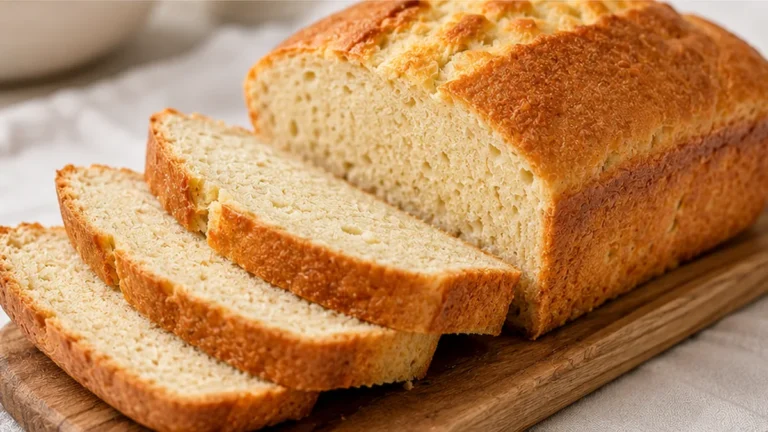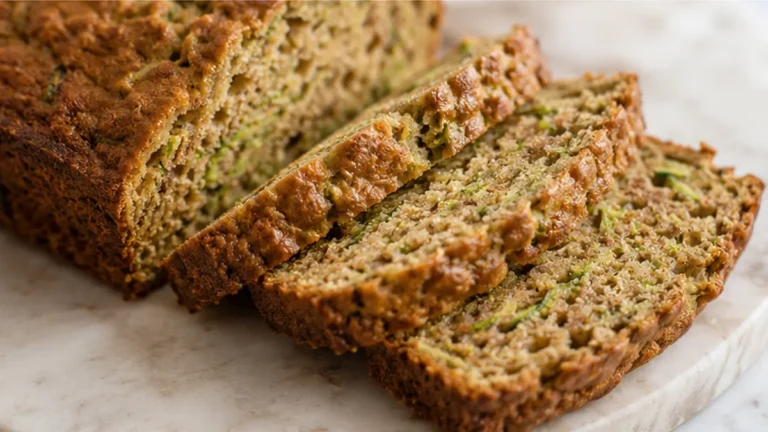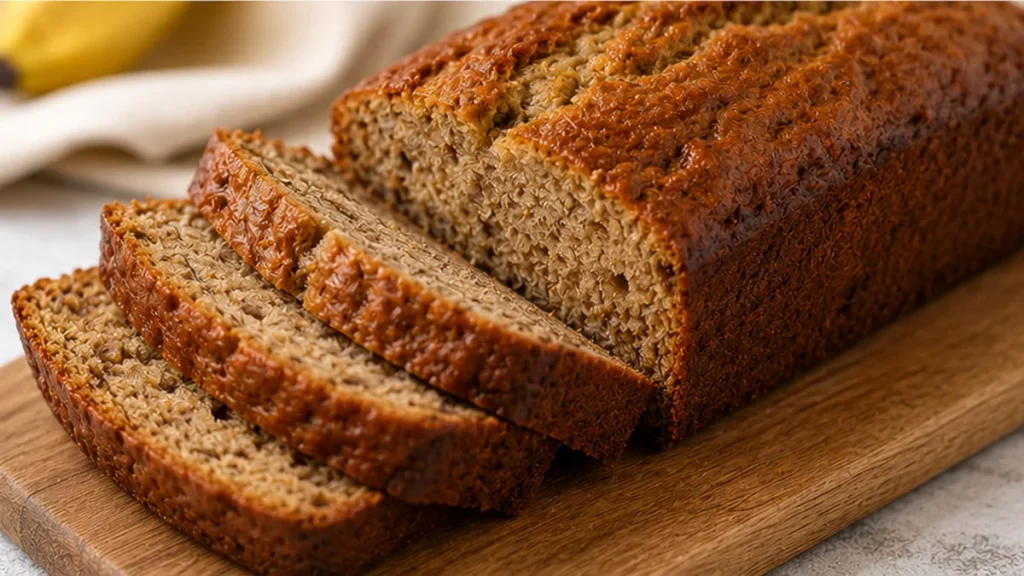
This gluten-free banana bread is the ultimate recipe for anyone craving a moist, tender, and flavorful quick bread. Using simple ingredients and straightforward steps, you can create a delicious banana bread that will disappear in minutes. Ideal for breakfast, a satisfying snack, or a simple dessert, this recipe ensures that even without gluten, you achieve a perfectly baked loaf with that classic banana bread taste and texture.
Key takeaways
- Use very ripe bananas for maximum sweetness and moisture.
- Avoid overmixing the gluten-free batter to prevent a gummy texture.
- Ensure your baking soda is fresh for proper leavening.
- Bake until a toothpick comes out clean to avoid a dry loaf.
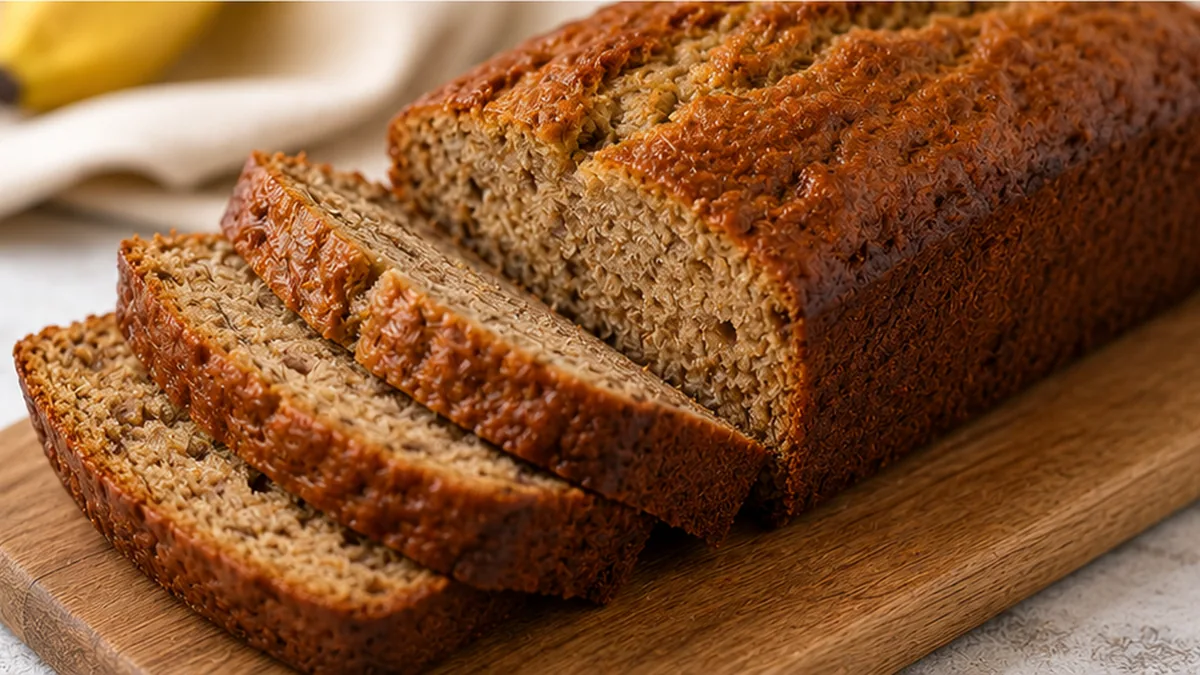
The Best Gluten-Free Banana Bread Recipe
Ingredients
Method
- Preheat oven to 350°F (177°C) and prepare a loaf pan.
- Mash the ripe bananas in a large mixing bowl until smooth.
- Stir the baking soda into the mashed bananas.
- Stir in the melted butter until combined.
- Mix in the granulated sugar, salt, beaten eggs, and vanilla extract.
- Gradually add the gluten-free flour and optional xanthan gum, mixing until just combined.
- Pour the batter evenly into the prepared loaf pan.
- Bake for 50-60 minutes, or until a toothpick inserted into the center comes out clean.
Notes
– Ensure your gluten-free flour blend contains xanthan gum, or add it separately as directed.
– Do not overmix the batter once the flour is added to keep the bread tender. Allergens: Eggs, Milk, Soybeans. Nutrition information is an estimate, calculated automatically. Values vary with brands, substitutions and portion sizes.
The technique that makes it
The key to exceptionally moist and flavorful gluten-free banana bread lies in the ripeness of the bananas and the proper mixing technique. Overripe bananas, identified by their brown, speckled skins, are crucial because their starches have converted into sugars, providing natural sweetness and moisture. Ensure they are mashed thoroughly to a smooth consistency; small lumps are acceptable, but large chunks can lead to uneven texture. The butter should be melted, not softened, to ensure it fully incorporates into the batter, contributing to a tender crumb. Avoid overmixing the batter once the gluten-free flour is added. Gluten-free flours, especially those containing xanthan gum, can become gummy or tough if overworked. Mix just until the dry ingredients are incorporated into the wet ingredients. Overmixing develops the gums in the flour, which can result in a dense, rubbery texture instead of a light and tender one. The baking soda, activated by the moisture and heat, provides the necessary lift. Ensure your baking soda is fresh for optimal leavening.
Troubleshooting
- Dry Bread: This often happens if the bananas weren’t ripe enough or if the bread was overbaked. Ensure bananas are very ripe and mash them well. Check for doneness at the minimum baking time and remove the bread as soon as a toothpick inserted into the center comes out clean.
- Gummy Texture: Overmixing the batter after adding the gluten-free flour is the usual culprit. Mix only until the ingredients are just combined. If your gluten-free flour blend doesn’t contain xanthan gum, adding the specified amount is essential for structure, but too much can also cause gumminess.
- Dense Loaf: Insufficient leavening or overmixing can lead to a dense loaf. Ensure your baking soda is fresh. Mix gently and avoid overworking the batter. The ripeness of the bananas also plays a role in achieving a lighter texture.
- Uneven Baking: This can occur if the oven temperature is too high or if the batter is not evenly distributed in the pan. Ensure your oven is calibrated correctly and preheated fully. Distribute the batter evenly in the prepared loaf pan.
Substitutions
- Sweetener: For a less refined sugar option, you can substitute the granulated sugar with an equal amount of packed light brown sugar or coconut sugar. This may slightly alter the color and add a hint of caramel notes to the banana bread.
- Fat: While melted butter provides a rich flavor, you can substitute it with melted coconut oil or a neutral vegetable oil like canola oil. Use a 1:1 ratio. This substitution might slightly change the texture and flavor profile, making it a bit lighter.
- Eggs: For an egg-free version, you can use a flax egg (1 tablespoon ground flaxseed mixed with 3 tablespoons water, let sit for 5 minutes) or a commercial egg replacer for each egg. The texture might be slightly denser and less rich.
- Add-ins: Feel free to add up to 1 cup of mix-ins like chocolate chips, chopped walnuts, or pecans. Add them after the batter is fully combined, just before pouring into the pan.
Pro tips
- Use very ripe bananas for maximum sweetness and moisture.
- Ensure your gluten-free flour blend contains xanthan gum, or add it separately as directed.
- Do not overmix the batter once the flour is added to keep the bread tender.
Enjoy this delightful gluten-free banana bread as is, or add your favorite mix-ins like chocolate chips or nuts. Happy baking!
Try this next: Ultimate Cassava Bread: Gluten-Free Heaven!
More from Gluten-Free Bread & Baking →
Frequently asked questions
Can I make gluten-free banana bread without eggs?
Yes, you can substitute eggs in gluten-free banana bread. A common egg substitute is a flax egg (1 tablespoon ground flaxseed mixed with 3 tablespoons water, let sit for 5 minutes) or a commercial egg replacer. You might need to adjust the liquid slightly depending on the replacer used. Ensure your other ingredients are also egg-free if needed.
How do you know when gluten-free banana bread is done?
The best way to check for doneness is to insert a toothpick or a thin knife into the center of the loaf. If it comes out clean or with a few moist crumbs attached, the bread is ready. Avoid over-baking, as gluten-free baked goods can dry out quickly. The top should also be golden brown and firm to the touch.
How long does gluten-free banana bread last?
Gluten-free banana bread is best stored at room temperature in an airtight container for up to 3 days. For longer storage, wrap it tightly and refrigerate for up to a week. You can also freeze slices or the whole loaf, well-wrapped, for up to 3 months. Thaw at room temperature or gently reheat.
What can I add to gluten-free banana bread?
Enhance your gluten-free banana bread with additions like chocolate chips (dark or semi-sweet), chopped nuts (walnuts or pecans are classic), or a swirl of cinnamon or nutmeg. Dried fruit such as raisins or cranberries can also add a nice chewiness and flavor. Ensure any additions are gluten-free.