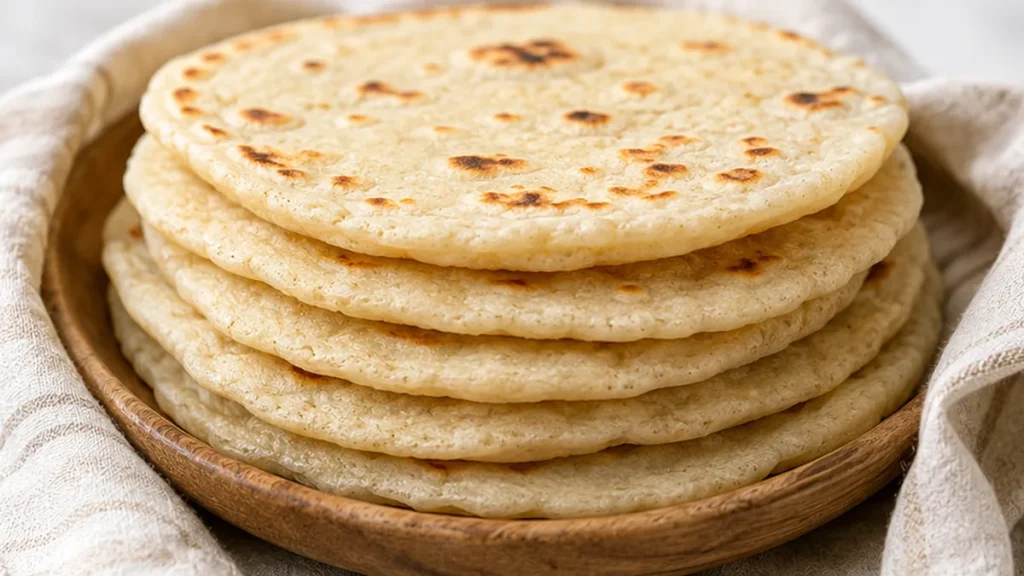
Craving soft, pliable tortillas that are also gluten-free? Look no further than this incredible cassava tortillas recipe. Unlike many gluten-free alternatives that can be dry or crumbly, these cassava tortillas are remarkably flexible and flavorful, making them perfect for everything from tacos to wraps. This recipe utilizes the unique properties of cassava and tapioca flours to create a dough that is easy to handle and yields consistently delicious results. Whether you follow a gluten-free diet or are simply looking for a healthier tortilla option, these are sure to become a staple in your kitchen.
Key takeaways
- The key to fluffy cassava tortillas is the rapid hydration of cassava and tapioca flours with boiling water.
- This process gelatinizes the starches, creating a pliable dough essential for texture.
- Accurate ingredient measurements and proper dough hydration prevent toughness or gumminess.
- Ensure your cooking surface is hot enough for the tortillas to puff up properly.
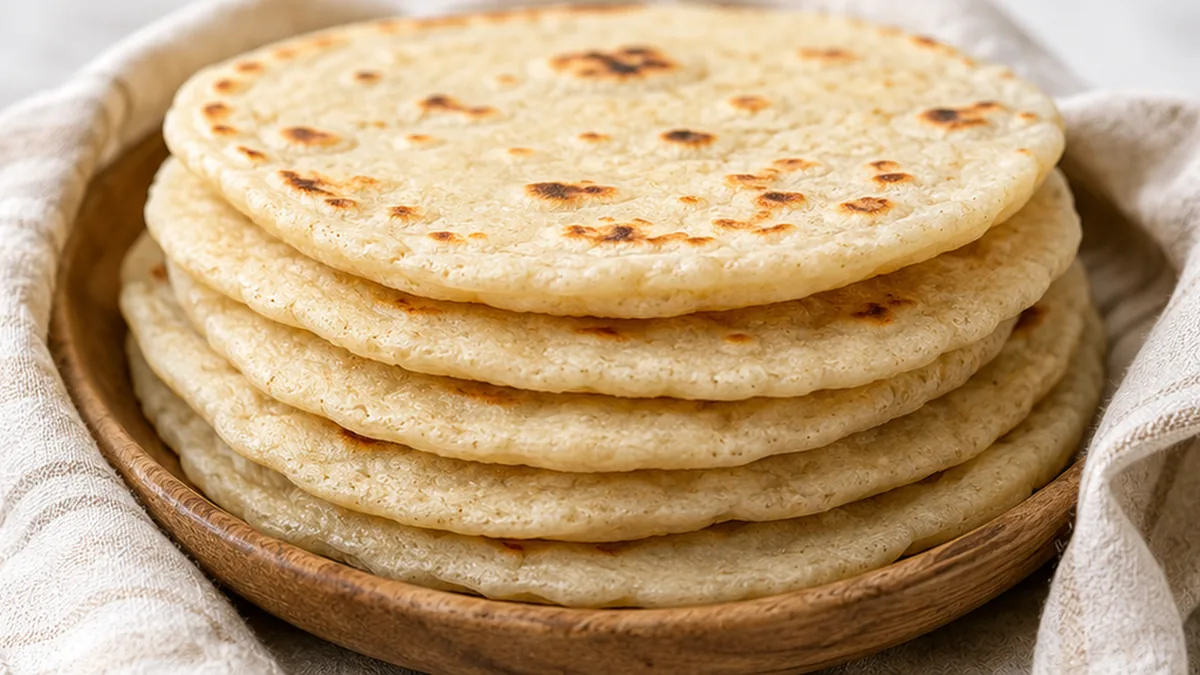
3-Ingredient Cassava Tortillas: SO FLUFFY!
Ingredients
Method
- In a medium bowl, whisk together the cassava flour, tapioca flour, salt, and xanthan gum.
- Stir in the melted butter and hot water until thoroughly combined, about 1 ½-2 minutes. The dough should not stick to your finger.
- Divide the dough into 10 balls (about 43g each). Cover with a damp towel and let rest for 3-5 minutes.
- Place each dough ball between two pieces of parchment paper and press down lightly to form a thick disc.
- Roll the dough into a 6″ circle (about 1/8” thick). If you have a tortilla press, use that.
- Heat a cast-iron skillet over medium-high heat. Remove tortillas from parchment.
- Cook each tortilla for 45-60 seconds per side until lightly browned and cooked through. Serve warm!
Notes
– Don’t overmix the dough after adding the hot water; just combine.
– If the dough feels too sticky, add a tiny bit more cassava flour; if too dry, a splash more hot water.
– Cook tortillas over medium-high heat for that perfect slightly browned finish. Nutrition information is an estimate, calculated automatically. Values vary with brands, substitutions and portion sizes.
The technique that makes it
The key to achieving fluffy cassava tortillas lies in the interaction between the cassava flour, tapioca flour, and the very hot water. Cassava flour, derived from the starchy root vegetable, contains a significant amount of resistant starch and natural gums. When combined with tapioca flour, which is also starchy and gelatinizes well, and then exposed to high heat from the boiling water, a unique dough structure forms. The hot water rapidly gelatinizes the starches in both flours, creating a pliable and slightly elastic dough. This gelatinization process is crucial; it allows the dough to hold its shape during cooking and contributes to the soft, fluffy texture. The melted butter adds richness and helps to tenderize the tortillas, preventing them from becoming too dry or crumbly. Xanthan gum, though a small amount, acts as a binder and emulsifier, further enhancing the dough’s elasticity and preventing it from falling apart, which is a common issue with gluten-free baking. The rapid hydration with boiling water is essential for activating these properties effectively, ensuring a tender crumb and preventing a gummy texture.
Troubleshooting
- Tortillas are tough or dry: This often happens if the dough is overworked, or if not enough water was used. Ensure the water is truly boiling when added. Knead gently until just combined. If the dough feels too dry, add a teaspoon of hot water at a time until it comes together.
- Tortillas are gummy or sticky: Too much liquid or insufficient flour can lead to a gummy texture. Ensure accurate measurements. If the dough is too sticky after resting, dust your hands and surface lightly with a bit more cassava flour, not tapioca, as tapioca can increase gumminess.
- Tortillas break or fall apart when cooking: This indicates a lack of binding or elasticity. Ensure the xanthan gum is fresh and properly incorporated. The hot water is vital for gelatinizing the starches; if it wasn’t hot enough, the dough won’t bind well. Try letting the dough rest for 5-10 minutes before shaping to allow the flours to fully hydrate.
- Tortillas are not fluffy or flat: Insufficient leavening from the steam created during cooking. Ensure your cooking surface (griddle or pan) is adequately hot (medium-high heat). Don’t overcrowd the pan, allowing each tortilla to cook evenly and puff up.
Substitutions
- Cassava Flour: While this is the star ingredient, a blend of 1 cup of finely ground almond flour and 1/4 cup of arrowroot starch can be attempted, though the texture will be denser and less fluffy. The resulting tortillas will have a nuttier flavor and a slightly different chew.
- Tapioca Flour: Arrowroot starch or cornstarch can be used as a direct substitute. The texture might be slightly less pliable, but the binding properties are similar. The tortillas may cook a touch faster.
- Xanthan Gum: Psyllium husk powder (about 1 teaspoon) can be used as a binder, but it may absorb more liquid, potentially requiring a slight adjustment in water. The texture might be slightly chewier.
- Butter: Melted coconut oil or a neutral-flavored oil like avocado oil can replace butter. This will result in a slightly different flavor profile and a less tender crumb, but the tortillas will still hold together.
Pro tips
- Ensure your water is truly boiling for the best dough consistency.
- Don’t overmix the dough after adding the hot water; just combine.
- If the dough feels too sticky, add a tiny bit more cassava flour; if too dry, a splash more hot water.
- Cook tortillas over medium-high heat for that perfect slightly browned finish.
Enjoy these versatile cassava tortillas as a healthier alternative in all your favorite dishes. Experiment with different fillings and toppings to make them your own!
Try this next: Ultimate Cassava Bread: Gluten-Free Heaven!
More from Gluten-Free Bread & Baking →
Frequently asked questions
Can I substitute tapioca flour for cassava flour in this recipe?
While tapioca flour is also derived from cassava, it has a different starch structure. Substituting it might result in a less fluffy and potentially chewier tortilla. For best results and the intended fluffy texture, it is recommended to stick with cassava flour.
How do I store leftover cassava tortillas?
Once cooled, store leftover tortillas in an airtight container or a resealable bag at room temperature for up to 2 days. For longer storage, refrigerate them for up to a week. They can also be frozen for up to 3 months.
How do I reheat cassava tortillas?
To reheat, warm them in a dry skillet over medium heat for about 30-60 seconds per side until pliable. You can also wrap them in a damp paper towel and microwave for 15-20 seconds. Avoid overheating, which can make them tough.
How do I know when my cassava tortillas are cooked?
Cook each side for 1-2 minutes, or until small bubbles begin to form on the surface and the edges start to look dry. The tortillas should be lightly golden in spots but not browned or crispy. They will puff up slightly as they cook.