If you have spent any time staring at a grocery shelf wondering which packages are safe, you already know that gluten free tortillas are both easier and trickier than they look. The good news is that one of the most beloved tortilla styles, the humble corn tortilla, is naturally made without wheat. The tricky part is that not every corn tortilla is safe, not every flour tortilla labeled “alternative” is gluten free, and the homemade ones can crack the second you try to fold them. I have rolled, pressed, fried, and ruined more batches than I care to admit, so this guide pulls together everything I wish someone had told me on day one. We will cover which tortillas are naturally safe, how to read a label without second guessing yourself, the store brands worth your money, how to make soft tortillas at home from cassava, almond, or corn flour, and the exact tricks that keep them from tearing apart in your hands.
Which Tortillas Are Naturally Gluten Free, and Which Are Not
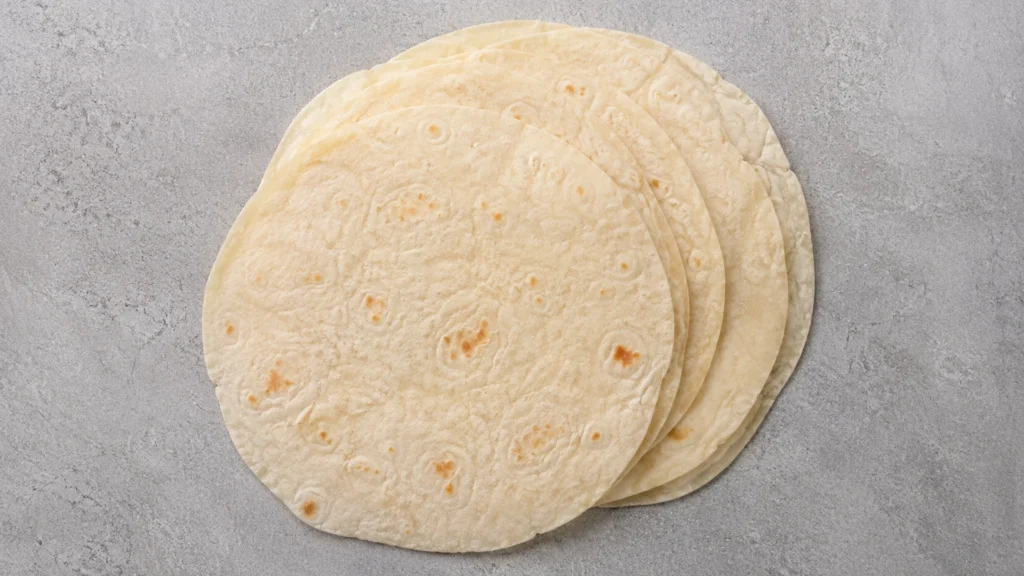
Let us clear up the single biggest source of confusion right away. Traditional Mexican corn tortillas are made from masa harina, which is corn flour treated with an alkaline solution, plus salt and water. There is no wheat in that recipe, which means a pure corn tortilla is naturally free of gluten. This is why, in a lot of taquerias and home kitchens, corn tortillas have quietly been the safe choice all along. Flour tortillas, on the other hand, are the classic problem. The soft, stretchy, foldable flour tortillas you grew up with are built on wheat flour, and wheat is one of the primary sources of gluten. So the simple rule of thumb is this: corn is your friend, traditional wheat flour is not, and everything else depends on the exact ingredients.
That said, the word “naturally” carries an asterisk you cannot ignore. A corn tortilla is only safe if the corn was not contaminated with wheat somewhere along the way, and if the manufacturer did not add wheat flour to the blend for texture. Yes, that happens more often than you would think. Some commercial corn tortillas include a small amount of wheat to make them more pliable and less prone to cracking, which completely defeats the purpose for anyone avoiding gluten. I have picked up a bag that looked like a plain corn tortilla, flipped it over, and found wheat flour sitting right there in the ingredient list. This is exactly why you cannot rely on the front of the package or on assumptions about what “should” be in there. You read the label every single time, even on a brand you have bought before, because recipes change without warning.
Then there is the newer wave of grain free and alternative flour tortillas. These are built on cassava, almond, coconut, chickpea, or a blend of starches like tapioca and rice flour. None of those ingredients contain gluten, so in principle these tortillas are safe. The catch is the same one that haunts every processed food: shared equipment and shared facilities. A cassava tortilla made on a line that also runs wheat products can pick up enough cross contact to make a sensitive person sick. So even when every listed ingredient is clean, you still want to see some kind of gluten free assurance on the package before you trust it fully.
How to Read a Tortilla Label Without Second Guessing Yourself
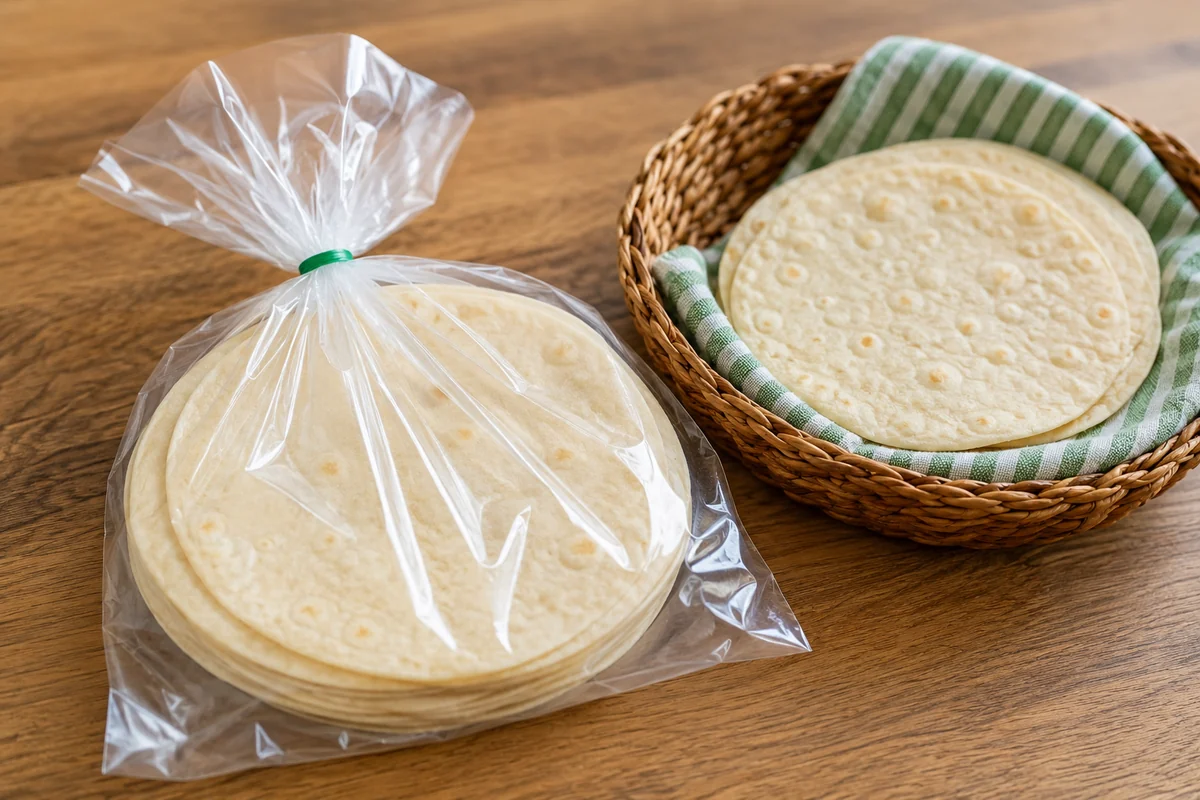
Reading a label is a skill, and once you have it, the grocery store stops being stressful. Start with the obvious move: scan the ingredient list for the word wheat. In the United States, wheat is one of the major allergens that must be declared in plain language, so if wheat is in there, it will say so, either inside the ingredient list or in a “Contains” statement below it. If you see wheat, malt, or barley anywhere, put it back. Malt is almost always derived from barley, and barley contains gluten, so a malted ingredient is a quiet red flag even when wheat is nowhere in sight.
Next, look for a certified gluten free seal or a clear “gluten free” claim on the package. In the US, a product labeled gluten free has to contain less than the FDA limit of 20 parts per million of gluten, which is the threshold considered safe for most people with celiac disease. A third party certification, the little seal from an independent organization, goes a step further by auditing the facility and testing batches. For anyone with celiac disease or a serious sensitivity, that seal is worth seeking out, especially on grain free tortillas made in mixed facilities. If you want to understand exactly how strict that standard is and why cross contact matters so much, the resources at Beyond Celiac and the Celiac Disease Foundation are the most reliable plain English references I point people toward.
Watch out for two sneaky phrases. The first is “may contain wheat” or “made on shared equipment with wheat.” That is an advisory statement, and it tells you the manufacturer cannot guarantee against cross contact. Some people with a mild sensitivity tolerate these products; people with celiac disease generally should not risk them. The second sneaky phrase is “modified food starch” without a source listed. In the US, if that starch came from wheat, it has to be declared, so an unqualified modified food starch on a domestic product is usually corn based and fine. On imported products the rules differ, so when in doubt, choose a tortilla that spells out its starch source or carries a certification. None of this requires a magnifying glass or a chemistry degree. It just requires the habit of flipping the bag over before it goes in your cart.
The Best Store Bought Gluten Free Tortillas, by How You Plan to Use Them
Not every tortilla does every job well, and the biggest mistake I see is buying one bag and expecting it to handle tacos, burritos, and quesadillas all at once. The reality is that texture is everything, and texture varies wildly between brands. Let me walk you through the ones that earn a permanent spot on my shopping list, organized by what you actually want to make.
For everyday tacos and anything that wants an authentic feel, plain corn tortillas are still the best value and the safest bet. They are naturally gluten free, cheap, and they crisp up beautifully when you warm them on a dry skillet or char them over a flame. If you want a flour style tortilla that bends like the real thing, Mission makes a gluten free line built on a starch and rice flour blend that is often described as the closest thing to a classic flour tortilla. It is widely available in regular grocery stores, which matters when you do not want to hunt across three shops to find dinner.
For wraps and burritos, where you need a large surface that folds without splitting, the cassava based options shine. Siete makes cassava and almond flour tortillas that are soft and pliable once warmed, and the brand has become the gold standard for grain free in part because the texture holds up to a heavy filling. La Tortilla Factory also offers cassava flour tortillas sized for burritos, and BFree produces sweet potato, multigrain, and quinoa varieties that give you a little more flavor and fiber. For quesadillas, where you want something that melts cheese inside without falling apart, a sturdier flour style tortilla like Mission does the job, because it can take the heat of a hot pan on both sides without going brittle.
One more practical note on store bought tortillas: storage makes a real difference. Most gluten free tortillas do not have the preservatives that keep wheat tortillas shelf stable for weeks, so they dry out and turn brittle faster. Keep an opened pack in the refrigerator, or freeze them between sheets of parchment if you bought in bulk, where they will hold for up to four months. A tortilla pulled straight from a cold fridge will crack if you try to fold it cold, which leads us straight into the most common frustration of all.
Why Gluten Free Tortillas Crack, and Exactly How to Stop It
Here is the single most important thing to understand: gluten is what makes regular flour tortillas stretchy and forgiving. It forms an elastic web that lets dough fold, stretch, and bend without breaking. When you remove gluten, you remove that web, so a gluten free tortilla has nothing holding it together except starch and whatever binder the recipe uses. That is why a cold or dry gluten free tortilla snaps like a cracker the moment you try to fill it. Once you understand the cause, the fixes are obvious and they work every time.
The first and most powerful fix is heat. A cold gluten free tortilla is brittle, and a warm one is soft and pliable. Always warm them before you use them, whether that means 10 to 15 seconds per side on a dry skillet warmed over medium heat, a few seconds directly over a gas flame for a little char, a quick stack in a damp paper towel in the microwave, or a wrapped bundle in a low oven. Heat loosens the starches and reintroduces just enough flexibility to fold without tearing. This one step solves probably eighty percent of the cracking problems people have with store bought tortillas, and almost nobody does it consistently.
The second fix is fat. A little oil, butter, or lard, either worked into homemade dough or brushed on a store bought tortilla before warming, coats the starch and keeps it from drying out and seizing up. This is why tortillas fried briefly in a hot pan with a film of oil turn soft and supple instead of brittle. Fat is also why a tortilla you let sit out and dry will crack, while one kept covered and slightly greased stays bendable.
The third fix, and the secret weapon for homemade tortillas, is psyllium husk. Psyllium is a soluble fiber that absorbs water and forms a gel, and that gel mimics the elastic, stretchy quality that gluten normally provides. When you add a couple of tablespoons of psyllium husk to a gluten free tortilla dough, the whole thing transforms from a crumbly mess into something you can actually roll and fold. Xanthan gum plays a similar binding role in many commercial blends, but for tortillas specifically, psyllium gives you that pliable, slightly chewy texture that holds up to folding. If your homemade tortillas keep cracking no matter what, the missing ingredient is almost always a proper binder. For more on how binders like psyllium and xanthan rescue gluten free baking across the board, our deep dive on gluten free bread walks through the same chemistry in a loaf.
How to Make Gluten Free Tortillas at Home
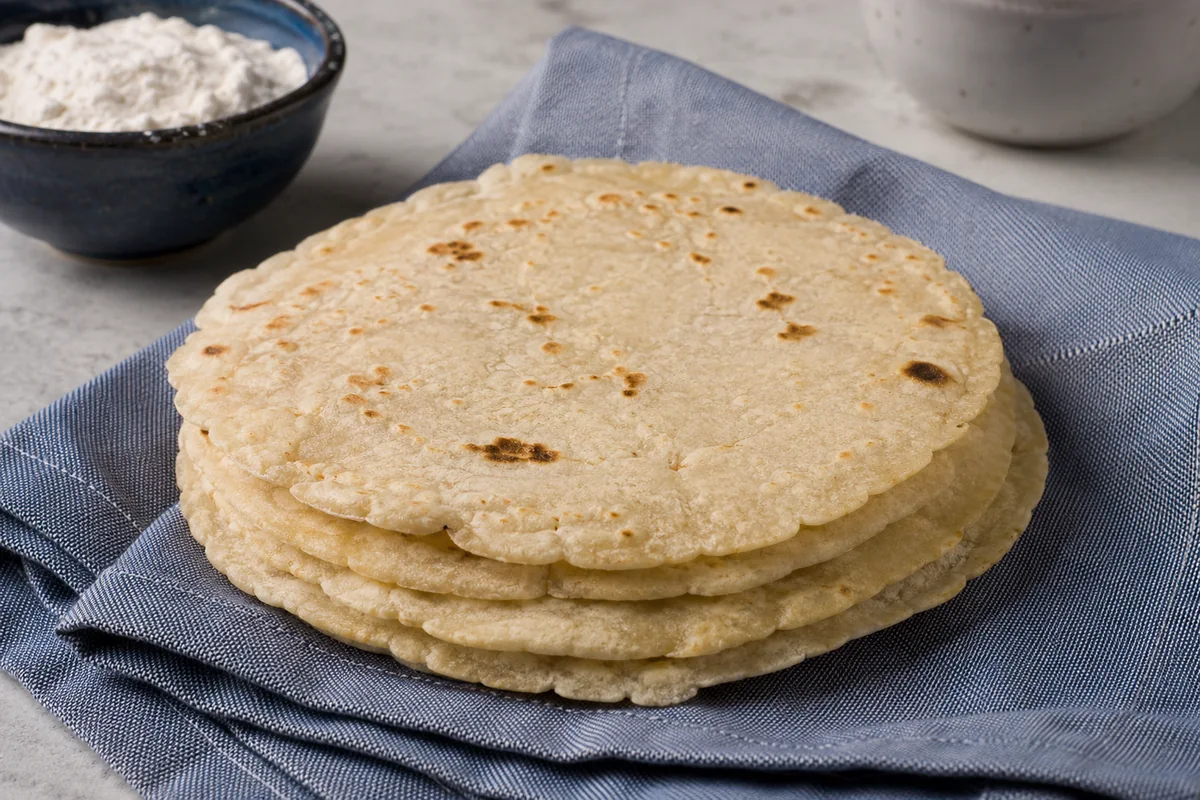
Making your own tortillas is one of the most satisfying things you can do in a gluten free kitchen, partly because the store bought options can get expensive, and partly because a fresh homemade tortilla is genuinely better than almost anything in a bag. The approach depends on which flour you choose, and each has its own personality. I will walk you through the three I reach for most: a gluten free flour blend, cassava flour, and corn masa.
For a soft, flexible flour style tortilla, start with a good gluten free all purpose blend, ideally one that already contains cornstarch and a binder, because that combination gives you flexibility out of the gate. A typical batch runs about 1.5 cups of blend, 2 tablespoons of psyllium husk powder, a quarter teaspoon of baking powder for a little puff, a couple tablespoons of oil, and roughly three quarters of a cup plus a splash of warm water. Whisk the dry ingredients, work in the oil until the mixture looks crumbly, then add the warm water gradually until the dough comes together soft and pliable but not sticky. Let it rest for 30 minutes so the psyllium can fully hydrate and do its work, then divide it into 6 balls and keep them covered while you roll.
Rolling is where people struggle, so a few details matter. Roll each ball to about one eighth of an inch thick, because gluten free dough does not spring back the way wheat dough does, and thinner tortillas are more flexible and less likely to crack. Rotate the dough a quarter turn between passes to keep it round, and if it sticks to the pin, dust the pin with a little flour rather than the tortilla itself. A tortilla press is a worthwhile investment if you make these often, since it gives you even thickness and perfect circles with far less effort. Cook each tortilla on a dry, nonstick skillet heated to about 400 F for roughly 45 seconds on the first side until brown spots appear, then flip for another 15 to 20 seconds. Do not overcook, or they stiffen. As each one comes off the pan, stack it under a clean lint free towel so the residual steam keeps the pile soft and pliable.
Cassava flour deserves its own mention because it makes the closest thing to a grain free flour tortilla. Cassava is mild, slightly stretchy, and forgiving, and a dough of cassava flour, a little fat, salt, and warm water comes together quickly and presses beautifully. Almond flour tortillas are softer and more delicate, lovely for low carb wraps but more prone to tearing, so handle them gently and keep them small. And corn masa is the most traditional of all: just masa harina, salt, and warm water kneaded into a soft dough, pressed thin, and cooked on a hot comal or skillet. Masa is naturally gluten free, cheap, and forgiving once you get the water content right, and a fresh corn tortilla off the pan is hard to beat. If you are building out a whole gluten free pantry to support this kind of cooking, our roundup of easy gluten free snacks leans on a lot of these same flours.
Putting Your Tortillas to Work: Tacos, Wraps, Quesadillas, and Beyond
Once you have a stack of good tortillas, the question becomes what to do with them, and the answer is almost anything a wheat tortilla can do. Tacos are the obvious starting point, and warm corn tortillas, doubled up for strength and charred over a flame, hold grilled meat, fish, or roasted vegetables without falling apart. The doubling trick is a classic for a reason: two thin tortillas together give you the structural backup that gluten would normally provide, so a juicy filling does not soak through and split the shell.
For wraps and burritos, reach for the larger cassava or flour style tortillas, warm them until pliable, and do not overfill, because gluten free wraps have less stretch and tear at the seams if you stuff them too aggressively. Lay your fillings in a line slightly below center, fold the bottom up, tuck the sides in, and roll firmly. A quick toast of the finished wrap, seam side down in a hot dry pan, seals it and adds a little structure. Quesadillas are where a sturdier flour style tortilla earns its keep: butter or oil a hot pan, lay the tortilla down, scatter cheese and fillings on one half, fold, and press gently until the cheese melts and the outside crisps. The melted cheese acts like glue, which is forgiving even if your tortilla is a little fragile.
Do not stop at the savory either. Gluten free tortillas make excellent breakfast wraps with scrambled eggs, quick personal pizzas when you crisp them and top them, and even simple desserts when you brush one with butter, sprinkle cinnamon sugar, and toast it into a crackly sweet snack. Stale tortillas should never go to waste: cut them into wedges, fry or bake them with a little oil and salt, and you have homemade chips for dipping. The same flours that go into these tortillas show up across a gluten free diet, and if you are curious how individual grains stack up, we break down questions like whether quinoa is gluten free in its own detailed guide. The deeper you go, the more you realize that a good tortilla is less a single product and more a foundation you can build a hundred meals on.
One habit that will save you grief: warm only what you plan to eat. Tortillas reheat well once, but a tortilla that has been warmed, cooled, and warmed again loses its flexibility and turns leathery. Pull what you need, warm them just before serving, and keep the rest cold and covered until next time. That small bit of discipline is the difference between tortillas that feel like a treat and tortillas that feel like a compromise.
Frequently Asked Questions
Are corn tortillas always gluten free?
Pure corn tortillas made from masa harina, salt, and water are naturally gluten free, but not every corn tortilla on the shelf is safe. Some brands add a little wheat flour for pliability, and others are made in facilities that also handle wheat, which creates cross contact. Always read the ingredient list and look for a gluten free claim or seal, even on a brand you have bought before, since recipes change.
What is the best store bought gluten free tortilla brand?
It depends on the job. For a flour style tortilla that bends like the real thing, Mission gluten free is widely available and close to the classic. For grain free wraps and burritos, Siete cassava and almond tortillas are the standard. La Tortilla Factory makes good burrito sized cassava options, and BFree offers flavored varieties like sweet potato and multigrain. For tacos, plain corn tortillas remain the cheapest and safest pick.
Why do my gluten free tortillas keep cracking?
Cracking happens because gluten free tortillas lack the elastic gluten web that lets wheat tortillas fold without breaking. The fixes are heat, fat, and a binder. Always warm tortillas before folding, since cold ones are brittle. Brush them with a little oil to keep them from drying out. And for homemade tortillas, add psyllium husk to the dough, which forms a gel that mimics gluten and makes the tortilla pliable.
Can I make gluten free tortillas without xanthan gum?
Yes. Psyllium husk is an excellent alternative and arguably better for tortillas, because it creates a stretchy, foldable texture that holds up to filling. A cassava flour dough also presses and folds well with little more than fat, salt, and warm water. Corn masa tortillas need no gum at all, since the masa itself binds into a workable dough once you get the water content right.
How do I keep homemade tortillas soft after cooking?
As each tortilla comes off the pan, stack it under a clean lint free kitchen towel or in a tortilla warmer so the trapped steam keeps the pile soft and flexible. Do not overcook them, since extra time on the heat stiffens them. Store leftovers in the refrigerator for up to three days or freeze them between sheets of parchment for up to three months, and rewarm just before serving.
Are flour tortillas ever gluten free?
Traditional flour tortillas are made from wheat and are never safe. However, tortillas labeled gluten free flour tortillas are built on alternative flours and starches like rice, tapioca, cassava, or a certified blend, with no wheat at all. These are safe when the package carries a gluten free claim or seal, so the word flour on the front does not automatically mean wheat. Read the ingredients to be sure.