This lemon blueberry bread recipe guides you through creating a moist loaf packed with fresh lemon and blueberry flavor. It’s a straightforward bake perfect for any occasion.
Key takeaways
- Ensure wet ingredients are well-emulsified before combining with dry.
- Do not overmix the batter once flour is added to avoid toughness.
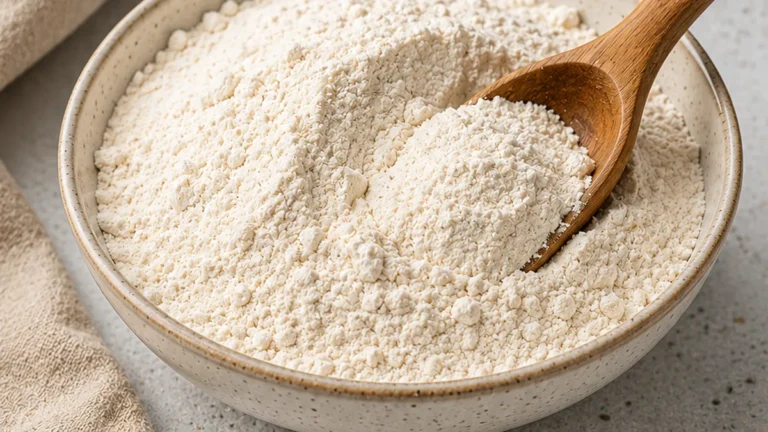
- Accurate measurement of gluten-free flour is key to preventing dryness.
- Bake until a toothpick emerges with moist crumbs to ensure doneness without overbaking.
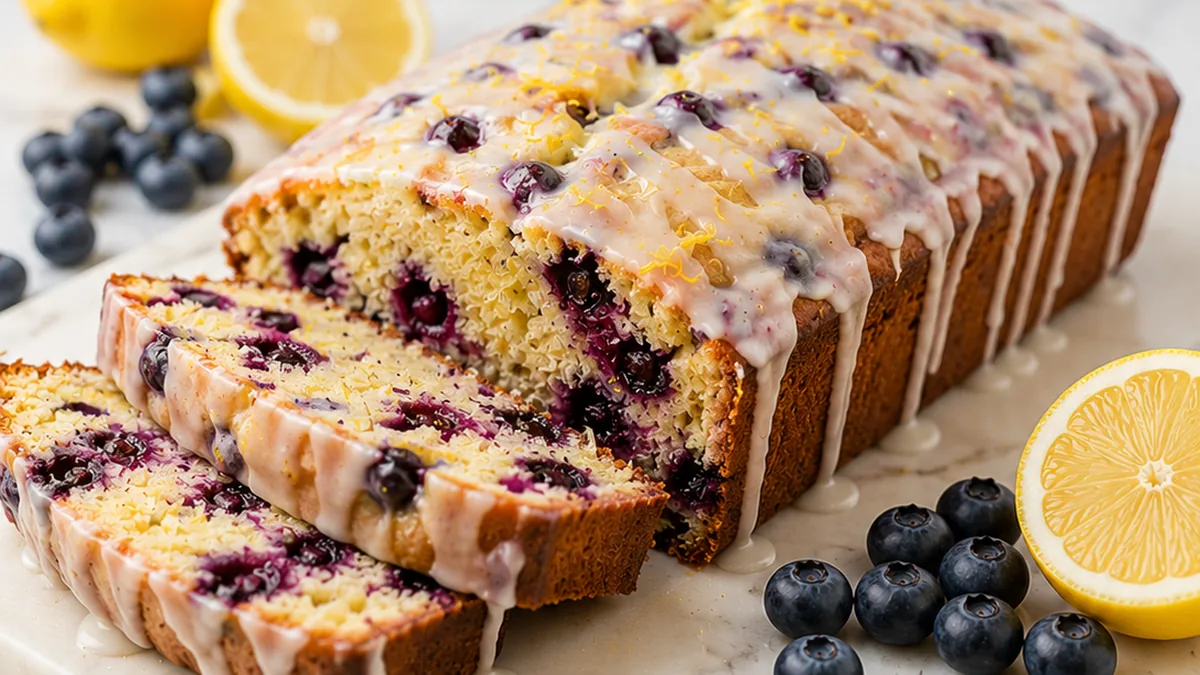
Bursting Lemon Blueberry Bread! Sweet & Zesty!
Ingredients
Method
- Preheat the oven to 350°F. Spray an 8×4-inch loaf pan with cooking spray.
- In a large bowl, whisk together 1½ cups gluten-free flour, baking powder, baking soda and salt.
- In a medium bowl, whisk together the sugar, eggs, oil, milk, lemon juice, lemon zest, vanilla extract and almond extract.
- In a small bowl, stir together the blueberries and 1 tablespoon of gluten-free flour.
- Slowly pour the wet ingredients into the dry ingredients and stir together with a rubber spatula until just combined and no dry flour streaks remain. Gently fold in the floured blueberries.
- Pour the batter into the prepared loaf pan. Bake for 40 minutes, then cover the pan loosely with foil. This will allow the loaf to continue cooking without the top becoming overly browned. Bake for another 15-20 minutes, until a toothpick inserted into the center of the loaf comes out clean.
- Remove from the oven and cool in the pan for 5 minutes. Remove the loaf from the pan and transfer to a wire rack to cool completely.
- For the lemon glaze: In a small bowl, whisk together the powdered sugar and lemon juice. Adjust the consistency with more lemon juice or more powdered sugar as needed to make a very thick but pourable glaze. Drizzle over the cooled loaf. Let the glaze set for a few minutes before slicing the loaf.
Notes
– For perfectly suspended blueberries, toss them with 1 tablespoon of the gluten-free flour before adding them to the batter. This prevents them from sinking to the bottom during baking.
– The loaf is fully cooked when an internal temperature of 200-205°F (93-96°C) is reached, and a toothpick inserted into the center comes out clean. This ensures it’s baked through without being dry.
– Store leftover lemon blueberry bread in an airtight container at room temperature for up to 3 days, or refrigerate for up to 5 days. For longer storage, freeze individual slices for up to 2 months. Nutrition information is an estimate, calculated automatically. Values vary with brands, substitutions and portion sizes.
The Science Behind the Zest: Achieving the Perfect Lemon Blueberry Bread
The success of this lemon blueberry bread hinges on a few key culinary principles, primarily emulsion and leavening. The recipe calls for a neutral oil, which, when combined with the eggs and milk, forms an emulsion. This emulsion is crucial for distributing the fat evenly throughout the batter, resulting in a tender crumb and preventing a greasy texture. Ensure you whisk the wet ingredients thoroughly to achieve a stable emulsion before adding the dry ingredients. Overmixing after adding the flour can develop gluten in gluten-free flour blends, leading to a tough or gummy texture. The leavening agents, baking powder and baking soda, work together to create lift. Baking powder provides a double action of lift, both when wet and when heated, while baking soda reacts with the acidic components (lemon juice) to produce carbon dioxide gas, further aiding in the rise. Proper mixing ensures these agents are evenly distributed for uniform leavening. The lemon zest also plays a role beyond flavor; its oils contribute to the overall aroma and moisture. Baking at the correct temperature is vital; too low and the bread may not rise properly or could become dense, too high and the exterior may burn before the interior is cooked through.
Troubleshooting Your Lemon Blueberry Bread
- Problem: Dense or Gummy Texture
Fix: This often results from overmixing the batter after adding the flour, which can activate starches and proteins in gluten-free blends, or insufficient leavening. Ensure you mix the wet ingredients thoroughly to create a good emulsion, then gently fold in the dry ingredients until just combined. Double-check the freshness of your baking powder and baking soda. - Problem: Bread is Dry and Crumbly
Fix: This can be caused by too much flour, not enough liquid, or overbaking. Measure your gluten-free flour accurately by spooning it into the measuring cup and leveling it off, rather than scooping directly from the bag. Ensure all liquid ingredients are measured precisely. Bake until a toothpick inserted into the center comes out with moist crumbs, not completely dry. - Problem: Sunken Center
Fix: A sunken center usually indicates the bread was removed from the oven too early, or the leavening agents were not effective. Ensure the bread is fully baked by testing with a toothpick. If the leavening agents are old, they may not provide enough lift. - Problem: Uneven Browning or Burnt Edges
Fix: This suggests the oven temperature is too high. Try reducing the oven temperature by 25°F (15°C) and baking for a few minutes longer. You can also tent the bread loosely with aluminum foil during the last part of baking if the top is browning too quickly.
Substitutions for Your Lemon Blueberry Bread
- Flour: While this recipe is formulated for gluten-free measure-for-measure flour, you could experiment with a standard all-purpose flour. The texture might be slightly different, potentially more tender due to gluten development, but the flavor profile should remain similar.
- Milk: Any milk, dairy or non-dairy (like almond, soy, or oat milk), can be used. The fat content in whole milk might yield a slightly richer crumb, while non-dairy options will work effectively without significantly altering the outcome.
- Oil: Melted butter (cooled slightly) can be substituted for neutral oil. This will impart a richer, buttery flavor but may slightly alter the crumb structure, making it a bit denser.
- Lemon: If fresh lemons are unavailable, you can use 1-1.5 teaspoons of good quality lemon extract for flavor, though you will miss the subtle aromatic oils from the zest. Reduce the liquid slightly if using extract, as it doesn’t add moisture like juice.
Pro tips
- Don’t overmix the batter; stir until just combined to ensure a tender crumb. Overmixing develops gluten (even in gluten-free flours) and can lead to a tough loaf.
- For perfectly suspended blueberries, toss them with 1 tablespoon of the gluten-free flour before adding them to the batter. This prevents them from sinking to the bottom during baking.
- The loaf is fully cooked when an internal temperature of 200-205°F (93-96°C) is reached, and a toothpick inserted into the center comes out clean. This ensures it’s baked through without being dry.
- Store leftover lemon blueberry bread in an airtight container at room temperature for up to 3 days, or refrigerate for up to 5 days. For longer storage, freeze individual slices for up to 2 months.
This lemon blueberry bread is a true delight, offering a perfect balance of sweet and tart in every slice. Enjoy this versatile loaf as a breakfast pastry, a light dessert, or a comforting snack. Feel free to experiment with other berries like raspberries or blackberries for a seasonal twist!
Frequently asked questions
Can I use fresh blueberries instead of frozen?
Yes, you can use fresh blueberries. If using fresh, gently toss them with a tablespoon of the gluten-free flour before adding to the batter. This helps prevent them from sinking to the bottom of the loaf during baking.
How do I prevent the blueberries from sinking?
Coating the blueberries (fresh or frozen) with a small amount of the recipe’s flour before folding them into the batter helps them suspend more evenly. Ensure your batter is not too thin, as a thicker batter will also help keep the berries from sinking.
Can I make this recipe dairy-free?
Absolutely. Simply use your favorite non-dairy milk alternative, such as almond, soy, or oat milk. The recipe is already dairy-free if you use a non-dairy milk, as it doesn’t contain butter.
How should I store leftover lemon blueberry bread?
Store the bread in an airtight container at room temperature for up to 3 days. For longer storage, wrap it tightly in plastic wrap and then foil, and freeze for up to 2 months. Thaw at room temperature.
Try this next: The ULTIMATE Gluten-Free Pumpkin Bread!
More from Gluten-Free Bread & Baking →