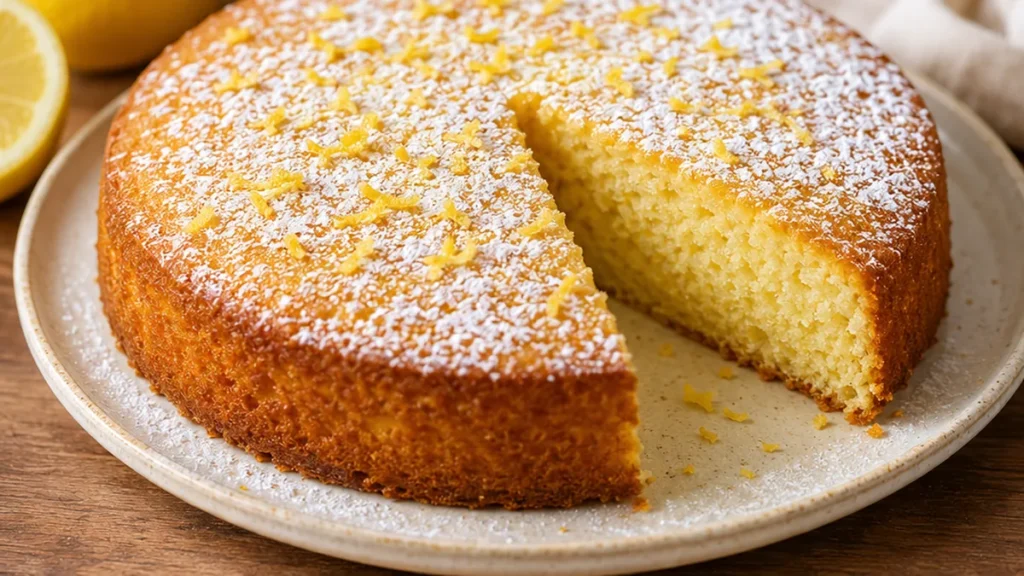
This gluten-free lemon cake recipe is simple to make. It’s moist and full of lemon flavor. A straightforward bake for any occasion.
Key takeaways
- Proper creaming of butter and sugar is crucial for aeration and a light texture in gluten-free cakes.
- Accurate measurement of gluten-free flour and careful mixing prevent a dense or gummy crumb.
- Using both lemon extract and peel ensures a robust, layered lemon flavor.
- Address common issues like dryness or poor rise by checking ingredient freshness and mixing techniques.
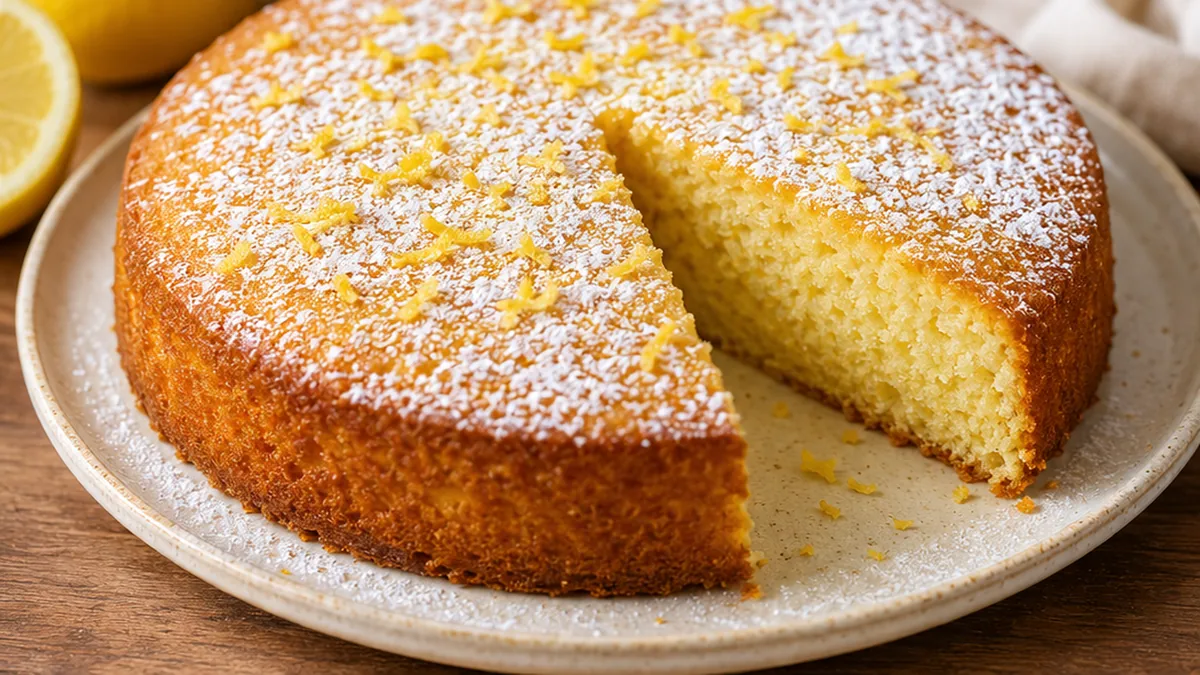
Gluten-Free Lemon Cake – Taste of Sunshine!
Ingredients
Method
- Preheat oven to 350°F (175°C). Line two 9-inch cake pans with parchment paper and spray with gluten-free cooking spray.
- In a large bowl, cream together the softened butter and granulated sugar with a mixer until fluffy.
- Add vanilla extract, lemon extract, dried lemon peel, yellow food coloring (if using), gluten-free flour, salt, and baking powder to the butter mixture and mix until combined.
- Add the milk and mix until smooth.
- Pour half of the batter into the first cake pan and the remaining batter into the second.
- Bake for 25-30 minutes, or until a toothpick inserted in the center comes out clean and the sides pull away from the pan.
- Cool cakes in pans for 10-15 minutes before removing to a wire rack to cool completely.
Notes
– For a stronger lemon flavor, add a tablespoon of fresh lemon zest along with the extracts.
– Don’t overmix the batter once the flour is added; this can lead to a tougher cake.
– Use a gluten-free flour blend that contains xanthan gum for structure. Allergens: Eggs, Milk, Soybeans. Nutrition information is an estimate, calculated automatically. Values vary with brands, substitutions and portion sizes.
The technique that makes it
The success of this gluten-free lemon cake hinges on a few key techniques that ensure a tender crumb and bright, fresh flavor. First, proper creaming of the butter and sugar is paramount. This process, known as the ‘creaming method,’ incorporates air into the mixture, creating tiny air pockets that expand during baking, contributing to the cake’s lift and light texture. Ensure your butter is truly softened, not melted, for optimal aeration. Next, the order of ingredient addition matters. Dry ingredients (gluten-free flour, salt, baking powder) should be whisked together thoroughly to distribute the leavening agent evenly, preventing dense spots. Alternating the addition of dry ingredients with the milk helps to develop the gluten-free flour’s structure without overmixing, which can lead to a gummy texture common in gluten-free baking. The lemon extracts and peel are crucial for flavor intensity. Using both extract and peel provides a layered lemon taste – the extract offers a concentrated, bright citrus note, while the peel provides aromatic oils that translate to a more complex, fresh lemon essence. The optional food coloring, if used, should be added sparingly to the wet ingredients to achieve a sunny hue without altering the cake’s flavor or texture.
Troubleshooting
- Cake is dense or gummy: This often results from overmixing the gluten-free flour, especially after adding liquids, or from insufficient creaming of butter and sugar. Ensure you cream the butter and sugar until light and fluffy, and mix the batter only until just combined after adding the flour.
- Cake is dry: An imbalance in the wet-to-dry ingredients or overbaking can cause dryness. Measure your gluten-free flour accurately (spoon and level method is best) and avoid baking longer than necessary. Use the toothpick test for doneness.
- Lemon flavor is weak: Insufficient lemon extract or peel, or using old extracts, can lead to a muted flavor. Ensure you’re using fresh, potent lemon extracts and the specified amount of lemon peel.
- Cake does not rise properly: This could be due to expired baking powder or improper mixing. Ensure your baking powder is fresh and that it’s evenly distributed within the dry ingredients.
Substitutions
- Gluten-Free Flour: A good quality all-purpose gluten-free flour blend containing xanthan gum is essential. Substituting with a single gluten-free flour like almond or coconut flour will significantly alter the texture and may require adjusting liquid ratios. For a similar texture, use a 1:1 gluten-free baking blend.
- Milk: Dairy-free milk alternatives such as almond milk, soy milk, or oat milk can be used. The result will be very similar, though very subtle flavor nuances might be present depending on the milk chosen.
- Lemon Extract: While pure lemon extract provides the most intense flavor, you can substitute with an equal amount of fresh lemon juice and add more lemon zest (from about 1-2 lemons) to compensate for the lost flavor intensity and liquid.
- Butter: Vegan butter or a neutral-flavored oil (like canola or vegetable oil) can be used. If using oil, the creaming method will be different, and the cake’s texture might be slightly denser or moister.
Pro tips
- Ensure your butter is truly softened, not melted, for the best creaming.
- For a stronger lemon flavor, add a tablespoon of fresh lemon zest along with the extracts.
- Don’t overmix the batter once the flour is added; this can lead to a tougher cake.
- Use a gluten-free flour blend that contains xanthan gum for structure.
Enjoy this delightful gluten-free lemon cake, perfect for any occasion. Try it with a simple glaze or your favorite frosting!
Try this next: Zesty Gluten-Free Lemon Loaf: Pure Sunshine!
More from Gluten-Free Desserts & Sweets →
Frequently asked questions
Can I make this gluten-free lemon cake ahead of time?
Yes, this cake can be baked a day in advance. Allow it to cool completely before storing it in an airtight container at room temperature. For best flavor, let it sit for a few hours before serving so the flavors meld.
How do I know when the gluten-free lemon cake is done baking?
Insert a toothpick into the center of the cake. If it comes out clean or with a few moist crumbs attached, the cake is done. Avoid overbaking, which can result in a dry texture. The edges should also be lightly golden and pulling away from the sides of the pan.
What’s the best way to store leftover gluten-free lemon cake?
Store any leftover cake in an airtight container at room temperature for up to 3 days. If you live in a warm climate or the cake has frosting that requires refrigeration, you can store it in the refrigerator, but allow it to come to room temperature before serving for optimal texture and flavor.
Can I substitute the gluten-free flour blend in this lemon cake recipe?
It’s best to use a gluten-free all-purpose flour blend that contains xanthan gum for this recipe. If your blend doesn’t have xanthan gum, add 1/2 teaspoon. Different blends can affect texture, so results may vary slightly with alternative flours.