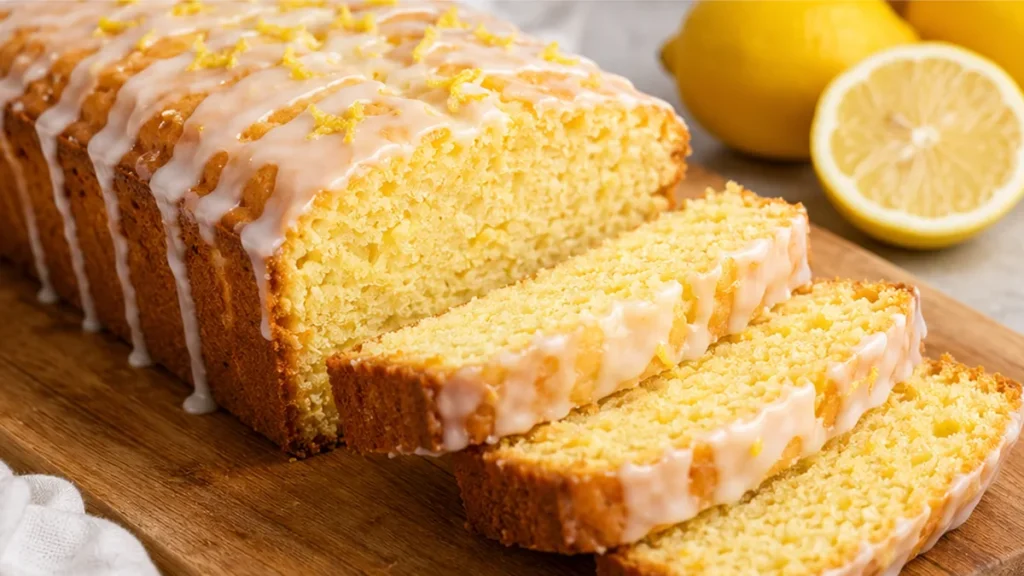
This Gluten-Free Iced Lemon Loaf is the ultimate treat for anyone craving a burst of citrusy sunshine. Perfectly moist, tender, and bursting with fresh lemon flavor, this loaf is surprisingly easy to make. Ideal for breakfast, brunch, or an afternoon pick-me-up, this gluten-free lemon loaf recipe uses simple ingredients to create a bakery-worthy dessert. Forget dry, crumbly gluten-free baked goods; this recipe delivers pure delight.
Key takeaways
- A moist gluten-free lemon loaf relies on adequate fat and proper flour hydration.
- Fresh lemon juice and zest are essential for bright flavor.
- Avoid overmixing after adding the flour blend to prevent toughness.
- Accurate ingredient measurement and fresh leavening agents are key.
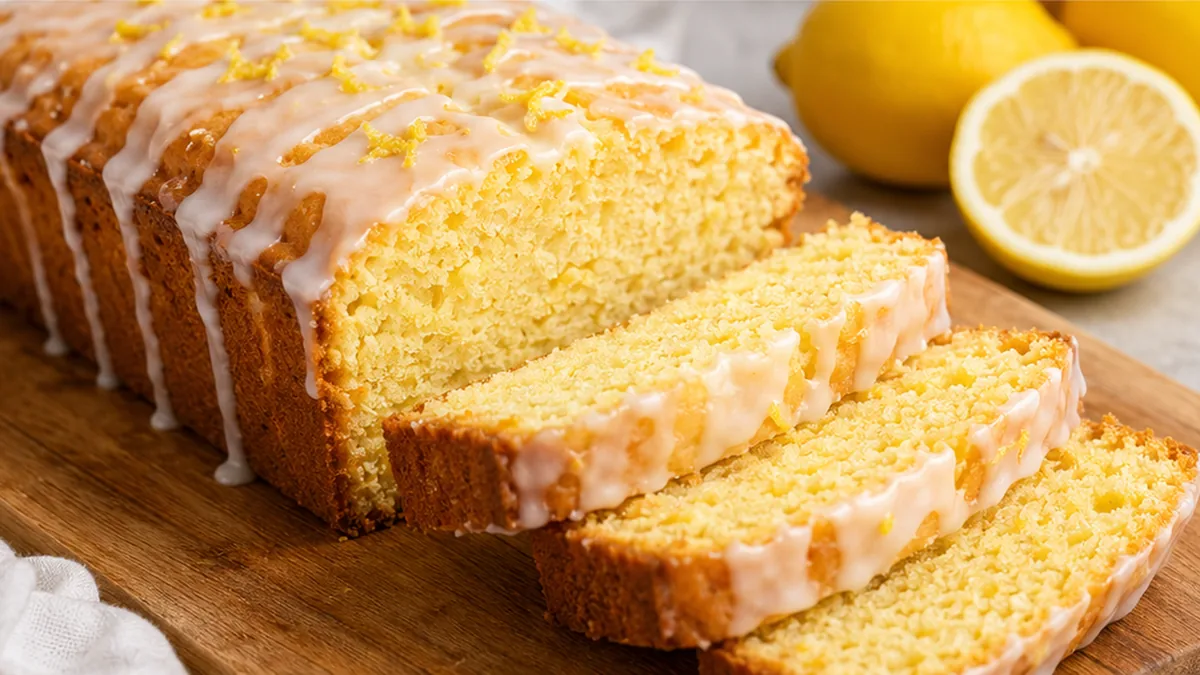
Zesty Gluten-Free Lemon Loaf: Pure Sunshine!
Ingredients
Method
- Preheat oven to 350°F (175°C). Grease and line a loaf pan with parchment paper.
- In a large bowl, whisk sugar and eggs until light and frothy, about 1 minute.
- Add milk, melted butter, fresh lemon juice, lemon zest, and vanilla extract to the egg mixture and whisk until smooth.
- Add the gluten-free flour blend, baking powder, and salt. Gradually stir in the dry ingredients until just combined. Do not overmix.
- Pour the batter into the prepared loaf pan and smooth the top.
- Bake for 45–50 minutes, or until a toothpick inserted in the center comes out clean.
- Let the loaf cool in the pan for 10 minutes, then transfer to a wire rack to cool completely.
- For the icing, whisk powdered sugar, lemon juice, and salt until smooth. Drizzle over the cooled loaf.
Notes
– Zest the lemon before juicing it for maximum flavor.
– Do not overmix the batter once flour is added.
– Cool the loaf completely before icing for best results. Allergens: Eggs, Milk, Soybeans. Nutrition information is an estimate, calculated automatically. Values vary with brands, substitutions and portion sizes.
The technique that makes it
The key to a tender and moist gluten-free lemon loaf lies in the balance of ingredients and the method of combining them. Gluten-free flours absorb liquid differently than wheat flour, often leading to a drier texture. To combat this, we ensure adequate moisture from the eggs, milk, and melted butter. The melted butter coats the gluten-free flour particles, preventing them from absorbing too much liquid too quickly and becoming tough. Whisking the eggs thoroughly incorporates air, which aids in leavening and creates a lighter crumb. Freshly squeezed lemon juice not only provides the signature tartness but also its acidity reacts with the baking powder, further assisting in the rise. Finally, the lemon zest is crucial for an intense, bright lemon flavor that permeates the entire loaf. Overmixing after adding the flour blend should be avoided, as it can still develop toughness in gluten-free baked goods.
Troubleshooting
- Loaf is dry: This often happens with gluten-free baking. Ensure you measured your flour accurately (spoon and level method is best). Using slightly more milk (1-2 tbsp) or a bit more melted butter (1 tbsp) can add needed moisture.
- Loaf is dense or gummy: This can indicate under-leavening or improper flour hydration. Make sure your baking powder is fresh. Ensure all wet ingredients are well combined before adding dry, and don’t overmix once the flour is incorporated. Baking for too short a time can also result in a gummy center.
- Loaf has a tough crust: Overbaking is the usual culprit. Check for doneness earlier than the recipe suggests, especially if your oven runs hot. A slightly underbaked center will continue to cook as it cools.
- Flavor is too subtle: Ensure you are using freshly squeezed lemon juice and plenty of zest. The zest contains the essential oils that provide the most potent lemon aroma and flavor.
Substitutions
- Gluten-Free Flour Blend: If your blend doesn’t contain xanthan gum, you’ll need to add about ½ teaspoon. Different blends can yield slightly different textures; a blend with a higher proportion of rice flour might result in a slightly grittier loaf.
- Milk: Any unsweetened plant-based milk like almond, soy, or oat milk will work well. Coconut milk can add a subtle tropical note. For a non-dairy option, water can be used in a pinch, but it will reduce richness.
- Butter: Ghee is clarified butter and works as a 1:1 substitute. Vegan butter sticks like Smart Balance or Miyoko’s Kitchen will also work. Coconut oil (melted) can be used, but it may impart a slight coconut flavor.
- Lemon Juice: While fresh is best, bottled lemon juice can be used. However, the flavor will be less vibrant. For a different citrus note, lime juice can be substituted, though it will alter the classic lemon loaf profile.
Pro tips
- Ensure your gluten-free flour blend contains xanthan gum.
- Zest the lemon before juicing it for maximum flavor.
- Do not overmix the batter once flour is added.
- Cool the loaf completely before icing for best results.
Try this delightful Gluten-Free Iced Lemon Loaf and bring a little sunshine to your day. Enjoy the perfect balance of sweet and tart!
Try this next: Unbelievable Gluten-Free Southern Bread Pudding
More from Gluten-Free Desserts & Sweets →
Frequently asked questions
Can I make this lemon loaf ahead of time?
Yes, this lemon loaf is perfect for making ahead. Once cooled completely, wrap it tightly in plastic wrap and then in foil. It will keep well at room temperature for up to 3 days, or can be refrigerated for up to a week. Freezing is also an option for longer storage.
How do I know when the gluten-free lemon loaf is fully baked?
The loaf is done when a wooden skewer or toothpick inserted into the center comes out clean, with no wet batter attached. The top should be golden brown and slightly firm to the touch. Avoid overbaking, as gluten-free baked goods can dry out quickly.
What can I substitute for gluten-free flour in this recipe?
While this recipe is designed for a specific gluten-free flour blend, you can often substitute a 1:1 gluten-free baking flour blend that contains xanthan gum. Ensure the blend is suitable for cakes and quick breads for best results. Results may vary slightly depending on the blend used.
How should I store leftover gluten-free lemon loaf?
To maintain freshness, store any leftover lemon loaf at room temperature. Wrap it tightly in plastic wrap to prevent it from drying out. It should remain moist and flavorful for up to 3 days. For longer storage, you can refrigerate it, but allow it to come to room temperature before serving.