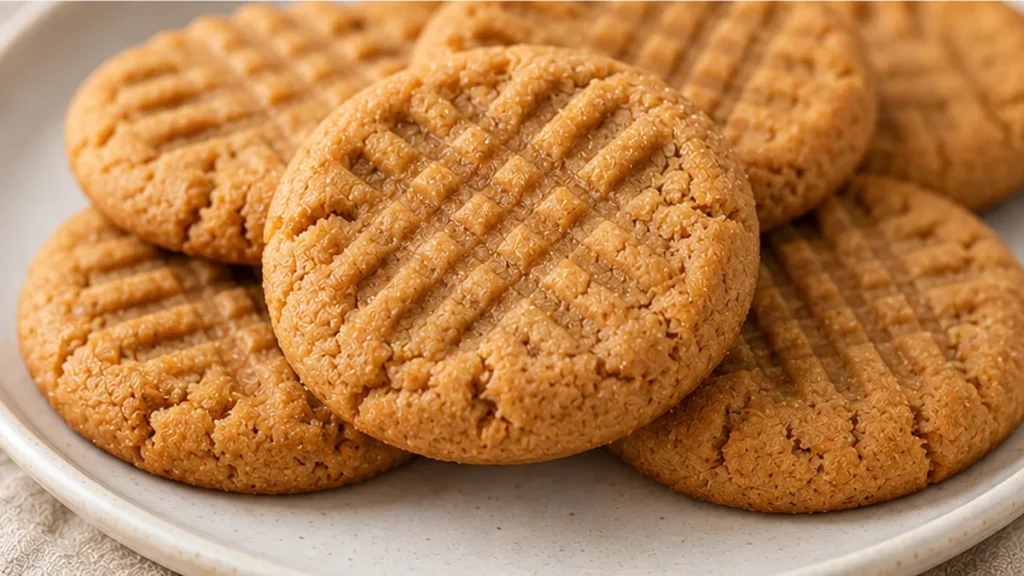
The ultimate peanut butter cookies recipe for those who crave intense flavor with minimal effort. This guide reveals how to make incredibly chewy, flourless peanut butter cookies using only a few pantry staples. Perfect for beginners and seasoned bakers alike, these cookies eliminate the need for flour, making them a fantastic gluten-free option. Get ready to master the art of the perfect peanut butter cookie.
Key takeaways
- The key to these cookies is using natural peanut butter for optimal emulsification with the egg and sugars.
- Thorough mixing ensures even ingredient distribution for consistent texture.
- Troubleshooting common issues like spreading or dryness often involves adjusting peanut butter type or chilling the dough.
- Substitutions are possible but will alter the final texture and flavor profile.
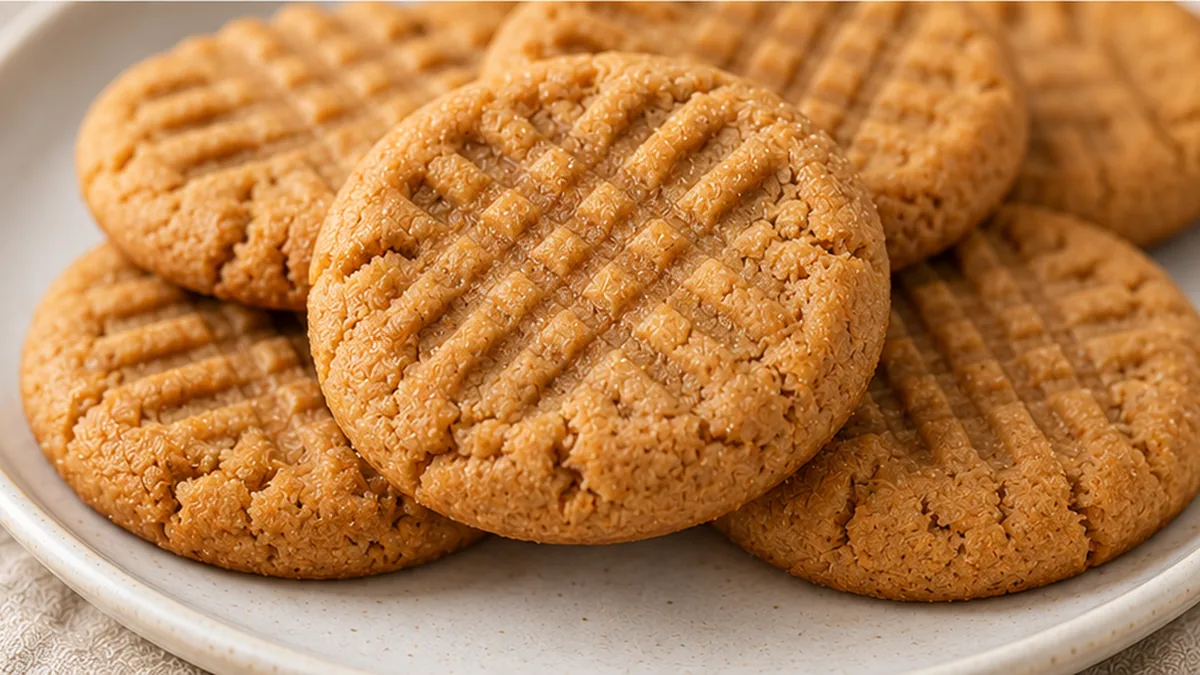
3-Ingredient Peanut Butter Cookies
Ingredients
Method
- In a medium mixing bowl, whisk together the brown sugar, white sugar, egg, vanilla extract, baking soda, and salt until well combined.
- Whisk in the peanut butter until the mixture is smooth, resembling a thick brownie batter.
- Chill the dough in the refrigerator for at least 1 hour until thickened.
- Preheat your oven to 325°F (160°C) and line a baking sheet with parchment paper.
- Scoop the chilled dough using a 1 ½ tablespoon measure and place dough balls onto the prepared baking sheet, leaving space between them.
- Sprinkle the tops with cane sugar if desired. Gently flatten the tops with your fingers or a fork.
- Bake for 11-15 minutes, until the edges are golden brown and the tops show slight cracks.
- Allow the cookies to cool on the baking sheet for 15 minutes before transferring to a wire rack to cool completely.
Notes
– Chilling the dough is essential; don’t skip this step as it prevents the cookies from spreading too much.
– For a decorative touch, use a fork to create the classic crosshatch pattern on top before baking. Allergens: Peanuts, Eggs, Soybeans. Nutrition information is an estimate, calculated automatically. Values vary with brands, substitutions and portion sizes.
The technique that makes it
The magic behind these incredibly simple 3-ingredient peanut butter cookies lies in the emulsification of the peanut butter with the egg and sugars. Natural peanut butter, which typically contains only peanuts and salt, has a looser, oilier consistency than conventional peanut butter stabilized with added oils. This free oil is crucial. When combined with the sugars (both brown and white), the egg acts as a binder and emulsifier. The sugars dissolve into the egg and peanut butter oils, creating a cohesive dough. The brown sugar contributes moisture and a slight chewiness due to its molasses content, while the white sugar aids in crisping. Baking soda, activated by the moisture and heat, provides leavening, creating a cookie that is simultaneously chewy in the center and slightly crisp on the edges. The key is to mix thoroughly until the dough is uniform and no dry streaks of peanut butter remain, ensuring even distribution of ingredients for consistent texture and flavor.
Troubleshooting
- Cookies spread too much and become thin and crispy: This can happen if the peanut butter is too oily or the dough is too warm. Ensure you are using natural peanut butter. If the dough seems very soft, chill it for 15-30 minutes before baking.
- Cookies are dry and crumbly: This often indicates insufficient moisture or over-baking. Ensure the egg is fully incorporated. Avoid over-measuring the flour (though not present in this recipe, it’s a common cookie issue). Bake only until the edges are lightly golden and the centers still look slightly underdone.
- Cookies are too hard or dense: This could be due to using conventional peanut butter with added stabilizers, which prevents proper emulsification, or over-mixing the dough, which can develop gluten if flour were present. Stick to natural, unsweetened peanut butter.
- Cracks on top are too deep or uneven: While some cracking is normal and desirable, excessively deep cracks might mean the baking soda is too old or not evenly distributed. Ensure your baking soda is fresh and mix the dough thoroughly.
Substitutions
- Peanut Butter: While natural peanut butter is recommended for its oil content, you can try using a conventional creamy peanut butter. The cookies might spread more and have a slightly different texture, potentially less chewy. Almond butter or cashew butter can also be used, but expect a different flavor profile and potentially a different dough consistency.
- Sugars: You can adjust the ratio of brown to white sugar. Using more brown sugar will result in a chewier, more moist cookie. Using more white sugar will yield a crispier cookie. A blend of coconut sugar could be used, but it may impart a slight caramel flavor and affect texture.
- Egg: For an egg-free version, a flax egg (1 tablespoon ground flaxseed mixed with 3 tablespoons water, let sit for 5 minutes) can be used. The texture might be slightly denser and less chewy. A commercial egg replacer can also work.
- Vanilla Extract: While it enhances flavor, it’s not critical for the structure. You can omit it if necessary, but the cookies will have a simpler peanut flavor. A dash of cinnamon could be added for a different flavor dimension.
Pro tips
- Ensure your peanut butter is natural and unsalted for the best flavor and texture.
- Chilling the dough is essential; don’t skip this step as it prevents the cookies from spreading too much.
- For a decorative touch, use a fork to create the classic crosshatch pattern on top before baking.
Enjoy these wonderfully simple and delicious peanut butter cookies. Try adding chocolate chips for an extra decadent treat!
Try this next: Craveable Buckwheat Chocolate Chip Cookies
More from Gluten-Free Desserts & Sweets →
Frequently asked questions
Can I make peanut butter cookies without eggs?
Yes, these 3-ingredient peanut butter cookies are naturally egg-free. They rely on the peanut butter, sugar, and baking soda to bind and leaven. If you’re looking for an egg substitute in other recipes, you can try flax eggs, applesauce, or mashed banana, but they are not needed here.
How do I know when peanut butter cookies are done baking?
These cookies are done when the edges are lightly golden brown and the centers look slightly soft. They will continue to set as they cool on the baking sheet. Avoid overbaking, as they can become dry and crumbly. A toothpick inserted into the center should come out with moist crumbs attached.
How long do 3-ingredient peanut butter cookies last?
Store these cookies in an airtight container at room temperature for up to 3-4 days. For longer storage, you can freeze them in a single layer on a baking sheet until firm, then transfer to a freezer-safe bag or container for up to 2-3 months. Thaw at room temperature.
Can I use different types of peanut butter for these cookies?
For best results, use standard commercial peanut butter (like Jif or Skippy) that contains added sugar and oil. Natural peanut butter, which separates and is oilier, may yield a different texture and spread more. If using natural, ensure it’s well-stirred and consider a slightly longer bake time.