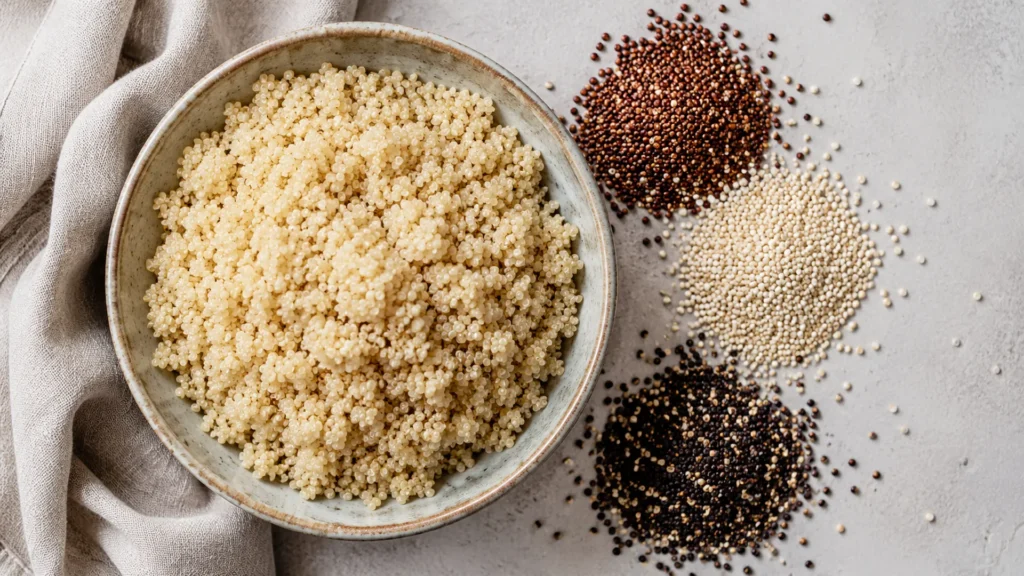
Is quinoa gluten free? Yes. Quinoa is naturally gluten free, and the reason is more interesting than most people expect: quinoa is not actually a grain at all. It is the seed of a leafy plant related to spinach and beets, which makes it what scientists call a pseudo-cereal. Because it is a seed rather than a cereal grain like wheat, barley, or rye, it does not contain the gluten proteins that cause problems for people with celiac disease or gluten sensitivity. That makes quinoa one of the most valuable foods on a gluten-free diet, a complete protein that cooks and eats like a grain while being entirely gluten free. The only real-world caveats are cross-contamination and a small, rarely relevant nuance about its proteins, both of which this guide explains.
Below you will find why quinoa is technically a seed, the cross-contamination problem that trips up naturally gluten-free foods, whether rinsing makes any difference, the surprising research on quinoa proteins, and exactly how to buy and cook it safely.
The Short Answer
Plain quinoa is naturally gluten free and safe for the vast majority of people avoiding gluten. You do not need to treat it as a risky food; it is one of the staples that makes a gluten-free diet varied and nourishing. The two things to keep in mind are practical rather than fundamental: choose certified gluten-free quinoa if you have celiac disease, because naturally gluten-free foods can pick up gluten during processing, and be aware that a very small number of people with celiac disease are sensitive to certain quinoa varieties for a reason unrelated to gluten contamination. For almost everyone, though, quinoa is a green light.
Quinoa Is a Seed, Not a Grain
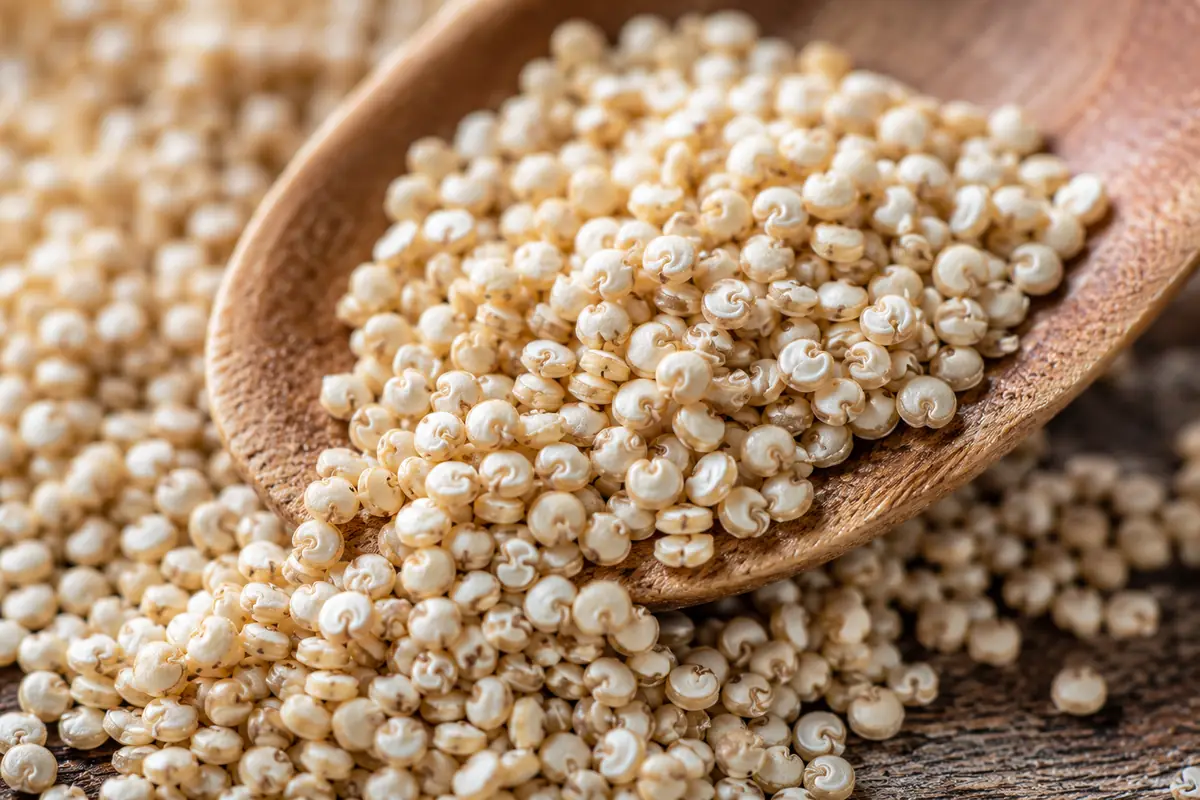
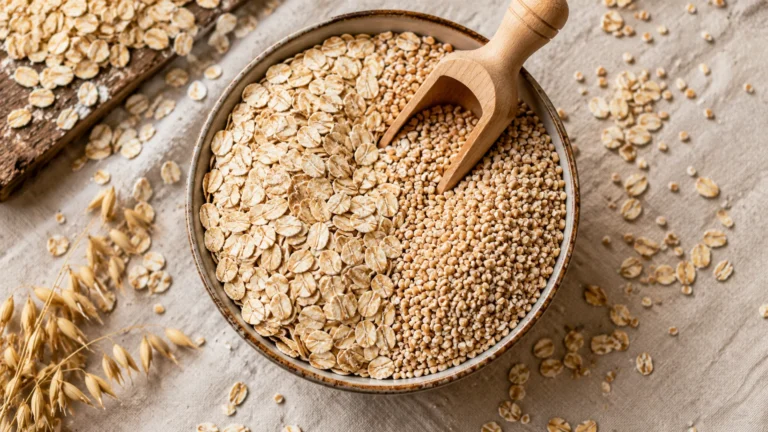
The key to understanding quinoa is that it is botanically a seed, harvested from a plant in the same family as spinach, chard, and beets. Cooks treat it like a grain because it behaves like one on the plate, fluffing up into tender, nutty little beads, which is why it is grouped with rice and barley in the kitchen. But biologically it has nothing to do with the cereal grasses that carry gluten. Gluten is a specific family of proteins found in wheat, barley, and rye, and quinoa, as a seed from an entirely different plant family, simply does not produce them. This is the same reason buckwheat, despite its misleading name, is also gluten free. Quinoa belongs to a small, valuable club of pseudo-cereals that give gluten-free eaters the satisfying, grain-like foods their diet would otherwise lack.
The Cross-Contamination Problem
If quinoa contains no gluten, how does it ever cause trouble? The answer, as with rice and oats, is cross-contamination. Quinoa is frequently grown, harvested, transported, and processed using the same equipment and facilities as gluten-containing grains, and trace amounts of wheat, barley, or rye can mix in along the way. Testing of naturally gluten-free foods has found contamination rates ranging widely, from well under one percent up to a striking thirty-six percent in some samples, which is exactly why a food being naturally gluten free is not the same as it being safe in every package. For someone with celiac disease, that gap matters, and it is the reason certified gluten-free quinoa exists. Patient resources from organizations like the Celiac Disease Foundation stress this distinction between naturally gluten free and certified gluten free.
Does Rinsing Quinoa Remove Gluten?
This is a common and reasonable question, since most cooks rinse quinoa before cooking, but the answer is no. Rinsing quinoa serves a real purpose: it washes away the bitter, soapy natural coating called saponin, which makes the cooked quinoa taste cleaner and less astringent. What it does not do is remove gluten. If quinoa has been contaminated with gluten during processing, those gluten proteins are mixed in and cannot be rinsed off with water. So rinse your quinoa for flavor, by all means, but never rely on rinsing as a safety measure against gluten. The only reliable protection against contamination is buying a product that has been tested and certified gluten free.
The Surprising Research on Quinoa Proteins
Here is the nuance that makes quinoa genuinely interesting. While quinoa contains no gluten, it does contain its own family of storage proteins called prolamins, the same broad category that gluten belongs to in cereal grains. The vast majority of quinoa varieties have very low levels of these proteins and are well tolerated. However, a small laboratory study found that a few specific quinoa varieties contained prolamins capable of triggering an immune response in some people with celiac disease, similar to the way gluten does. This is not a reason to avoid quinoa, and most people with celiac disease eat it without any problem at all. It is simply worth knowing that if you have celiac disease and notice symptoms after eating quinoa despite buying a certified product, it is a real, if uncommon, possibility rather than something imagined. For the overwhelming majority, quinoa remains a safe and excellent food.
How to Buy and Cook Quinoa Safely
Keeping quinoa safe comes down to a few simple habits. Buy quinoa labeled or certified gluten free, especially if you have celiac disease, since this guards against the cross-contamination that plain quinoa can carry. Rinse it before cooking for better flavor, even though this does not affect gluten. Cook it in clean pots and utensils that have not just handled wheat pasta, and store it away from gluten-containing grains. When eating quinoa prepared by others, in salads, bowls, or restaurant dishes, remember that the risk usually lies in dressings, sauces, or shared equipment rather than the quinoa itself. With those precautions, quinoa is one of the easiest naturally gluten-free foods to keep safe, much like plain rice, another dependable staple covered in our guide to whether rice is gluten free.
Why Quinoa Is Worth It Nutritionally
Quinoa has earned its reputation as a nutritional standout, and that value is amplified on a gluten-free diet, which can otherwise skew toward refined, starch-heavy foods. Quinoa is one of the few plant foods that is a complete protein, meaning it supplies all nine essential amino acids, which is unusual and especially useful for vegetarians and anyone relying on plant proteins. It is also rich in fiber, magnesium, iron, and B vitamins, and it has a lower impact on blood sugar than many refined gluten-free staples. Swapping quinoa in for some of the white rice and starch-based products that gluten-free diets often lean on adds protein, fiber, and minerals without any gluten risk. It is the kind of food that makes eating gluten free feel like an upgrade rather than a restriction.
Is Quinoa Flour Gluten Free?
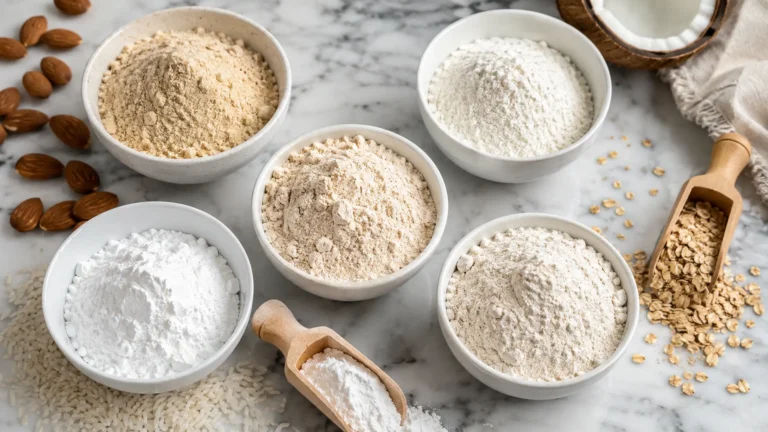
Yes. Because the quinoa seed is gluten free, quinoa flour, made by grinding the seeds, is gluten free as well. It is a nutritious, protein-rich addition to gluten-free baking, bringing a distinctive nutty, slightly earthy flavor and extra structure to breads, pancakes, and muffins. Like other single gluten-free flours, it generally works best as part of a balanced blend rather than on its own, which we explore in our guide to gluten-free flour. As always, check that any packaged quinoa flour is certified gluten free if cross-contamination is a concern. And just as quinoa shines as the base of a hearty bowl, it pairs beautifully with vegetables and a good sauce, the same way a roundup of grain bowls builds a meal around a wholesome base.
The Different Types of Quinoa
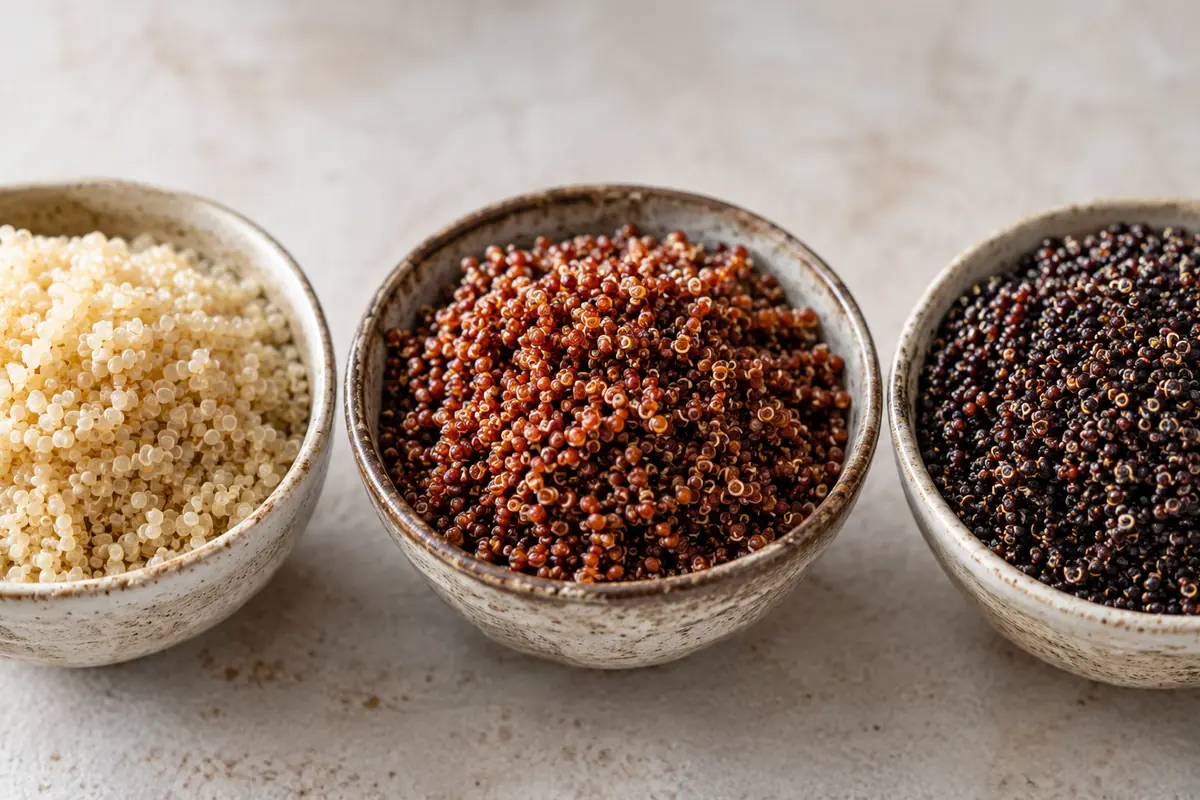
Quinoa comes in a few colors, and all of them are equally gluten free, differing only in flavor and texture. White quinoa is the mildest and fluffiest, the most versatile all-rounder and the easiest to use in place of rice. Red quinoa holds its shape better after cooking and has a slightly chewier bite and earthier flavor, which makes it a good choice for salads where you want distinct grains rather than a soft pile. Black quinoa is the earthiest and crunchiest, with a hint of sweetness, and keeps its striking color on the plate. You will also find tricolor blends that mix all three for visual contrast. None of these distinctions affect gluten status in the slightest; choose by how you want the finished dish to look and feel. For everyday cooking, white quinoa is the simplest starting point, while red and black are worth reaching for when texture and presentation matter.
How to Cook Quinoa Perfectly
Cooking quinoa well is easy once you know the basic ratio, and good technique is part of what makes it such a reliable gluten-free staple. Use roughly two parts liquid to one part quinoa. Rinse the quinoa first in a fine-mesh strainer to wash off the bitter saponin coating, which is the step that most affects flavor. Combine it with water or a gluten-free broth, bring it to a boil, then reduce to a low simmer, cover, and cook for about fifteen minutes until the liquid is absorbed and the little spiral germ rings unfurl from each seed. Take it off the heat and let it sit, covered, for five minutes, then fluff it with a fork. That short rest is the secret to light, separate quinoa rather than a dense, wet clump. Cooked this way, quinoa works as a base for bowls, a bed for stews, a salad grain, or a hot breakfast porridge, slipping into almost any role that rice or couscous would play in a gluten-eater’s kitchen.
Quinoa vs. Rice on a Gluten-Free Diet
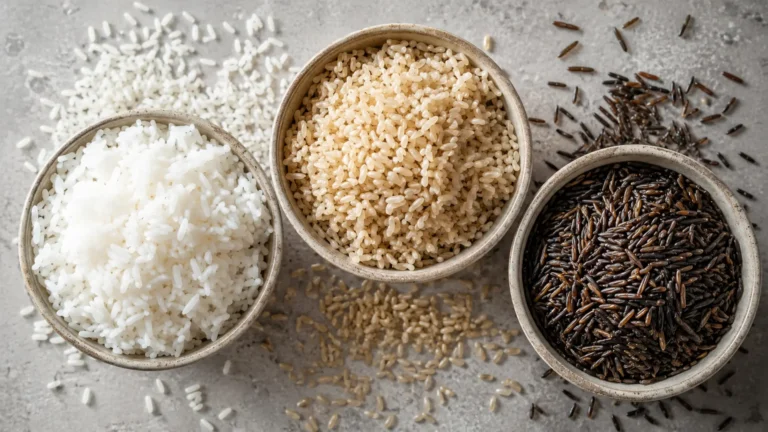
Since both are naturally gluten-free staples, it is worth knowing how quinoa and rice compare, because they are not quite interchangeable in nutrition. Quinoa pulls ahead on protein and is a complete protein, while most rice provides far less and is not complete. Quinoa also tends to be higher in fiber and several minerals, and it has a gentler effect on blood sugar than white rice. Rice, on the other hand, is cheaper, more neutral in flavor, and the better fit for certain dishes, like sushi, risotto, or a simple side under a saucy curry. The smart approach on a gluten-free diet is not to choose one over the other but to rotate them, leaning on quinoa when you want a protein and nutrient boost and on rice when you want a neutral, inexpensive base. Together they cover a huge range of meals without a trace of gluten between them.
Other Naturally Gluten-Free Pseudo-Cereals
Quinoa is the most famous pseudo-cereal, but it has company, and exploring the others keeps a gluten-free diet from getting monotonous. Buckwheat, despite its name, is a gluten-free seed used for soba-style noodles and hearty pancakes. Amaranth is a tiny seed, like quinoa a complete protein, that cooks into a creamy porridge or pops like miniature popcorn. Millet is mild and fluffy and works as a rice alternative or a soft porridge. All of these share quinoa’s profile: naturally free of gluten, nutritionally generous, and subject to the same cross-contamination caveat, so the certified label still matters for celiacs. Adding a couple of them to your rotation alongside quinoa and rice gives a gluten-free kitchen real variety in texture, flavor, and nutrition, which is one of the quiet keys to sticking with the diet happily over the long term.
Storing Quinoa and Cooked Leftovers
Quinoa is a meal-prep friendly staple because it keeps so well at every stage. Dry, uncooked quinoa lasts for months to a couple of years in an airtight container in a cool, dry pantry, though its natural oils mean it keeps even longer in the fridge or freezer if you buy in bulk. Cooked quinoa is the real convenience: it holds in an airtight container in the fridge for four to five days and freezes beautifully for up to a couple of months, so a big batch cooked once becomes the base for bowls, salads, and breakfasts all week. Let it cool before sealing the container so trapped steam does not turn it soggy, and reheat with a small splash of water to loosen it back to fluffy. As with any naturally gluten-free food, store cooked quinoa away from gluten-containing leftovers and use clean utensils, so the safe, wholesome grain stays that way from the pot to the plate.
Frequently Asked Questions
Is quinoa gluten free for celiacs?
Yes, for the vast majority of people with celiac disease. Quinoa is naturally gluten free because it is a seed, not a cereal grain. Choose certified gluten-free quinoa to avoid cross-contamination. A very small number of celiacs may react to certain quinoa varieties, but most tolerate it well.
Is quinoa a grain or a seed?
Quinoa is a seed, harvested from a plant related to spinach and beets, which is why it is called a pseudo-cereal. It is cooked and eaten like a grain but is botanically unrelated to the cereal grasses that contain gluten, which is the reason it is naturally gluten free.
Does rinsing quinoa remove gluten?
No. Rinsing removes the bitter saponin coating on the outside of the seeds and improves the flavor, but it cannot remove gluten. If quinoa has been cross-contaminated during processing, the gluten is mixed in and water will not wash it away. Buy certified gluten-free quinoa for safety.
Why does quinoa sometimes bother people with celiac disease?
Usually it is cross-contamination with gluten-containing grains during processing. In rare cases, research has found that a few specific quinoa varieties contain prolamin proteins that can trigger an immune response in some celiacs, even without gluten. This is uncommon, and most people tolerate quinoa without issue.
Do I need certified gluten-free quinoa?
If you have celiac disease, yes, certified gluten-free quinoa is the safest choice, because plain quinoa can pick up gluten during farming and processing. If you are avoiding gluten by preference rather than medical necessity, the risk from trace contamination is far less critical.
Is quinoa flour gluten free?
Yes. Quinoa flour is simply ground quinoa seeds, so it is naturally gluten free and a protein-rich option for gluten-free baking. It works best blended with other gluten-free flours and starches. Choose a certified gluten-free product if cross-contamination is a concern.
Bottom Line
So, is quinoa gluten free? Yes, naturally so, because it is a nutrient-dense seed rather than a gluten-containing grain. It is one of the best foods a gluten-free eater can build meals around, delivering complete protein, fiber, and minerals in a satisfying, grain-like package. The only practical steps are to buy certified gluten-free quinoa if you have celiac disease, rinse it for flavor while remembering that rinsing does not remove gluten, and cook it on clean equipment. Keep in mind the rare prolamin sensitivity if you react despite doing everything right, but for almost everyone, quinoa is exactly what it appears to be: a safe, wholesome, gluten-free staple worth eating often. Few foods give a gluten-free kitchen so much in return for so little fuss, which is why it has become a quiet cornerstone of the way so many people eat gluten free today.