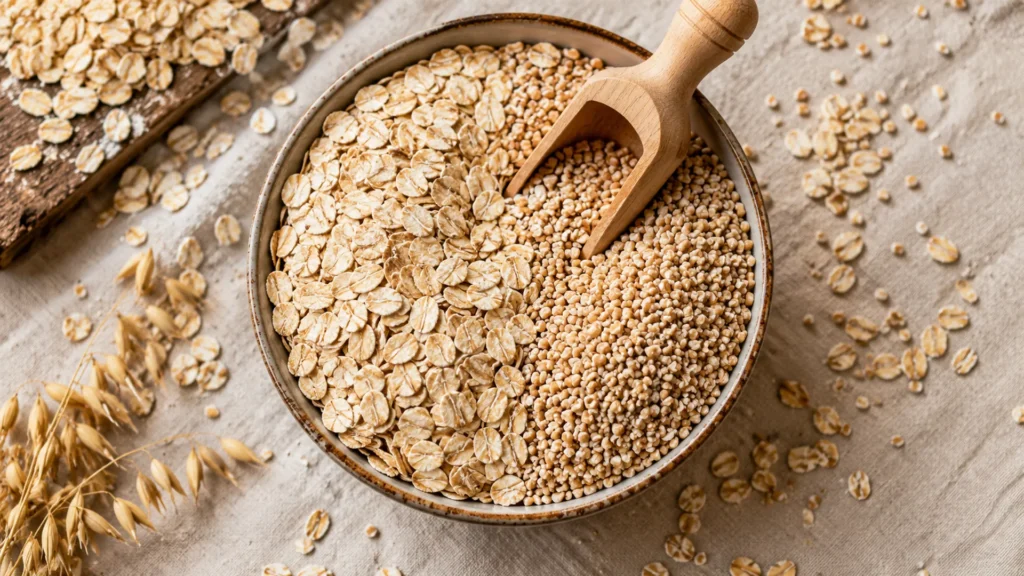
Are oats gluten free? Yes and no, which is exactly why oats cause more confusion than almost any other food on a gluten-free diet. Pure oats are naturally gluten free, because they do not contain the gluten proteins found in wheat, barley, and rye. But ordinary oats from the supermarket are usually not safe, because they are grown and processed alongside those very grains and end up heavily cross-contaminated with gluten. On top of that, oats contain a protein of their own called avenin that a small number of people with celiac disease react to. So the real answer is that oats are gluten free in principle, safe for most people if you buy the certified kind, and worth introducing with a little care. This guide explains all three layers so you know exactly where you stand.
Below you will find why oats are naturally gluten free, why regular oats are still risky, what certified gluten-free oats actually guarantee, the avenin nuance that matters for a small group, and how to bring oats into your diet safely.
The Short Answer
Oats themselves contain no gluten, but standard oats are almost always cross-contaminated with wheat, barley, or rye during growing and processing, which makes them unsafe for people with celiac disease. The solution is to buy oats specifically labeled certified gluten free, which are grown and handled to keep gluten below the safe threshold. Most people with celiac disease tolerate certified gluten-free oats well, but a small minority react to a natural oat protein called avenin, so it is wise to introduce oats slowly and watch for symptoms. For the average gluten-free eater, certified gluten-free oats are a safe and valuable food.
Why Oats Are Naturally Gluten-Free
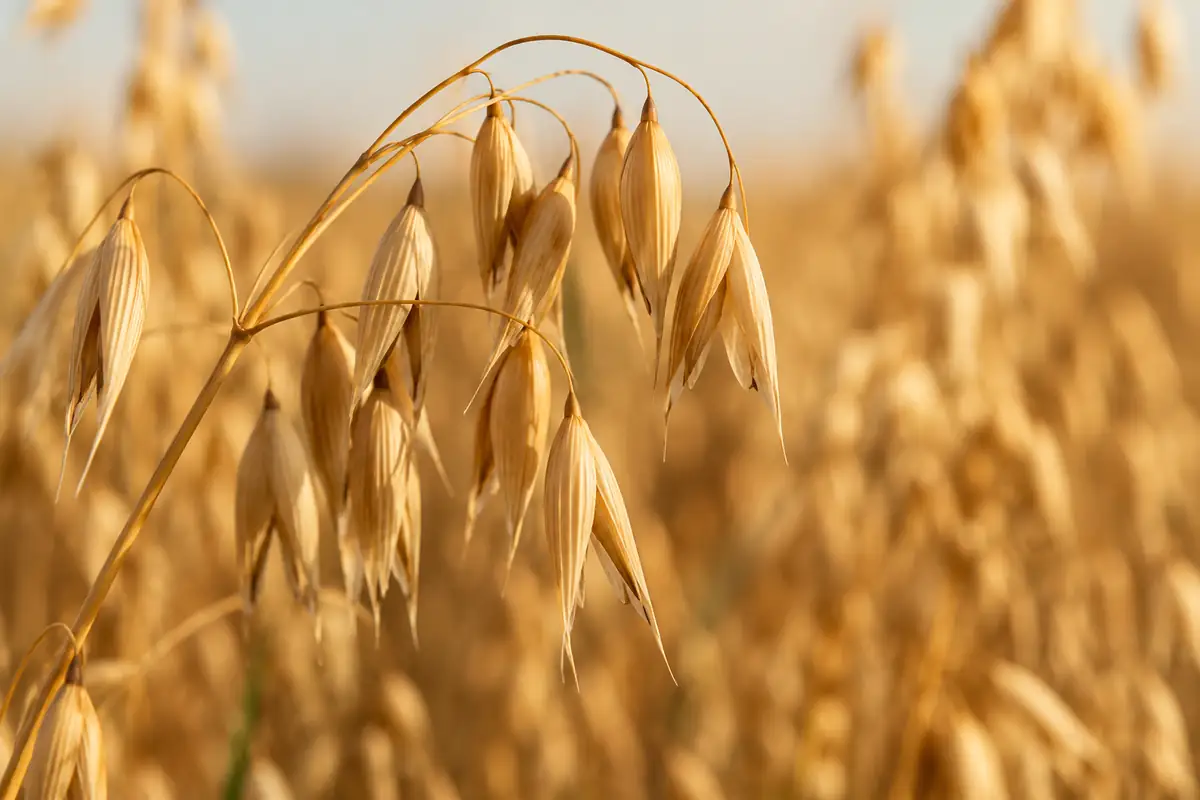
Gluten is a specific group of proteins, and the ones that harm people with celiac disease are gliadin in wheat, hordein in barley, and secalin in rye. Oats simply do not contain any of these. As a separate cereal grain, the oat plant produces its own proteins rather than the gluten proteins of wheat and its relatives. This is why nutrition scientists classify pure oats as inherently gluten free, and why oats are allowed to be sold as gluten free in many countries as long as testing confirms gluten contamination stays below 20 parts per million. The grain on its own is not the problem; what happens to it on the way to the bag usually is.
The Cross-Contamination Problem
This is where most of the risk lives. Oats are very commonly grown in fields rotated with wheat and barley, harvested with the same equipment, and milled and packaged in the same facilities as gluten-containing grains. At every one of those steps, stray wheat and barley can mix into the oats, and testing of regular oats routinely finds gluten well above the safe limit. So a canister of standard rolled oats, despite the grain itself being gluten free, can easily contain enough gluten to harm someone with celiac disease. This is the single most important thing to understand about oats: the danger is contamination, not the oat. It is also why simply choosing oats is not enough, and why the certified label exists.
Certified Gluten-Free Oats: The Safe Choice
Certified gluten-free oats are the answer to the contamination problem. These oats are produced under controlled conditions, either grown in dedicated fields and handled on separate equipment, or carefully sorted to remove stray grains, and then tested to confirm they contain less than 20 parts per million of gluten. That certification is what makes them safe for celiac disease, where ordinary oats are not. When you see oats or oat products labeled certified gluten free, you can trust that the contamination risk has been managed. For anyone with celiac disease or serious gluten sensitivity, this label is not optional; it is the difference between a safe bowl of oatmeal and a contaminated one. Resources from organizations like the Celiac Disease Foundation consistently make this distinction the centerpiece of their guidance on oats.
The Avenin Question
Even with certified gluten-free oats, there is one more layer worth knowing about, because it explains why a few people still react to oats that should be perfectly safe. Oats contain a protein called avenin, which belongs to the same broad family as gluten and, in a small subset of people with celiac disease, can trigger a similar immune response. The key facts are reassuring for most: research shows that the large majority of people with celiac disease tolerate pure, uncontaminated oats with no problem at all. But for the small minority who are avenin-sensitive, choosing certified gluten-free oats does not help, because avenin is part of the oat itself, not a contaminant. If you have celiac disease and react to oats even when they are certified gluten free, avenin sensitivity is the likely and legitimate explanation, rather than something imagined. It is uncommon, but real.
How to Add Oats to a Gluten-Free Diet Safely
Given all of this, the sensible approach is to introduce oats deliberately rather than diving in. Start only with certified gluten-free oats, never regular ones. Introduce them in a small amount and on their own, so that if you do react, you can tell it was the oats and not something else. Then monitor how you feel over the following days, watching for the digestive symptoms that would signal a problem. If you tolerate them well, as most people do, oats become a nutritious and welcome addition to the diet. If you react despite using certified oats, that points to avenin sensitivity, and the answer is simply to avoid oats. For anyone newly diagnosed with celiac disease, it is also common to wait until the gut has begun to heal before introducing oats, and to discuss the plan with a doctor or dietitian. This cautious, one-variable-at-a-time method takes the guesswork out.
Are All Oat Products Gluten-Free?
The same certified-or-not rule applies to everything made from oats, and there are more oat products than people realize. Rolled oats, steel-cut oats, instant oatmeal, oat flour, oat bran, oat milk, and oat-based granolas and bars are all gluten free only if made from certified gluten-free oats, and many mainstream versions are not. Instant flavored oatmeal packets and granolas are especially worth scrutinizing, since they can also contain added barley malt or wheat ingredients beyond any cross-contamination. Oat flour deserves a special mention for gluten-free bakers, because certified gluten-free oat flour is a lovely, soft, slightly sweet addition to cookies and muffins, and it fits naturally into the wider world of gluten-free flour. As always, read the label and look for the certified mark; the word oats alone is never a guarantee.
Why Oats Are Worth the Effort
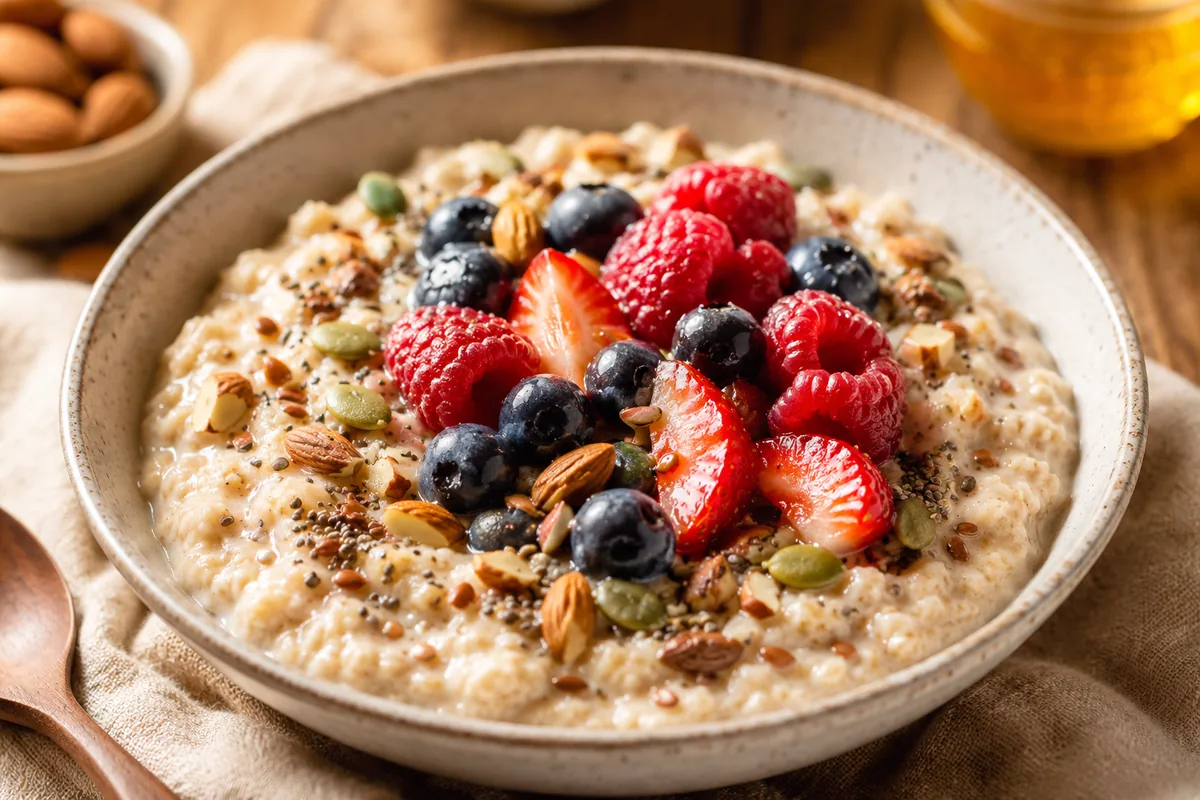
When they are safe, oats bring a lot to a gluten-free diet, which can otherwise run short on whole grains and fiber. Oats are rich in a soluble fiber called beta-glucan, which is linked to lower cholesterol and steadier blood sugar, and they provide protein, B vitamins, and minerals like manganese and iron. They are filling and versatile, working as a hot breakfast, a base for overnight oats, a binder in cookies and crisps, and a flour for baking. For gluten-free eaters in particular, who lose easy access to wheat-based whole grains, certified gluten-free oats fill an important nutritional gap. A naturally gluten-free fruit crisp with an oat topping, like a gluten-free peach crisp, is a perfect example of how oats add wholesome texture, and oats are equally at home in a batch of oatmeal cookies made the gluten-free way. Oats also share their nuanced, certified-or-not story with another naturally gluten-free favorite, which is worth understanding if you build meals around grains and seeds, as our guide to whether quinoa is gluten free explains. Between certified oats, quinoa, and rice, a gluten-free pantry has no shortage of hearty, satisfying whole grains to rotate through all week long, each one safe to enjoy when you simply know what to look for on the label.
Steel-Cut, Rolled, and Instant: Are They All Gluten Free?
People often wonder whether the way oats are cut or processed affects their gluten status, and the reassuring answer is that it does not. Steel-cut oats, rolled oats, and quick or instant oats are all the same grain processed to different degrees, so all three are gluten free if, and only if, they are certified gluten free. The cut changes the cooking time and texture, not the gluten content.
Steel-cut oats are the least processed, simply chopped into pieces, giving a chewy, nutty porridge that takes longer to cook. Rolled or old-fashioned oats are steamed and flattened, cooking faster and holding up well in cookies, granola, and crisp toppings. Quick and instant oats are rolled thinner or pre-cooked so they soften in minutes, which is convenient but worth watching, because instant flavored packets are the most likely to contain added gluten ingredients like barley malt. Whichever form you prefer, the rule is identical: choose the certified gluten-free version, and check the label on anything flavored or pre-mixed. The shape of the oat tells you nothing about its safety; only the certification does.
How to Read Oat Product Labels
Because so many oat products line the shelves, a quick label routine keeps you safe. First, look for the certified gluten-free mark, which is the strongest single assurance and means the product has been tested below 20 parts per million of gluten. Second, scan the ingredient list for obvious gluten additions that go beyond cross-contamination, especially barley malt, malt extract, malt flavoring, and any wheat-based ingredients, which turn up in some granolas, cereals, and flavored oatmeals. Third, be skeptical of products that say made with whole grain oats or natural without any certification, since that language says nothing about contamination. This matters across the whole oat aisle, from oatmeal and granola to oat milk, oat flour, and snack bars. A plain canister of certified gluten-free rolled oats is the simplest, safest starting point, and from there the same checks apply to every processed product made from oats.
Oats, Cholesterol, and Blood Sugar
The reason oats are worth the extra care is that, when safe, they are genuinely good for you, and a couple of their benefits are unusually well established. Oats are one of the best sources of beta-glucan, a type of soluble fiber that forms a gel in the digestive tract. That gel is linked to lower LDL cholesterol, which is why oats have a long-standing reputation as a heart-healthy food, and it also slows the absorption of sugar, helping to steady blood sugar rather than spiking it. For people on a gluten-free diet, this is especially valuable, because gluten-free diets can be lower in fiber and whole grains than they should be, and refined gluten-free products often have a sharper effect on blood sugar. Adding certified gluten-free oats brings back a satisfying, fiber-rich whole grain that supports heart health and steady energy, filling a gap the diet tends to leave. They are filling too, which makes a bowl of oatmeal a genuinely useful breakfast for staying satisfied through the morning.
Oats for Children and the Newly Diagnosed
Two situations call for a little extra thought. For children with celiac disease, the same principles apply, certified gluten-free oats only and a careful introduction, but it is especially worth coordinating with a pediatrician or dietitian, since oats are a useful source of fiber and energy for growing kids and you want to confirm they are tolerated. For anyone newly diagnosed with celiac disease, the common advice is to hold off on introducing oats until the gut has had time to begin healing on a strict gluten-free diet, often several months, and to add them only once other gluten sources are well under control. That way, if a reaction does occur, it is easier to attribute to the oats rather than confusing it with ongoing healing. In both cases the goal is the same: bring this nutritious grain in deliberately, so its benefits land without uncertainty about safety.
Frequently Asked Questions
Are oats naturally gluten free?
Yes. Oats do not contain the gluten proteins found in wheat, barley, and rye, so the grain itself is naturally gluten free. The problem is that regular oats are usually cross-contaminated with those grains during growing and processing, which is why certified gluten-free oats are necessary for safety.
Why are some oats not gluten free?
Because of cross-contamination. Oats are frequently grown, harvested, and milled alongside wheat and barley, so stray gluten grains mix in. Testing of ordinary oats often finds gluten above the safe limit, which is why only oats labeled certified gluten free can be trusted by people with celiac disease.
Can celiacs eat oats?
Most people with celiac disease can eat certified gluten-free oats safely. A small minority react to a natural oat protein called avenin, even in pure oats, so it is best to introduce oats slowly and monitor for symptoms. Always use certified gluten-free oats, never regular ones.
What is avenin and why does it matter?
Avenin is a protein in oats from the same broad family as gluten. The large majority of celiacs tolerate it, but a small subset react to it similarly to gluten. Because avenin is part of the oat itself, certified gluten-free oats do not help those individuals, who simply need to avoid oats.
Is oat milk gluten free?
Only if it is made from certified gluten-free oats, which not all brands are. Because standard oats can be cross-contaminated, oat milk made from them may contain gluten. Check the label for a certified gluten-free mark, and watch for added ingredients in flavored versions.
How should I start eating oats on a gluten-free diet?
Begin with a small serving of certified gluten-free oats on their own, then watch for any symptoms over the next few days. If you tolerate them, they are a nutritious addition. If you react despite using certified oats, that suggests avenin sensitivity, and you should avoid oats and check with your doctor.
Bottom Line
So, are oats gluten free? The grain is, but the bag on the shelf often is not. Pure oats contain no gluten, yet ordinary oats are so commonly contaminated with wheat and barley that they are unsafe for celiac disease unless they carry a certified gluten-free label. Buy certified, introduce oats slowly, and watch how you feel, keeping in mind the small chance of avenin sensitivity that no label can fix. Do that, and oats become one of the most nourishing whole grains a gluten-free eater can enjoy, in a morning bowl, a crisp topping, or a batch of cookies, with all the fiber and comfort and none of the gluten. The extra step of checking for that certified label quickly becomes second nature, and once it does, oats stop being a food to puzzle over and become one of the easiest, heartiest staples on the gluten-free table, exactly the kind of dependable whole grain the diet needs more of.