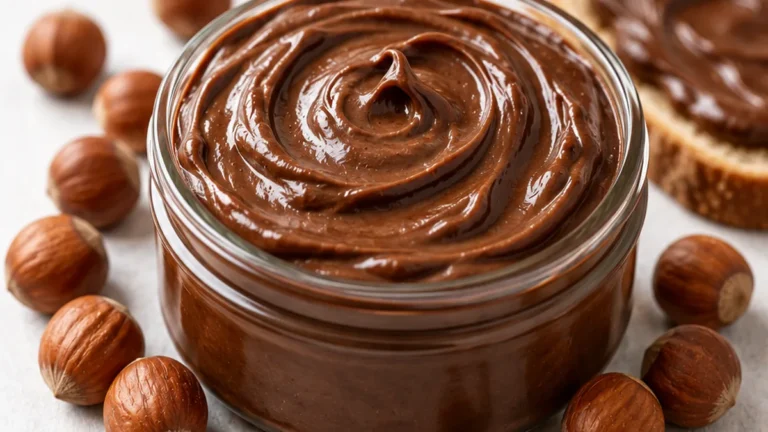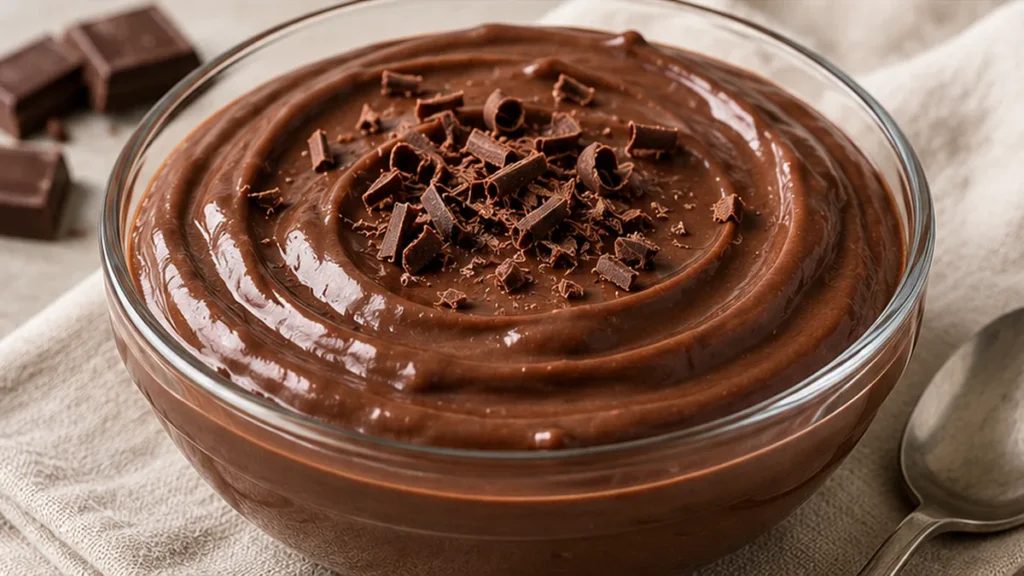
This dairy-free chocolate pudding recipe is the ultimate decadent treat for any chocolate lover. Forget store-bought versions; this homemade delight is incredibly smooth, intensely chocolatey, and surprisingly simple to whip up with common pantry staples. Perfect for those avoiding dairy or seeking a healthier indulgence, this chocolate pudding recipe delivers a rich flavor and creamy texture that rivals traditional puddings. It’s a guaranteed crowd-pleaser for all ages.
Key takeaways
- Properly activating cornstarch through a slurry and gradual heating is crucial for a smooth, thick pudding.
- Strain the pudding if lumps form; add more cornstarch slurry if it's too thin.
- Almond milk may result in a thinner pudding, while oat milk is a good creamy alternative.
- Vanilla extract and good quality cocoa powder enhance the final flavor.
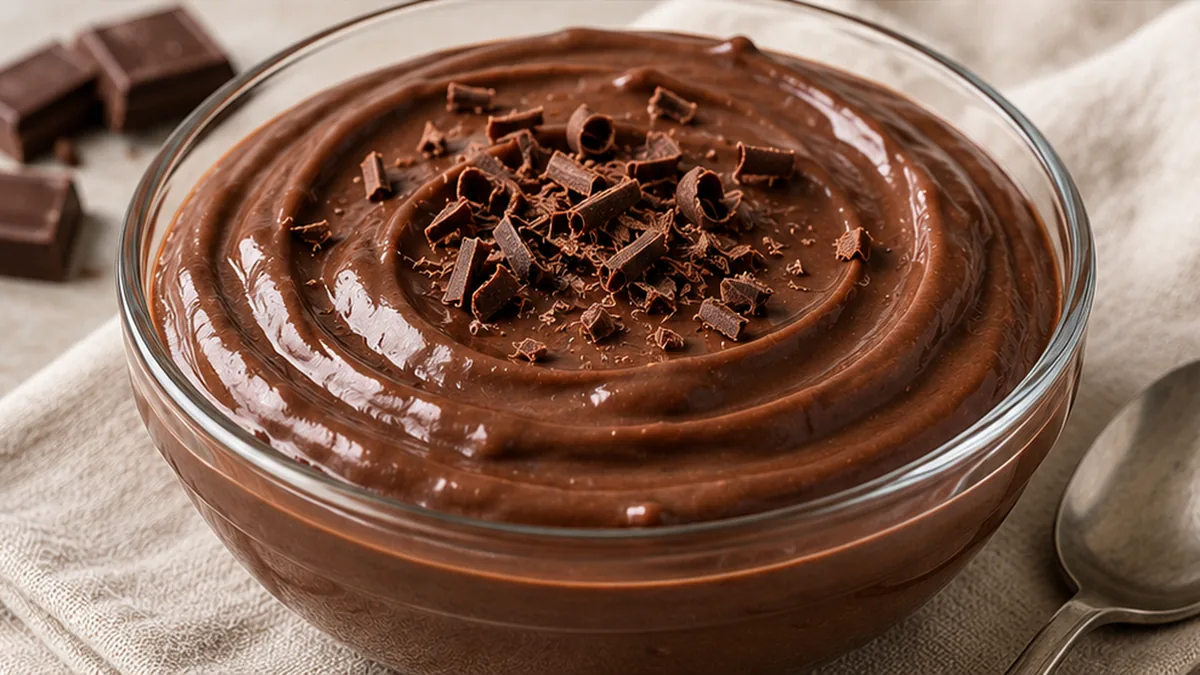
Decadent Dairy-Free Chocolate Pudding!
Ingredients
Method
- In a small bowl, stir together ½ cup soy milk with the cornstarch until completely dissolved.
- In a medium saucepan, whisk together the remaining soy milk, sugar, sifted cocoa powder, salt, and the cornstarch mixture over low-medium heat until it simmers gently.
- Stir in the chocolate chips and whisk constantly until the chocolate melts and the pudding thickens (about 1-2 minutes).
- Remove from heat and stir in the vanilla extract.
- Pour into a glass bowl or individual containers. Cover with plastic wrap, pressing it directly onto the surface to prevent a skin. Refrigerate for 3 hours.
- Serve chilled and enjoy this rich, dairy-free treat!
Notes
– Ensure your cocoa powder is sifted to prevent lumps.
– Pressing the plastic wrap directly onto the pudding surface is key to a smooth, skin-free top.
– For an extra rich flavor, use a dark chocolate with a higher cocoa percentage. Allergens: Soybeans. Nutrition information is an estimate, calculated automatically. Values vary with brands, substitutions and portion sizes.
The technique that makes it
The key to achieving a truly decadent, smooth, and thick dairy-free chocolate pudding lies in the proper activation of the cornstarch. Cornstarch is a starch derived from corn, and when heated in the presence of liquid, its granules swell and absorb moisture, thickening the mixture. This process, known as gelatinization, is crucial for pudding texture. It’s essential to create a slurry by whisking the cornstarch with a portion of the cold soy milk before adding it to the hot mixture. This prevents lumps from forming, ensuring a silky-smooth consistency. Gradually heating the pudding while stirring constantly is also vital. Starting with medium heat and then reducing to low as it thickens allows the cornstarch to fully hydrate and thicken without scorching the bottom of the saucepan. The final addition of dairy-free chocolate chips off the heat allows them to melt into the pudding, enriching its flavor and contributing to a glossier finish. Stirring in the vanilla extract at the very end preserves its delicate aroma and taste.
Troubleshooting
- Pudding is too thin: This often happens if the cornstarch wasn’t fully activated or if too much liquid was used. To fix, whisk together 1 tablespoon of cornstarch with 2 tablespoons of cold soy milk to form a slurry, then gradually stir it into the simmering pudding and cook for another 1-2 minutes until thickened.
- Pudding has lumps: This is usually due to adding the cornstarch directly to hot liquid without making a slurry first. To remedy, carefully strain the pudding through a fine-mesh sieve into a clean bowl. Whisk gently to smooth it out.
- Pudding is grainy: This can occur if the pudding was cooked too quickly or not stirred enough, causing the starch granules to not fully hydrate or the cocoa powder to not fully dissolve. Ensure thorough stirring and gradual heating. If the issue persists after cooking, straining can help.
- Pudding tastes bland: While the recipe has sugar and cocoa, sometimes the dairy-free milk can mute flavors. Ensure you’ve used good quality cocoa powder and consider adding a tiny pinch more salt or a touch more vanilla extract after cooling.
Substitutions
- Milk: Almond milk or oat milk can be used instead of soy milk. Be aware that almond milk may result in a slightly thinner pudding due to its lower protein content. Oat milk generally yields a creamier result, closer to soy milk.
- Thickener: Arrowroot starch or potato starch can be used as a substitute for cornstarch. Use the same amount (3 tablespoons). Arrowroot starch may produce a slightly glossier finish, while potato starch can sometimes result in a slightly firmer set.
- Sweetener: Granulated sugar can be replaced with coconut sugar for a slightly different flavor profile and a darker color. Adjust the amount to your sweetness preference, as coconut sugar can be less sweet than granulated sugar.
- Chocolate Chips: Any dairy-free chocolate chips will work. Dark chocolate chips will result in a more intense chocolate flavor, while milk-style dairy-free chocolate chips will yield a sweeter, milder pudding.
Pro tips
- Use high-quality dairy-free chocolate chips for the best flavor.
- Ensure your cocoa powder is sifted to prevent lumps.
- Pressing the plastic wrap directly onto the pudding surface is key to a smooth, skin-free top.
- For an extra rich flavor, use a dark chocolate with a higher cocoa percentage.
Enjoy this luscious dairy-free chocolate pudding chilled, perhaps with a sprinkle of dairy-free whipped cream or fresh berries. It’s a simple yet elegant dessert.
Try this next: Pecan Pie Bliss: No Crust Needed!
More from Gluten-Free Desserts & Sweets →
Frequently asked questions
How to make dairy-free chocolate pudding thicker?
To thicken your dairy-free chocolate pudding, you can add a bit more cornstarch or arrowroot powder. Whisk it with a small amount of cold liquid before adding it to the simmering pudding. Cook for another minute or two until it reaches your desired consistency. Avoid adding too much at once.
Can I make this chocolate pudding ahead of time?
Yes, this decadent dairy-free chocolate pudding can be made up to 3 days in advance. Store it in an airtight container in the refrigerator. A layer of plastic wrap pressed directly onto the surface will help prevent a skin from forming. It will thicken further as it chills.
What can I use instead of full-fat coconut milk?
You can substitute full-fat coconut milk with other rich, unsweetened plant-based milks like cashew milk or oat milk. For a creamier texture, ensure the milk you choose has a high fat content. Lighter milks may result in a thinner pudding, so you might need to adjust the thickener.
How do I know when the pudding is done?
The pudding is done when it has thickened enough to coat the back of a spoon. When you run your finger through the coating, a clear path should remain. It should also be smooth and free of lumps. Avoid boiling, as this can affect the texture.