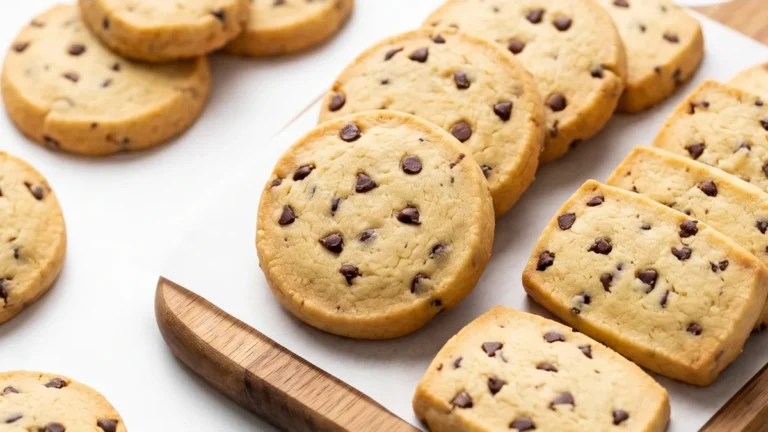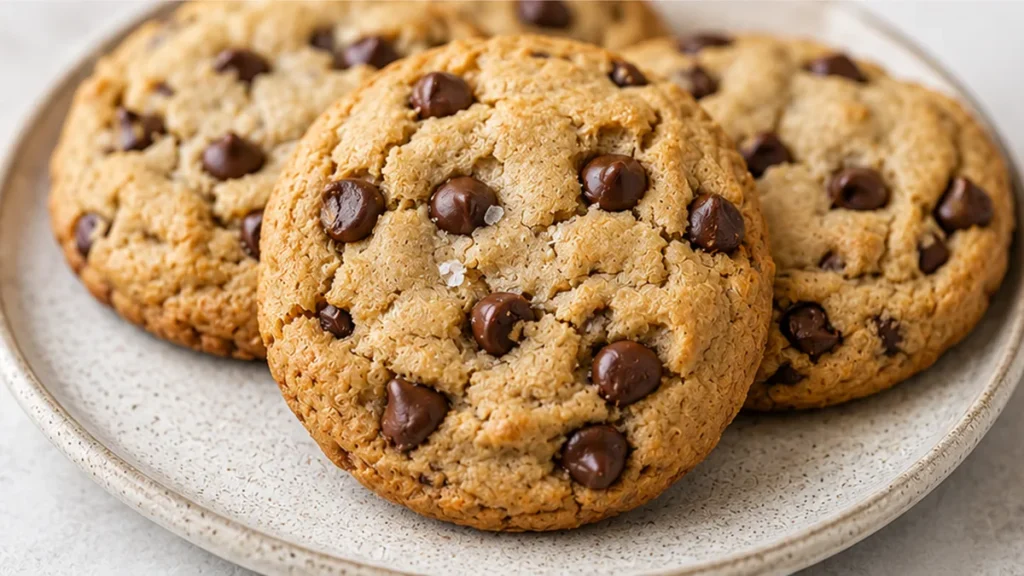
This recipe for chickpea cookies offers a healthier alternative to traditional baked goods. These gluten-free chickpea cookies are chewy and satisfying. They are simple to prepare.
Key takeaways
- Creaming butter and sugars is essential for texture and spread.
- Chickpea flour requires careful mixing to avoid a gummy texture.
- Chilling the dough before baking prevents excessive spreading and enhances flavor.
- Baking until edges are golden brown is key to avoiding a strong chickpea taste.
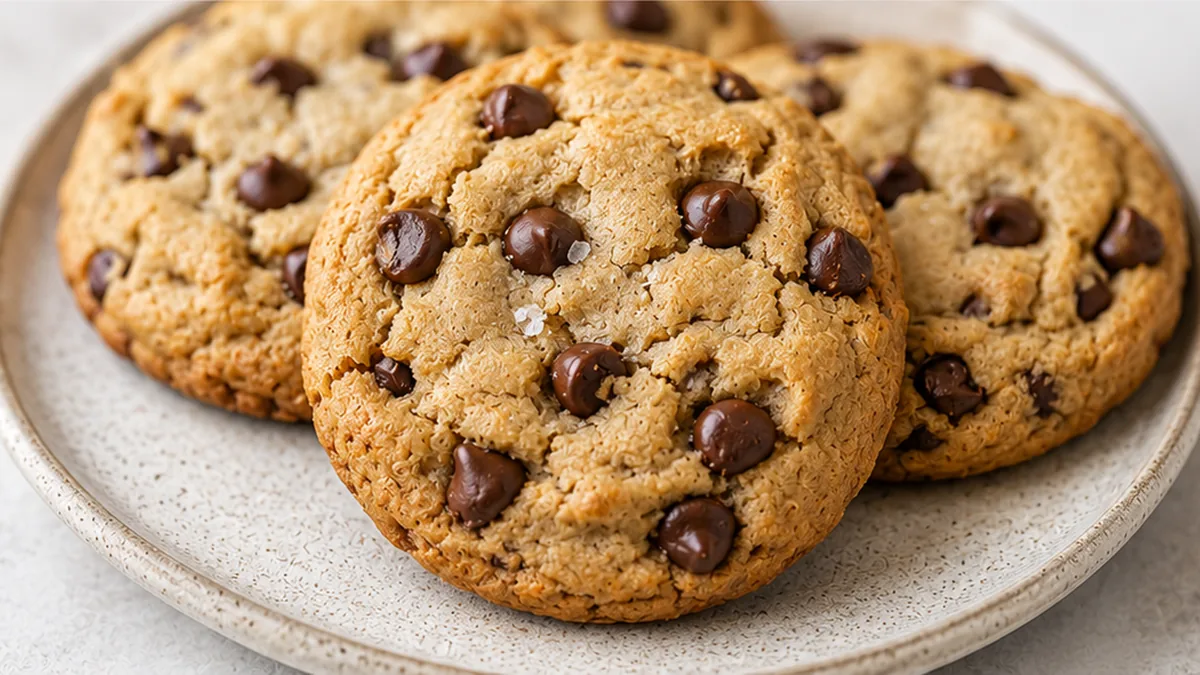
Healthy Chickpea Chocolate Chip Cookies
Ingredients
Method
- Preheat oven to 350°F (177°C) and line a baking tray with parchment paper.
- In a medium bowl, whisk together chickpea flour, baking soda, and salt.
- In a large bowl, cream butter and sugars together, then beat in the egg and vanilla until combined and lightened in color.
- Pour dry ingredients into the wet and mix until everything is combined.
- Stir in chocolate chips.
- Scoop cookie dough into medium-sized balls and place on prepared baking tray, leaving space between cookies. Optionally, press extra chocolate chips into tops.
- Bake for 9-11 minutes, until edges are just beginning to turn golden brown.
- While warm, use a round glass to scoop cookies back into a round shape. Optionally garnish with flaky salt.
Notes
– Don’t overmix the dough after adding the dry ingredients.
– For extra gooey cookies, slightly underbake them and use the shaping trick. Allergens: Eggs, Soybeans. Nutrition information is an estimate, calculated automatically. Values vary with brands, substitutions and portion sizes.
The technique that makes it
The success of these chickpea cookies hinges on a few key techniques that leverage the unique properties of chickpea flour and the creaming method. Firstly, properly creaming the butter and sugars is crucial. This process incorporates air into the mixture, which contributes to the cookies’ texture and helps them spread evenly. Ensure the butter is softened but not melted; it should yield to gentle pressure. Beat it with both brown and white sugar until the mixture is light and fluffy, which can take several minutes. This aeration is vital for a tender cookie.
Secondly, the role of chickpea flour is significant. Unlike wheat flour, chickpea flour is gluten-free and has a distinct, slightly earthy flavor and a denser texture. It absorbs moisture differently. When combining the wet and dry ingredients, avoid overmixing once the chickpea flour is added. Overmixing can lead to a tough or gummy texture, as the starches in the flour can become overworked. Mix just until the flour is incorporated. The leavening from the baking soda will react with the sugars and moisture to provide lift, but the structure relies more on the flour’s composition and the creaming method.
Finally, chilling the dough before baking is a highly recommended, though sometimes overlooked, step. Chickpea flour doughs can be softer due to their moisture content. Chilling allows the fats to firm up and the flour to hydrate fully. This prevents excessive spreading during baking, resulting in thicker, chewier cookies with a better shape. It also allows the flavors to meld, enhancing the overall taste profile.
Troubleshooting
- Problem: Cookies spread too much and are flat. Fix: Ensure your butter was properly chilled (softened, not melted) and that the dough was chilled for at least 30 minutes before baking. Over-creaming the butter can also contribute to excessive spread.
- Problem: Cookies are dry and crumbly. Fix: This could be due to overbaking or an imbalance in wet/dry ingredients. Ensure you measure your chickpea flour accurately (spoon and level, don’t scoop). You might need to slightly increase the butter or add an extra teaspoon of vanilla if you find your dough consistently dry.
- Problem: Cookies have a strong, unpleasant chickpea flavor. Fix: This is often due to underbaking or the quality of the chickpea flour. Ensure cookies are baked until the edges are golden brown. Roasting the chickpea flour lightly before using can also mellow its flavor, though this changes the flour’s properties.
- Problem: Cookies are too dense or gummy. Fix: Avoid overmixing the dough once the chickpea flour is added. Also, ensure your baking soda is fresh; expired baking soda won’t provide adequate lift.
Substitutions
- Chickpea Flour: While this recipe is designed for chickpea flour, you could experiment with a gluten-free all-purpose blend that contains xanthan gum. The texture and flavor will differ, likely resulting in a less distinctly ‘chickpea’ cookie.
- Butter: For a dairy-free option, use a solid vegan butter substitute. The cookies might spread slightly more, so chilling the dough becomes even more important. Coconut oil (solid, not melted) can also work but will impart a coconut flavor.
- Sugars: You can adjust the ratio of brown to white sugar. Using only brown sugar will result in a chewier, more molasses-forward cookie. Using only white sugar will yield a crisper cookie.
- Egg: A flax egg (1 tablespoon flaxseed meal + 3 tablespoons water, let sit for 5 minutes) can be used as an egg substitute for a vegan version. The texture might be slightly denser.
Pro tips
- Ensure your chickpea flour is fresh for the best texture.
- Don’t overmix the dough after adding the dry ingredients.
- For extra gooey cookies, slightly underbake them and use the shaping trick.
Give these innovative chickpea cookies a try and surprise your palate with their amazing texture and flavor. Experiment with different chip varieties or add-ins for endless delicious possibilities.
Try this next: Soft & Chewy Almond Flour Sugar Cookies
More from Gluten-Free Desserts & Sweets →
Frequently asked questions
Can I use almond flour instead of oat flour in chickpea cookies?
Yes, you can substitute almond flour for oat flour. Almond flour has a higher fat content, so you might need to adjust the liquid slightly. Start with the same amount and add a teaspoon more liquid if the dough seems too dry. The texture may be slightly different, but the cookies should still be delicious.
How long do chickpea chocolate chip cookies last?
These cookies store well at room temperature for up to 3 days in an airtight container. For longer storage, they can be kept in the refrigerator for up to a week. You can also freeze baked cookies for up to 3 months. Thaw at room temperature or reheat briefly in a low oven.
How to tell when chickpea cookies are done?
Chickpea cookies are done when the edges are lightly golden brown and the centers look set but still slightly soft. They will continue to firm up as they cool. Avoid overbaking to maintain a chewy texture. A toothpick inserted into the center should come out with moist crumbs, not wet batter.
Can I make chickpea cookie dough ahead of time?
Yes, you can prepare the chickpea cookie dough up to 2 days in advance. Store it covered in the refrigerator. Chilling the dough allows the flavors to meld and can improve the texture. Scoop the chilled dough onto baking sheets and bake as directed, adding a minute or two to the baking time if needed.