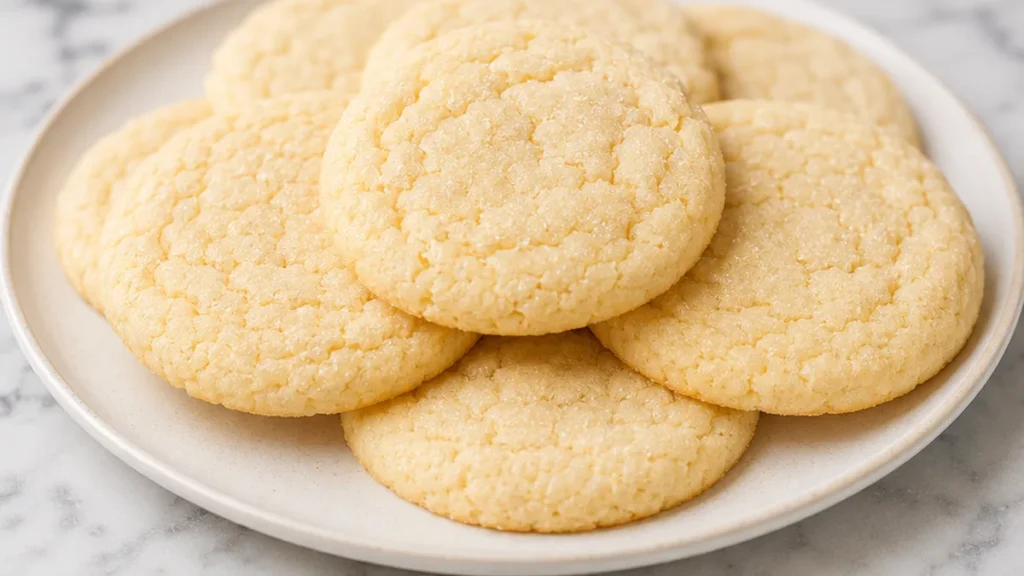
Discover the ultimate recipe for almond flour cookies, a delightful gluten-free twist on classic sugar cookies. These cookies are incredibly soft, chewy, and bursting with flavor, making them perfect for any occasion. Our easy-to-follow guide ensures you can create these delicious treats with simple ingredients. Ideal for those with gluten sensitivities or anyone looking for a healthier cookie option, these almond flour cookies offer a melt-in-your-mouth texture that rivals traditional versions. Get ready to impress your friends and family with these fantastic almond flour cookies.
Key takeaways
- Cream softened butter with sugar to incorporate air for a tender texture.
- Use blanched, finely ground almond flour for the best results.
- Avoid overmixing after adding wet ingredients to prevent toughness.
- Bake until edges are golden and centers are slightly underdone for chewiness.
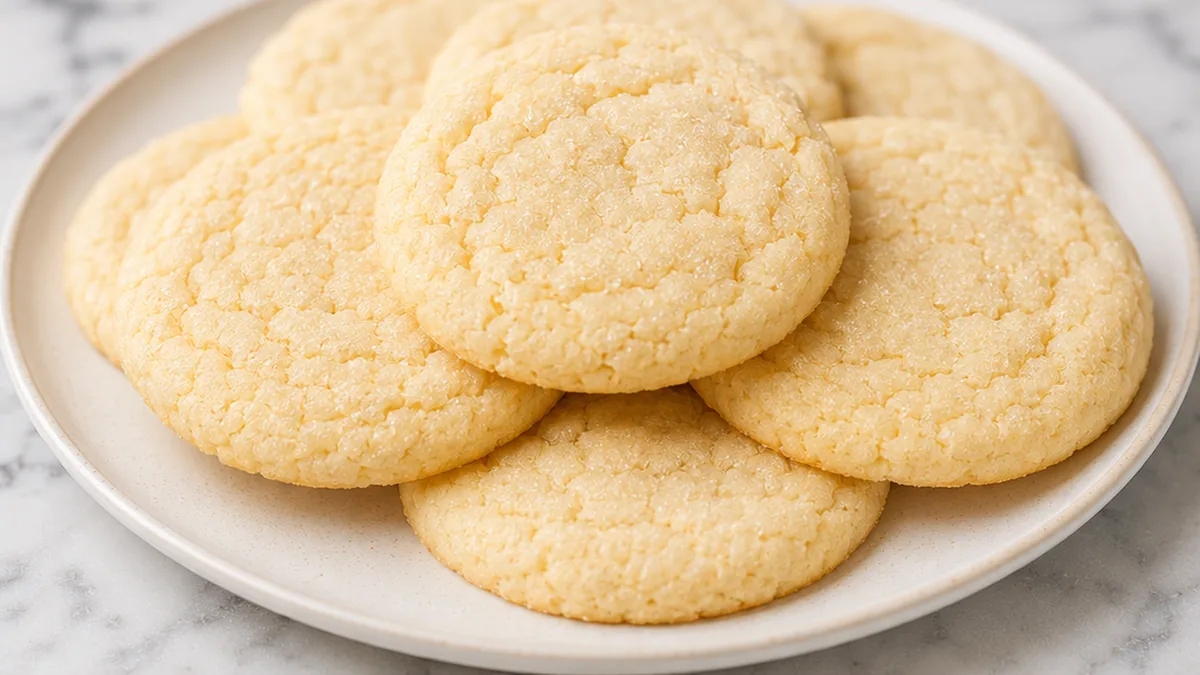
Soft & Chewy Almond Flour Sugar Cookies
Ingredients
Method
- In a medium bowl, whisk together almond flour, baking powder, and salt. Set aside.
- In a large bowl, beat softened butter and granulated sugar until light and fluffy.
- Add the large egg and pure vanilla extract, and mix until smooth.
- Gradually add the dry ingredients to the wet ingredients, mixing until a soft dough forms. If too soft, add 1-2 tbsp additional almond flour.
- Wrap dough in plastic wrap and chill for at least 30 minutes.
- Preheat oven to 350°F (175°C). Line a baking sheet with parchment paper.
- Roll dough between two sheets of parchment to 1/4-inch thickness. Cut into desired shapes.
- Transfer cookies to the prepared baking sheet, about 1 inch apart.
Notes
– Don’t skip the chilling step; it’s crucial for easy handling and clean cuts.
– For extra flavor, add a pinch of cinnamon or almond extract to the dough. Allergens: Tree nuts, Eggs, Milk, Wheat. Nutrition information is an estimate, calculated automatically. Values vary with brands, substitutions and portion sizes.
The technique that makes it
The key to achieving a soft and chewy texture in these almond flour cookies lies in the balance of ingredients and a specific mixing technique. Almond flour, unlike wheat flour, lacks gluten, which is responsible for the chewy structure in traditional cookies. Therefore, we rely on other components to provide tenderness and binding. The use of softened butter, rather than melted, is crucial. Creaming the softened butter with granulated sugar incorporates air, creating a lighter texture and contributing to the cookie’s spread. Overmixing after adding the egg and vanilla extract can toughen the dough, so it’s important to mix just until combined. The baking powder provides a slight lift, preventing the cookies from becoming too dense, while the salt enhances the overall flavor profile. Chilling the dough before baking is also a beneficial step, although not strictly required by this recipe’s ingredient ratios. Chilling allows the almond flour to fully hydrate, which can improve texture and prevent excessive spreading, leading to a chewier result.
Troubleshooting
- Cookies are too crumbly: This often happens if the almond flour is not sufficiently hydrated or if there isn’t enough fat. Ensure your butter is properly softened and creamed well. If the dough still seems dry, a tiny splash (1-2 tsp) of milk or water can sometimes help, but add very cautiously to avoid making it sticky.
- Cookies spread too much and are thin: This can be caused by over-creaming the butter and sugar, using melted butter instead of softened, or if the dough is too warm. Ensure the butter is softened but not melted, and avoid over-beating. Chilling the dough for at least 30 minutes before baking can significantly reduce spread.
- Cookies are too hard or dry: This might be due to overbaking or using too much almond flour relative to the wet ingredients. Bake only until the edges are lightly golden and the centers still look slightly underdone. Almond flour can absorb moisture differently than wheat flour, so keep a close eye on baking time.
- Texture is gritty: Ensure you are using blanched almond flour, which has the skins removed and is ground finer. Superfine blanched almond flour will yield the best results for a smooth texture.
Substitutions
- Almond flour substitution: While this recipe is specifically designed for almond flour, you could experiment with an equal amount of finely ground oat flour for a different flavor and texture. The result will likely be less rich and potentially a bit denser.
- Butter substitution: For a dairy-free option, you can use a solid vegan butter alternative that creams well. The texture might be slightly different, potentially less tender. Coconut oil (solid, not melted) could also be used, but it will impart a subtle coconut flavor.
- Granulated sugar substitution: Coconut sugar can be used as a 1:1 substitute for granulated sugar. This will impart a slight caramel flavor and may result in a slightly darker cookie. The texture might also be a bit chewier.
- Egg substitution: A flax egg (1 tbsp flaxseed meal + 3 tbsp water, let sit for 5 minutes) can be used as an egg replacer. This may result in a slightly chewier, denser cookie and a less rich flavor.
Pro tips
- Ensure your butter is softened, not melted, for the best texture.
- Don’t skip the chilling step; it’s crucial for easy handling and clean cuts.
- For extra flavor, add a pinch of cinnamon or almond extract to the dough.
Enjoy these delightful almond flour cookies as a healthier alternative to traditional sugar cookies. Experiment with different shapes and decorations!
Try this next: Melty Almond Flour Cookies – Pure Bliss!
More from Gluten-Free Desserts & Sweets →
Read also on TastyBend: Cake Pop Nutrition Facts: Complete Expert Guide to Smart Dessert Choices 2026.
Frequently asked questions
Can I make almond flour sugar cookies ahead of time?
Yes, you can make the dough for these almond flour sugar cookies up to 3 days in advance. Store the dough tightly wrapped in plastic wrap in the refrigerator. When ready to bake, let the dough sit at room temperature for about 15-20 minutes to soften slightly before shaping and baking. This makes them perfect for holiday baking prep.
How do you store almond flour sugar cookies?
Store cooled almond flour sugar cookies in an airtight container at room temperature for up to 5 days. For longer storage, you can freeze baked cookies for up to 3 months. If freezing, ensure they are completely cool and layered between parchment paper within a freezer-safe container or bag to prevent sticking and freezer burn.
What makes sugar cookies chewy vs crispy?
For chewy almond flour sugar cookies, use more brown sugar than white sugar and avoid overmixing the dough. Chilling the dough also helps. For crispier cookies, use more white sugar, flatten the dough slightly before baking, and bake for a minute or two longer until the edges are golden brown.
How do I know when almond flour sugar cookies are done?
Almond flour sugar cookies are done when the edges are lightly golden brown and the centers look set, not wet. They will continue to firm up as they cool. Avoid overbaking, as almond flour can brown quickly. The aroma of baked cookies is also a good indicator that they are ready to come out of the oven.