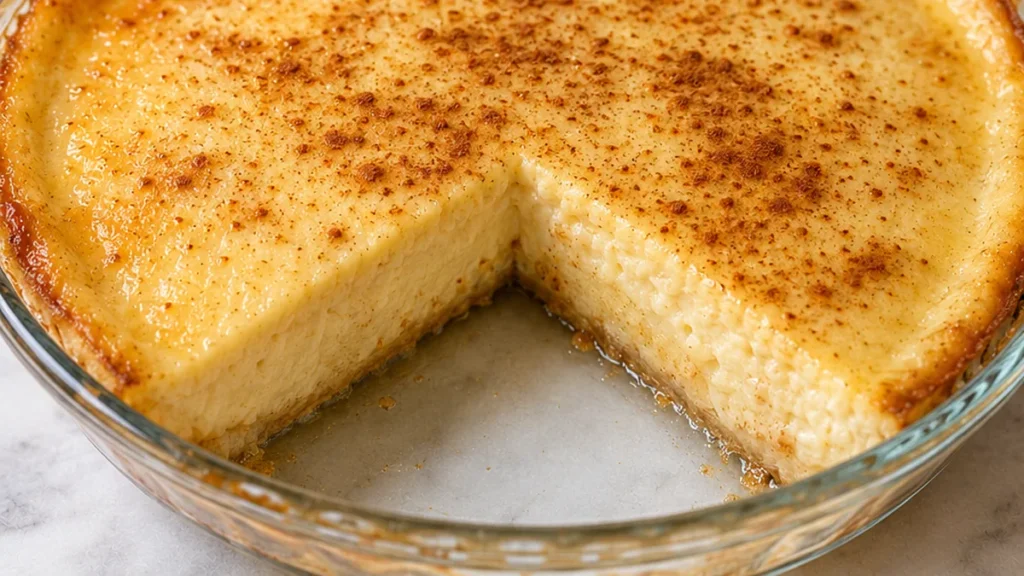
This crustless coconut pie is a truly heavenly dessert, offering a light, airy, and incredibly moist texture that melts in your mouth. It’s a simpler, yet equally delicious, alternative to traditional pies, perfect for those seeking a gluten-free treat without compromising on flavor. Prepare to impress with this surprisingly easy recipe that transforms simple ingredients into a spectacular delight. Ideal for beginners and experienced bakers alike, this coconut pie focuses on the pure, sweet flavor of coconut, enhanced by a delicate custard-like base. Forget the hassle of making a crust; this recipe delivers all the satisfaction with half the effort, making it a go-to for brunches, holidays, or a simple weeknight indulgence.
Key takeaways
- Room temperature ingredients are key for a smooth, emulsified custard.
- Avoid overmixing after adding flour to prevent a tough texture.
- Ensure the pie is baked until the center has a slight wobble for optimal setting.
- Gradual cooling prevents cracking and ensures a perfect finish.
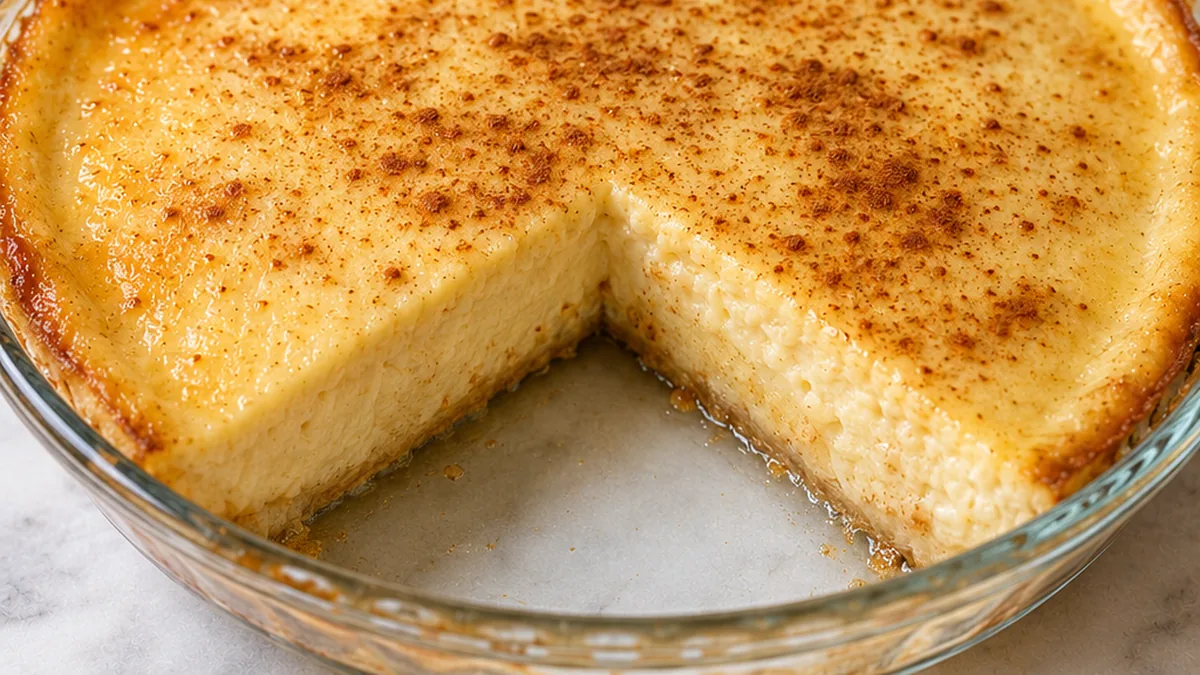
Dreamy Crustless Cream Pie Recipe!
Ingredients
Method
- Preheat oven to 350°F (175°C).
- Spray a 9-inch deep dish pie plate with non-stick cooking spray. Set aside.
- In a large bowl, combine granulated sugar, brown sugar, melted butter, eggs, and egg yolk. Whisk gently to combine, avoiding overmixing.
- Whisk milk, heavy cream, and vanilla extract into the batter until just combined.
- Whisk gluten-free flour and baking powder into the batter until just combined.
- Pour the batter into the prepared pie plate.
- Place the pie plate onto a large baking tray and bake for 55-60 minutes, or until the internal temperature reaches 180°F and the center is slightly jiggly.
Notes
– Ensure all wet ingredients (eggs, milk, cream) are at room temperature for a smooth, cohesive batter.
– Don’t overmix the batter once the flour is added to keep the pie light and tender.
– The pie is ready when the edges are set and the center is slightly jiggly; it will continue to set as it cools. Allergens: Eggs, Milk, Wheat. Nutrition information is an estimate, calculated automatically. Values vary with brands, substitutions and portion sizes.
The technique that makes it
The success of this crustless coconut pie hinges on a few key techniques that ensure a smooth, creamy, and perfectly set custard. Firstly, the use of room temperature ingredients is crucial. When eggs, milk, and heavy cream are at room temperature, they emulsify more easily with the melted butter and sugars. This prevents the mixture from becoming greasy or curdled, leading to a silkier texture. Cold ingredients can shock the eggs, potentially causing them to scramble slightly, resulting in a less desirable texture. Secondly, the gentle incorporation of the dry ingredients (gluten-free flour and baking powder) is vital. Overmixing after adding flour can develop the starches too much, leading to a tougher or gummier pie. Whisking until just combined ensures the flour is evenly distributed without overworking the batter. Finally, the baking process itself is critical. This pie is essentially a baked custard. Baking it at a moderate temperature (implied by typical pie baking, though not explicitly stated in the provided ingredients) allows the custard to set gradually. The eggs and milk proteins coagulate slowly, creating a tender, creamy filling. A water bath, while not explicitly called for, can further enhance the even cooking and prevent cracking or overbrowning, though the gluten-free flour and custard base might make it less prone to issues than a traditional flour-based pie. The goal is to achieve a set center that is firm but still has a slight wobble, indicating it will firm up further as it cools.
Troubleshooting
- Failure: Pie is watery or won’t set. Fix: Ensure all ingredients were measured accurately, especially the flour. Re-check that the eggs and dairy were at room temperature to facilitate proper emulsification and setting. Baking time may need to be extended slightly, checking for a slight wobble in the center.
- Failure: Pie has a rubbery or tough texture. Fix: This often indicates overmixing after the flour was added. Mix the dry ingredients in only until just combined. Also, ensure the oven temperature wasn’t too high, which can cause the eggs to overcook.
- Failure: Pie has a curdled or grainy appearance. Fix: This usually happens when cold ingredients are used, shocking the eggs, or if the mixture was overheated during preparation. Ensure all dairy and eggs are at room temperature and that the butter is melted but not hot.
- Failure: Top of the pie is cracked or uneven. Fix: While less common in crustless pies, rapid temperature changes can cause cracking. Allow the pie to cool gradually in the oven with the door ajar, or on a wire rack away from drafts. Ensure the oven temperature was consistent.
Substitutions
- Milk: You can substitute the 2% milk with whole milk for a richer flavor and slightly creamier texture. Non-dairy milks like almond or soy milk can be used, but may alter the final texture and flavor profile slightly, potentially resulting in a less rich custard.
- Heavy Cream: Half-and-half can be used as a substitute for heavy cream, but the pie will be less rich and creamy. Using a lighter milk will result in a thinner custard.
- Gluten-Free Flour: If gluten is not a concern, a standard all-purpose wheat flour can be used. The texture might be slightly different due to gluten development, but it will still work. Ensure the gluten-free blend used is a 1:1 baking substitute if possible.
- Sugars: While the combination of granulated and brown sugar provides depth, you could use all granulated sugar for a slightly less caramel note, or all brown sugar for a more pronounced molasses flavor. Adjusting the brown sugar amount might be necessary to avoid excessive moisture.
Pro tips
- For an even richer coconut flavor, toast the shredded coconut lightly before adding it to the batter.
- Ensure all wet ingredients (eggs, milk, cream) are at room temperature for a smooth, cohesive batter.
- Don’t overmix the batter once the flour is added to keep the pie light and tender.
- The pie is ready when the edges are set and the center is slightly jiggly; it will continue to set as it cools.
Experience the delightful simplicity of this crustless coconut pie. It’s a comforting and elegant dessert that’s sure to become a favorite. Enjoy this taste of tropical paradise!
Try this next: The Easiest Apple Pie EVER! (Crustless Magic!)
More from Gluten-Free Desserts & Sweets →
Frequently asked questions
How do I make a crustless cream pie ahead of time?
You can prepare the filling up to two days in advance and store it covered in the refrigerator. Assemble the pie just before serving to prevent the filling from becoming watery or the topping from losing its crispness. If you need to make it further ahead, consider making components separately.
What can I use instead of heavy cream in this crustless cream pie?
For a similar richness, you can substitute half-and-half, but the pie may not set as firmly. Coconut cream is a dairy-free alternative that works well. Avoid using milk alone, as it lacks the necessary fat content for proper thickening and texture in this recipe.
How do I know when my crustless cream pie is done baking?
The pie is done when the center is just set and jiggles slightly when gently shaken. It should not be liquid. The top might be lightly golden. Avoid overbaking, as this can cause the filling to curdle or become rubbery. It will continue to set as it cools.
How should I store leftover crustless cream pie?
Refrigerate any leftovers immediately. Store the pie covered tightly with plastic wrap or in an airtight container. It is best consumed within 2-3 days for optimal texture and flavor. The crustless nature means it can become soggy if left out too long.