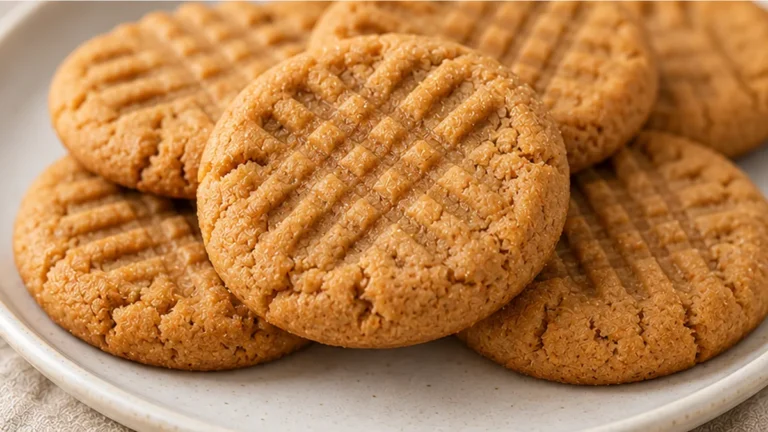
Buckwheat cookies offer a delightful twist on the classic chocolate chip cookie, bringing a unique nutty flavor and a satisfyingly chewy texture. This recipe masterfully combines light buckwheat flour with rich chocolate chips, creating a treat that is both wholesome and decadent. Perfect for those seeking gluten-free options or simply wanting to explore new flavors, these buckwheat cookies are surprisingly easy to prepare and yield impressive results. They are ideal for any occasion, from casual snacking to special gatherings, promising a moment of pure indulgence.
Key takeaways
- Melted butter and brown sugar contribute to chewiness.
- Do not overmix buckwheat flour dough to avoid toughness.
- Chilling the dough can prevent excessive spreading.
- Fresh leavening agents are crucial for proper cookie texture.

Craveable Buckwheat Chocolate Chip Cookies
Ingredients
Method
- In a large bowl, mix ½ cup melted butter, ½ cup granulated sugar, and ⅓ cup packed brown sugar until combined.
- Add 1 large egg and 2 tsp vanilla extract to the butter mixture and mix until well combined.
- Add 1½ cups light buckwheat flour, ½ tsp baking soda, ¼ tsp baking powder, and ½ tsp salt, and mix until just combined.
- Fold in ¾ cup semi-sweet chocolate chips until evenly distributed. Cover bowl with plastic wrap and refrigerate dough for 60 minutes.
- Preheat oven to 350°F. Line baking sheets with parchment paper.
- Scoop dough into 12 portions and roll into balls. Place on prepared baking sheets 2 inches apart.
- Bake for 10–12 minutes, until edges are set, but centers still look slightly underdone. Cool on a baking sheet for 5 minutes, then transfer to a wire rack to cool completely.
Notes
– Do not overmix the buckwheat flour; this can lead to tough cookies.
– Chilling the dough is crucial for preventing excessive spreading and developing flavor.
– Bake until the edges are set but the center is still slightly soft for optimal chewiness. Allergens: Milk, Eggs, Wheat, Soybeans. Nutrition information is an estimate, calculated automatically. Values vary with brands, substitutions and portion sizes.
The technique that makes it
The key to achieving perfectly textured buckwheat cookies lies in managing the unique properties of buckwheat flour. Buckwheat flour, despite its name, is not related to wheat and is naturally gluten-free. This means it doesn’t develop the elastic structure that wheat flour does, which can lead to crumbly or tough cookies if not handled correctly. The melted butter in this recipe is crucial. Melting the butter not only incorporates it easily but also contributes to a chewier texture compared to creaming softened butter. When the melted butter is combined with the sugars and egg, it forms an emulsion that helps bind the ingredients. The brown sugar adds moisture and a slight chewiness due to its molasses content. It’s important not to overmix the dough once the buckwheat flour is added. Overmixing can overwork the starches and proteins present, leading to a tougher cookie. A gentle fold to just incorporate the flour is sufficient. Baking soda and baking powder work in tandem to provide lift. Baking soda, an alkali, reacts with the acidic components (like brown sugar) to create carbon dioxide bubbles, aiding in spread and browning. Baking powder, a double-acting leavener, provides an initial lift when mixed with wet ingredients and a secondary lift during baking. Ensuring these leaveners are fresh is paramount for proper cookie rise and texture.
Troubleshooting
- Cookies are too crumbly and fall apart: This often indicates insufficient moisture or binding. Ensure your egg is large and properly incorporated. You might also try slightly increasing the brown sugar by a tablespoon for added moisture, or chilling the dough for 30 minutes before baking to help it hold together better.
- Cookies spread too much and are flat: This can happen if the dough is too warm or the leavening agents are too active. Try chilling the dough for at least 30 minutes before baking. Ensure your baking soda and baking powder are fresh; expired leaveners can lose potency and affect spread. Also, confirm you are measuring your flour accurately, as too much flour can inhibit spread.
- Cookies are tough or dense: Overmixing the dough after adding the flour is a common culprit. Buckwheat flour lacks gluten, so it doesn’t need extensive mixing to develop structure. Mix only until the dry ingredients are just combined. Also, ensure your leavening agents are fresh; old ones can lead to a denser result.
- Cookies are dry and hard: This could be due to overbaking or not enough moisture in the dough. Reduce the baking time by a minute or two, and check for doneness when the edges are set but the centers still look slightly soft. Make sure you are using packed brown sugar, as loosely packed sugar contains less moisture.
Substitutions
- For light buckwheat flour: You can substitute with an equal amount of a gluten-free all-purpose flour blend that contains xanthan gum. The texture might be slightly different, potentially less earthy.
- For granulated sugar: Coconut sugar can be used as a 1:1 substitute. This will add a slightly caramel flavor and a darker color to the cookies.
- For large egg: A flax egg (1 tablespoon ground flaxseed mixed with 3 tablespoons water, let sit for 5 minutes) can be used for a vegan or egg-free option. The cookie might be slightly denser.
- For semi-sweet chocolate chips: Dark chocolate chips or chopped dark chocolate can be used for a more intense chocolate flavor. For a dairy-free option, ensure your chocolate chips are specifically labeled as such.
Pro tips
- Ensure your butter is fully melted for the best dough consistency.
- Do not overmix the buckwheat flour; this can lead to tough cookies.
- Chilling the dough is crucial for preventing excessive spreading and developing flavor.
- Bake until the edges are set but the center is still slightly soft for optimal chewiness.
Enjoy these uniquely flavored buckwheat chocolate chip cookies, a perfect balance of nutty and sweet. Experiment with different types of chocolate or add-ins for endless variations.
Try this next: Soft & Chewy Almond Flour Sugar Cookies
More from Gluten-Free Desserts & Sweets →
Frequently asked questions
Can I substitute almond flour for buckwheat flour in chocolate chip cookies?
While almond flour can be used, it will alter the texture and flavor. Buckwheat flour provides a distinct earthy taste and chewier texture. If substituting, start with a 1:1 ratio, but be prepared for a potentially softer cookie. You might need to adjust baking time slightly.
How do you know when buckwheat chocolate chip cookies are done baking?
Buckwheat chocolate chip cookies are done when the edges are golden brown and set, while the centers still appear slightly soft. They will continue to firm up as they cool on the baking sheet. Avoid overbaking to maintain a chewy texture.
How should I store homemade buckwheat chocolate chip cookies?
Store cooled buckwheat chocolate chip cookies in an airtight container at room temperature for up to 3-4 days. For longer storage, you can freeze them. Individually wrap cooled cookies in plastic wrap, then place them in a freezer-safe bag or container for up to 3 months.
Can I make the dough for buckwheat chocolate chip cookies ahead of time?
Yes, you can prepare the dough for these buckwheat chocolate chip cookies up to 2 days in advance. Cover the dough tightly and refrigerate. The chilling time allows the flavors to meld. Scoop and bake as directed, adding a minute or two to the baking time if needed.