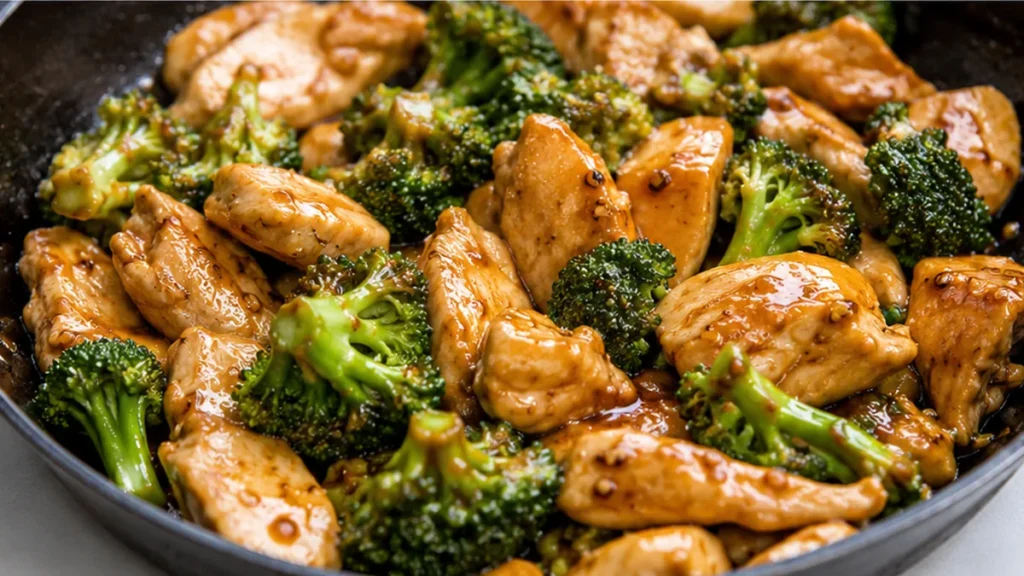
Learning to master a truly great chicken stir fry at home is a game-changer for quick, healthy weeknight meals. This recipe focuses on achieving tender chicken, crisp-tender broccoli, and a perfectly balanced, glossy sauce. My goal with this chicken stir fry is to simplify the process without compromising on flavor, making it accessible even for busy cooks. We’ll utilize efficient steaming and high-heat searing to get dinner on the table faster than takeout, proving that delicious and nutritious can go hand-in-hand.
Key takeaways
- Achieve a perfect stir fry by using high heat for quick cooking and developing flavor through the Maillard reaction.
- Ensure all ingredients are prepped and ready before you begin cooking, as stir-frying is a fast process.
- Use a cornstarch slurry to create a glossy, well-coated sauce that enhances the dish.
- Don’t overcrowd the pan; cook ingredients in batches if necessary to maintain high heat and prevent steaming.
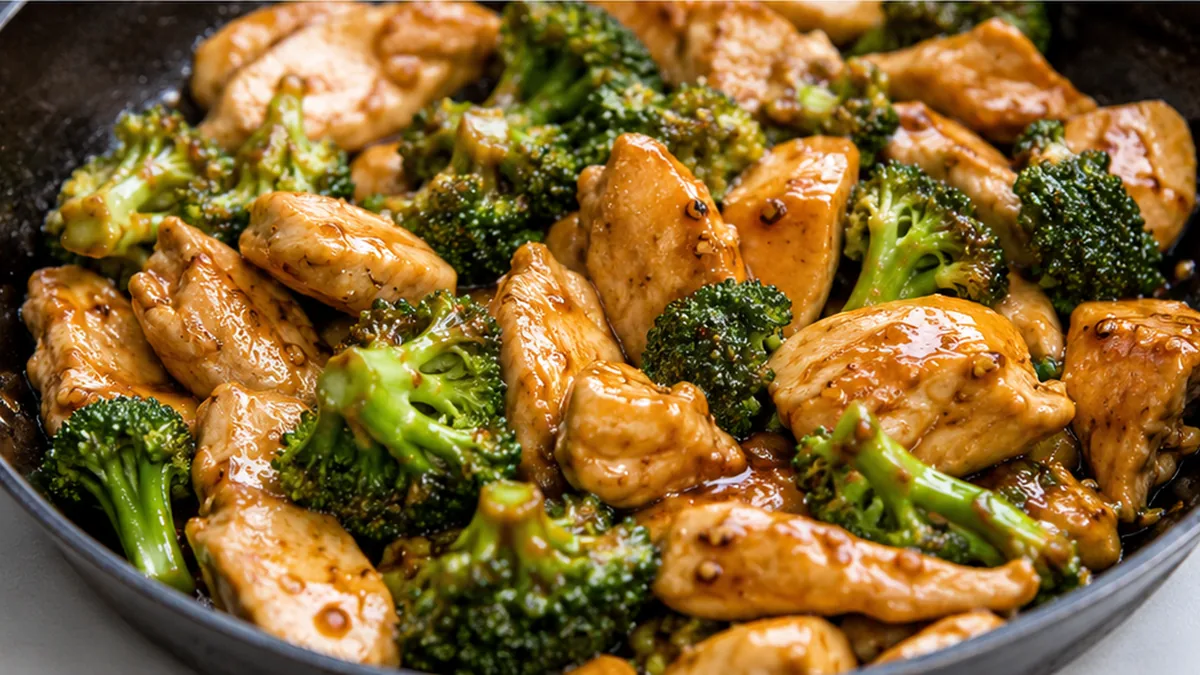
Sizzling Chicken & Broccoli Stir Fry
Ingredients
Method
- In a small bowl, whisk cornstarch with half the chicken broth until smooth. Add the remaining broth, Tamari, honey, rice vinegar, and minced garlic. Stir well and set aside (This sauce can be prepped up to 3 days in advance!).
- Place a steamer basket into a medium pot with a couple inches of water. Add broccoli florets to the basket. Bring water to a boil, then cover, reduce heat to low, and steam until the broccoli is tender-crisp, about 5-7 minutes.
- Heat sesame oil in a large wok or 12-inch skillet over high heat until just hot (be careful not to burn it!). Add chicken pieces in an even layer. Season with salt and pepper. Sear undisturbed for 1-2 minutes until golden brown on the bottom. Stir fry for another 2-3 minutes until the chicken is nearly cooked through.
- Reduce heat slightly. Give the stir fry sauce another quick stir to ensure the cornstarch hasn’t settled. Pour the sauce into the pan with the chicken. Stir with a spatula for 1-2 minutes until the sauce slightly thickens and reduces. Remove the pan from the heat.
- Serve immediately over cooked rice, topping with the saucy chicken and steamed broccoli for a fresh, flavorful meal.
- Enjoy your fresh, flavorful meal!
Notes
– Doneness signal for chicken: Ensure chicken reaches an internal temperature of 165°F (74°C) for food safety. I once undercooked chicken by not spreading it properly, and it steamed instead of seared.
– Make ahead & storage: The stir fry sauce can be made up to 3 days in advance and stored in the refrigerator. Leftovers can be stored in an airtight container for up to 3-4 days and reheated gently in a microwave or skillet. Nutrition information is an estimate, calculated automatically. Values vary with brands, substitutions and portion sizes.
The Science of the Sizzle: Mastering Your Stir Fry
The key to a truly exceptional chicken and broccoli stir fry lies in two main principles: high heat and proper ingredient preparation. Stir-frying is a high-heat, quick-cooking method that relies on the Maillard reaction for flavor development and a slightly crisp texture in the vegetables. The rapid cooking prevents the broccoli from becoming mushy and ensures the chicken is cooked through without drying out. Achieving this requires a very hot wok or large skillet. Preheating the pan is crucial; it should be smoking slightly before adding the oil. The oil itself should have a high smoke point, like the sesame oil used here, to prevent burning and imparting a bitter flavor. Furthermore, ensuring ingredients are prepped and ready to go (mise en place) is non-negotiable. Stir-frying happens fast, and you won’t have time to chop or measure once the cooking begins. The cornstarch slurry, made with chicken broth, tamari, honey, and rice vinegar, is essential for creating a glossy sauce that coats the ingredients beautifully. The cornstarch acts as a thickener, and when heated, it forms a gel that binds the liquid ingredients, creating that signature stir-fry sauce consistency. The honey adds sweetness and contributes to the Maillard reaction, while the rice vinegar provides a balancing acidity.
Troubleshooting Common Stir Fry Issues
- Problem: Soggy Broccoli
Fix: Ensure your wok or skillet is screaming hot before adding the broccoli. Don’t overcrowd the pan; cook in batches if necessary. Stir constantly to promote even cooking and prevent steaming. - Problem: Rubbery Chicken
Fix: Avoid overcooking the chicken. Cut the chicken into uniform, bite-sized pieces for even cooking. Cook the chicken first until just done, remove it from the pan, and add it back at the end to reheat. - Problem: Watery Sauce
Fix: Make sure your cornstarch slurry is fully combined before adding it to the hot pan. Stir the sauce constantly as it heats; the cornstarch needs to reach a certain temperature to activate its thickening properties. Ensure the liquid base (broth/water) isn’t excessive. - Problem: Burnt Garlic
Fix: Add the minced garlic towards the end of the stir-frying process, just before adding the sauce. Garlic cooks very quickly and can turn bitter if exposed to high heat for too long.
Smart Substitutions for Your Stir Fry
- Chicken: Boneless, skinless chicken thighs can be substituted for breasts. They offer a richer flavor and are more forgiving if slightly overcooked, remaining tender.
- Broccoli: Snap peas, bell peppers (any color), or green beans can replace broccoli. Adjust cooking time accordingly; some vegetables may require slightly longer or shorter cooking to achieve desired tenderness.
- Tamari/Soy Sauce: Coconut aminos offer a similar savory, umami flavor profile and are a great gluten-free alternative if tamari is unavailable. The sweetness may vary slightly.
- Honey: Maple syrup or agave nectar can be used as sweeteners. They will provide a similar sweetness but may alter the final flavor profile subtly.
Pro tips
- Use a large wok or skillet: Ensure your pan is large enough to allow the chicken to sear, not steam. Overcrowding cools the pan and prevents browning.
- Doneness signal for chicken: Ensure chicken reaches an internal temperature of 165°F (74°C) for food safety. I once undercooked chicken by not spreading it properly, and it steamed instead of seared.
- Make ahead & storage: The stir fry sauce can be made up to 3 days in advance and stored in the refrigerator. Leftovers can be stored in an airtight container for up to 3-4 days and reheated gently in a microwave or skillet.
This chicken stir fry is a versatile and satisfying dish that brings restaurant-quality flavors right to your kitchen. Experiment with different vegetables or proteins to make it your own. Happy cooking!
Frequently asked questions
How do I prevent my chicken from drying out in the stir fry?
Cut chicken into uniform, bite-sized pieces and cook it first until just done. Remove it from the wok, then add it back at the very end with the sauce to reheat. This prevents overcooking and keeps the chicken moist and tender.
Why is my stir fry sauce watery instead of thick and glossy?
Ensure your cornstarch slurry is thoroughly mixed before adding it. The pan must be hot enough for the cornstarch to activate and thicken the sauce. Stir constantly as the sauce heats up to achieve the desired consistency.
Can I use frozen broccoli for this recipe?
Yes, you can use frozen broccoli, but thaw and pat it thoroughly dry before adding it to the hot wok. This helps prevent excess moisture from steaming the broccoli and making it soggy.
What is the best type of pan for making stir fry?
A carbon steel wok is ideal due to its ability to heat evenly and reach very high temperatures quickly, which is crucial for authentic stir-frying. A large, heavy-bottomed skillet can also work effectively if a wok is unavailable.
Try this next: Sticky Beef & Broccoli Stir-Fry
More from Gluten-Free Dinners & Mains →