This carrot ginger soup recipe is simple to make and deeply comforting. It features a smooth texture and a gentle warmth from the ginger, perfect for a nourishing meal.
Key takeaways
- Simmer carrots until very tender for optimal creaminess.
- Blend thoroughly to emulsify and achieve a smooth texture.
- Adjust liquid content for desired soup thickness.
- Seasoning and fresh ginger amount are key for flavor balance.
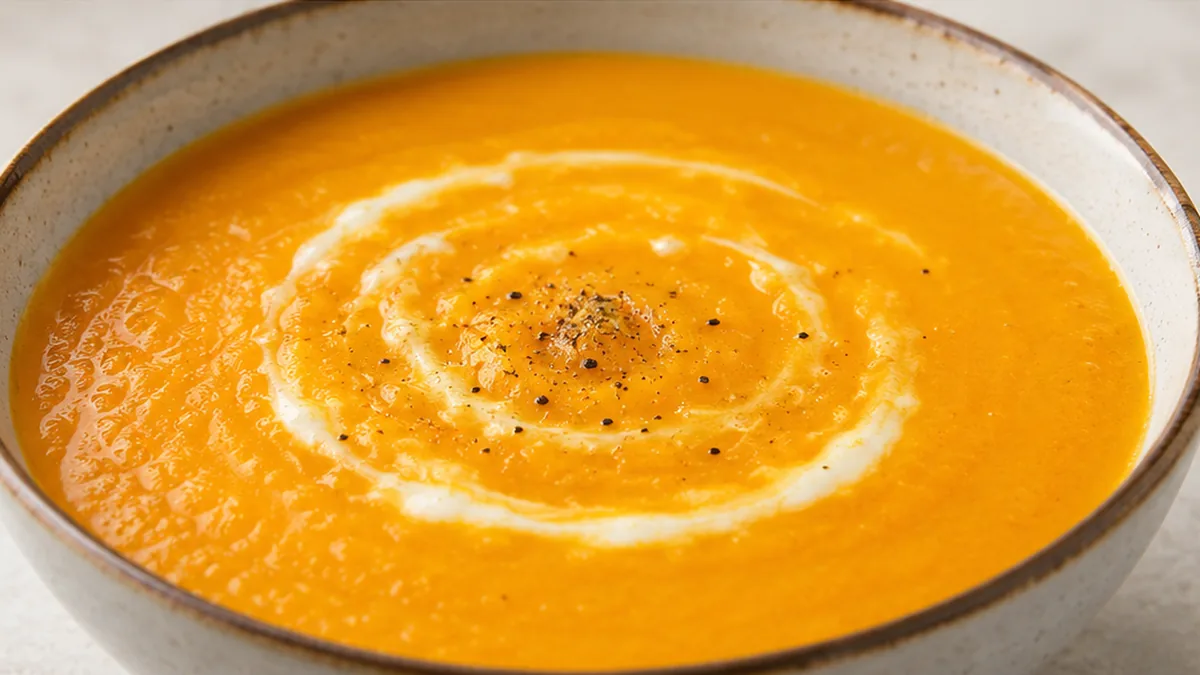
” Creamy Carrot Ginger Soup: Comforting & Easy”
Ingredients
Method
- Preheat the oven to 400F. Toss the chopped carrots with 2 tablespoons olive oil and sprinkle generously with salt and pepper, about 1/2 teaspoon each. Roast the carrots for 25-30 minutes, until fork tender.
- Meanwhile, heat 2 tablespoons olive oil in a large pot over medium-high heat. Add the onion and saute for 4-5 minutes, until softened. Add the garlic and ginger and cook for 30 seconds, until fragrant.
- Add the stock, thyme and roasted carrots and bring to a boil. Reduce to a simmer and continue to cook for about 20 minutes, until the vegetables are fully tender.
- Puree the soup in blender (be careful while blending!) or with an immersion blender until smooth. Season to taste with salt and pepper. Enjoy!
Notes
– If your soup is too thick, thin it with a little extra stock or water until it reaches your desired consistency.
– Storage: Leftover carrot ginger soup can be stored in an airtight container in the refrigerator for up to 3-4 days, or frozen for up to 3 months. Thaw overnight in the fridge and reheat gently on the stove. Nutrition information is an estimate, calculated automatically. Values vary with brands, substitutions and portion sizes.
The Technique That Makes It Creamy
The creaminess in this carrot ginger soup comes from a combination of factors, primarily the natural starches released from the carrots during simmering and the emulsification created when blending. As the carrots cook, their cell walls break down, releasing starches into the liquid. These starches act as natural thickeners. When you blend the soup, you further break down the carrot solids and incorporate air, creating a smoother, more homogenous texture. The olive oil also contributes by helping to carry flavors and adding a slight richness that enhances the perception of creaminess. Ensuring the carrots are fully tender before blending is crucial; undercooked carrots will result in a gritty texture. The gentle simmering allows the flavors to meld without scorching, preserving the bright sweetness of the carrots and the pungent warmth of the ginger.
Troubleshooting
- Problem: Soup is too thin. Fix: Simmer uncovered for 10-15 minutes to allow excess liquid to evaporate. Alternatively, blend a small portion of the soup separately and return it to the pot, or whisk in a teaspoon of cornstarch slurry (cornstarch mixed with cold water) and simmer for a few minutes until thickened.
- Problem: Soup is too thick. Fix: Gradually whisk in more chicken or vegetable stock, a quarter cup at a time, until the desired consistency is reached.
- Problem: Ginger flavor is too strong or not noticeable. Fix: For a stronger ginger flavor, add more grated ginger during the last 10 minutes of simmering. For a milder flavor, reduce the amount of ginger or ensure it’s finely grated to distribute evenly.
- Problem: Soup tastes bland. Fix: Adjust salt and pepper to taste. A squeeze of fresh lemon juice or a pinch of cayenne pepper can also brighten the flavors.
Substitutions
- Carrots: Sweet potatoes or butternut squash can be substituted for carrots. The soup will have a slightly different sweetness profile and a richer orange hue.
- Chicken/Vegetable Stock: Water can be used, but the soup will lack depth of flavor. Using a good quality bouillon cube dissolved in hot water is a reasonable alternative.
- Olive Oil: Butter or coconut oil can be used. Butter will add a richer flavor, while coconut oil will impart a subtle tropical note.
- Thyme: Fresh parsley or a pinch of dried rosemary can be used. Parsley will offer a fresh, herbaceous note, while rosemary will provide a more robust, pine-like aroma.
Pro tips
- For an extra creamy texture without dairy, add a splash of full-fat coconut milk at the end when blending the carrot ginger soup.
- If your soup is too thick, thin it with a little extra stock or water until it reaches your desired consistency.
- Storage: Leftover carrot ginger soup can be stored in an airtight container in the refrigerator for up to 3-4 days, or frozen for up to 3 months. Thaw overnight in the fridge and reheat gently on the stove.
This simple carrot ginger soup recipe is a testament to how a few fresh ingredients can create something truly spectacular. Experiment with a garnish of toasted pumpkin seeds or a swirl of plain yogurt for added texture and flavor. Happy cooking!
Frequently asked questions
Can I make this soup ahead of time?
Yes, this carrot ginger soup can be made ahead. Store it in an airtight container in the refrigerator for up to 3-4 days. Reheat gently on the stovetop or in the microwave, adding a splash of stock or water if it has thickened too much.
What kind of blender is best for this soup?
An immersion blender is convenient for blending directly in the pot, offering a good texture. For an ultra-smooth consistency, a high-speed countertop blender is recommended, but be sure to blend in batches and vent the lid to avoid steam buildup.
How can I make this soup vegan?
To make this soup vegan, simply use vegetable stock instead of chicken stock. Ensure any other ingredients, like any potential garnishes, are also plant-based. The rest of the recipe remains the same.
Can I freeze this carrot ginger soup?
Yes, this soup freezes well. Allow it to cool completely before transferring it to freezer-safe containers or bags. It can be stored in the freezer for up to 2-3 months. Thaw overnight in the refrigerator and reheat as usual.
Try this next: Creamy Butternut Squash & Leek Soup
More from Gluten-Free Snacks & Sides →