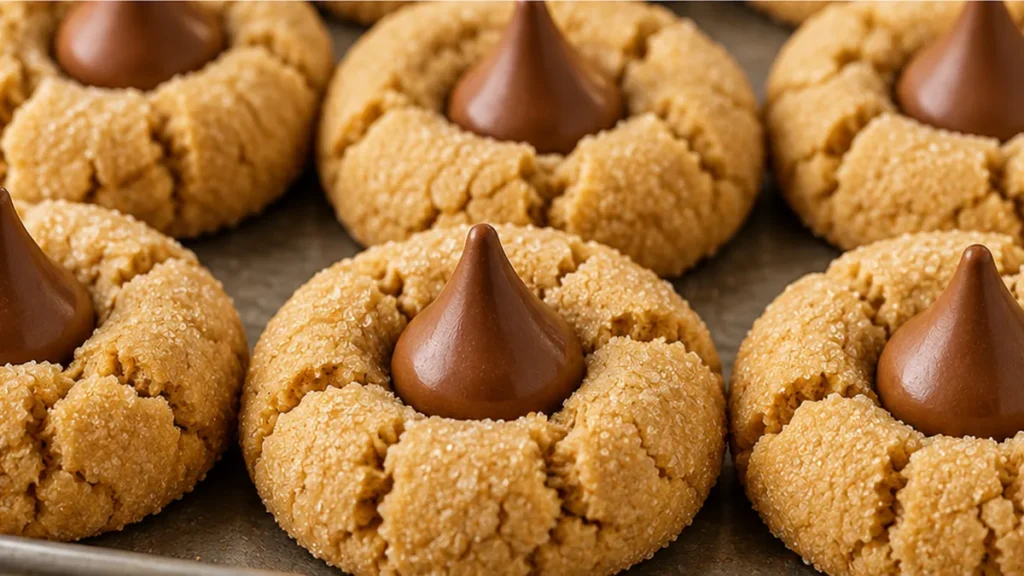
Peanut Butter Blossoms are a classic for a reason, and now you can enjoy them gluten-free! This recipe delivers the same soft, chewy texture and delightful chocolate kiss that everyone loves, all without the gluten. Perfect for holiday gatherings, bake sales, or just a simple treat, these gluten-free peanut butter blossoms are surprisingly easy to make. You’ll be amazed at how perfectly they capture the nostalgic flavor and texture of the original.
Key takeaways
- Cream butter, peanut butter, and sugars properly for aeration.
- Chill the dough to hydrate gluten-free flours and prevent excessive spreading.
- Slightly underbake for a gooey center.
- Use quality peanut butter for best flavor.
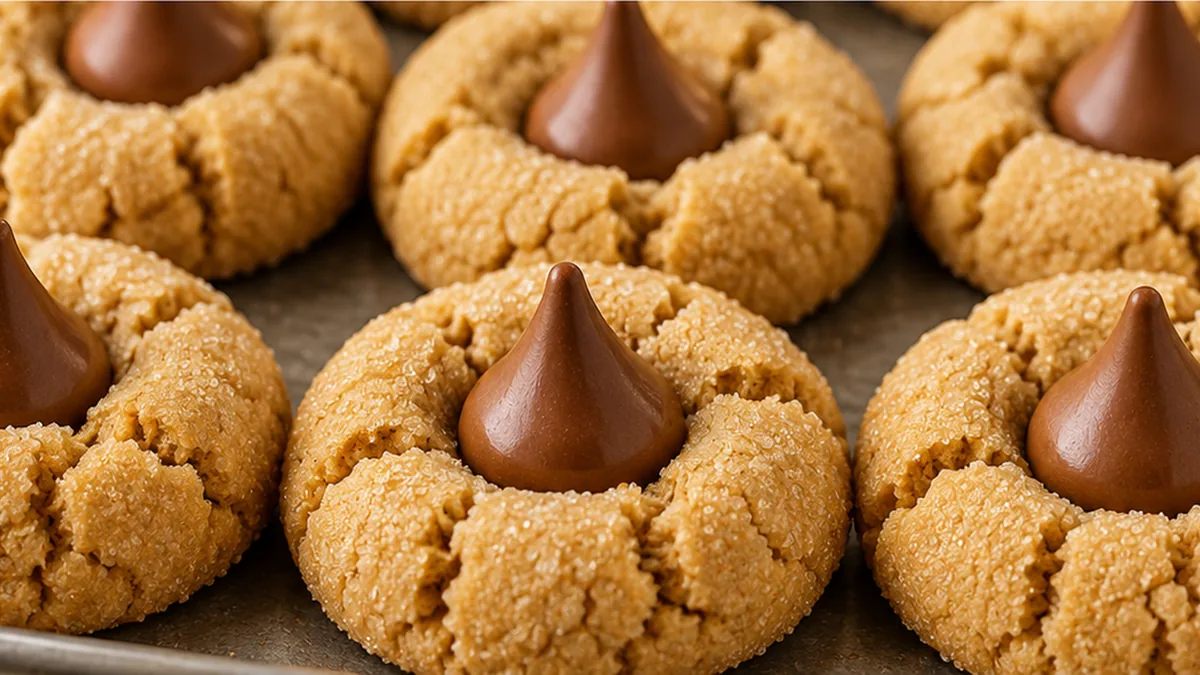
Gooey Gluten-Free Peanut Butter Blossoms!
Ingredients
Method
- Add the granulated sugar, brown sugar, butter, and peanut butter to a large bowl and mix with your mixer until fully combined and creamy.
- Mix in the egg and the molasses until fully combined.
- In a medium bowl, combine the gluten-free flour, xanthan gum, baking soda, and baking powder.
- Slowly pour the flour mixture into the batter and mix until fully combined; the cookie dough will resemble soft playdough.
- Cover the cookie dough and refrigerate for 30 minutes.
- Preheat oven to 375°F (190°C) and add 1/4 cup of granulated sugar to a small bowl for rolling the dough.
- Scoop 1 tablespoon of dough and roll into a ball.
- Roll the cookie dough ball in the granulated sugar and place onto a parchment-lined baking sheet.
Notes
– Don’t skip the chilling step; it helps the cookies maintain their shape.
– Press the chocolate kiss in gently right after the cookies come out of the oven so it doesn’t crack. Allergens: Peanuts, Wheat. Nutrition information is an estimate, calculated automatically. Values vary with brands, substitutions and portion sizes.
The technique that makes it
The key to achieving perfectly gooey peanut butter blossoms lies in a few critical steps. First, the creaming of the butter, peanut butter, and sugars is paramount. This process incorporates air into the dough, which contributes to the cookie’s texture and lift. Ensure the butter is softened, not melted, to facilitate proper aeration. Secondly, do not overmix the dough once the dry ingredients are added. Overmixing develops the gluten (even in gluten-free flour blends, though to a lesser extent), which can lead to tougher cookies. Mix just until the flour is incorporated. Thirdly, the chilling of the dough is essential. This allows the gluten-free flours to fully hydrate, preventing a gritty texture and also helps the cookies maintain their shape during baking, preventing excessive spread. Finally, the baking time is crucial for that desired gooey center. Underbaking slightly is preferable to overbaking. The cookies should appear set around the edges but still soft in the center. They will continue to set as they cool on the baking sheet.
Troubleshooting
- Problem: Cookies spread too much and are flat. Fix: Ensure your butter is properly softened (not melted) and that the dough has been adequately chilled. Over-creaming the butter and sugar can also contribute to spreading.
- Problem: Cookies are dry and crumbly. Fix: This often indicates overbaking. Reduce the baking time by a minute or two. Also, ensure accurate measuring of the gluten-free flour; scooping directly from the bag can compact the flour, leading to a dry dough.
- Problem: Cookies have a gritty texture. Fix: Gluten-free flours require adequate hydration. Ensure the dough is chilled for at least 30 minutes to allow the flours to absorb moisture. Using a good quality gluten-free all-purpose flour blend that contains a mix of starches and rice flours is also beneficial.
- Problem: Peanut butter flavor is not strong enough. Fix: Use a good quality, flavorful peanut butter. Natural peanut butters often have a more intense peanut flavor. Ensure the peanut butter is at room temperature before mixing.
Substitutions
- Peanut Butter: Almond butter or cashew butter can be substituted for peanut butter. The resulting cookies will have a slightly different flavor profile but should maintain a similar texture.
- Granulated Sugar: Coconut sugar can be used as a 1:1 substitute for granulated sugar. This will impart a slight caramel note and a darker color to the cookies.
- Brown Sugar: Coconut sugar can also be used here, but the packed nature of brown sugar contributes to moisture and chewiness. If using granulated coconut sugar, you might slightly increase the molasses for moisture.
- Gluten-Free All-Purpose Flour: A commercially prepared gluten-free blend that contains xanthan gum is often sufficient. If your blend does not contain xanthan gum, you will need to add it separately, as specified in the recipe.
Pro tips
- Use room temperature ingredients for the best cookie texture.
- Don’t skip the chilling step; it helps the cookies maintain their shape.
- Press the chocolate kiss in gently right after the cookies come out of the oven so it doesn’t crack.
Enjoy these delightful gluten-free Peanut Butter Blossoms! They’re a guaranteed crowd-pleaser for any occasion.
Try this next: 3-Ingredient Peanut Butter Cookies
More from Gluten-Free Desserts & Sweets →
Frequently asked questions
Can I make peanut butter blossoms gluten-free ahead of time?
Yes, you can prepare the dough a day in advance. Store it tightly wrapped in the refrigerator. For baked cookies, let them cool completely, then store in an airtight container at room temperature for up to 3 days. They might lose a bit of their gooeyness over time, but are still delicious.
What kind of peanut butter is best for gluten-free blossoms?
Creamy, commercial peanut butter (like Jif or Skippy) works best for a consistent texture and sweetness. Natural peanut butters, which tend to be runnier and separate, can alter the dough’s consistency. Ensure your peanut butter is gluten-free certified if needed for strict dietary requirements.
How do I know when gluten-free peanut butter blossoms are done?
Bake until the edges are lightly golden brown and the centers still look slightly soft and underdone. They will continue to set as they cool. Overbaking will result in a dry, crumbly cookie rather than a gooey one. The chocolate kiss should also be softened.
Can I substitute almond butter for peanut butter in blossoms?
While you can substitute almond butter, the texture and flavor will change. Almond butter is often less oily, which might make the cookies slightly drier. Ensure your almond butter is also gluten-free. You may need to slightly adjust the baking time as well.