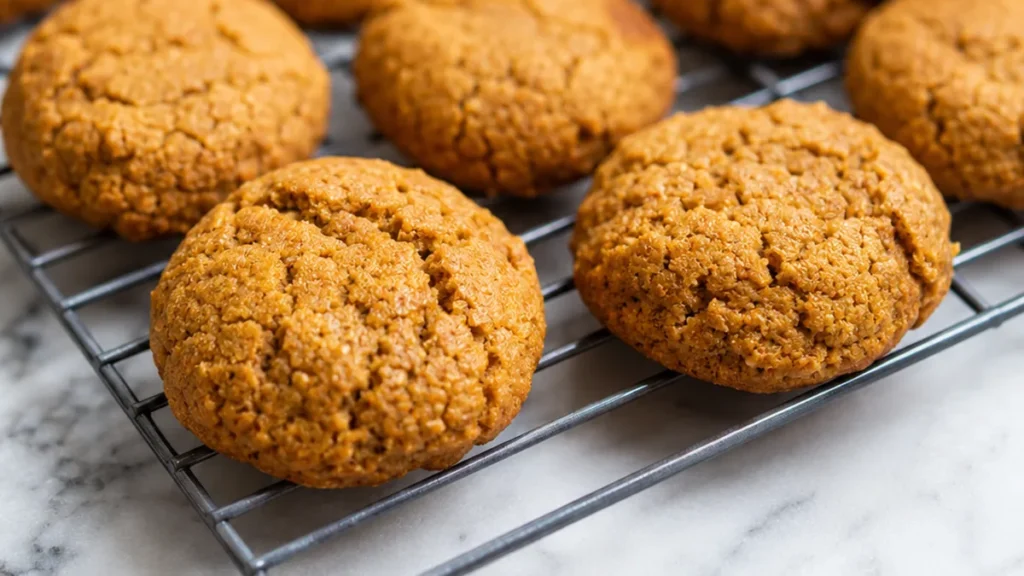
These paleo cookies feature pumpkin and chocolate chips for a wholesome, grain-free treat. Made with natural sweeteners and healthy fats, they offer a soft texture.
Key takeaways
- Balance moisture from pumpkin puree with absorbent flours like almond and coconut.
- Cream fats and sugar well to incorporate air for tenderness.
- Chill the dough before baking to prevent excessive spreading and improve texture.
- Bake until edges are set and lightly golden, allowing cookies to finish setting on the baking sheet.
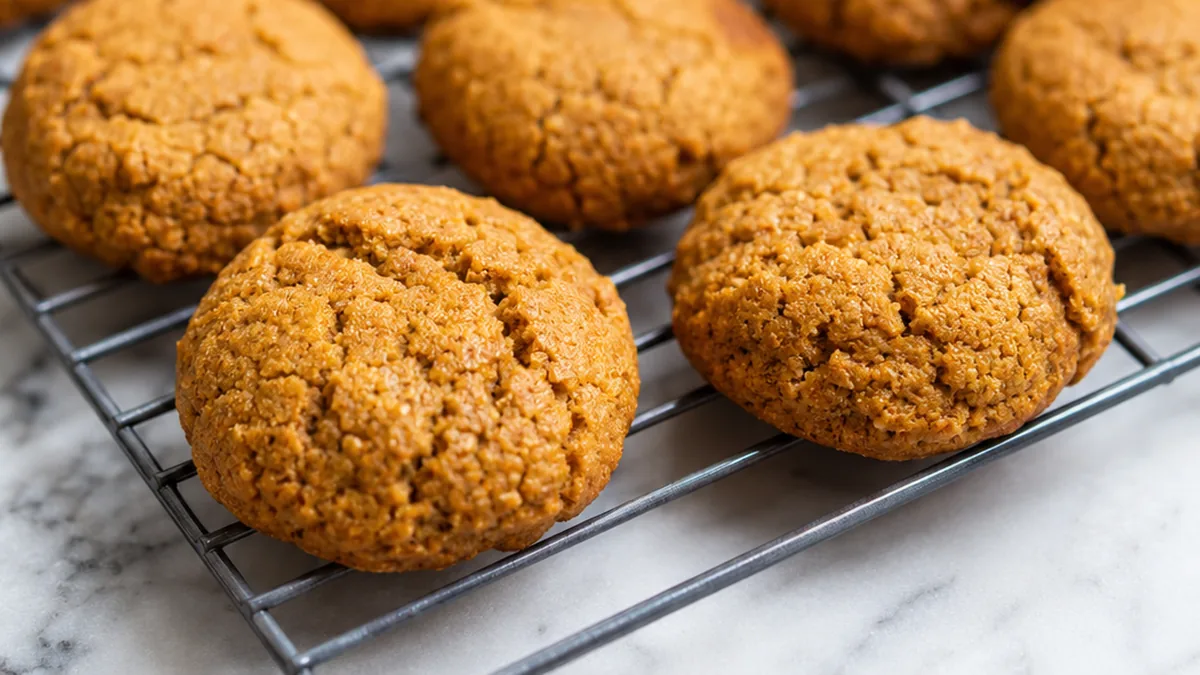
Paleo Pumpkin Cookies!
Ingredients
Method
- Preheat oven to 350°F. Line a baking sheet with parchment paper.
- Beat palm shortening, coconut oil, and coconut sugar until fluffy. Blend in pumpkin, eggs, and vanilla.
- Sift almond and coconut flour, then mix with cinnamon and nutmeg into wet ingredients until just combined.
- Scoop dough onto the baking sheet. Flatten each cookie slightly with wet hands.
- Bake for 9-11 minutes, until edges are set.
- Cool on the baking sheet for 5 minutes, then transfer to a wire rack to cool completely.
Notes
– If you find your dough a bit too sticky, add another tablespoon of coconut flour until it’s more manageable. I’ve had batches where the pumpkin puree varied in moisture, so adjusting the flour slightly can save the day.
– Store leftover paleo cookies in an airtight container at room temperature for up to 3 days, or refrigerate for up to a week. They also freeze beautifully for up to 2 months; just thaw at room temperature. Nutrition information is an estimate, calculated automatically. Values vary with brands, substitutions and portion sizes.
The Science Behind Perfect Paleo Pumpkin Cookies
The success of these paleo pumpkin cookies hinges on a few key principles of baking science, particularly related to fat, moisture, and flour ratios. The combination of palm shortening or butter and softened coconut oil creates a rich base. When creamed with coconut sugar, these fats incorporate air, which aids in leavening and creates a tender crumb. The pumpkin puree is a significant source of moisture. It’s crucial to use pure pumpkin puree, not pumpkin pie filling, as the latter contains added sugars and spices that will alter the flavor and texture. The moisture from the pumpkin needs to be balanced by the flours. Almond flour provides structure and fat, while coconut flour is highly absorbent. This means the dough will be naturally softer and potentially stickier than traditional wheat-flour cookies. Overmixing can develop toughness, even without gluten, by overworking the almond flour proteins. The relatively low baking temperature (350°F or 175°C) is important to ensure the cookies bake through without the edges burning, allowing the pumpkin’s moisture to evaporate gradually and the cookies to set properly. Chilling the dough before baking is a recommended step that allows the flours to fully hydrate, reducing spread and intensifying flavor.
Troubleshooting
- Cookies spread too much: This is often due to the dough being too warm or too wet. Ensure your fats are softened but not melted. Chilling the dough for at least 30 minutes before baking will help control spread.
- Cookies are dry and crumbly: You may have used too much flour, or the pumpkin puree was too dry. Ensure accurate measuring of flours, especially coconut flour, which absorbs a lot of liquid. If your pumpkin puree seems very dry, you might need to slightly increase the wet ingredients.
- Cookies are gummy or undercooked in the center: The oven temperature might be too low, or the cookies were baked for too short a time. Ensure your oven is calibrated. Baking until the edges are set and lightly golden, and the center looks slightly soft but not wet, is key. Allow them to cool on the baking sheet for a few minutes to finish setting.
- Dough is too sticky to handle: Paleo cookie doughs, especially those with coconut flour, can be sticky. Lightly wetting your hands or using a cookie scoop can help manage the dough. Chilling the dough will also make it firmer and easier to handle.
Substitutions
- Butter for palm shortening: If using butter, ensure it is unsalted and softened. The resulting cookie may have a slightly richer, more pronounced buttery flavor.
- Maple syrup for coconut sugar: Replacing coconut sugar with an equal amount of liquid sweetener like maple syrup will increase the dough’s moisture. You may need to add an extra tablespoon of coconut flour to compensate for the added liquid, and the cookies might spread slightly more.
- Other nut flours (e.g., cashew or pecan) for almond flour: If substituting, use an equal amount. The flavor profile will change subtly depending on the nut used, and the texture might vary slightly due to differences in fat content and particle size.
- Ground ginger and cloves for nutmeg: If you don’t have nutmeg, a mix of ground ginger and cloves (about 1/8 teaspoon each) can provide a similar warm spice profile, though the flavor will be slightly different.
Pro tips
- For the perfect texture, ensure your coconut oil is softened but not liquid, allowing it to cream well with the palm shortening.
- If you find your dough a bit too sticky, add another tablespoon of coconut flour until it’s more manageable. I’ve had batches where the pumpkin puree varied in moisture, so adjusting the flour slightly can save the day.
- Store leftover paleo cookies in an airtight container at room temperature for up to 3 days, or refrigerate for up to a week. They also freeze beautifully for up to 2 months; just thaw at room temperature.
These Paleo Pumpkin Cookies are a testament to how delicious healthy eating can be. Give this recipe a try and savor the delightful flavors of fall in every wholesome bite!
Frequently asked questions
Can I use pumpkin pie filling instead of puree?
No, it is not recommended. Pumpkin pie filling contains added sugars, spices, and other ingredients not listed in this recipe. Using it will significantly alter the flavor, sweetness, and texture of your paleo cookies, likely resulting in a much softer, sweeter, and less structurally sound cookie.
Why is my cookie dough so sticky?
Paleo cookie doughs, especially those utilizing coconut flour, tend to be stickier than traditional recipes due to the high absorbency of coconut flour and the absence of gluten. Chilling the dough for at least 30 minutes will firm it up, making it easier to handle and scoop.
How can I make these cookies less sweet?
The primary sweetener is coconut sugar. You can try reducing the amount of coconut sugar slightly, perhaps by a tablespoon or two. However, reducing sugar significantly can affect the texture and spread of the cookies, potentially making them drier or more crumbly.
Can I freeze the dough or baked cookies?
Yes, the unbaked dough can be portioned into balls and frozen on a baking sheet until solid, then transferred to an airtight container for up to 2 months. Baked cookies can also be frozen in a similar manner. Thaw frozen dough balls before baking, adding a few extra minutes to the bake time.
Try this next: ” Chewy Gluten-Free Molasses Cookies”
More from Gluten-Free Desserts & Sweets →