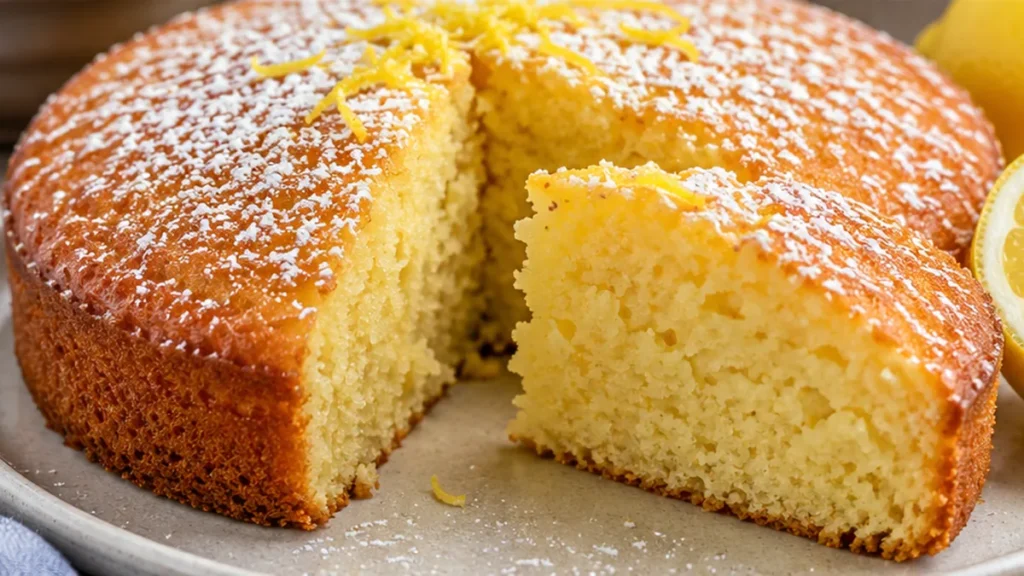
This Gluten-Free Olive Oil Cake is a testament to how simple ingredients can create something truly extraordinary. The beauty of this olive oil cake lies in its incredibly moist crumb and the subtle, fragrant notes imparted by high-quality olive oil and fresh lemon zest. Perfect for those following a gluten-free lifestyle or anyone seeking a sophisticated yet easy-to-make dessert, this olive oil cake recipe delivers a tender texture and a delightful citrus aroma that will impress your guests. Forget dry, crumbly gluten-free bakes; this cake is a real upgrade.
Key takeaways
- Use good quality olive oil for flavor and tenderness.
- Ensure all wet ingredients are at room temperature for proper emulsification.
- Do not overmix the batter after adding dry ingredients.
- Check for doneness with moist crumbs, not wet batter.
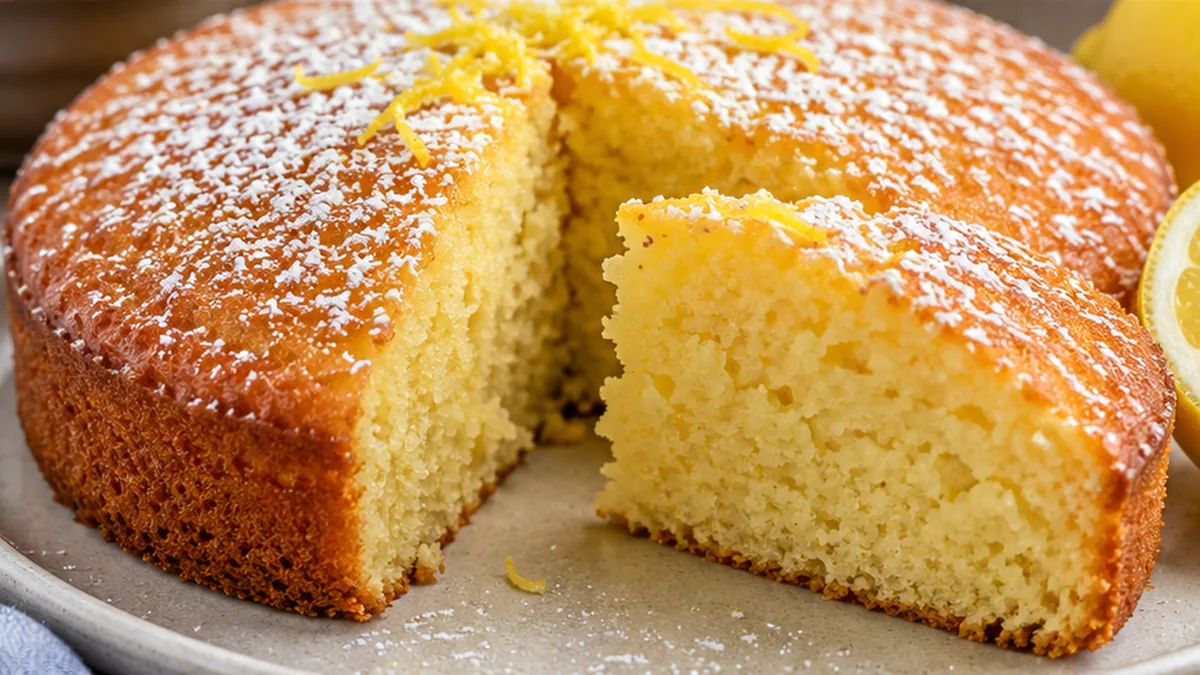
Moist Gluten-Free Olive Oil Lemon Cake
Ingredients
Method
- Preheat oven to 350°F (175°C). Line a 9” round pan with parchment paper and grease the sides.
- In a bowl, rub lemon zest into granulated sugar with your fingertips until fragrant and slightly damp.
- In a separate medium bowl, whisk together gluten-free flour, baking powder, baking soda, and salt.
- In a large bowl, whisk eggs until lightly beaten. Slowly stream in olive oil while whisking continuously until combined.
- Whisk the lemon sugar mixture into the eggs and oil until smooth.
- Whisk in the fresh lemon juice and milk until just combined.
- Gradually add the dry ingredients to the wet ingredients, whisking until just blended. Do not overmix.
- Pour batter into the prepared pan and bake for 30-40 minutes, or until a toothpick inserted into the center comes out clean.
Notes
– Ensure all wet ingredients (eggs, milk) are at room temperature for optimal emulsification.
– Don’t overmix the batter after adding the flour to keep the cake tender.
– Let the cake cool completely before slicing for the cleanest cuts. Allergens: Eggs, Milk. Nutrition information is an estimate, calculated automatically. Values vary with brands, substitutions and portion sizes.
The technique that makes it
The success of this moist gluten-free olive oil lemon cake hinges on a few key techniques. Firstly, the use of a good quality olive oil is paramount. Its fruity notes and richness contribute significantly to the cake’s flavor and tender crumb. Avoid overly peppery or bitter oils, as these can overpower the delicate lemon. Secondly, ensuring your eggs and milk are at room temperature is crucial for proper emulsification. Cold liquids can cause the batter to seize, resulting in a dense, uneven texture. Whisking the eggs and sugar together until light and fluffy before incorporating the wet ingredients helps to aerate the batter, contributing to a lighter cake. When it comes to gluten-free flour, using a reputable 1:1 blend designed for baking is essential. These blends typically contain xanthan gum, which mimics the binding properties of gluten, preventing a crumbly texture. Overmixing the batter after adding the dry ingredients should be avoided, as this can still toughen the cake, even without gluten. Finally, the gentle folding in of the lemon zest and juice at the end preserves their bright flavor and aroma.
Troubleshooting
- Cake is dry: This can happen if the cake is overbaked. Ensure your oven temperature is accurate and check for doneness with a toothpick inserted into the center; it should come out with moist crumbs, not wet batter. Overmixing can also contribute to dryness.
- Cake is dense or gummy: Insufficient leavening or improper mixing can cause this. Ensure your baking powder and baking soda are fresh. Room temperature ingredients are vital for a smooth emulsion. Avoid overmixing the gluten-free flour.
- Cake is crumbly: This is often a sign of insufficient binding. Ensure your gluten-free flour blend contains xanthan gum. If not, you may need to add about ½ teaspoon. Ensure all ingredients are properly incorporated.
- Uneven texture: This can be due to ingredients not being at room temperature, leading to poor emulsification, or uneven distribution of leavening agents. Make sure to whisk wet and dry ingredients separately before combining.
Substitutions
- Olive Oil: A neutral-flavored oil like avocado oil or a light vegetable oil can be used, but it will alter the subtle flavor profile. The cake will be moist but may lack the characteristic richness of olive oil.
- Milk: Any unsweetened plant-based milk (almond, soy, oat) can be substituted. The texture should remain similar, though the flavor might be slightly affected depending on the milk chosen.
- Lemon Juice: Lime juice can be used for a similar citrusy tang, though the flavor will be distinct. Ensure it’s freshly squeezed for the best taste.
- Gluten-Free Flour: While a 1:1 blend is recommended, if you’re comfortable with gluten-free baking, you can create your own blend using rice flour, tapioca starch, and potato starch, ensuring to add xanthan gum for binding. The results may vary based on your blend’s composition.
Pro tips
- Use a good quality, mild-flavored extra virgin olive oil for the best taste.
- Ensure all wet ingredients (eggs, milk) are at room temperature for optimal emulsification.
- Don’t overmix the batter after adding the flour to keep the cake tender.
- Let the cake cool completely before slicing for the cleanest cuts.
Enjoy this wonderfully moist and flavorful gluten-free olive oil cake. It’s a simple yet elegant dessert that’s sure to become a favorite.
Try this next: Gluten-Free Lemon Cake – Taste of Sunshine!
More from Gluten-Free Desserts & Sweets →
Frequently asked questions
Can I use a different oil for gluten-free olive oil cake?
While olive oil provides a unique flavor and moisture, you can substitute a neutral oil like avocado or grapeseed oil. Vegetable oil is also an option. Ensure the oil is liquid at room temperature for best results in the batter. Avoid strongly flavored oils like extra virgin if you prefer a milder taste.
How do I know when my gluten-free lemon cake is done?
Insert a toothpick into the center of the cake. If it comes out clean or with a few moist crumbs attached, the cake is done. The edges should also be pulling away slightly from the sides of the pan. Overbaking can lead to a dry cake, so check a few minutes before the suggested baking time.
How should I store leftover gluten-free olive oil lemon cake?
Store the cooled cake in an airtight container at room temperature for up to 3 days. If your kitchen is very warm, refrigerating it is an option, but it may slightly affect the texture. For longer storage, wrap slices tightly in plastic wrap and then in foil, and freeze for up to 2 months.
Can I make this gluten-free lemon cake ahead of time?
Yes, this cake can be baked a day in advance. Once completely cooled, store it in an airtight container at room temperature. The olive oil and lemon flavor often meld and improve overnight. Ensure it is fully cooled before storing to prevent condensation and sogginess.