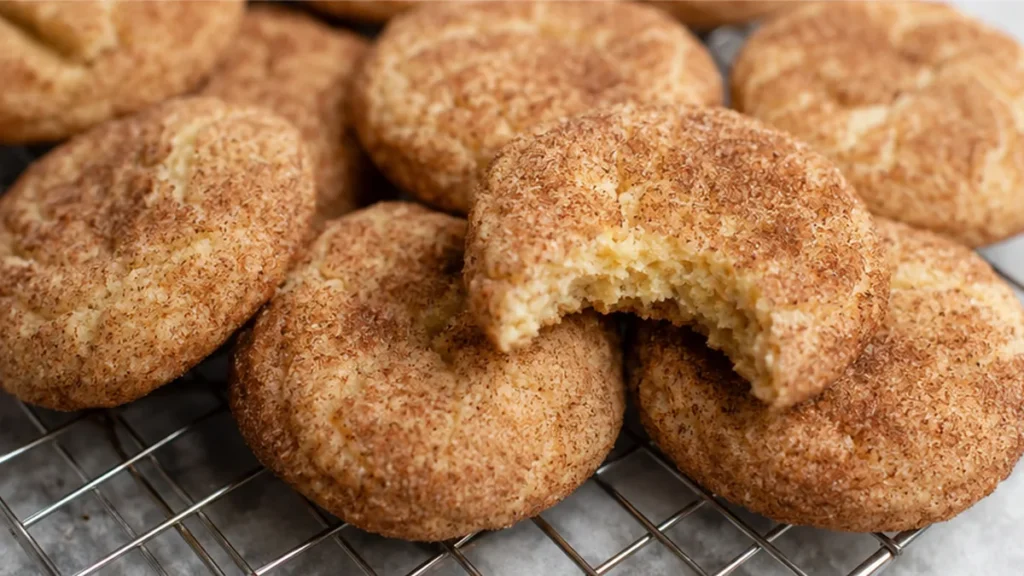
These gluten-free snickerdoodles achieve perfect chewiness and cinnamon-sugar sparkle. The secret lies in the brown butter technique, creating a rich flavor base.
Key takeaways
- Brown the butter carefully for complex flavor and chewy texture.
- Chill the dough to allow gluten-free flours to hydrate fully and control spread.
- Use a combination of measure-for-measure and almond flour for optimal texture.
- Accurate measurement of leavening agents (cream of tartar and baking soda) is crucial for flavor and lift.
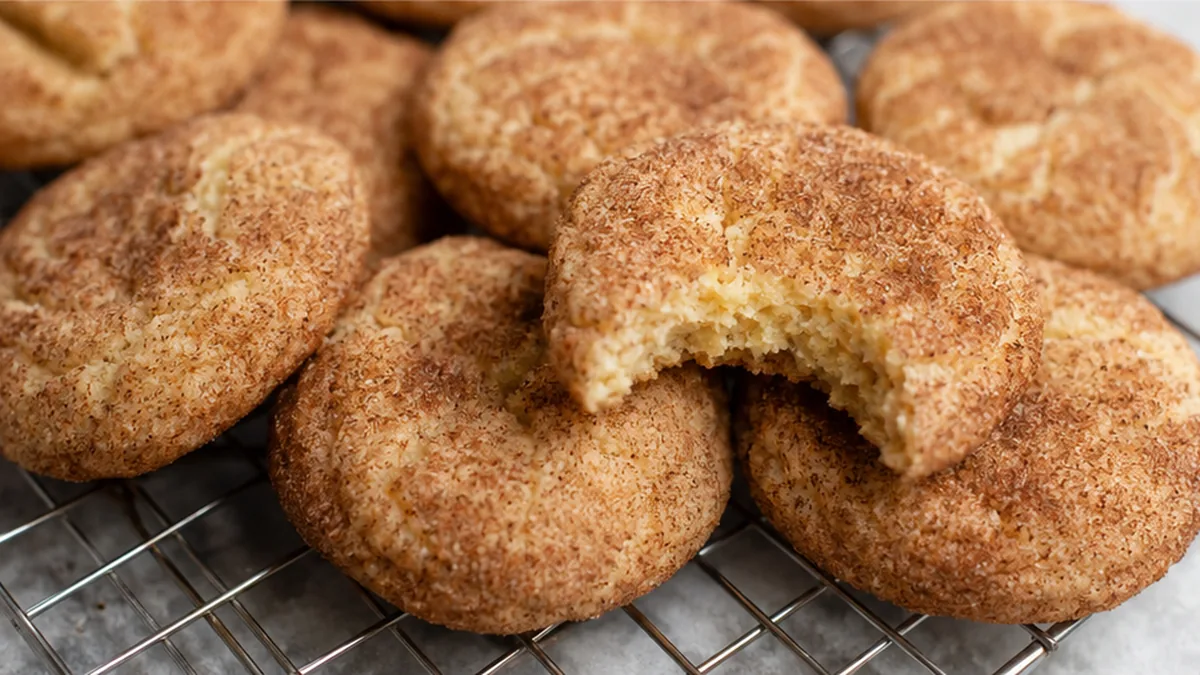
Brown Butter Snickerdoodles: The SECRET to Chewy Perfection!
Ingredients
Method
- Brown the butter: Melt butter in a saucepan over medium heat. Whisk constantly. It will foam, then after a couple of minutes, brown on the bottom. Turn off heat when solids are brown and a nutty aroma appears. Pour into a glass mixing bowl to prevent burning.
- Add the shortening, granulated sugar, and brown sugar to the bowl with the brown butter and mix until combined. Add the eggs and vanilla, then mix until smooth.
- Add the gluten-free measure-for-measure flour, almond flour, cream of tartar, and baking soda to the wet ingredients. Mix until well-combined. Cover the dough and refrigerate for at least 1 hour and up to 2 days.
- Preheat the oven to 400°F (200°C). Line a large baking sheet with a silicone baking mat.
- In a small bowl, mix together additional sugar and cinnamon for rolling. Shape the chilled dough into rounded 1-inch balls. Roll each ball generously in the cinnamon-sugar mixture and place 2 inches apart on the baking sheet.
- Bake for 9-11 minutes until the edges are set but the centers are still slightly soft. Let cool on the baking sheet for 2 minutes, then transfer to a wire rack to cool completely. Enjoy!
Notes
– When I first started making these, I used to overmix the dough, resulting in tougher cookies. Mix just until the dry ingredients are incorporated to keep them tender.
– For perfectly round snickerdoodles, chill the dough for at least an hour. This also helps prevent spreading.
– Store baked snickerdoodles in an airtight container at room temperature for up to 3-4 days, or freeze the unbaked dough balls for up to 2 months. Bake from frozen, adding 2-3 minutes to the cook time. Nutrition information is an estimate, calculated automatically. Values vary with brands, substitutions and portion sizes.
The Technique Behind Chewy Perfection
The signature chewiness and depth of flavor in these gluten-free snickerdoodles come from a combination of specific ingredients and techniques. Browning the butter is the first crucial step. When butter is heated, its water content evaporates, and the milk solids within begin to toast, developing complex nutty and caramel notes. This process, known as the Maillard reaction and caramelization, adds a depth of flavor that regular melted butter cannot achieve. It’s essential to brown the butter gently until it turns an amber hue, then cool it slightly before proceeding to prevent scrambling the eggs.
The combination of gluten-free measure-for-measure flour and almond flour is also key. The measure-for-measure blend provides the necessary structure without gluten, while the almond flour contributes moisture and a tender crumb, helping to prevent the cookies from becoming dry or crumbly, a common challenge with gluten-free baking. Cream of tartar and baking soda are the leavening agents that react to create the characteristic snickerdoodle puff and slight tang. Cream of tartar, an acidic salt, not only aids in leavening but also helps stabilize the cookie structure and contributes to the cookie’s signature slightly tangy flavor profile when reacting with the baking soda.
Finally, the resting period for the dough is vital. Chilling the dough allows the gluten-free flours to fully hydrate. In gluten-free baking, this hydration is even more critical than in traditional baking, as it ensures a better texture and prevents a gritty mouthfeel. The fats in the dough also solidify during chilling, which helps the cookies spread less during baking, resulting in thicker, chewier cookies.
Troubleshooting
- Problem: Cookies are too flat and spread too much.
Fix: Ensure your butter was cooled sufficiently after browning before mixing with other ingredients. Also, make sure the dough was chilled for at least 30 minutes. Over-creaming the butter and sugars can also incorporate too much air, leading to excessive spread. - Problem: Cookies are dry and crumbly.
Fix: This often indicates insufficient moisture or fat. Double-check your flour and almond flour measurements. Ensure the eggs are fully incorporated. Browned butter can sometimes lose moisture; ensure you used the full amount of butter specified. - Problem: Cookies lack the classic snickerdoodle tang.
Fix: The tang comes from the reaction between cream of tartar and baking soda. Ensure both leavening agents are fresh and measured accurately. The balance is crucial; too much or too little will affect the flavor and texture. - Problem: Gluten-free texture is gritty.
Fix: This usually means the gluten-free flours haven’t hydrated properly. Ensure the dough is well-chilled for at least 30 minutes, or even longer, to allow the flours to absorb moisture.
Substitutions
- Butter: In a pinch, you can use all shortening, but you will lose the complex flavor notes from the browned butter. The texture might be slightly less rich.
- Shortening: You can substitute with an equal amount of unsalted butter. This will make the cookies richer but potentially spread slightly more.
- Almond Flour: If unavailable, substitute with an equal amount of a good quality gluten-free measure-for-measure flour blend. The cookies may be slightly less tender.
- Cream of Tartar: You can substitute with 1 teaspoon of lemon juice or white vinegar per teaspoon of cream of tartar. This will provide the necessary acidity for leavening and tang, though the flavor profile might be subtly different.
Pro tips
- Don’t skip browning the butter! It adds an incredible depth of nutty flavor that makes these snickerdoodles stand out. Watch it carefully to avoid burning.
- When I first started making these, I used to overmix the dough, resulting in tougher cookies. Mix just until the dry ingredients are incorporated to keep them tender.
- For perfectly round snickerdoodles, chill the dough for at least an hour. This also helps prevent spreading.
- Store baked snickerdoodles in an airtight container at room temperature for up to 3-4 days, or freeze the unbaked dough balls for up to 2 months. Bake from frozen, adding 2-3 minutes to the cook time.
This recipe proves that gluten-free baking can be just as delicious, if not more so, than traditional methods. Share these irresistible gluten-free snickerdoodles with friends and family, or simply savor them yourself!
Frequently asked questions
Why do I need to brown the butter?
Browning the butter toasts the milk solids, creating a rich, nutty, and slightly caramel flavor that enhances the snickerdoodle. It also adds a depth that regular melted butter cannot provide, contributing significantly to the cookie’s overall taste profile and chewiness.
Can I skip chilling the dough?
No, chilling is essential for gluten-free snickerdoodles. It allows the alternative flours to fully hydrate, preventing a gritty texture. It also firms up the fats, which helps control spreading during baking, resulting in thicker, chewier cookies.
What happens if I use only gluten-free measure-for-measure flour?
Using only the measure-for-measure blend might result in a slightly drier or tougher cookie. The almond flour adds necessary fat and moisture, contributing to a more tender crumb and a richer mouthfeel, which is beneficial in gluten-free baking.
How do I get the tangy flavor?
The characteristic tang comes from the reaction between cream of tartar and baking soda. Ensure both ingredients are fresh and measured accurately. Cream of tartar is an acid that reacts with the alkaline baking soda to produce the signature snickerdoodle flavor and leavening.
Try this next: Fall’s Fave: Gluten-Free Pumpkin Whoopie Pies!
More from Gluten-Free Desserts & Sweets →