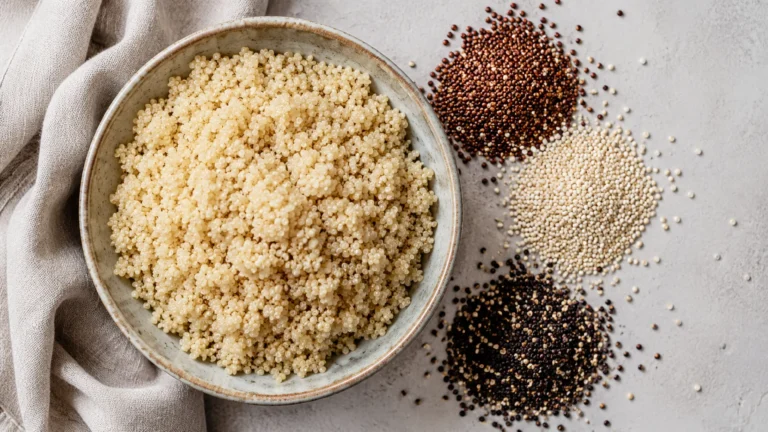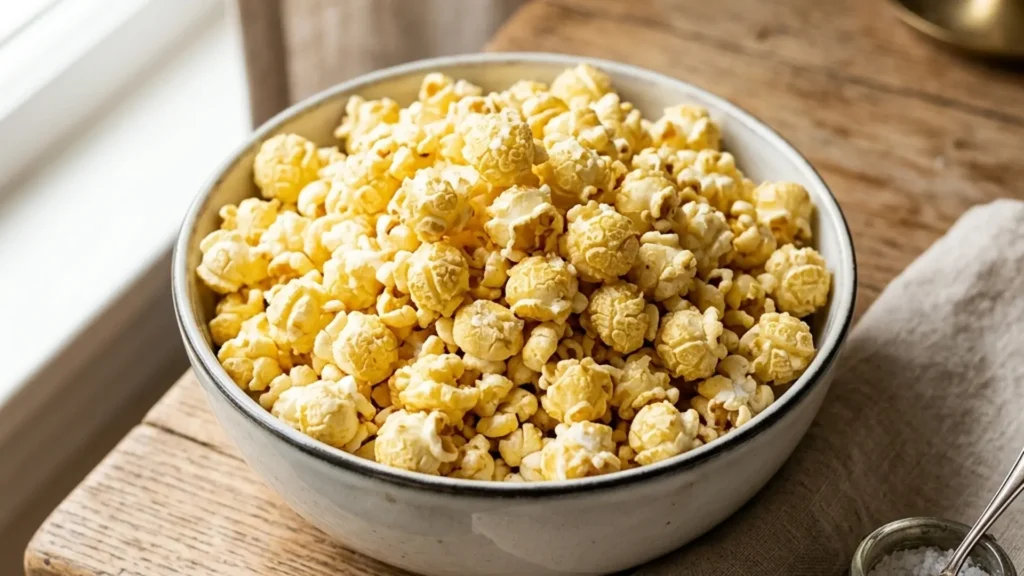
Is popcorn gluten free? Plain popcorn is, yes, because it is just dried corn kernels that puff when heated, and corn carries no gluten. The trouble starts the moment popcorn stops being plain. Butter flavorings, malt seasonings, cheese dusts, and shared factory lines are where gluten finds a way into a snack that should be perfectly safe. I have read a lot of popcorn bags out loud to confused family members, and the pattern is always the same: the kernel is innocent, the coating is the question.
Here is the answer you can act on right away: naturally popped plain popcorn is gluten free, and most major brands of plain and lightly salted popcorn are too. Flavored, microwave, and movie-theater popcorn need a label check or a quick question, because malt flavoring, wheat starch, and cross-contamination can sneak in. For celiac-level safety, choose a certified gluten-free bag or pop your own kernels at home.
Why Plain Popcorn Is Gluten Free
Popcorn is a specific variety of corn, Zea mays everta, with a hard hull and a starchy center. Heat the kernel and the trapped moisture flashes to steam, the hull bursts, and the starch puffs out. That is the entire process. There is no wheat, barley, or rye anywhere in it. Gluten is the protein in those three grains and their relatives, and corn simply is not one of them.
So a bowl of air-popped or stovetop popcorn made from nothing but kernels, oil, and salt is about as safe as a snack gets. The confusion comes from a separate fact: corn has its own storage proteins, including one called zein, sometimes grouped under the term maize prolamins. These are not gluten and do not trigger celiac disease in the vast majority of people. I will come back to the small exception later, but file this away now: corn protein is not wheat protein, and the two get tangled up in a lot of internet advice.
Where Gluten Actually Gets Into Popcorn
The risks cluster around what gets added after the corn pops and where it gets made.
Malt flavoring. Malt comes from barley, which contains gluten. It shows up in some sweet, caramel, and “movie butter” style seasonings, and it is the additive celiacs miss most often because “malt” does not read like “wheat.”
Wheat starch and flour. A few flavored or coated popcorns use wheat starch as a carrier or anti-caking agent. Cheese-coated and savory snack mixes are the usual places to find it.
Brewer’s yeast and soy sauce. Some savory seasonings use brewer’s yeast (often barley-derived) or standard soy sauce (brewed with wheat). Both carry gluten unless specifically labeled otherwise.
Shared facility cross-contamination. Even a clean ingredient list can be undermined if the popcorn is made on equipment that also handles wheat-based snacks. This is the gap a certified label closes that a plain ingredient list cannot.
A Flavor-Type Risk Ranking You Can Use in the Aisle
When you are standing in front of an unfamiliar bag, the flavor style tells you how hard to scrutinize it. This ranking, roughly from safest to riskiest, has saved me a lot of label-squinting.
| Flavor type | Risk level | What to check |
|---|---|---|
| Plain / lightly salted | Very low | Facility statement only |
| Buttered | Low to moderate | Butter flavoring source, malt |
| Cheese / savory | Moderate | Wheat starch, soy sauce, brewer’s yeast |
| Caramel / kettle / sweet | Moderate to high | Malt flavoring, malt syrup |
| Snack mixes with popcorn | High | Pretzels, crackers, seasonings mixed in |
The single most useful habit: scan the ingredient list for the word “malt” before anything else. It is the most common hidden gluten source in sweet popcorn, and it is easy to miss because it sounds harmless.
Gluten-Free Popcorn Brands Worth Knowing
Brands change formulas, so always re-read the current bag, but as it stands several popular lines are labeled or certified gluten free for their plain and lightly seasoned varieties. Skinnypop is certified gluten free across its core line. Angie’s Boomchickapop carries gluten-free labeling on many of its flavors. Orville Redenbacher, Act II, Jolly Time, and Pop Secret all offer plain and butter microwave options that are labeled gluten free, though formulas vary by flavor. Store brands like Kirkland Signature, 365 by Whole Foods Market, and Trader Joe’s Organic also have gluten-free popcorn options.
My preference when I want zero guesswork is a certified bag, because certification means the company tested for cross-contamination rather than assuming corn equals safe. For flavored popcorn especially, the certified seal is worth paying a little more for. If a flavor is not labeled, treat it as a maybe and read every line.
Is Movie Theater Popcorn Gluten Free?
Most movie theater popcorn is gluten free in the bucket, because the chains pop plain corn in oil and salt it. The real questions are the topping and the shared equipment. The “butter” pumped on top is usually a flavored oil rather than real butter, and those flavored oils can contain additives, so it is worth asking what is in it. Cross-contact is the bigger concern: the same scoops, surfaces, and oil can touch pretzels, breaded snacks, or seasoned popcorn at the same counter.
Here is the script I use at the counter. Ask: is the plain popcorn just corn, oil, and salt? Is the butter topping a flavored oil or real butter, and does it list any additives? Is the popcorn ever mixed or scooped with shared equipment that touches your soft pretzels or other snacks? Major chains like AMC and Regal generally pop gluten-free corn, but a clear answer from the staff beats an assumption every time. If they cannot tell you, get the plain popcorn with no topping, or skip it.
Microwave Popcorn: The Bag Is Usually Fine, the Flavor Is the Variable
Microwave popcorn is gluten free far more often than not, since the bag holds kernels, oil, and salt or seasoning. The variables are the same as everywhere else: the flavoring and the facility. Butter and movie-theater style flavors are the ones to check, because that is where malt or wheat-derived flavoring can appear. Plain, salted, and “natural” microwave varieties from the major brands are usually labeled gluten free.
One practical note on microwave bags: the lining and the oil are not gluten concerns, so do not overthink the packaging. Read the seasoning ingredients and the facility statement, and you have covered the real risk.
The Corn-Sensitive Exception Nobody Mentions
This is the piece most popcorn articles skip. A small minority of people with celiac disease appear to react to maize prolamins, the corn proteins I mentioned earlier, even though corn contains no gluten. This is rare, it is not the same as a gluten reaction, and it does not mean popcorn is dangerous for the general gluten-free population.
Why does it matter? Because if you are scrupulously avoiding gluten, eating certified popcorn, and still feeling symptoms, the answer might be the corn itself rather than hidden gluten. That is a conversation for your doctor or dietitian, not a reason to fear popcorn. But knowing the possibility exists can save you weeks of chasing a phantom gluten source that is not there.
There is also a more common, simpler explanation for popcorn discomfort that has nothing to do with gluten or corn protein: the hulls and the fiber. Popcorn is high in insoluble fiber, and the sharp hulls can irritate a gut that is still healing from celiac damage. Newly diagnosed celiacs sometimes find popcorn rough on the stomach in the first months of a strict gluten-free diet, then tolerate it fine once the intestinal lining recovers. If popcorn bothers you, try a smaller portion, chew thoroughly, and give your gut time before you conclude it is a gluten or corn reaction.
How to Pop Truly Safe Popcorn at Home
The cheapest and safest popcorn is the kind you make yourself, and stovetop popcorn takes about five minutes once you have the ratio down. Use a heavy pot with a lid. Add 3 tablespoons of a neutral high-heat oil and 1/3 cup of popcorn kernels. Drop in two or three test kernels, cover, and set the heat to medium-high. When the test kernels pop, the oil is at temperature, around 400 to 450 degrees F, which is the sweet spot for popping without scorching.
Add the rest of the kernels, cover with the lid cracked slightly to vent steam, and shake the pot every few seconds so nothing burns. Shaking matters more than people think, because the kernels at the bottom scorch fast once the oil is hot and a stuck kernel will smoke and ruin the whole batch. When the popping slows to a few seconds between pops, pull it off the heat right away rather than waiting for the last stragglers. Salt to taste while it is hot, since the residual oil helps the salt stick. That is a full bowl of guaranteed gluten-free popcorn for pennies, with no facility, no flavoring, and no doubt. If you want flavor, melt real butter or toss with certified seasonings you control.
How to Read a Popcorn Label Without Getting Fooled
Front-of-bag claims are marketing. The back of the bag is where the truth lives, and reading it well takes about ten seconds once you know the order to look. Start at the allergen statement, the bold line that often reads “Contains: wheat” or “Made in a facility that also processes wheat.” That line alone resolves most products. A clean allergen statement with a gluten-free claim is your green light.
Next, run the ingredient list for the four words that matter: malt, wheat, barley, and soy sauce. Malt and malt flavoring are barley-derived and the most common offenders in sweet popcorn. Wheat starch shows up in some coatings. Soy sauce hides in savory and Asian-style seasonings and is almost always brewed with wheat. If none of those appear and the bag claims gluten free, you are in good shape. If the bag says nothing about gluten and is made by a company that also makes pretzels or crackers, treat that silence as a warning rather than reassurance.
One more tell: vague terms like “natural flavors” or “seasoning blend” are not automatically dangerous, but on an uncertified product they are a reason to email the manufacturer if you are celiac. Reputable companies answer cross-contamination questions quickly, and the answer tells you whether the brand actually tracks gluten or just hopes for the best.
Building Your Own Gluten-Free Popcorn Seasonings
The fastest way to escape the flavored-popcorn minefield is to season plain popcorn yourself, and homemade blends taste fresher than anything dusted on at a factory. For a savory bowl, melt 2 tablespoons of real butter, drizzle it over a freshly popped batch, and toss with 1/4 cup of nutritional yeast plus a teaspoon of fine salt for a cheesy, dairy-light flavor that is naturally gluten free. For a sweet version, toss warm popcorn with a tablespoon of melted butter and a mix of 2 tablespoons sugar and a half teaspoon of cinnamon.
If you crave the cheese-dust experience, blend powdered cheddar (check that it is gluten free, since some cheese powders use wheat-based anti-caking agents) with a pinch of smoked paprika and garlic powder. The point is control. Every spice in your cabinet is single-ingredient and easy to verify, which removes the guesswork that flavored bags force on you. I keep a small jar of premixed savory blend by the stove so a clean, flavored bowl is never more than a minute away. It is a small habit that quietly took popcorn off my list of foods to worry about.
Popcorn in a Broader Gluten-Free Snacking Plan
Popcorn earns its spot as a go-to gluten-free snack because the plain version is naturally safe, filling, and inexpensive. The same vigilance that keeps your popcorn clean applies to the rest of the snack shelf, where flavored coatings and shared facilities cause most of the trouble. If you are sorting out which packaged crunchy snacks pass, the flavor-by-flavor logic carries over directly, and the breakdown of Doritos by flavor shows just how much the seasoning, not the corn, decides the answer. The same is true for fast-food sides, where a naturally gluten-free food gets compromised by a shared fryer, as the look at Chick-fil-A waffle fries makes clear.
For the science behind popping and seasoning, America’s Test Kitchen has detailed work on stovetop technique and oil temperature at America’s Test Kitchen, and Bon Appetit keeps a useful set of homemade popcorn flavor ideas at Bon Appetit if you want to build your own seasonings instead of buying flavored bags.
Frequently Asked Questions
Is all popcorn gluten free?
No. Plain popcorn is gluten free by nature, but flavored, caramel, cheese, and some movie or microwave popcorns can contain malt flavoring, wheat starch, or soy sauce, and some are made in shared facilities. Read the label and, for celiac safety, choose a certified gluten-free product.
Is microwave popcorn gluten free?
Usually, yes. Plain and salted microwave popcorn from major brands is typically labeled gluten free. The flavored versions, especially butter and movie-theater styles, are the ones to check, since that is where malt or wheat-derived flavoring can hide.
Is movie theater popcorn gluten free?
The popped corn at major chains is generally gluten free, but the buttery topping is often a flavored oil that can carry additives, and shared scoops and surfaces can cause cross-contact. Ask what the topping contains and whether equipment is shared, or get plain popcorn with no topping.
Does popcorn have malt or barley in it?
Plain popcorn does not. But malt flavoring, which comes from barley and contains gluten, appears in some sweet, caramel, and butter-flavored popcorns. Scan the ingredient list for the word “malt” before buying any flavored popcorn.
Can celiacs eat popcorn?
In almost all cases, yes. Plain and certified gluten-free popcorn is safe for people with celiac disease. A rare subset reacts to corn proteins themselves rather than gluten, so if you stay symptomatic on certified popcorn, talk to your doctor about a possible corn sensitivity.
Is buttered popcorn gluten free?
Real butter is gluten free, so popcorn with real butter and salt is fine. The risk is artificial butter flavoring, which can include malt or other gluten-containing additives. Check whether the topping is real butter or a flavored oil, and read the ingredients on flavored buttered products.
Bottom Line
Popcorn is one of the easiest wins in a gluten-free diet, as long as you remember that the kernel is safe and the coating is the variable. Plain popcorn carries no gluten, most plain and lightly salted brands are safe, and you can make a perfectly clean bowl at home in five minutes. The places to slow down are flavored, caramel, cheese, microwave-butter, and movie-theater popcorn, where malt flavoring, wheat starch, and shared equipment do the damage. Scan for malt, lean on certified labels when you want zero doubt, and ask the right question at the concession stand. Do that and popcorn stays exactly what it should be: the snack you never have to worry about.