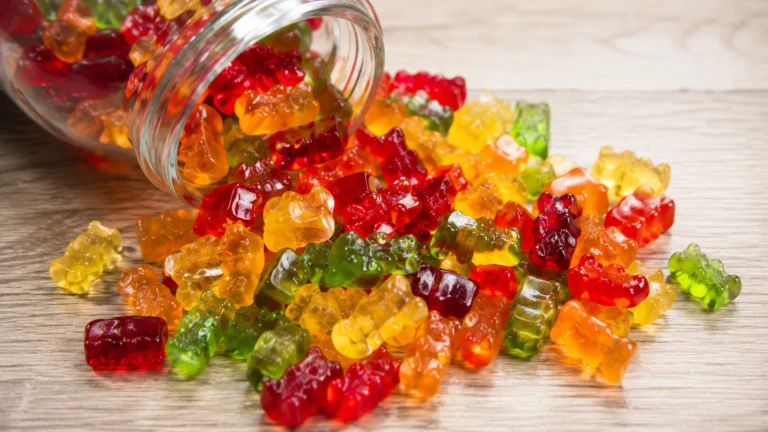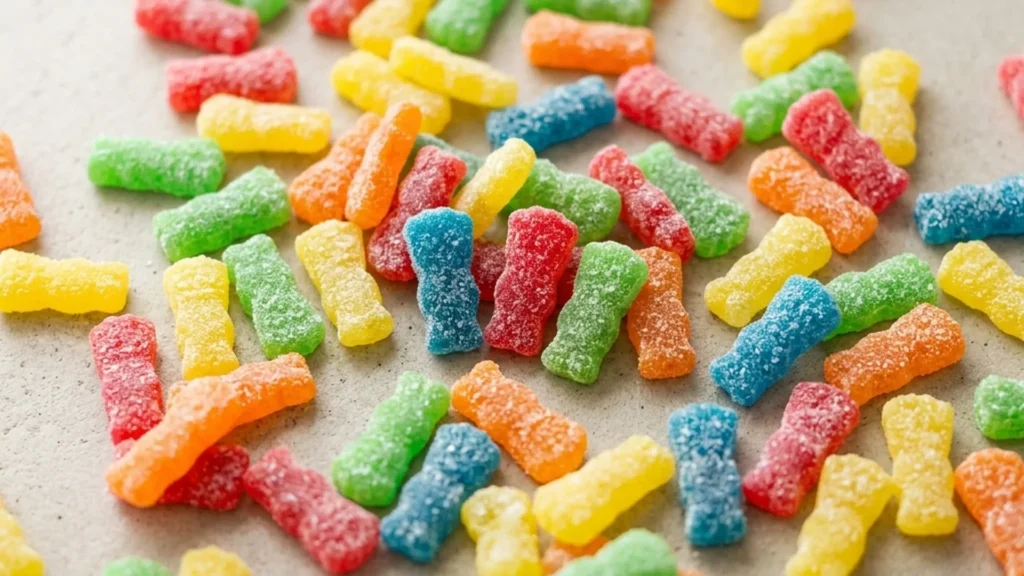
Are Sour Patch Kids gluten free? Yes, by ingredient they are, across every flavor from Original to Watermelon to the holiday shapes, because none of them contain wheat, barley, or rye. The catch you should hear up front is that Mondelez, the maker, does not certify them gluten free and runs them in facilities that also handle gluten products. So the honest answer is “gluten free by recipe, not certified,” and the gap between those two phrases is the whole story for anyone with celiac disease.
Here is the version you can quote: Sour Patch Kids contain no gluten ingredients, which makes them safe for most people avoiding gluten and a long-standing favorite in the celiac community. They are not certified gluten free and carry a small shared-facility cross-contamination risk, so the strictest celiacs treat them as a personal judgment call rather than a guaranteed-safe candy.
What Sour Patch Kids Are Actually Made Of
The fastest way to trust a candy is to understand its ingredient list, and Sour Patch Kids have a short, telling one. The base is sugar and invert sugar, then corn syrup, then modified corn starch, plus tartaric acid and citric acid for the sour punch, with natural and artificial flavors and a handful of color additives. That is essentially it. Not one of those carries gluten.
The ingredient that worries people is “modified corn starch,” and sometimes the broader term “modified food starch.” Here is the reassurance: in Sour Patch Kids sold in the United States, that starch is corn-derived, and corn has no gluten. The fear comes from the fact that in some products and some countries, “modified food starch” can be wheat-based. For US Sour Patch Kids, it is corn, which is why the candy clears the gluten bar so cleanly. The sour coating is just acid and sugar, the gummy body is starch and sugar, and the chewy texture comes from that corn starch rather than from any wheat.
Why There Is No Gluten-Free Label
This is the question the popular articles dodge. If the ingredients are clean, why no certified seal? The answer is the factory, not the recipe. Mondelez produces Sour Patch Kids on equipment and in facilities that also make cookies, crackers, and other wheat-based snacks. A gluten-free certification in the US requires testing below 20 parts per million of gluten, plus the segregation and auditing that proves a product stays under that line. Mondelez does not put Sour Patch Kids through that process, so it does not make the claim.
What that means in practice depends entirely on you. If you have a mild gluten sensitivity, a sealed bag of Sour Patch Kids is almost certainly fine, because the realistic cross-contamination risk in a gummy candy made on starch-coated lines is low. If you have diagnosed celiac disease, you are accepting an untested, unquantified risk that is probably small but not zero. Plenty of celiacs eat Sour Patch Kids regularly with no issue. Some prefer certified gummy brands for total peace of mind. Both are defensible, and you should choose knowing exactly what the missing seal does and does not tell you.
Are Every Flavor and Shape Safe?
The good news with Sour Patch Kids is consistency. Unlike candies where one variety hides a wheat-based crisp or cookie center, Sour Patch products share the same gummy-and-sour-coating formula across the line. Original, Watermelon, Tropical, Peach, Berries, Extreme, and the seasonal shapes like the holiday and Halloween versions all rely on the same gluten-free base of sugar, corn syrup, corn starch, and acids.
That said, “share the same formula” is not a license to stop reading. Limited-edition and co-branded releases (think candy mashups or special-flavor collaborations) can introduce new ingredients, so a novelty release deserves a fresh label check. Sour Patch Kids cereal, which is a different product made by a different process, is its own question and should not be assumed safe just because the gummies are. As a rule, the standard gummy bags are reliable, and anything unusual gets a look.
The International Variation Most Guides Ignore
Candy recipes are not global. A formula that is gluten free in the United States can use different ingredients in another country under the same brand and packaging. This matters most with that “modified starch” line, since some markets permit wheat-derived starch where the US uses corn.
If you buy Sour Patch Kids abroad, read the local ingredient panel rather than assuming your home-country knowledge applies. Look for the words meaning wheat, barley, and malt in the local language, and use a translation app if you need to. It takes 20 seconds and it has saved travelers from a bad surprise. The US bag you trust at home is not automatically the same bag on a shelf in another country.
Reading a Candy Label Like a Celiac, Not a Tourist
Sour Patch Kids are simple, but the skill of reading a candy bag pays off across the whole aisle, so it is worth doing right here. Start at the allergen statement, the bold “Contains” line beneath the ingredients. If it names wheat, you are finished, no matter how clean the rest looks. Then scan the ingredient list itself for three words: wheat, barley, and malt. Malt is barley-derived and the one that hides in crisped and chocolate candies, though it does not appear in Sour Patch Kids.
Next, look for a “may contain wheat” advisory. These precautionary warnings are voluntary, so their absence is not a guarantee, but their presence is a signal that the manufacturer itself is not confident about cross-contact. Sour Patch Kids generally do not carry that advisory, which is part of why their reputation holds up. Finally, treat words like “natural flavors,” “modified starch,” and “glucose syrup” as safe-by-default in US products while staying alert to them abroad. None of those is automatically gluten, and avoiding every candy that lists them would needlessly cut out a lot of safe treats.
What About the Dyes, Acids, and Other Additives?
People sometimes assume the colorful coatings and sour kick must hide something, so it is worth clearing those up. The bright colors in Sour Patch Kids come from synthetic dyes like Red 40, Yellow 5, Yellow 6, and Blue 1, plus some natural color sources. None of those carry gluten. The sour comes from tartaric acid and citric acid, both of which are produced through fermentation or from fruit and contain no gluten. Citric acid in the US is typically made from a corn-based fermentation process, which again is gluten free.
If you avoid artificial dyes for other reasons, that is a separate decision from gluten, and Sour Patch Kids would not pass a no-dye standard. But for the specific question of gluten, the dyes, acids, preservatives, and flavorings in this candy are all clear. The only ingredients that ever matter for gluten are grains, and there are none here. Separating the gluten question from the dye question keeps you from rejecting a safe candy for the wrong reason, or accepting an unsafe one because it happens to be dye-free.
Celiac Disease Versus Gluten Sensitivity: How Much to Worry
How carefully you vet Sour Patch Kids should track why you avoid gluten, because the stakes genuinely differ. With celiac disease, your immune system attacks your small intestine in response to even trace gluten, and that damage happens whether or not you feel it that day. For you, the missing certification is a real consideration, and you may decide a certified gummy is the smarter regular choice, saving Sour Patch Kids for occasions when you have checked the specific bag.
With non-celiac gluten sensitivity, your reaction is real but does not appear to cause the same autoimmune damage, and most people in this group eat uncertified, gluten-ingredient-free candies like Sour Patch Kids without any problem. If you are avoiding gluten by preference, a candy with no gluten ingredients is simply fine. The reason I keep flagging the certification gap is not to scare anyone off, it is so the most sensitive readers can make an informed call. For the majority, Sour Patch Kids are a low-risk, reliable treat, and the homemade route is always there when you want certainty.
How Sour Patch Kids Compare to Other Gummy Candies
Sour gummies as a category are usually a safe bet for gluten-free eaters, because the standard build is starch, sugar, gelatin or pectin, acid, and flavor, none of which require gluten. Where gummy candies get risky is dusting and coatings. Some manufacturers dust gummies with wheat starch to keep them from sticking, which can introduce gluten even when the candy body is clean. Sour Patch Kids use a sugar-and-acid sour coating rather than a wheat dust, which is one reason they have a strong reputation in the celiac community.
Compared to chocolate-based candies, where crisped rice, malt, and wafer centers create real gluten landmines, sour gummies are a far simpler safety calculation. The whole risk lives in the coating and the facility, not the ingredient list. Once you confirm the coating is acid-and-sugar based and the brand is not adding wheat starch, a sour gummy is about as low-risk as packaged candy gets.
A few popular gummies even carry full gluten-free certification, which is worth knowing if you want a sour fix with no asterisk at all. Some brands of organic fruit snacks and certified gummy bears test below the 20 ppm threshold and print the seal on the bag. They tend to cost a bit more and the texture differs from a classic Sour Patch chew, but for a celiac who eats gummies several times a week, paying for certified peace of mind can be worth it. Sour Patch Kids remain a reasonable everyday pick, with certified options held in reserve for the days you want zero doubt. That two-tier approach, an everyday candy plus a certified backup, is how I keep the category easy without overthinking every single bag.
Make Your Own Guaranteed Gluten-Free Sour Gummies
When I want the sour-gummy fix with zero facility doubt, I make them at home, and they are genuinely fun to do with kids. You need 1/2 cup of cold fruit juice, 2 tablespoons of unflavored gelatin (or a pectin equivalent for a vegetarian version), 2 tablespoons of honey or sugar, and a sour coating of 2 tablespoons sugar mixed with 1 teaspoon of citric acid.
Sprinkle the gelatin over the cold juice and let it bloom for about 5 minutes. Warm the mixture over low heat, stirring, until the gelatin fully dissolves but do not let it boil, keeping it under about 165 degrees F so the gelatin stays effective. Stir in the honey, pour into silicone molds, and chill for at least 30 minutes until set. Pop them out and toss in the citric acid sugar coating right before serving. You get a tart, chewy candy where you controlled every single ingredient, which is the only way to be completely certain about cross-contamination. The texture is softer than a commercial gummy, but the flavor is brighter, and there is no label to second-guess.
One tip from doing this a few times: bloom the gelatin in cold juice, never warm, or it clumps and you lose the smooth chew. And add the citric acid coating only right before eating, because the acid pulls moisture and the coating turns sticky if it sits for more than a day. Store the uncoated gummies in the fridge for up to a week.
Sour Patch Kids in a Broader Gluten-Free Candy Plan
Sour Patch Kids earn their place as a go-to gluten-free treat because the recipe is clean and consistent across flavors, but the same per-product, per-label habit applies across the candy aisle. The pattern of “safe by ingredient, not certified” repeats with many mainstream candies, and the safest approach is the same one you would use for the variety-by-variety reality of Doritos flavors, where the base is corn but each seasoning has to be checked on its own. For anyone who wants the certainty of a controlled environment, the case for buying from a verified source is the same logic behind choosing a dedicated gluten-free bakery over a mixed kitchen.
For making your own gluten-free candy and treats, America’s Test Kitchen has tested-recipe guidance on gummies and confections at America’s Test Kitchen, and Bon Appetit keeps a useful set of homemade candy techniques at Bon Appetit if you would rather make the treat than decode the wrapper.
Frequently Asked Questions
Are Sour Patch Kids gluten free?
Yes, by ingredient. Sour Patch Kids contain no wheat, barley, or rye, and the modified starch used in the US version is corn-based. They are not certified gluten free and are made in shared facilities, so the strictest celiacs treat them as a small personal-risk call.
Is the modified starch in Sour Patch Kids wheat?
In the United States, the modified starch in Sour Patch Kids is corn-derived, which contains no gluten. The term “modified food starch” can mean wheat in some other products and countries, so always read the local label, but the US Sour Patch Kids formula uses corn starch.
Are Sour Patch Kids Watermelon gluten free?
Yes, Sour Patch Kids Watermelon uses the same gluten-free base as the original: sugar, corn syrup, corn starch, and acids, with no gluten ingredients. Like the rest of the line, it is not certified gluten free, so celiacs weigh the small shared-facility risk.
Why are Sour Patch Kids not certified gluten free?
Because Mondelez makes them in facilities that also handle wheat-based snacks and does not run them through gluten-free certification, which requires testing below 20 ppm plus segregation. The recipe is gluten free, but the company will not make a claim it does not formally verify.
Can celiacs eat Sour Patch Kids?
Many celiacs eat Sour Patch Kids without trouble because they contain no gluten ingredients. Since they are not certified and the facility is shared, it is an individual risk decision. If you want zero cross-contamination risk, choose a certified gummy candy or make your own.
Are all flavors of Sour Patch Kids gluten free?
The standard gummy flavors share the same gluten-free formula, so Original, Watermelon, Tropical, Peach, and seasonal shapes are all gluten free by ingredient. Limited editions, collaborations, and other Sour Patch products like the cereal can differ, so check the label on anything unusual.
Bottom Line
Sour Patch Kids are one of the easier candies to keep in a gluten-free house, since the whole line is built on a corn-and-sugar base with no wheat, barley, or rye, and the sour coating is just acid and sugar rather than a wheat dust. The only asterisk is certification: Mondelez makes them in shared facilities and never puts a gluten-free seal on the bag, so celiacs are choosing to accept a small untested risk. For most people that risk is negligible, the standard flavors are reliable, and the modified starch fear dissolves once you know it is corn. Read the label on novelty releases and foreign bags, and if you want absolute certainty, a batch of homemade sour gummies puts every ingredient under your own control.