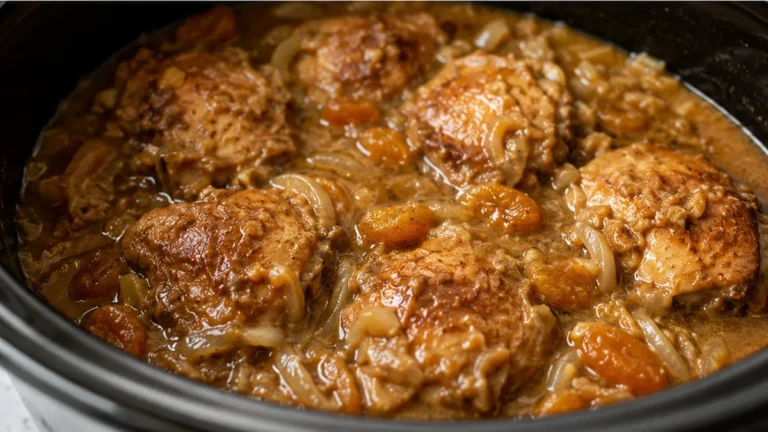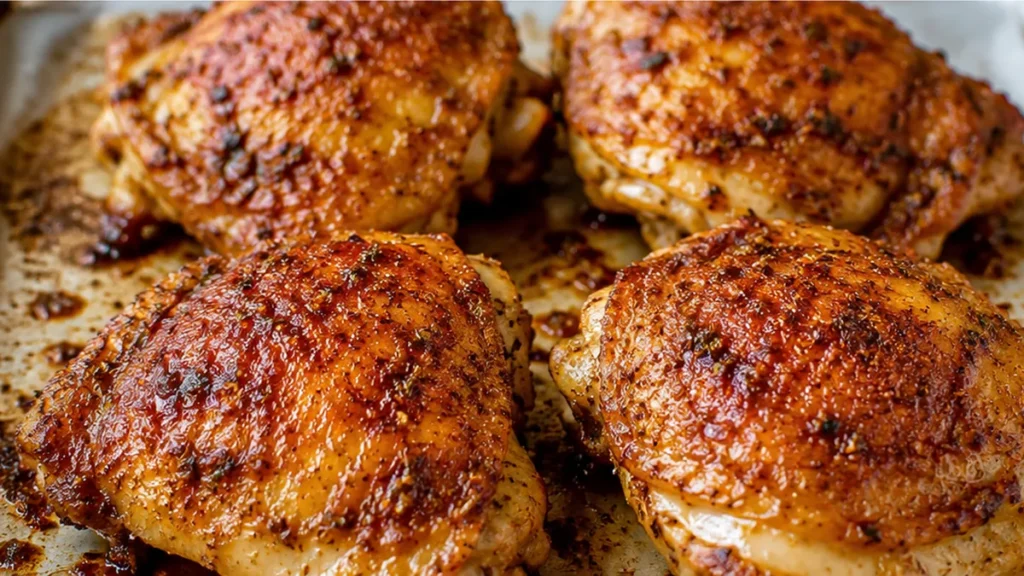
Baked chicken thighs are a weeknight dinner dream, offering a perfect balance of flavor and ease. This recipe demystifies achieving that coveted crispy skin and succulent interior, transforming simple chicken thighs into a family favorite. I’ve found that the key to exceptional baked chicken thighs lies not just in the seasoning, but in the preparation—patting them dry is crucial for that golden, crisp finish. This method ensures your chicken is tender and packed with flavor, making it a staple for any home cook.
Key takeaways
- Pat chicken thighs completely dry before seasoning to ensure crispy skin.
- Use bone-in, skin-on thighs for best results and even cooking.
- Bake at a sufficiently high temperature (around 400-425°F) to render fat and crisp the skin.
- Do not overcrowd the baking sheet to allow for proper air circulation and crisping.
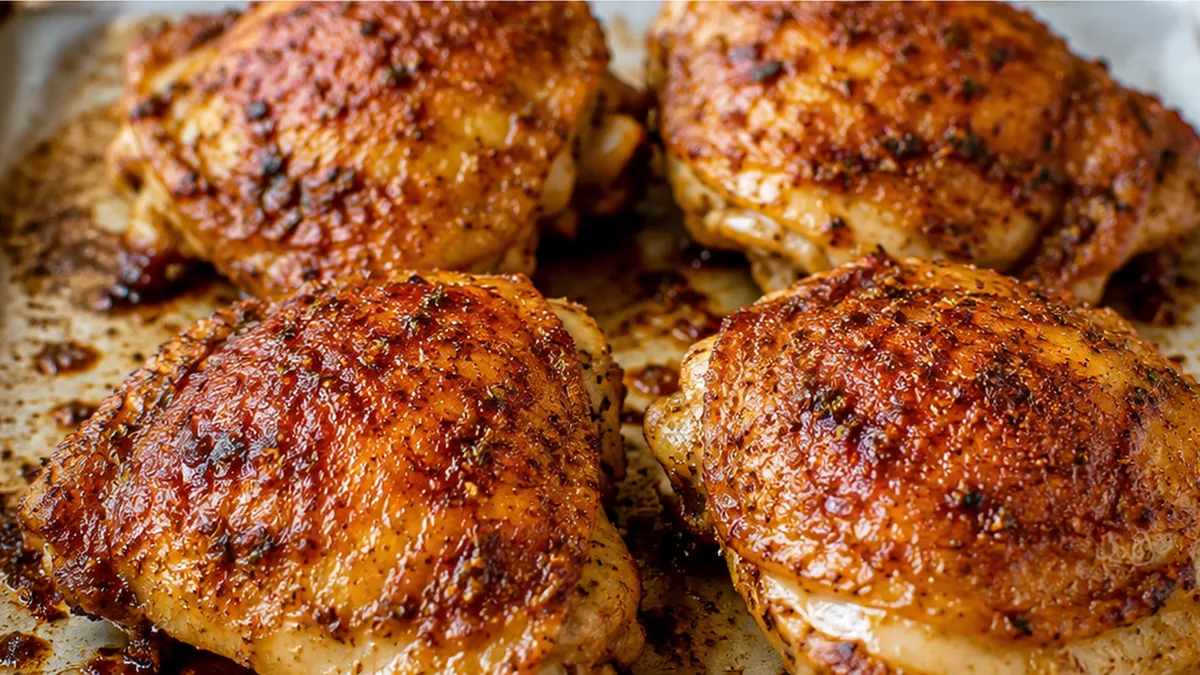
Crispy Baked Chicken Thighs
Ingredients
Method
- Preheat oven to 400°F (200°C). Prepare a 9×13″ baking pan with nonstick spray.
- Pat chicken thighs very dry with paper towels and place in the baking pan.
- In a small bowl, combine salt, garlic powder, onion powder, black pepper, paprika, and Italian seasoning. Drizzle chicken with olive oil, then rub seasonings over fronts and backs of thighs.
- Bake for 30-40 minutes, or until internal temperature reaches 180-190°F (82-88°C). Rest for 10 minutes before serving.
Notes
The Science Behind Crispy Baked Chicken Thighs
The key to achieving incredibly crispy skin on baked chicken thighs lies in a combination of factors: drying the skin, proper fat rendering, and high enough heat. Bone-in, skin-on thighs are ideal because the bone acts as a heat conductor, helping to cook the meat evenly from the inside out, while the skin protects the meat from drying out. Before baking, ensuring the chicken skin is as dry as possible is crucial. Moisture is the enemy of crispiness; it steams the skin rather than allowing it to brown and crisp. Patting the thighs thoroughly dry with paper towels before applying the seasoning and oil is a non-negotiable step. The olive oil helps to conduct heat and promote browning, while the salt draws out a little more moisture from the skin during the cooking process. Baking at a moderate to high temperature (around 400-425°F or 200-220°C) allows the fat under the skin to render out effectively. As the fat melts, it lubricates the skin, making it brittle and crispy. If the temperature is too low, the fat won’t render properly, resulting in flabby skin. Conversely, too high a temperature without proper monitoring can lead to burnt skin before the meat is cooked through. The combination of dry skin, rendered fat, and sufficient heat creates the perfect crispy texture.
Troubleshooting
- Failure: Soggy skin. Fix: Ensure chicken skin is patted completely dry before seasoning. Avoid overcrowding the baking sheet, which can trap steam. Consider increasing oven temperature slightly for the last 10-15 minutes.
- Failure: Uneven cooking (some parts dry, others undercooked). Fix: Use bone-in thighs for more even cooking. Ensure thighs are roughly the same size. If cooking in batches, ensure the oven is fully preheated for each batch.
- Failure: Skin is browned but meat is not cooked through. Fix: Lower oven temperature slightly and extend cooking time. Ensure the chicken is at room temperature for about 15-20 minutes before baking to promote even cooking.
- Failure: Spices burning. Fix: Ensure spices are evenly distributed and not clumped. If using paprika for color, consider adding it in the last 15-20 minutes of baking if you notice it browning too quickly.
Substitutions
- Olive oil: Avocado oil or any high-heat neutral oil can be used. The result will be similar crispiness.
- Salt and Pepper: A good quality sea salt or kosher salt and freshly ground black pepper are recommended for best flavor. Pre-ground spices will work but may have less potent flavor.
- Paprika: Smoked paprika will add a smoky depth of flavor. Sweet paprika can be used if preferred.
- Italian Seasoning: A blend of dried oregano, basil, thyme, and rosemary can be substituted. Ensure a balanced mix for a similar herby profile.
Pro tips
– Don’t overcrowd the pan! Give each thigh space for proper air circulation, which is essential for crispy skin. – For safe consumption, ensure poultry reaches an internal temperature of 165°F (74°C). However, for extra tenderness, I always aim for 180-190°F (82-88°C) for bone-in chicken thighs, as the dark meat benefits from longer cooking. – Leftovers can be stored in an airtight container in the refrigerator for up to 3-4 days. Reheat gently in the oven at 350°F (175°C) for 10-15 minutes to maintain crispiness.
Mastering crispy and juicy baked chicken thighs is simpler than you think. Try this recipe for a delicious, no-fail meal that’s sure to impress. Enjoy!
Frequently asked questions
Why is my chicken thigh skin not crispy?
Ensure the chicken skin is thoroughly dried with paper towels before seasoning. Moisture prevents crisping. Also, make sure your oven is at the correct temperature and the thighs are not overcrowded on the baking sheet, which can trap steam.
Can I use boneless, skinless chicken thighs?
While you can bake boneless, skinless thighs, they will not achieve the same crispy skin texture. The cooking time will also be significantly shorter, and they are more prone to drying out.
What is the best oven temperature for crispy baked chicken thighs?
A temperature between 400°F and 425°F (200°C – 220°C) is ideal. This heat is high enough to render the fat under the skin effectively, leading to a crispy texture, without burning the meat.
How long should I bake the chicken thighs?
Baking time typically ranges from 35-45 minutes for bone-in, skin-on thighs at 400-425°F. The exact time depends on the size of the thighs. They are done when the internal temperature reaches 165°F (74°C) and the juices run clear.
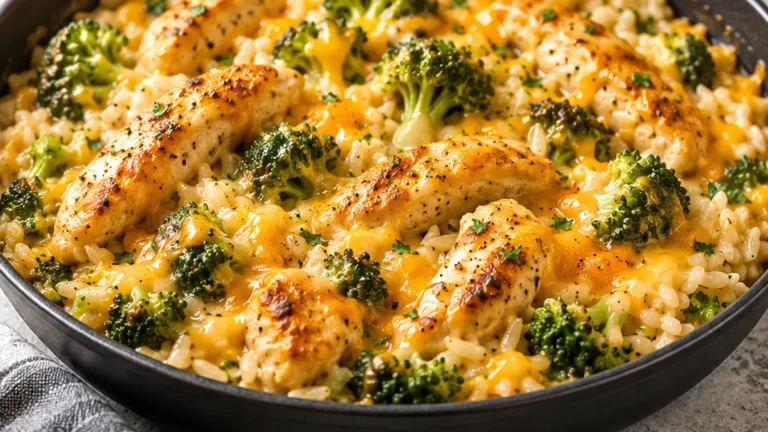
Try this next: One-Pan Cheesy Chicken & Broccoli Rice!
More from Gluten-Free Dinners & Mains →