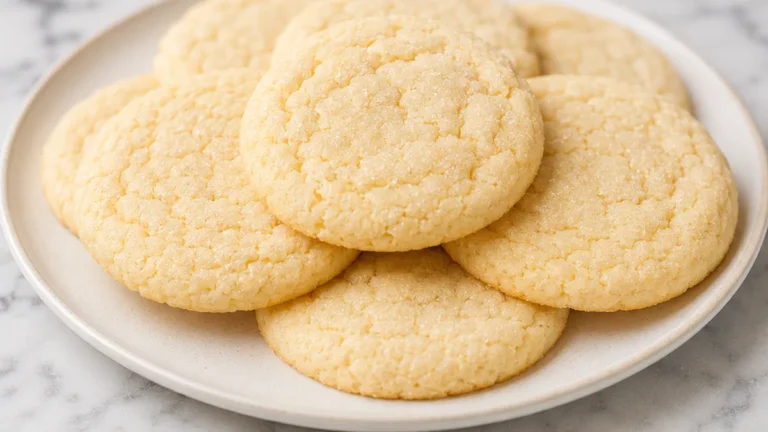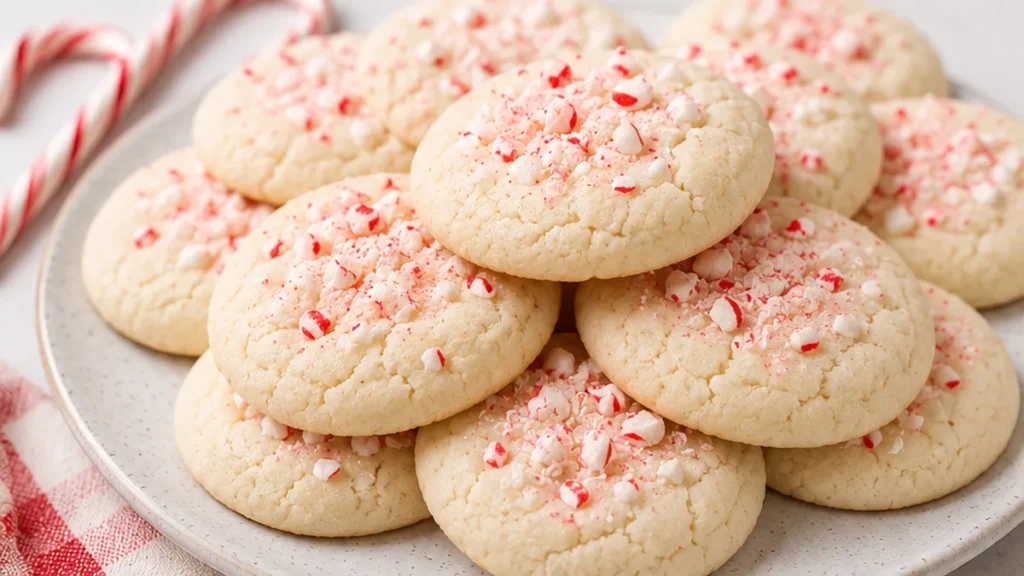
These peppermint meltaways are a gluten-free holiday cookie. This recipe ensures a tender crumb and a refreshing peppermint flavor.
Key takeaways
- The high fat content and powdered sugar create a tender, melt-away texture.
- Room temperature butter is essential for proper creaming and emulsion.
- Avoid over-mixing the dough once the flour is added to prevent toughness.
- Gentle handling and a short, low-temperature bake preserve the delicate texture.
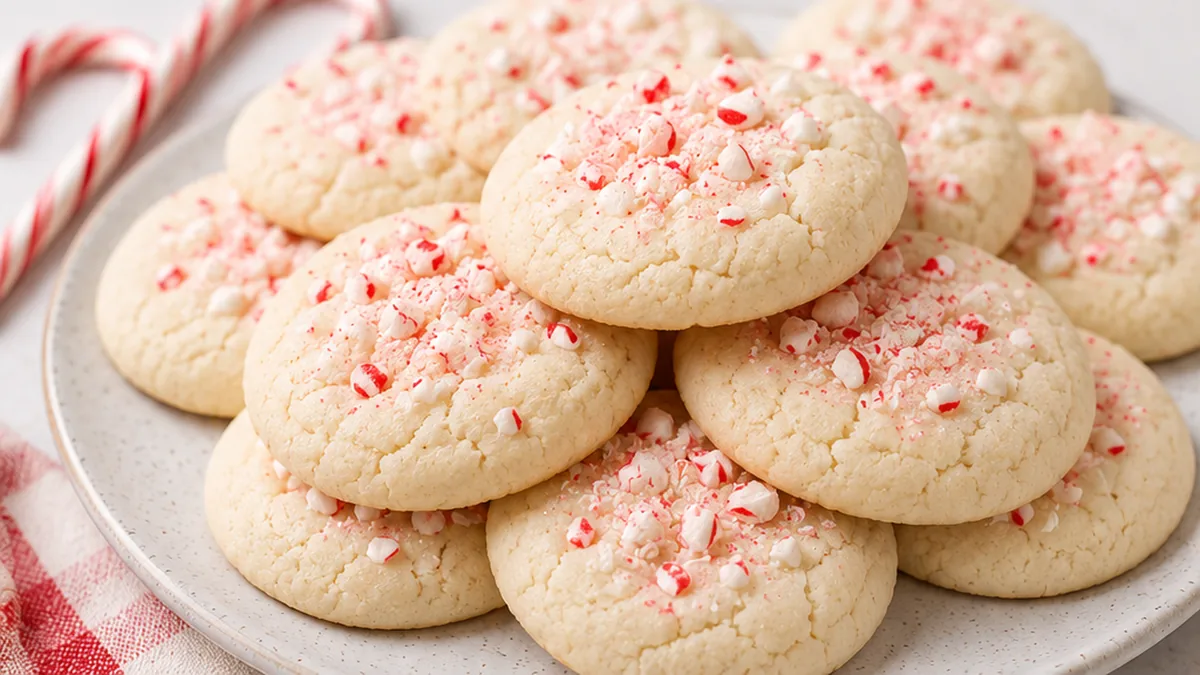
Melt-in-Your-Mouth Peppermint Cookies
Ingredients
Method
- Preheat the oven to 350°F. Line baking sheets with parchment paper.
- In a medium bowl, whisk together the gluten-free flour, cornstarch, baking powder, and salt.
- In a stand mixer, cream butter and powdered sugar for 2-3 minutes until light and fluffy.
- Add the egg, peppermint extract, and vanilla extract; mix until fully incorporated.
- Slowly add dry ingredients to wet ingredients and mix until well-combined.
- Scoop 1 tablespoon of dough per ball, roll smooth, and place on the prepared baking sheet 2 inches apart.
- Bake for 11-13 minutes, until the cookies are set.
- Cool on baking sheets for 10 minutes, then transfer to a wire rack to cool completely.
Notes
– Don’t overmix the dough once the flour is added; mix just until combined to keep the cookies tender.
– For a vibrant presentation, you can roll the cooled cookies in additional powdered sugar mixed with a tiny drop of red food coloring for a pink hue, or drizzle with melted white chocolate and sprinkle with crushed candy canes.
– Store the finished peppermint meltaways in an airtight container at room temperature for up to a week, or freeze for up to 3 months. Nutrition information is an estimate, calculated automatically. Values vary with brands, substitutions and portion sizes.
The Science Behind the Melt
The signature melt-in-your-mouth texture of these peppermint cookies hinges on a few key factors rooted in baking science. Firstly, the high ratio of fat (butter and powdered sugar) to flour is critical. Powdered sugar, unlike granulated sugar, is already finely ground and contains cornstarch, which helps to tenderize the dough by interfering with gluten development and absorbing moisture. The butter, softened to room temperature, creams effectively with the powdered sugar, incorporating air for a lighter texture and creating an emulsion that binds the ingredients. This emulsion is crucial; it prevents the butter from separating during mixing and baking, ensuring a smooth, cohesive dough. Secondly, the use of cornstarch in addition to gluten-free flour further breaks down gluten strands, contributing to a tender crumb that dissolves on the palate. Baking powder provides lift, but over-mixing after its addition can deflate the dough, so gentle handling is key. Finally, the relatively low baking temperature and short baking time prevent these delicate cookies from becoming crisp or browned, preserving their signature soft, melt-away quality.
Troubleshooting
- Cookies spread too much: Ensure your butter was not too soft (melty) when creaming with the sugar. Chilling the dough for 30 minutes before baking can also help control spread.
- Cookies are tough or dry: You may have over-mixed the dough after adding the flour, developing too much gluten (even in a GF blend). Measure your flour accurately by weight if possible, and mix only until just combined.
- Peppermint flavor is too weak or too strong: Peppermint extract potency can vary. Start with the recommended amount and taste a tiny bit of the raw dough (if comfortable doing so). Adjust slightly if needed, but remember the flavor intensifies slightly during baking.
- Cookies are crumbly and won’t hold shape: The dough might be too dry. Ensure all ingredients are accurately measured, especially the flour. A slightly wetter dough will hold its shape better.
Substitutions
- Gluten-free flour blend: A standard all-purpose flour blend can be used if gluten is not a concern. The texture will be slightly chewier but still delicious.
- Butter: A high-quality vegan butter substitute can be used for a dairy-free version. Ensure it is firm at room temperature for proper creaming. The texture might be slightly less rich.
- Peppermint extract: For a less intense mint flavor, reduce the extract to ½ teaspoon or use a combination of peppermint and a touch more vanilla extract.
- Powdered sugar: While not ideal, a finely ground granulated sugar can be used in a pinch, but it will result in a crisper cookie with a slightly different texture due to the lack of cornstarch present in most powdered sugars.
Pro tips
- Make sure your butter is truly at room temperature; this is crucial for achieving that light, fluffy texture when creamed with the powdered sugar.
- Don’t overmix the dough once the flour is added; mix just until combined to keep the cookies tender.
- For a vibrant presentation, you can roll the cooled cookies in additional powdered sugar mixed with a tiny drop of red food coloring for a pink hue, or drizzle with melted white chocolate and sprinkle with crushed candy canes.
- Store the finished peppermint meltaways in an airtight container at room temperature for up to a week, or freeze for up to 3 months.
These delightful gluten-free peppermint meltaways are sure to become a cherished part of your holiday baking tradition. Enjoy the simplicity and the incredible flavor of these festive treats!
Frequently asked questions
Why are my cookies spreading too much?
Over-spreading is often caused by butter that is too soft or even melted when creamed with the sugar. Ensure your butter is softened but still holds its shape. Chilling the dough before baking can also firm it up and prevent excessive spreading.
Can I use granulated sugar instead of powdered sugar?
While you can substitute granulated sugar, the texture will change significantly. Powdered sugar contains cornstarch and is finely milled, contributing to the cookie’s tenderness and melt-away quality. Granulated sugar will result in a crisper cookie.
My cookies taste bland. How can I boost the flavor?
Ensure you are using a good quality peppermint extract, as potency varies. Taste the dough before baking (if you are comfortable doing so) and adjust the extract slightly if needed. Remember that flavors can concentrate slightly during baking.
Why are my peppermint meltaways tough?
Toughness usually results from over-developing gluten. Even with gluten-free flour, over-mixing after adding the dry ingredients can toughen the dough. Mix only until the ingredients are just combined for the most tender result.
Try this next: Mint Brownies: Fudgy & Irresistible!
More from Gluten-Free Desserts & Sweets →