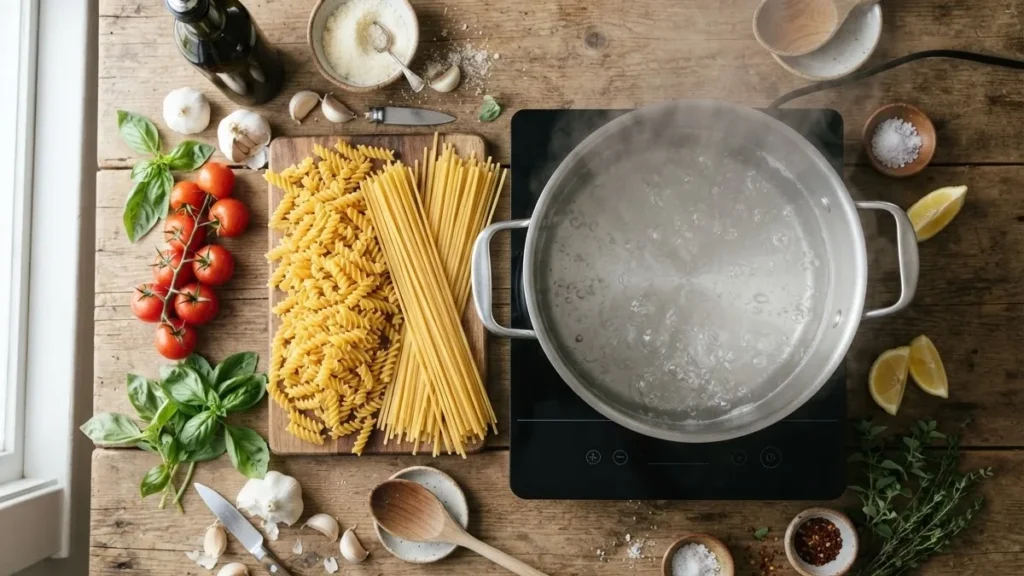
The trick to how to cook gluten free pasta is to stop treating it like wheat pasta. Use a big pot with at least 4 to 6 liters of water per 500 g, salt it well, wait for a rolling boil, then stir often for the first 2 min so nothing clumps. Start tasting at 7 min and drain the second it turns tender, since these noodles slide from firm to mushy fast. Save 120 ml of the starchy water, skip rinsing for hot dishes, and sauce it right away.
Why gluten free pasta turns to mush so fast
Wheat pasta has a gluten web that holds each strand together and gives you a wide margin for error. Rice, corn, and bean noodles have no such web. Their starch swells, softens, and then collapses, and the gap between perfect and ruined can be under 90 seconds. That is why the same box that seemed foolproof last week gives you a gummy pile this week if you wander off.
In my kitchen the biggest fix was simple: I stopped trusting the box. Package times are written for one brand of water, one pot, and one altitude, and they almost always run long for gluten free shapes. I now treat the printed number as the latest possible moment, not the target. If a bag says 11 min, I am tasting at 7 min and usually draining around 8 or 9. That one habit saved more dinners than any fancy tool ever did.
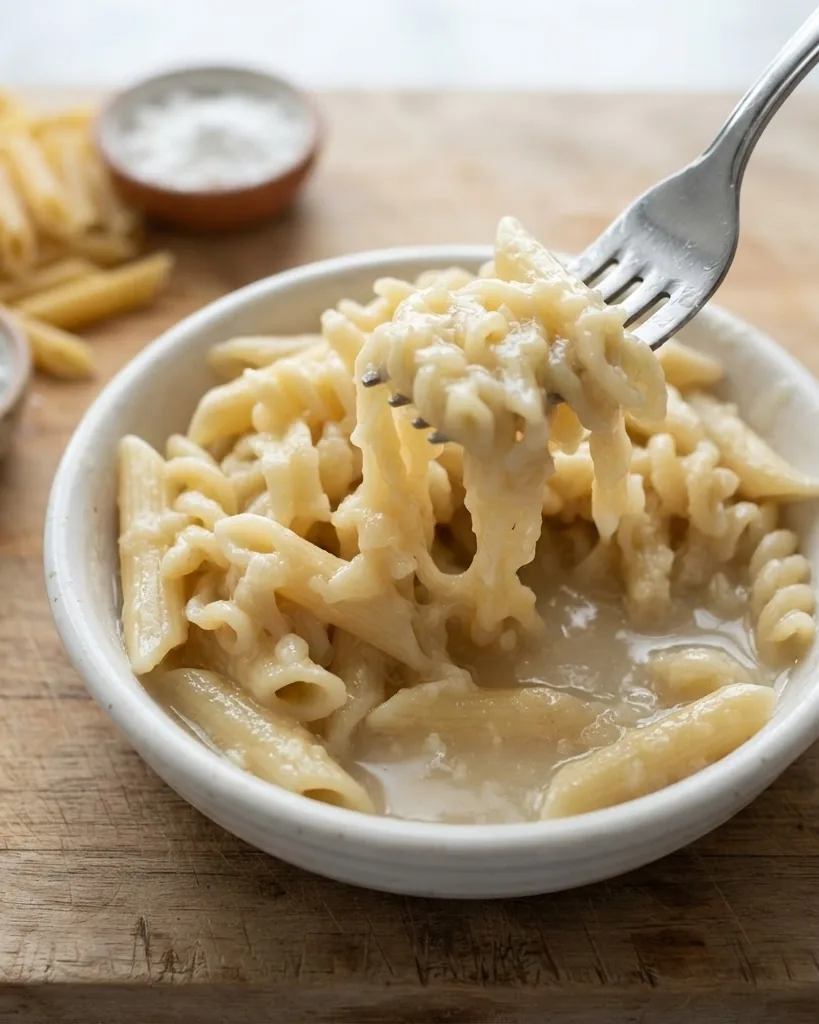
The 7 steps to cook it right every time
Here is the exact order I follow. Nothing here is fussy, but the sequence matters, and skipping the early stir or the early taste is where most people lose the batch. Read it once before you drop the noodles so you are not scrambling later.
- Fill a large pot. Use 4 to 6 liters of water for every 500 g of dry pasta. Crowded noodles trade sticky starch and clump.
- Salt it well. Add roughly 1 to 2 tablespoons of salt once it boils. The water should taste like mild sea water; that is your only chance to season the noodle itself.
- Reach a true rolling boil. Add pasta only when the surface rolls hard. A weak simmer lets shapes sink and fuse to the bottom.
- Stir the first 2 min. Stir constantly for about 30 seconds, then often for two minutes, when the surface is stickiest.
- Lower or vent the heat. Keep a strong boil without a foam-over. Legume shapes especially like to climb the pot.
- Taste early and often. Start at 7 min. Pull a piece, bite it, and look for tender with the faintest firm center.
- Drain instantly. Do not let it sit in the colander. Reserve 120 ml of water first, then sauce or oil it right away.
If you want a shape that behaves more like fresh wheat pasta, filled options such as my gluten-free ravioli follow the same rules but need an even gentler boil so the seams do not split. Treat delicate shapes with a lower, calmer bubble.
Water, salt, and the rolling boil that actually matter
Volume is not a suggestion. Gluten free noodles shed a lot of loose starch, and a small pot concentrates it into glue. A generous 4 to 6 liters per 500 g dilutes that starch so strands stay separate and the water bounces back to a boil quickly after you add the pasta. If you only have a medium pot, cook half a bag at a time instead of crowding it.
Salt does two jobs. It seasons the strand from the inside, which you cannot fix later with a salty sauce, and it gives the water a cleaner flavor. It does not meaningfully raise the boiling point at kitchen amounts, so do not count on it to cook faster. I use a scant 2 percent of the water weight in salt, which lands near 1 to 2 tablespoons for a full pot. Add it after the boil so it dissolves fast and does not pit the pot.
The rolling boil keeps shapes moving so they cannot weld together in the first minute. Once the pasta is in, drop the heat just enough to hold a steady, vigorous boil without foam pouring over the rim. A lid cracked open helps you find that line. Bean and lentil pastas foam the most, so watch those closely and keep a wooden spoon across the rim to break the bubbles.
Cook times by pasta type
Not all gluten free noodles behave alike, and the base grain changes both the timing and the texture. Rice is the mildest and closest to classic semolina. Corn is sturdier and slightly sweet. Legume pastas pack the most protein but overcook the fastest. Use the table as a starting range, then trust your teeth over any printed number, because brand and shape swing these times by a minute or two.
| Pasta type | Rough cook time | Notes |
|---|---|---|
| Brown rice | 8 to 11 min | Mild and slightly chewy, closest to wheat. Mushes fast once past tender, so taste at 7 min. |
| White rice | 7 to 10 min | Softer and more delicate than brown. Great for light sauces; drain the moment it bends. |
| Corn or corn-rice blend | 7 to 9 min | Sturdy and a little gritty. Holds up to heavy, chunky sauces without falling apart. |
| Chickpea or lentil | 6 to 9 min | Dense, nutty, and high protein, near 20 to 25 g per 100 g. Foams and boils over; undercook slightly. |
| Quinoa blend | 6 to 8 min | Earthy with a firm bite. Stir well early because it clumps more than rice. |
Notice that legume pastas sit at the short end. They can go from perfect to a gummy paste in well under a minute, so I set a timer for the low number and taste from there. If you are new to bean pasta, aim for a firmer bite than feels right; it keeps softening on the plate under a hot sauce.
Rinse, reserve, and sauce like you mean it
Rinsing is where good noodles die. For any hot dish, do not rinse. The thin starch coating on the surface is what grabs the sauce and pulls it onto every strand. Rinse cold water over the pasta only when you are building a cold pasta salad, where you want to stop the cooking and keep pieces loose. Even then, rinse briefly and drain hard, because standing water dilutes your dressing later.
Before you drain, scoop out 120 ml of the cloudy cooking water. That liquid is loaded with starch and salt, and it loosens a thick sauce while helping it cling. Gluten free pasta drinks up sauce more than wheat pasta does, so a splash of this water keeps the dish glossy instead of dry. Add it a little at a time as you toss, and stop when the sauce coats the back of a spoon.
Sauce immediately, in the pot or a warm bowl, and serve without delay. If your sauce is not ready, toss the drained noodles with a spoon of olive oil to keep them from fusing. For long, tender shapes I lean on quick, brothy sauces; the same trick works for my gluten-free egg noodles, which love a light butter and pasta-water glaze. Plated pasta waits for no one, so have the table set first.
Gluten free labeling: what FDA and Celiac Disease Foundation say
If you cook for someone with celiac disease, the label is as important as the boil. According to the FDA, a product can only say gluten-free when it contains less than 20 ppm of gluten, the lowest level that current validated tests can reliably detect. That rule, set under 21 CFR 101.91, covers pasta the same way it covers bread, so a bag marked gluten-free has been held to that ceiling.
The Celiac Disease Foundation supports this under-20 ppm standard, noting that most people with celiac disease stay well below the threshold that triggers damage, though personal sensitivity varies. The practical takeaway is to buy pasta that carries the gluten-free claim or a third-party certification rather than guessing from the grain alone. Corn and rice are naturally gluten free, but shared equipment can still add trace wheat.
Cross-contact is the quiet risk in a mixed kitchen. Use a clean pot, fresh water, and a colander that has not just drained wheat pasta. I keep a separate strainer for gluten free nights and wipe the stovetop first. None of this is hard, but it is the difference between a safe plate and an accidental glutening for a sensitive guest.
Storing and reheating leftovers without ruining them
Cooked gluten free pasta keeps in an airtight container in the fridge for about 3 to 5 days. It firms up cold as the starch sets, which is normal. If you know you will have extra, slightly undercook the batch you plan to save so it has room to soften on the reheat. Toss leftovers with a little oil or sauce before chilling so they do not lock into one solid clump overnight.
Reheat gently and only once. Repeated trips through heat break the fragile starch and leave you with paste. My best method is a quick steam: add the cold pasta to a pan with about 1 tablespoon of reserved water or broth per cup, cover, and warm it for roughly 60 seconds so the starch can partly re-soften. A microwave works too if you add a splash of water and cover it to trap steam.
For longer storage you can freeze cooked, sauced portions for up to 2 months, though texture suffers more than with wheat pasta. Thaw in the fridge overnight and reheat with extra liquid. Honestly, gluten free pasta is at its best the day you cook it, so I plan portions to match the meal and save the freezer trick for hearty baked dishes where a softer bite goes unnoticed.
How to test for doneness the right way
Forget the throw-it-at-the-wall trick; it tells you nothing useful with gluten free noodles. The real test is your teeth. From 7 min on, fish out one piece every 30 to 45 seconds, cool it for a moment, and bite through the middle. You want tender all the way with just a whisper of firmness at the very center, not a hard white core and not a soft paste. That center firmness will vanish in the sauce.
Look at the cut end of a strand or tube as you bite. A raw core shows as a pale dot in the middle; when that dot nearly disappears, you are within seconds of done. With bean and lentil shapes I pull them a touch earlier, while the dot is still faintly visible, because they keep cooking hard from residual heat. Rice shapes give you a slightly wider window, but not by much, so keep tasting rather than trusting the clock alone.
Texture on the plate is the honest judge. If your finished pasta feels perfect in the pot, it is often a shade too soft once a hot sauce hits it and sits for a few minutes. So I aim to drain when the bite is just barely firmer than my ideal. It feels early, it goes against every wheat-pasta instinct, and it is exactly why gluten free dinners come out right.
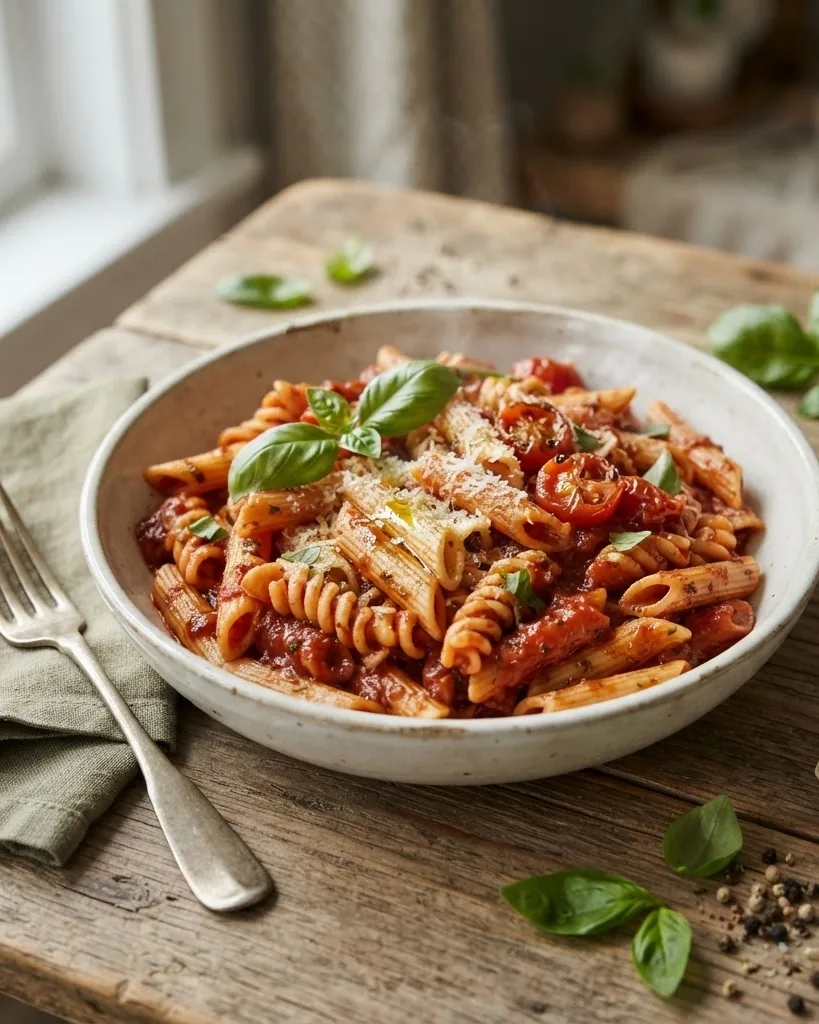
Tools and setup that make it easier
You do not need special gear, but a few choices stack the odds in your favor. A tall, wide pot that holds at least 6 liters gives the water room to keep moving and recover its boil fast. A spider skimmer or long tongs let you lift out a test piece without hauling the whole pot to the sink. And a simple kitchen timer, set to the low end of the range, keeps you honest when the kitchen gets busy.
Salt choice matters less than amount, but coarse kosher or sea salt is easy to measure by feel and dissolves cleanly. Keep a heatproof cup by the stove so you remember to scoop 120 ml of pasta water before you drain; this is the single step people forget most. I also keep a dedicated gluten free colander so I am never draining safe pasta through a strainer that just held wheat. Small habits, fewer disasters.
Heat control is the last piece. An overpowered burner will foam a bean pasta over the rim in seconds, while a weak one lets shapes sink and stick. Learn the setting on your stove that holds a hard boil without a volcano, and mark it in your memory. If foaming still threatens, a wooden spoon laid across the pot or a small splash of cool water knocks the bubbles right back down.
Matching sauces to gluten free pasta
Because these noodles are softer and thirstier than wheat pasta, the sauce you pick changes the outcome. Light, brothy, or oil-based sauces are the safest partners; they cling with help from that reserved 120 ml of starchy water and do not weigh the strands into mush. Think garlic and oil, a quick tomato, brown butter, or a thin pan sauce finished off the heat. These let the pasta stay the star instead of dragging it down.
Cream and cheese sauces work too, but they thicken fast and can gum up a delicate rice noodle if you overdo it. Build the sauce first, keep it looser than you think you need, and fold the drained pasta in for only a minute so it warms without softening further. Add pasta water by the spoonful to keep everything glossy. For a heartier chickpea or lentil shape, a chunky ragu or roasted vegetable sauce stands up beautifully to the sturdier bite.
One rule saves every sauce: finish the pasta in the pan, not on the plate. Move the just-drained noodles straight into the warm sauce, toss for under a minute, loosen with pasta water, and serve. This short marriage lets the starch and sauce bond without extra cooking time. It is the same move that makes restaurant wheat pasta shine, and it matters even more when the noodle underneath has no gluten to protect it.
Baked gluten free pasta dishes
Baked dishes like lasagna or a cheesy pasta bake need a different plan, because the noodles keep cooking in the oven. Undercook the pasta hard for these, pulling it 2 to 3 min before tender so it finishes in the sauce without turning to mush. Rice and corn shapes hold up best here; very delicate white rice noodles can disappear entirely, so save those for stovetop meals.
Extra sauce is your insurance in the oven. Gluten free pasta absorbs liquid greedily as it bakes, so use more sauce than a wheat recipe calls for, roughly a quarter more, and cover the dish with foil for most of the bake to trap moisture. Uncover only at the end to brown the top. A bake that looks a little loose going in usually sets into a perfect, sliceable dish coming out.
Common mistakes I still see
The errors are almost always the same handful. People use too little water, walk away during the first 2 min, trust the box time, let the pasta sit in the colander, or rinse a hot dish and wonder why the sauce slides off. Fix those five and your results jump immediately. Two more quiet mistakes round out the list, and both are easy to skip past when you are busy.
- Adding oil to the water. It coats the noodles and makes sauce slide off later. Save the oil for the drained pasta instead.
- Starting sauce too late. Gluten free noodles will not wait, so have the sauce hot and ready before you drain.
- Over-salting the sauce to fix bland pasta. Season the water instead; you cannot rescue an unsalted strand from the outside.
- Cooking a whole bag in a small pot. Split it if your pot is under 4 liters so the starch stays diluted.
Portions, nutrition, and cold pasta salads
A standard dry portion is about 55 to 85 g per person, and gluten free pasta lands in a similar calorie range to wheat, often near 350 calories per 100 g dry. Legume shapes are the outlier worth knowing: chickpea and lentil noodles pack roughly 20 to 25 g of protein per 100 g and a lot more fiber, so a smaller portion satisfies. If you are cooking for a crowd, weigh the dry pasta rather than guessing, since these shapes swell differently than wheat.
Cold pasta salads are the one time rinsing helps. Cook to just tender, drain, and rinse briefly under cool water to stop the cooking and wash off surface starch that would otherwise glue the salad together. Drain it hard, toss with a little oil, and dress it while the noodles are still cool but not wet. Rice and corn shapes hold their bite best in the fridge; delicate blends soften and are better served warm the day you make them.
Season a cold salad more boldly than a hot dish. Chilling mutes flavor, so a dressing that tasted right in the bowl often reads flat straight from the fridge. Add an extra pinch of salt, a squeeze of acid, and a spoon of that reserved starchy water to keep everything from drying out. Let the salad sit for 15 to 20 min before serving so the noodles drink in the dressing and the flavors settle.
Frequently asked questions
Why does my gluten free pasta always turn to mush?
Usually it is overcooked, crowded, or left sitting after draining. Gluten free shapes lack the gluten net that gives wheat pasta a safety window, so they collapse quickly. Use plenty of water, start tasting at 7 min, drain the moment it turns tender, and sauce it right away instead of letting it rest in the colander where it keeps cooking.
Should I rinse gluten free pasta after cooking?
Only for cold dishes. For any hot, sauced plate, do not rinse, because the surface starch is what helps the sauce grip each strand. Rinse briefly with cool water only when you are making a pasta salad and want to stop the cooking and keep the pieces from sticking together as they cool.
How much water and salt should I use?
Use 4 to 6 liters of water per 500 g of dry pasta and about 1 to 2 tablespoons of salt added after it boils. The extra water dilutes the loose starch that makes noodles gummy, and the salt seasons the strand from the inside, which you cannot replicate later with a salty sauce.
Is all rice and corn pasta safe for celiac disease?
Not automatically. Rice and corn are naturally gluten free, but shared equipment can add trace wheat. Buy pasta labeled gluten-free, which the FDA holds to under 20 ppm, and look for third-party certification if you are highly sensitive. When in doubt, check with the Celiac Disease Foundation resources and use a clean pot and separate colander to avoid cross-contact at home.