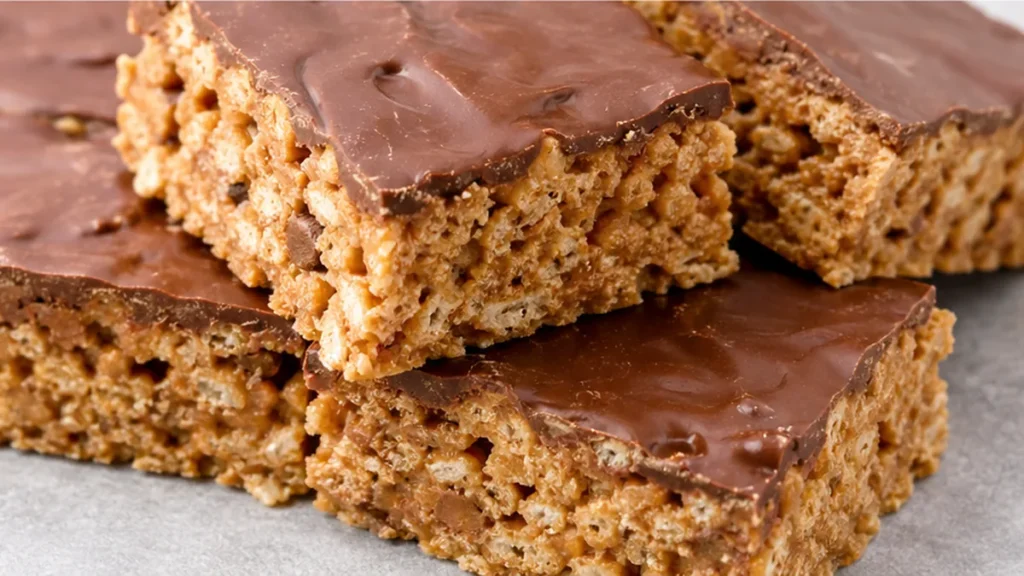
Gluten-free Scotcheroos are the perfect solution for anyone craving a classic treat without the gluten. This no-bake wonder combines crispy rice cereal with a rich peanut butter base, topped with a decadent chocolate and butterscotch layer. The first time I tried making these, I almost let the sugar mixture boil too long, which can make the bars too hard; thankfully, I caught it just in time by watching for the first few bubbles and immediately removing it from the heat. This gluten-free Scotcheroos recipe is simple to follow and delivers a satisfyingly chewy and crispy texture every time, making it ideal for parties, lunchboxes, or a sweet snack. It’s a nostalgic dessert that brings joy with every bite.
Key takeaways
- Use a stable, creamy peanut butter, not a natural/drippy kind.
- Ensure accurate measurements of corn syrup and sugar for proper setting.
- Stir cereal in quickly and evenly to maintain crispness.
- Allow bars to cool completely before cutting for clean edges.
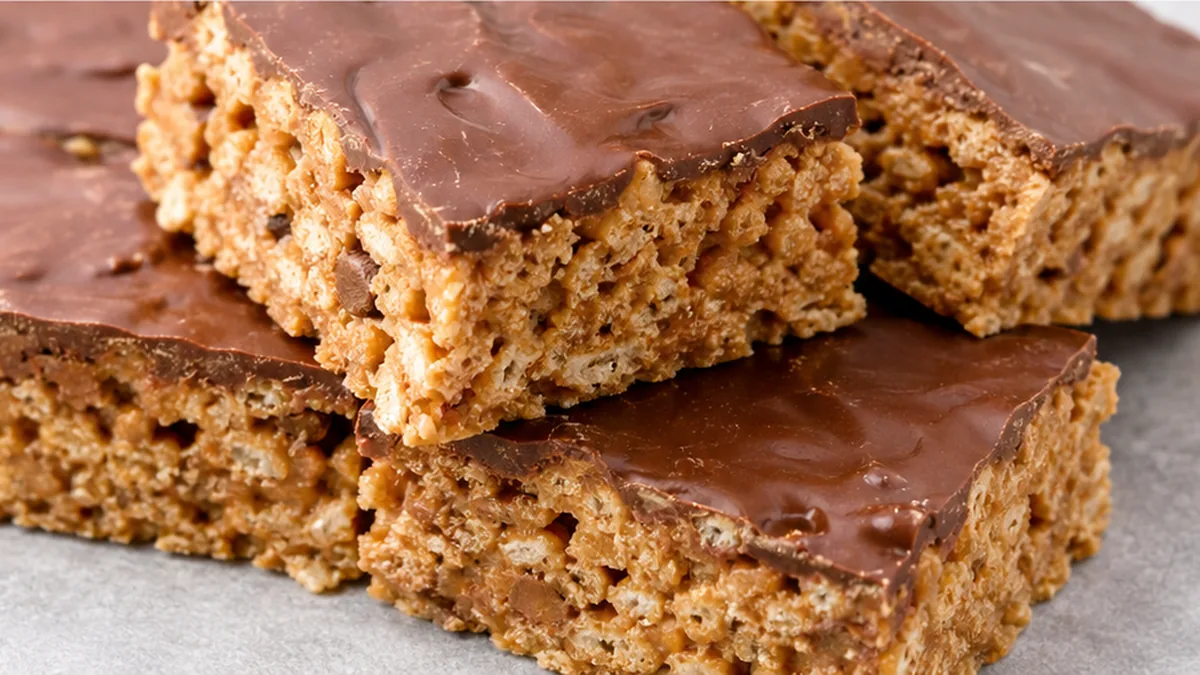
Gluten-Free Scotcheroos: Crispy, Chewy, Irresistible!
Ingredients
Method
- Spray a 9×13” baking pan very well with nonstick spray then set it aside.
- To a large pot, add the corn syrup and sugar. Turn the heat to medium-low then cook while stirring continuously until the sugar dissolves and the mixture just barely begins to simmer. Once you see a few bubbles, turn the heat off then remove the pot from the heat. DO NOT let the mixture simmer or boil, or the Scotcheroos will turn out hard.
- Add the peanut butter and vanilla extract then stir until smooth.
- Add the crisped rice cereal then stir until it’s evenly coated in the peanut butter mixture. Scoop the mixture into the prepared baking pan then press, not pack, into an even layer with a piece of wax paper, or the bottom of a large measuring cup spread with nonstick spray. Set the pan aside.
- To a medium-size glass bowl, add the chocolate and butterscotch chips then microwave in 30-40 second increments, stirring between increments, until smooth and melted. Drizzle the mixture over the top of the bars then use an offset spatula to spread it into an even layer. Let the bars cool for 10 minutes then sprinkle coarse/finishing sea salt on top, if using.
- Cool the Scotcheroos completely then slice into 24 bars and serve. Store the bars covered in the pan on the counter for up to 5 days.
Notes
– Pressing the cereal mixture: Use gentle pressure to press the cereal into the pan. Packing it too tightly can make the bars dense instead of chewy and crispy.
– Storage: Store gluten-free Scotcheroos in an airtight container at room temperature for up to 5 days. For longer storage, freeze individual bars for up to 2 months and thaw at room temperature before serving.
– If your melted chocolate-butterscotch topping seizes, add a teaspoon of coconut oil or shortening and stir vigorously to smooth it out. Nutrition information is an estimate, calculated automatically. Values vary with brands, substitutions and portion sizes.
The Technique: Achieving the Perfect Chewy-Crisp Texture
The magic of Scotcheroos, even in their gluten-free iteration, lies in the precise balance of sugar, corn syrup, and peanut butter, and how they interact with the crispy rice cereal. The high sugar and corn syrup content creates a potent syrup that, when heated, dissolves the sugar crystals. Upon cooling, this supersaturated solution hardens, forming a brittle, glassy matrix. The peanut butter acts as an emulsifier, helping to bind the fats and sugars, and contributes to the chewiness. Crucially, the peanut butter should not be a natural-style, oily variety, as the separated oil can interfere with the setting process and lead to a greasy texture. The gluten-free crispy rice cereal provides the essential structure and crispness. It’s important to stir the cereal into the hot syrup mixture thoroughly but quickly. Overmixing or letting the mixture sit too long before incorporating the cereal can cause the cereal to absorb too much moisture and become soggy rather than maintaining its characteristic crispness. The rapid cooling and setting are key to achieving that signature chewy-yet-crisp texture that defines a great Scotcheroo.
Troubleshooting
- Failure: Scotcheroos are too hard and brittle.
Fix: This usually means the sugar syrup was cooked too long or too hot, evaporating too much liquid. Ensure you are using accurate measurements and stir constantly while heating. Avoid overcooking the syrup mixture before adding the cereal. - Failure: Scotcheroos are greasy or oily.
Fix: This is often caused by using a natural-style peanut butter where the oil has separated. Use a processed, creamy peanut butter that is emulsified and does not require stirring. Ensure all ingredients are at the correct temperature when combined. - Failure: Scotcheroos are too soft or don’t set.
Fix: The syrup may not have been cooked sufficiently, or too much peanut butter was used, which can hinder setting. Double-check your ingredient measurements. Allow the mixture to cool slightly before spreading, but not so long that it begins to harden prematurely. - Failure: Cereal is soggy.
Fix: This can happen if the cereal is added to a syrup that is too hot and left to sit, or if the cereal itself has absorbed moisture. Stir the cereal into the hot syrup quickly and evenly, then press into the pan immediately. Store in an airtight container once completely cooled.
Substitutions
- Substitution: Natural-style peanut butter for creamy peanut butter.
Expected Result: A greasier, less cohesive bar that may not set properly due to oil separation. The texture will be softer and potentially crumbly. - Substitution: Regular wheat-based crispy rice cereal for gluten-free.
Expected Result: The bars will no longer be gluten-free, which is the primary goal of this recipe adaptation. The texture and flavor profile may also be slightly altered due to gluten content. - Substitution: Different nut butters (almond, cashew) for peanut butter.
Expected Result: Flavor will change significantly. Texture might vary depending on the oil content and emulsification of the substitute nut butter. Almond butter may result in a slightly less chewy bar. - Substitution: Different types of gluten-free chips (milk chocolate, white chocolate) for dark or semi-sweet.
Expected Result: The flavor of the topping will change. Milk chocolate will be sweeter, while white chocolate will be much sweeter and have a different melting profile. Ensure they are certified gluten-free.
Pro tips
- The sugar and corn syrup mixture: Do not let it boil vigorously; just a gentle simmer until the sugar dissolves is enough. Overcooking will result in hard, rock-like Scotcheroos.
- Pressing the cereal mixture: Use gentle pressure to press the cereal into the pan. Packing it too tightly can make the bars dense instead of chewy and crispy.
- Storage: Store gluten-free Scotcheroos in an airtight container at room temperature for up to 5 days. For longer storage, freeze individual bars for up to 2 months and thaw at room temperature before serving.
- If your melted chocolate-butterscotch topping seizes, add a teaspoon of coconut oil or shortening and stir vigorously to smooth it out.
These gluten-free Scotcheroos are a fantastic way to enjoy a beloved classic with a simple, no-fuss approach. Give this recipe a try and share your perfectly crispy, chewy creations!
Frequently asked questions
Why do my Scotcheroos turn out too hard?
This often happens if the sugar and corn syrup mixture is cooked too long or at too high a temperature. This evaporates too much liquid, resulting in a brittle candy. Stir constantly and measure ingredients precisely to avoid overcooking.
Can I use natural peanut butter in this recipe?
It is strongly advised against using natural-style peanut butter. The separated oil can interfere with the setting process, leading to a greasy texture and bars that do not hold together well. Stick to processed, creamy peanut butter.
What is the best way to store gluten-free Scotcheroos?
Once completely cooled, store the bars in an airtight container at room temperature. Layering with parchment paper can prevent sticking. They are best enjoyed within a few days for optimal texture.
Why are my Scotcheroos not setting properly?
This could be due to insufficient cooking of the syrup mixture, or using too much peanut butter, which can prevent the sugar from hardening. Double-check your ingredient quantities and ensure the syrup is heated appropriately before adding the cereal.
Try this next: ” Chewy Gluten-Free Molasses Cookies”
More from Gluten-Free Desserts & Sweets →