These coconut flour waffles are the ultimate gluten-free breakfast solution for those seeking a lighter, healthier start to their day. Made with simple ingredients, this recipe delivers incredible texture and flavor in under 30 minutes. Perfect for breakfast or brunch, these coconut flour waffles are a crowd-pleaser that satisfies cravings without the gluten. Enjoy a delightful twist on a classic comfort food.
Key takeaways
- Coconut flour's high absorbency requires a higher liquid-to-flour ratio and adequate resting time for the batter.
- Eggs are essential for binding and structure in coconut flour baked goods.
- Properly preheating and greasing the waffle iron is key to preventing sticking.
- Substitutions are possible, but may slightly alter the final texture and flavor.
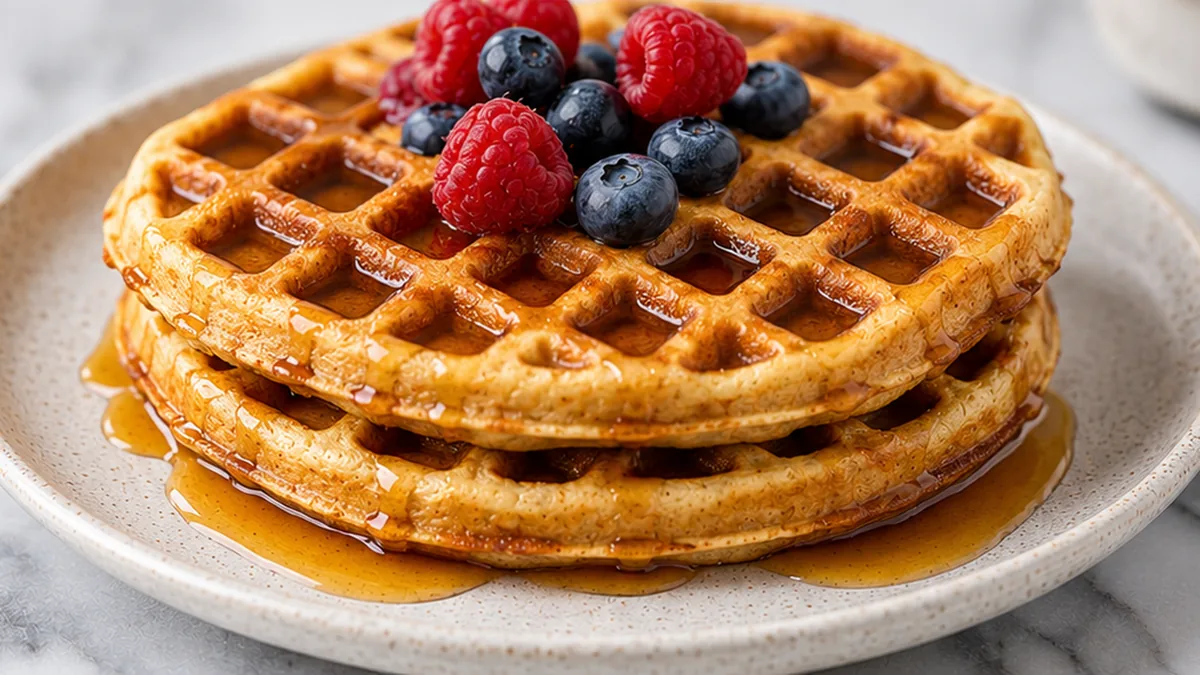
Coconut Flour Waffles: Guilt-Free Breakfast Bliss!
Ingredients
Method
- Preheat your waffle iron to medium-high heat.
- In a medium bowl, whisk together the coconut flour, sugar, baking soda, and salt until well combined.
- In a separate 2-cup measuring cup, whisk together the milk, melted butter, eggs, and vanilla extract.
- Pour the wet ingredients into the dry ingredients and whisk until the batter is smooth and free of lumps.
- Lightly grease the waffle iron and pour approximately 3-4 tablespoons of batter onto the center of each waffle cavity.
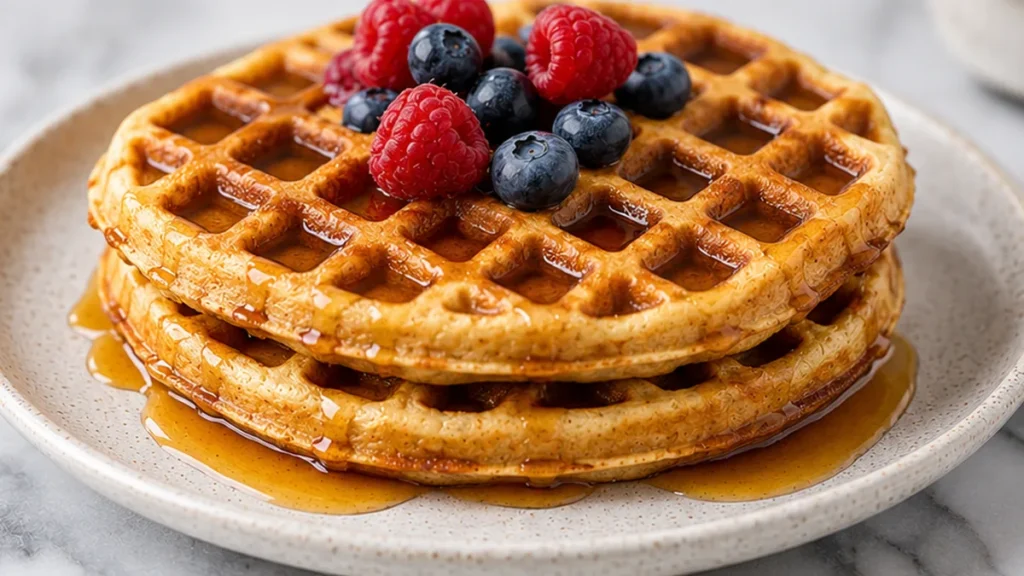
- Cook for 3-5 minutes, or until the waffles are golden brown and crisp. Serve immediately with your favorite toppings.
Notes
– Do not overmix the batter once combined.
– Cook until steam significantly reduces for crispiness. Allergens: Eggs, Tree nuts. Nutrition information is an estimate, calculated automatically. Values vary with brands, substitutions and portion sizes.
The technique that makes it
Creating perfect coconut flour waffles hinges on understanding the unique properties of coconut flour. Unlike wheat flour, coconut flour is highly absorbent and lacks gluten. This means it can quickly lead to dry, crumbly textures if not handled correctly. The key to achieving a tender, cohesive waffle lies in the balance of wet and dry ingredients, and crucially, the role of eggs. The eggs provide structure, binding, and moisture that coconut flour desperately needs. Ensure your eggs are at room temperature; they emulsify better with the other ingredients, creating a smoother batter and a more consistent rise. Whisking the dry ingredients thoroughly before adding the wet helps to distribute the baking soda and salt evenly, preventing pockets of leavening or seasoning. When mixing the wet ingredients into the dry, do so gently. Overmixing can still develop toughness, even without gluten, due to the protein in the eggs. The batter will be thicker than traditional waffle batter, which is normal for coconut flour. Allow the batter to rest for 5-10 minutes before cooking. This resting period allows the coconut flour to fully absorb the liquid, hydrating the flour and preventing a raw, gritty texture in the final waffle. A well-rested batter will yield waffles that are fluffy on the inside and crisp on the outside.
Troubleshooting
- Failure: Waffles are dry and crumbly.
Fix: This is usually due to insufficient liquid or eggs, or not allowing the batter to rest. Ensure you’ve used the full amount of milk and eggs, and let the batter sit for at least 5 minutes before cooking. You might also need to slightly increase the milk in future batches if your coconut flour is exceptionally absorbent. - Failure: Waffles are gummy or dense.
Fix: This can happen if the batter is overmixed, or if the coconut flour wasn’t fully hydrated. Mix the batter only until just combined, and always allow it to rest. Ensure your baking soda is fresh; expired leavening agents can lead to poor rise. - Failure: Waffles stick to the waffle iron.
Fix: Coconut flour waffles can be more prone to sticking. Ensure your waffle iron is adequately preheated and greased. Using a non-stick spray or brushing with melted butter or oil before each waffle is crucial. Don’t try to lift the waffle too soon; let it cook until golden brown and easily releases. - Failure: Waffles lack flavor or are bland.
Fix: Double-check that you’ve included the salt and vanilla extract. These small additions significantly impact the overall taste. You can also adjust the sugar slightly, or add a pinch of cinnamon to the dry ingredients for added flavor complexity.
Substitutions
- Milk: You can substitute the milk with unsweetened almond milk, coconut milk (from a carton, not canned), or another dairy-free milk alternative. The result will be very similar, though a slightly different flavor profile might emerge depending on the milk chosen.
- Butter: Melted coconut oil or a neutral-flavored oil like avocado oil can replace the butter. This substitution works well, maintaining the fat content necessary for a tender waffle. Ensure the oil is melted and slightly cooled before incorporating.
- Sugar: For a sugar-free option, you can use a granulated sugar substitute like erythritol or xylitol (ensure xylitol is kept away from pets as it is toxic to them). The sweetness level will be comparable, but the texture might be slightly different depending on the specific sweetener used.
- Eggs: While eggs are critical for structure in coconut flour recipes, for a vegan version, you could experiment with a flax egg (1 tbsp ground flaxseed + 3 tbsp water, let sit for 5 minutes) or a commercial egg replacer. Be aware that this will significantly alter the texture, potentially making the waffles more delicate or dense.
Pro tips
- Ensure your coconut flour is fresh for the best texture.
- Do not overmix the batter once combined.
- Cook until steam significantly reduces for crispiness.
Enjoy these delightful coconut flour waffles with your favorite fruits, syrups, or whipped cream. Experiment with additions like cinnamon or chocolate chips!
Try this next: Fluffy Coconut Flour Pancakes
More from Gluten-Free Breakfast & Brunch →
Frequently asked questions
Can I make coconut flour waffles ahead of time?
Yes, you can prepare the batter for coconut flour waffles a day in advance and store it in the refrigerator. For already cooked waffles, let them cool completely before storing them in an airtight container in the fridge for up to 3 days, or freeze for longer storage. Reheat in a toaster or oven.
What can I substitute for eggs in coconut flour waffles?
For egg substitutes in coconut flour waffles, you can use a flax egg (1 tbsp flaxseed meal + 3 tbsp water, let sit for 5 minutes) or a chia egg. Depending on the recipe, you might also consider unsweetened applesauce or mashed banana, though these will alter the flavor and texture slightly.
How do I know when coconut flour waffles are done cooking?
Coconut flour waffles are done when they are golden brown and firm to the touch. The edges should be slightly crisp, and they should easily release from the waffle iron. Avoid overcooking, as coconut flour can become dry. Check them after the minimum cooking time suggested by your waffle maker.
What are the best toppings for gluten-free coconut flour waffles?
Excellent toppings for gluten-free coconut flour waffles include fresh berries, a drizzle of pure maple syrup or honey, a dollop of Greek yogurt or coconut cream, and a sprinkle of toasted nuts or seeds. For a savory twist, consider avocado or a fried egg.