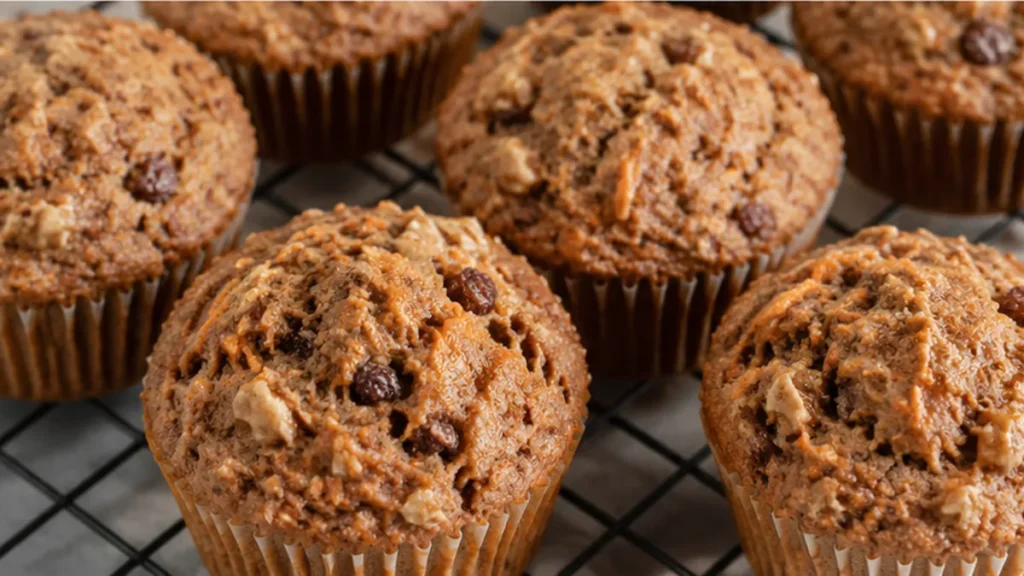
Buckwheat muffins offer a wholesome breakfast or snack. This recipe yields a fluffy texture and rich flavor, making it a favorite for those seeking a healthier option.
Key takeaways
- The combination of buckwheat and almond flour, along with arrowroot starch, provides structure and tenderness in this gluten-free muffin.
- Baking powder and baking soda work together to ensure adequate lift, creating a fluffy texture.
- Applesauce and eggs act as binders and add moisture, contributing to a tender crumb.
- Accurate measurement of ingredients, especially leavening agents and starches, is key to avoiding dense or crumbly results.
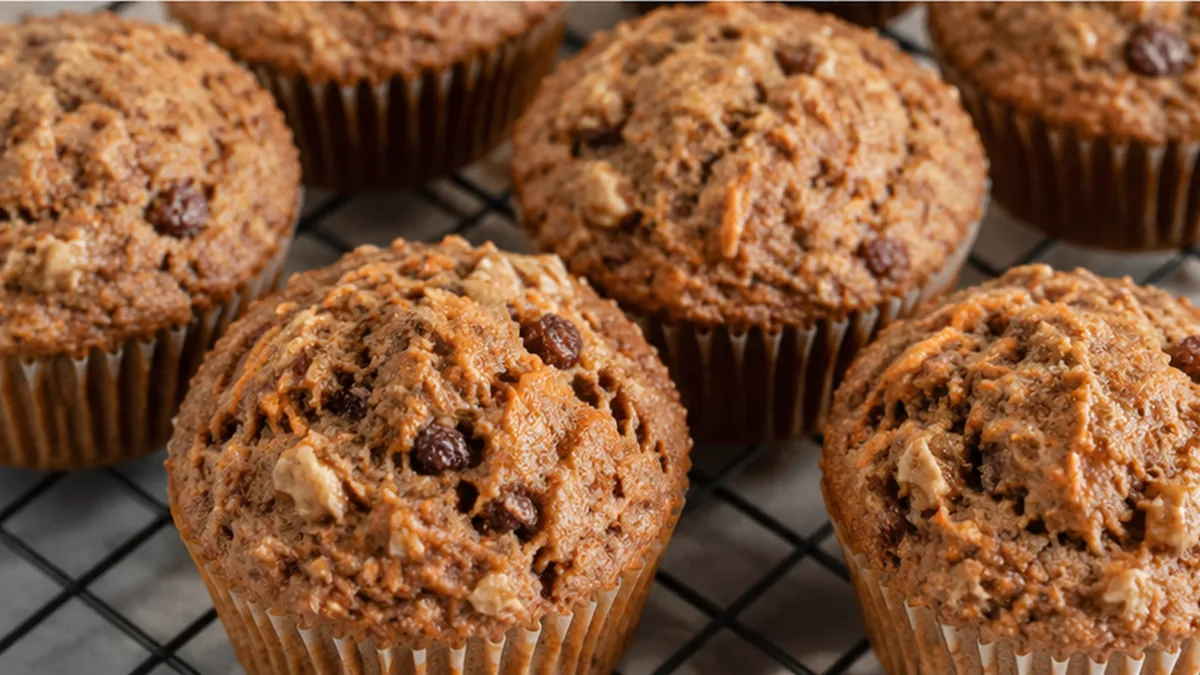
Fluffy Buckwheat Morning Glory Muffins
Ingredients
Method
- Preheat the oven to 350°F. Line a 12-cup muffin pan with liners or spray generously with cooking spray.
- In one bowl, combine the buckwheat flour, almond flour, arrowroot powder, coconut sugar, baking powder, baking soda, salt, and cinnamon. In a separate bowl, whisk together the applesauce and eggs.
- Pour the wet ingredients into the dry ingredients. Stir gently until just combined and no dry streaks remain. Do not overmix.
- Fill each muffin cup 3/4 full with the batter.
- Bake for 20-25 minutes, or until a toothpick inserted into the center of a muffin comes out clean.
- Allow the muffins to cool in the pan for 5 minutes, then transfer them to a wire rack to cool completely.
Notes
– If you don’t have arrowroot powder, tapioca starch is a perfect 1:1 substitute, yielding similar light results.
– These muffins freeze exceptionally well. Once completely cooled, store them in an airtight container in the freezer for up to 3 months. When I need a quick snack, I just microwave a frozen muffin for 20-30 seconds, wrapped in a paper towel, and it’s perfect. Nutrition information is an estimate, calculated automatically. Values vary with brands, substitutions and portion sizes.
The Technique Behind Fluffy Buckwheat Muffins
The key to achieving fluffy buckwheat muffins lies in understanding the properties of the flours used and how they interact with the wet ingredients. Buckwheat flour, while gluten-free, can sometimes lead to dense baked goods because it lacks the gluten-forming proteins found in wheat flour. To combat this, the recipe incorporates almond flour, which adds moisture and a tender crumb, and arrowroot powder (or tapioca starch). Arrowroot and tapioca are starches that act as binders and help create a lighter texture by absorbing liquid and providing structure without toughness. The combination of baking powder and baking soda is crucial for leavening. Baking powder provides a double action of leavening when mixed with liquid and again when heated, while baking soda reacts with acidic components (though this recipe is relatively neutral, the applesauce provides a slight acidity) to produce carbon dioxide gas, further aiding in lift. Proper mixing is important: overmixing can develop toughness in the starches, while undermixing can result in uneven distribution of leavening agents. The wet ingredients, particularly the unsweetened applesauce and eggs, provide moisture and act as emulsifiers, binding the fats and liquids together, which contributes to a moist and cohesive crumb.
Troubleshooting
- Muffins are dense and heavy: This can happen if the leavening agents lose their potency or if there’s insufficient liquid for them to react with. Ensure your baking powder and baking soda are fresh. Also, check that you’ve measured the applesauce accurately; too little can lead to density.
- Muffins are crumbly and fall apart: Insufficient binding can cause this. Ensure eggs are well incorporated and that the arrowroot powder/tapioca starch is evenly distributed. These starches help hold the gluten-free structure together.
- Buckwheat flavor is too strong: While buckwheat has a distinct earthy flavor, it can be masked by other ingredients. Ensure you’ve used the full amount of cinnamon and consider adding a touch of vanilla extract (though not in the original recipe) if a milder flavor is desired.
- Muffins are gummy: This often indicates underbaking or too much starch relative to flour. Ensure the muffins are baked until a toothpick inserted into the center comes out clean. Double-check your measurements for arrowroot/tapioca starch.
Substitutions
- Buckwheat flour: For a similar texture, you could try a gluten-free all-purpose flour blend that contains xanthan gum, though the flavor profile will change. Spelt flour can be used if gluten is not an issue, but the texture will be slightly different.
- Almond flour: Finely ground oat flour or sunflower seed flour can be used. This will alter the richness and moisture content slightly, potentially requiring a small adjustment in liquid.
- Arrowroot powder (or tapioca starch): Cornstarch can be used as a substitute. The results will be very similar in terms of binding and texture.
- Coconut sugar: Light or dark brown sugar can be substituted 1:1. Granulated sugar can also be used, but it may result in a slightly less moist muffin.
Pro tips
- To ensure a moist texture, avoid overmixing the batter once wet and dry ingredients are combined; stir only until no dry streaks remain.
- If you don’t have arrowroot powder, tapioca starch is a perfect 1:1 substitute, yielding similar light results.
- These muffins freeze exceptionally well. Once completely cooled, store them in an airtight container in the freezer for up to 3 months. When I need a quick snack, I just microwave a frozen muffin for 20-30 seconds, wrapped in a paper towel, and it’s perfect.
These buckwheat muffins offer a delicious and nutritious way to start your day or enjoy a guilt-free treat. Experiment with adding grated carrots or raisins for extra flavor and texture. Happy baking!
Frequently asked questions
Why are my buckwheat muffins dense?
Dense muffins can result from outdated leavening agents (baking powder/soda), insufficient liquid from the applesauce, or overmixing the batter, which can toughen the starches. Ensure your leavening agents are fresh and measure the applesauce accurately.
Can I use a different flour instead of buckwheat?
Yes, you can substitute a gluten-free all-purpose flour blend. However, this will change the distinct earthy flavor of the muffins. If gluten is not an issue, spelt flour is another option, though the texture may vary slightly.
What happens if I omit the almond flour?
Omitting almond flour might lead to a denser, less tender muffin, as it contributes moisture and a softer crumb. You could try replacing it with finely ground oat flour or sunflower seed flour, but expect a slight change in texture and richness.
How do I know when the muffins are fully baked?
Insert a toothpick or a thin skewer into the center of a muffin. If it comes out clean with no wet batter attached, the muffins are done. A few moist crumbs are perfectly fine.
Try this next: Bursting Lemon Poppy Seed Muffins
More from Gluten-Free Breakfast & Brunch →