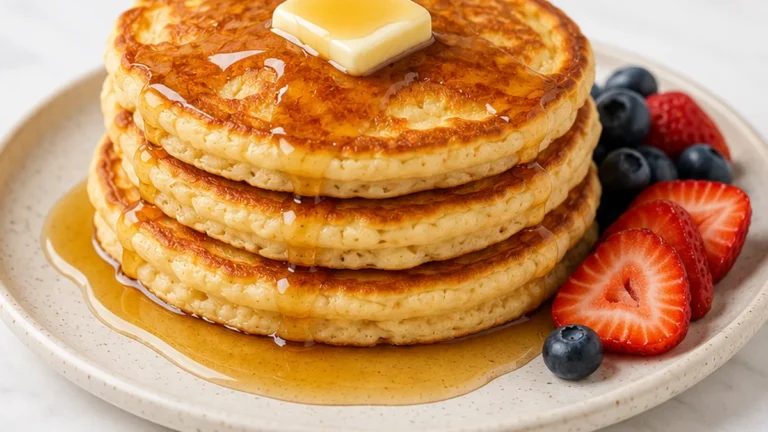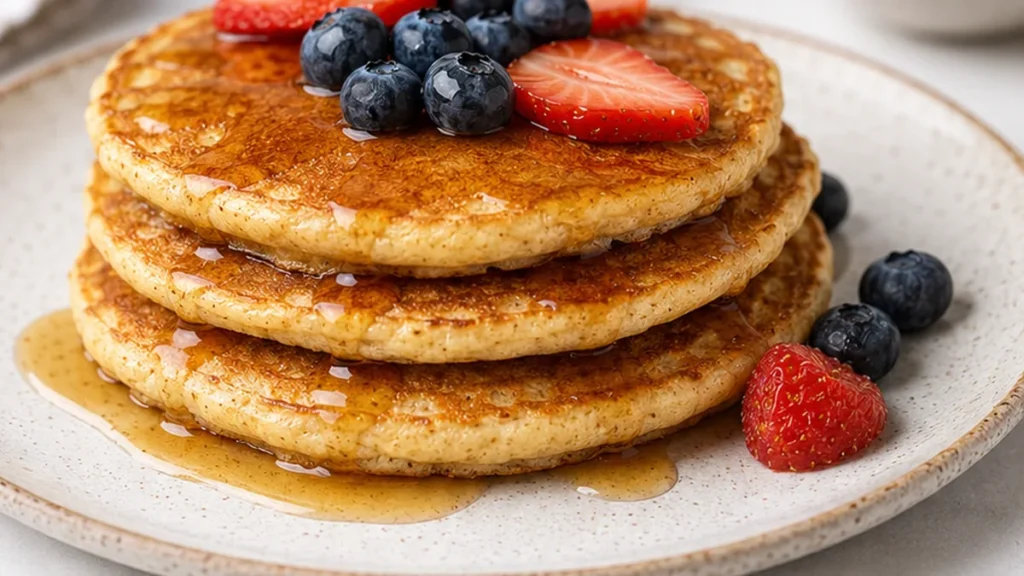
These coconut flour pancakes are the ultimate gluten-free breakfast solution for anyone craving fluffy, moist, and delicious morning treats. Forget dry, crumbly alternatives; this recipe uses simple ingredients to achieve a perfect texture and taste that will satisfy everyone. Ideal for a quick weeknight breakfast or a leisurely weekend brunch, these coconut flour pancakes are surprisingly easy to make. They are naturally dairy-free and packed with wholesome ingredients, making them a healthier choice without sacrificing flavor.
Key takeaways
- Coconut flour requires adequate liquid and leavening (baking powder/soda) for fluffiness.
- Allow batter to rest for 5 minutes to fully hydrate the coconut flour and prevent dryness.
- Gentle mixing is key; avoid overcombining after adding dry ingredients.
- Tapioca starch aids in binding and texture; substitutions like arrowroot or cornstarch are possible.
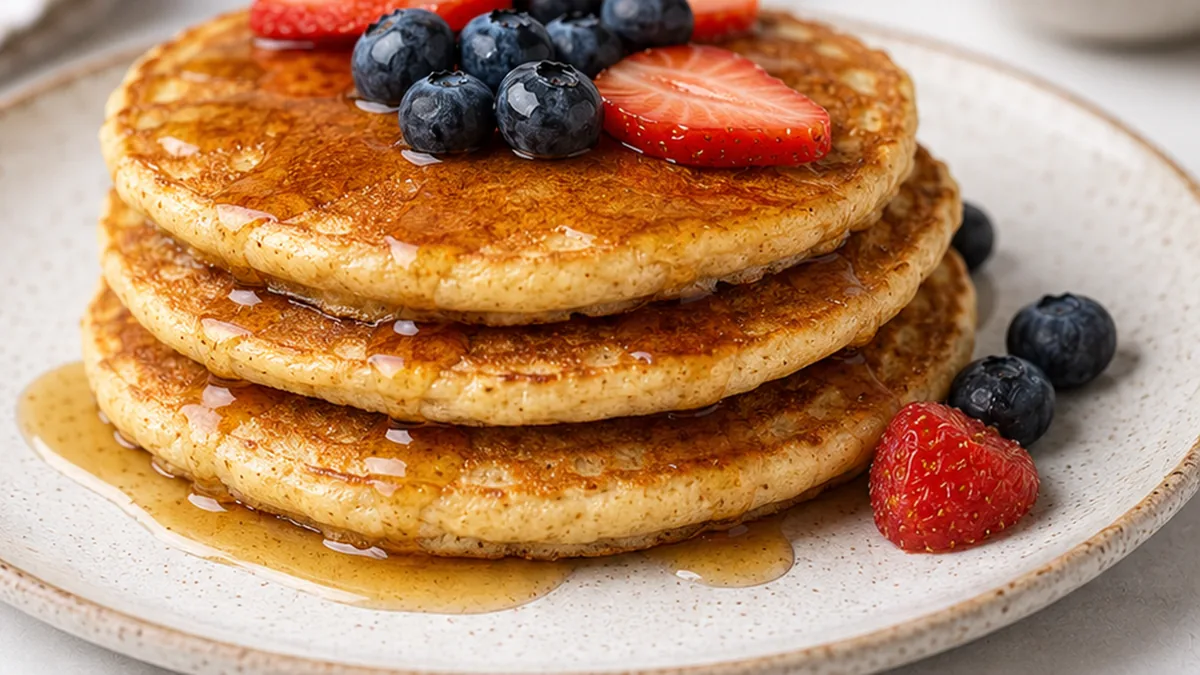
Fluffy Coconut Flour Pancakes
Ingredients
Method
- Gather and measure all ingredients.
- In a medium bowl, whisk together the coconut flour, tapioca starch, baking powder, baking soda, and salt until fully combined and lump-free.
- In a separate bowl, whisk together the eggs, oat milk, neutral oil, maple syrup, and vanilla extract.
- Add the dry ingredients to the wet ingredients and stir until smooth. Let the batter rest for 5 minutes.
- Heat a lightly greased skillet over medium-low heat. Pour about ¼ cup of batter per pancake onto the skillet.
- Cook until bubbles form on the surface and the edges look set, about 2-3 minutes. Carefully flip and cook for another 2 minutes.
- Serve warm with your favorite toppings.
Notes
– Don’t overmix the batter after adding dry to wet ingredients; a few small lumps are okay.
– Adjust heat on the skillet to medium-low to prevent burning before the inside cooks. Allergens: Eggs. Nutrition information is an estimate, calculated automatically. Values vary with brands, substitutions and portion sizes.
The technique that makes it
The key to achieving fluffy coconut flour pancakes lies in understanding how coconut flour behaves. Unlike wheat flour, coconut flour is highly absorbent and contains no gluten. This means it needs adequate liquid and leavening to create a light texture. The combination of baking powder and baking soda is crucial. Baking powder provides a double-acting lift, releasing gas when mixed with liquid and again when heated. Baking soda, an alkali, reacts with any slightly acidic components (even trace amounts in oat milk or maple syrup) to produce carbon dioxide, further enhancing the rise. The tapioca starch acts as a binder and contributes to a tender crumb, helping to offset the potential dryness of coconut flour. Ensuring the batter rests for a few minutes before cooking allows the coconut flour to fully hydrate, preventing a gummy texture and promoting even cooking. Overmixing after adding the dry ingredients can develop toughness, so a gentle fold is recommended.
Troubleshooting
- Pancakes are dense or dry: This often happens if the coconut flour hasn’t fully absorbed the liquid. Ensure the batter rests for at least 5 minutes before cooking, allowing the flour to hydrate. You may also need to slightly increase the liquid in future batches, as coconut flour absorbency can vary.
- Pancakes are gummy or sticky: Too much coconut flour relative to other ingredients, or insufficient cooking time, can lead to a gummy texture. Ensure accurate measurements of coconut flour and cook each side until golden brown and cooked through. Avoid flipping too early.
- Pancakes fall apart when flipping: This indicates a lack of binding. Ensure eggs are well incorporated and consider letting the batter rest longer. If using a different milk, ensure it’s not too thin. Adding an extra egg yolk can sometimes improve structure.
- Pancakes have a strong coconut flavor: While this recipe uses coconut flour, the flavor is usually mild. If it’s too pronounced, ensure you are using unsweetened coconut flour and consider adding a pinch more salt or a touch more vanilla extract to balance the flavors.
Substitutions
- Tapioca Starch: Arrowroot starch or cornstarch can be substituted 1:1 for tapioca starch. The texture might be slightly different, with arrowroot yielding a slightly crisper edge and cornstarch a more tender crumb.
- Unsweetened Oat Milk: Any unsweetened non-dairy milk like almond, soy, or cashew milk can be used. Dairy milk (whole or 2%) will also work, though the flavor profile will change slightly.
- Neutral Oil: Melted coconut oil (refined for no coconut flavor), avocado oil, or light olive oil can be used. The choice of oil may impart a subtle flavor.
- Maple Syrup: Honey or agave nectar can be substituted. Be aware that these sweeteners may alter the flavor and slightly change the moisture content of the pancakes.
Pro tips
- Ensure your coconut flour is fresh for best results.
- Don’t overmix the batter after adding dry to wet ingredients; a few small lumps are okay.
- Adjust heat on the skillet to medium-low to prevent burning before the inside cooks.
Enjoy these delightful coconut flour pancakes as a wholesome breakfast base, and get creative with your favorite toppings. Bon appétit!
Try this next: Dreamy Buckwheat Pancakes: Easy & Delicious!
More from Gluten-Free Breakfast & Brunch →
Frequently asked questions
Can I make coconut flour pancakes ahead of time?
Yes, you can prepare the batter for these coconut flour pancakes the night before. Store it in an airtight container in the refrigerator. Whisk it well before cooking as it may thicken. For already cooked pancakes, let them cool completely before storing in an airtight container in the fridge for up to 3 days.
How do I know when coconut flour pancakes are done?
Cook the pancakes for 2-3 minutes per side. Look for small bubbles forming on the surface and the edges to appear set. Gently flip the pancake; the underside should be golden brown. If it’s still pale or seems unset, cook for another minute before flipping.
What can I substitute for coconut flour in pancakes?
Coconut flour is highly absorbent and cannot be directly substituted 1:1 with other flours like almond flour or all-purpose flour. If you need an alternative, consider a gluten-free all-purpose blend specifically designed for baking, but be prepared to adjust liquid content as recipes will vary.
How should I store leftover coconut flour pancakes?
Allow the pancakes to cool completely before storing. Place them in an airtight container or wrap them tightly in plastic wrap. Store them in the refrigerator for up to 3 days. Reheat gently in a toaster oven, microwave, or on a griddle for best results.