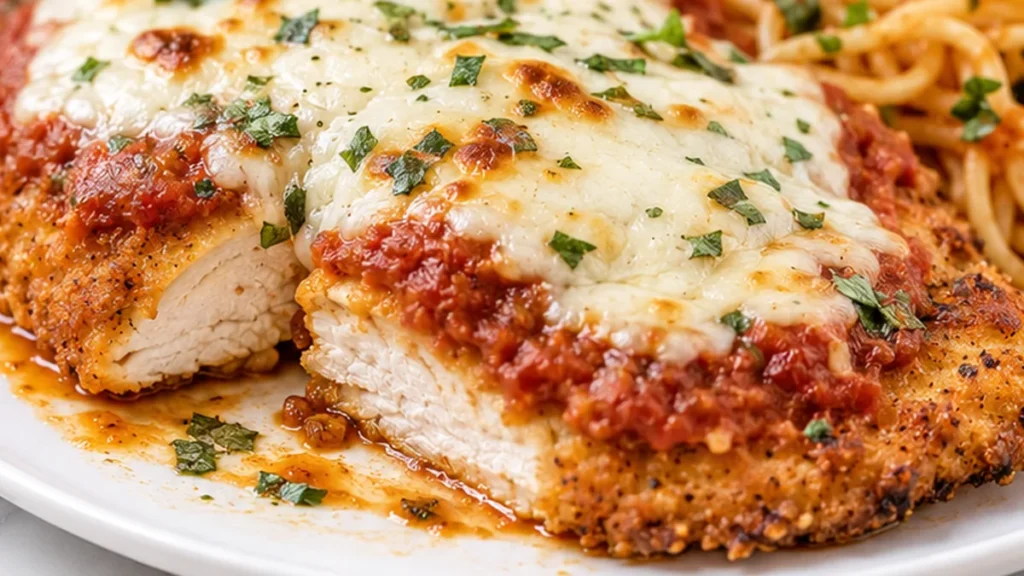
Craving a classic comfort food that fits a gluten-free lifestyle? This chicken parmesan recipe delivers all the satisfying crunch and savory flavor you love, without the gluten. We’ve perfected a method using a blend of gluten-free panko and breadcrumbs, ensuring an incredibly crispy coating that holds up beautifully. Paired with a simple marinara and your favorite sides, this chicken parmesan is destined to become a family favorite.
Key takeaways
- The key to crispy gluten-free chicken parmesan is a proper double-breading technique using gluten-free panko for superior crunch.
- Ensure your frying oil is at the correct temperature (350°F/175°C) and avoid overcrowding the pan.
- Seasoning at each stage, from the chicken itself to the breadcrumb mixture, is crucial for flavor.
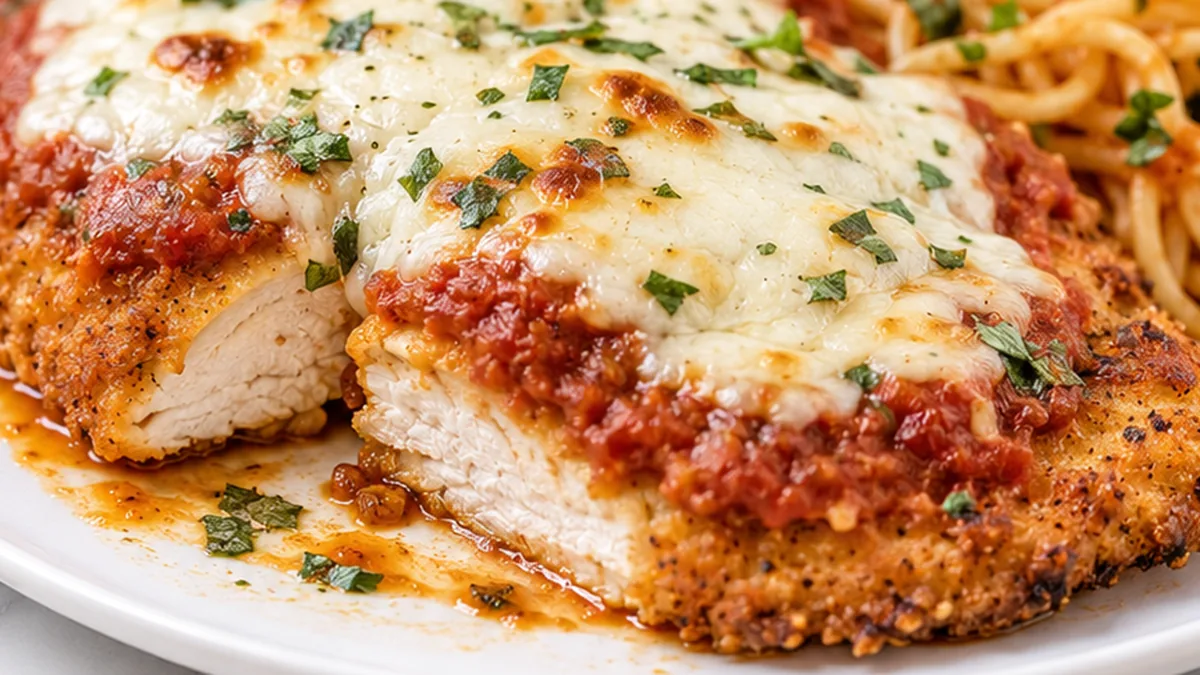
Crispy Gluten-Free Chicken Parmesan Perfection!
Ingredients
Method
- Preheat your oven to 450°F (230°C).
- Whisk the eggs in a shallow bowl or pie pan. Set aside.
- In another shallow dish, combine the gluten-free flour.
- In a third shallow bowl, mix the gluten-free panko, gluten-free bread crumbs, grated Parmesan cheese, garlic powder, onion powder, and Italian seasoning.
- Season the chicken breasts with salt and pepper. Dredge each piece in the gluten-free flour, shaking off any excess.
- Dip the floured chicken into the whisked eggs, letting any excess drip off. Then coat thoroughly with the breadcrumb mixture, pressing gently to adhere. Repeat for all chicken pieces.
- Heat a generous amount of olive oil in a large skillet over medium-high heat until shimmering. Carefully place the coated chicken in the hot oil and cook for about 2 minutes per side until golden brown. The chicken will finish cooking in the oven.
- Transfer the golden-brown chicken to a greased baking dish. Top each piece with 2 tablespoons of marinara sauce. Bake in the preheated oven for 10-15 minutes, or until the chicken is cooked through and the sauce is bubbly.
Notes
– Don’t overcrowd the skillet when searing; cook in batches if necessary.
– For an extra cheesy top, add a sprinkle of mozzarella before the final bake. Allergens: Eggs, Wheat. Nutrition information is an estimate, calculated automatically. Values vary with brands, substitutions and portion sizes.
The technique that makes it
Achieving a truly crispy gluten-free chicken parmesan relies on a few key techniques that ensure a crunchy exterior without a soggy interior. The foundation is the double-breading process, which creates a robust coating. First, the chicken is dredged in gluten-free flour, providing a surface for the egg wash to adhere to. The eggs then act as a binder for the breading mixture. The critical element here is the combination of gluten-free panko and regular gluten-free bread crumbs, along with grated Parmesan cheese, garlic powder, onion powder, and Italian seasoning. Gluten-free panko, with its larger, irregular surface area, is essential for that superior crispness. The grated Parmesan cheese not only adds flavor but also contributes to browning and a slightly crispier crust as it toasts during frying.
The cooking method is equally important. While pan-frying is traditional and yields excellent results, ensuring the oil is at the correct temperature (around 350°F or 175°C) is paramount. Too low, and the chicken will absorb excess oil, becoming greasy. Too high, and the coating will burn before the chicken is cooked through. For this recipe, pan-frying in a neutral oil like canola or vegetable oil until golden brown on both sides is recommended. Alternatively, baking at a high temperature (400°F or 200°C) on a wire rack set inside a baking sheet can help achieve crispiness by allowing air to circulate around the chicken, preventing the bottom from steaming. However, pan-frying generally produces a superior crunch.
Troubleshooting
- Failure: Soggy breading. Fix: Ensure chicken is patted completely dry before breading. Overcrowding the pan during frying lowers oil temperature, leading to greasiness; fry in batches. Make sure oil is hot enough (350°F/175°C) before adding chicken.
- Failure: Breading falling off. Fix: Press the breading mixture firmly onto the chicken after dipping in egg. Ensure each step of the dredging process (flour, egg, breadcrumbs) is thorough.
- Failure: Uneven cooking or burning. Fix: Use thin-sliced chicken breasts or pound them to an even thickness. Monitor oil temperature closely and adjust heat as needed. If baking, use a wire rack for better air circulation.
- Failure: Bland flavor. Fix: Season the chicken generously with salt and pepper before breading. Ensure the breadcrumb mixture is well-seasoned with the spices and Parmesan cheese.
Substitutions
- Gluten-free panko bread crumbs: Regular gluten-free bread crumbs can be used, but the texture will be less airy and crisp. For a similar crispiness, consider toasting regular gluten-free bread crumbs lightly before using.
- Parmesan cheese: Pecorino Romano cheese can be substituted for a sharper, saltier flavor profile. For a dairy-free option, nutritional yeast can be used in the breading mixture, though it will alter the flavor and browning characteristics.
- Gluten-free flour: Any gluten-free all-purpose flour blend can be used. Almond flour or coconut flour are not ideal as they can burn easily and alter the texture significantly.
- Thin-sliced chicken breasts: Regular chicken breasts can be used, but they must be pounded to an even thickness of about ½ inch before proceeding with the recipe to ensure even cooking.
Pro tips
- Ensure your gluten-free flour and breadcrumbs are finely ground for the best coating.
- Don’t overcrowd the skillet when searing; cook in batches if necessary.
- For an extra cheesy top, add a sprinkle of mozzarella before the final bake.
Enjoy this sensational gluten-free take on a beloved Italian classic. Experiment with different marinara sauces and cheeses to make it your own!
Try this next: Ultimate Crustless Chicken Pot Pie
More from Gluten-Free Dinners & Mains →
Frequently asked questions
How to make gluten-free chicken parmesan crispy?
Ensure chicken cutlets are thin and pounded evenly. Use a gluten-free breadcrumb mixture with cornstarch or tapioca starch for extra crispiness. Double-fry for maximum crunch: fry once until golden, then again after assembling with sauce and cheese. Bake at a high temperature to maintain crispness.
Can I make gluten-free chicken parmesan ahead of time?
Yes, you can prepare the chicken cutlets ahead. Bread and lightly fry them until just golden, then let them cool completely. Store them in an airtight container in the refrigerator. Reheat briefly before assembling with sauce and cheese and baking to finish.
What gluten-free breadcrumbs are best for chicken parmesan?
Look for gluten-free breadcrumbs made from rice flour, corn flour, or almond flour. For extra crispiness, consider mixing in a tablespoon of cornstarch or tapioca starch into your gluten-free breadcrumb coating. Panko-style gluten-free breadcrumbs also provide a nice crunch.
How do I know when gluten-free chicken parmesan is done?
The chicken should reach an internal temperature of 165°F (74°C) when tested with a meat thermometer. The cheese should be melted and bubbly, and the sauce should be heated through. The breading should be golden brown and crispy, not soggy.