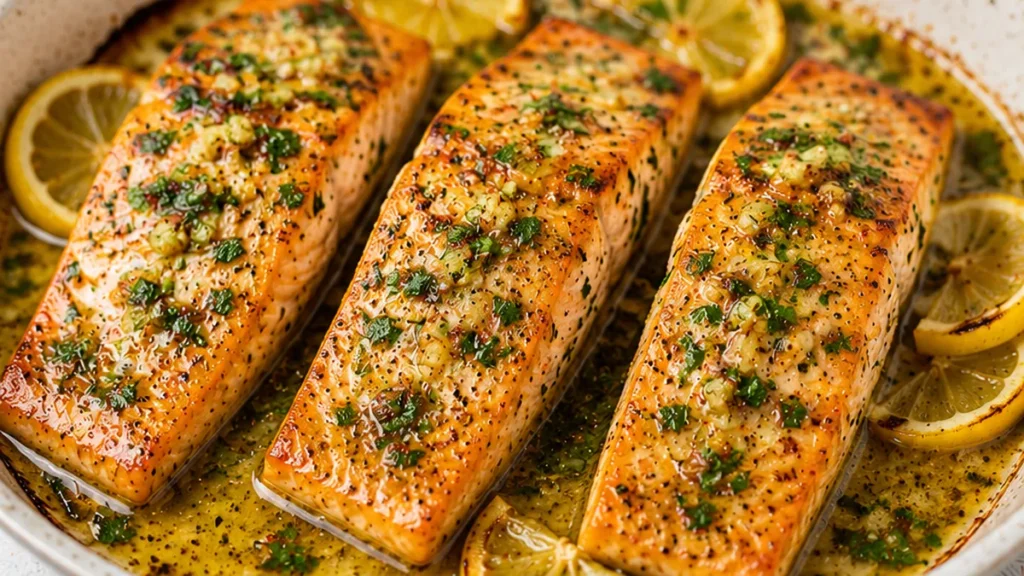
Discover the ultimate Keto Salmon recipe, a dish that proves low-carb eating can be incredibly flavorful and satisfying. This quick preparation method yields perfectly cooked salmon with crispy skin and a succulent, flaky interior, all infused with a delightful garlic butter and lemon sauce. Ideal for busy weeknights or elegant dinners, this keto salmon recipe is designed for ease without compromising on taste. You’ll master a restaurant-quality meal in under 20 minutes, making it a go-to for anyone following a ketogenic lifestyle.
Key takeaways
- Sear salmon in a hot pan with a mix of olive oil and butter for a golden crust.
- Add minced garlic towards the end of searing to prevent burning.
- Deglaze with lemon juice to create a light pan sauce.
- Finish with fresh parsley for brightness and serve immediately.
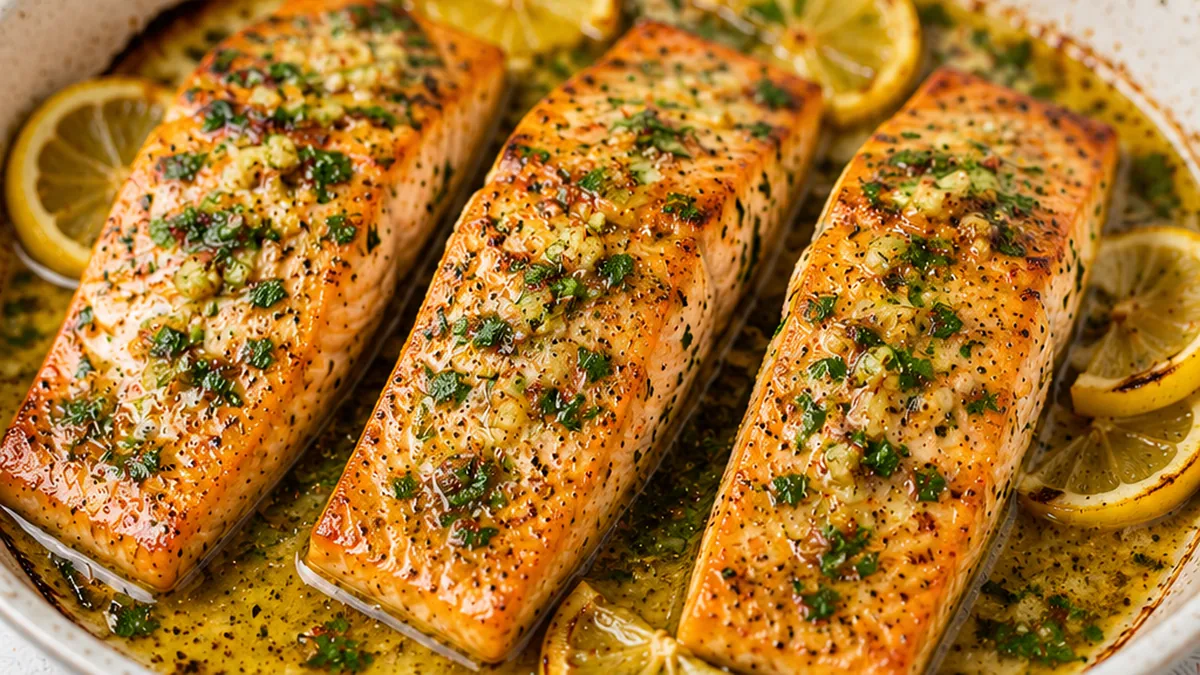
Keto Salmon Perfection: Easy & Delicious Low-Carb Meal
Ingredients
Method
- Pat salmon fillets dry with paper towels. Season both sides with salt and pepper.
- Heat 2 tbsp olive oil in a large skillet over medium-high heat. Place salmon fillets skin-side down. Cook for 4-5 minutes without moving, until the skin is crisp and the salmon is almost cooked through.
- Flip salmon carefully and cook for 1 minute more.
- Reduce heat to medium-low. Add 2 tbsp melted butter and 4 minced garlic cloves and cook for 30–60 seconds.
- Add 2 tbsp lemon juice and cook 30–60 seconds more. Then add the 2 tbsp fresh parsley. Remove from heat and serve immediately with lemon slices for garnish.
Notes
– Don’t overcrowd the pan; cook salmon in batches if necessary.
– Adjust garlic and lemon to your personal taste preference. Nutrition information is an estimate, calculated automatically. Values vary with brands, substitutions and portion sizes. Allergens: Fish, Milk.
The technique that makes it
The key to achieving ‘Keto Salmon Perfection’ lies in a balanced approach to cooking the salmon fillets, ensuring a moist interior while achieving a desirable sear. The combination of melted butter and olive oil in the pan provides a high smoke point for searing and adds richness. Starting with a hot pan is crucial for developing a golden-brown crust, which not only enhances flavor through the Maillard reaction but also creates an appealing texture. The minced garlic is added towards the end of the searing process to prevent burning, releasing its aromatic compounds into the fats. Lemon juice is incorporated to deglaze the pan, lifting any flavorful browned bits (fond) and creating a light sauce that complements the richness of the salmon. Finally, fresh parsley is stirred in just before serving to maintain its bright color and fresh, herbaceous notes, adding a final layer of flavor without overcooking.
Troubleshooting
- Salmon is dry and overcooked: Ensure you are not overcooking the fillets. Use a thermometer to check for an internal temperature of 125-130°F (52-54°C) for medium-rare, or 135-140°F (57-60°C) for medium. Remove from heat slightly before your target temperature as carryover cooking will continue.
- Salmon sticks to the pan: Make sure the pan is adequately preheated before adding the salmon and that there is sufficient fat (olive oil and butter). Do not overcrowd the pan; cook in batches if necessary.
- Garlic burns: Add the minced garlic during the last minute or two of searing, after the initial sear of the salmon is complete, to prevent it from scorching.
- Skin is not crispy: Ensure the salmon fillets are patted very dry before cooking, especially the skin side. Start skin-side down in a hot, oiled pan and resist the urge to move it until it releases easily.
Substitutions
- Olive oil: Avocado oil or clarified butter (ghee) can be used as substitutes for olive oil. They offer similar high smoke points suitable for searing. The flavor profile may slightly change but the cooking performance will be comparable.
- Butter: Ghee or a high-quality dairy-free butter alternative can be used if avoiding dairy. The richness and mouthfeel will be similar.
- Fresh parsley: Fresh dill or chives can be substituted for parsley. Dill offers a slightly anise-like flavor that pairs well with fish, while chives provide a milder oniony note.
- Lemon juice: Lime juice can be used as a substitute for lemon juice. It will impart a similar bright, acidic note, though with a distinct citrus flavor.
Pro tips
- Ensure salmon skin is very dry for maximum crispiness.
- Don’t overcrowd the pan; cook salmon in batches if necessary.
- Adjust garlic and lemon to your personal taste preference.
Enjoy this simple yet impressive Keto Salmon. Feel free to experiment with other herbs like dill or chives for a new flavor twist.
Try this next: Keto Chili: Spicy & Savory Comfort Food
More from Gluten-Free Dinners & Mains →
Frequently asked questions
What sides go well with keto salmon?
Asparagus, broccoli, cauliflower rice, zucchini noodles, or a simple green salad are excellent keto-friendly sides. Roasted Brussels sprouts or sautéed spinach also pair beautifully with salmon, offering a nutritious and low-carb complement to the rich flavor of the fish.
How do I know when keto salmon is cooked?
The salmon is cooked when it flakes easily with a fork and the flesh turns opaque. For a more precise check, use an instant-read thermometer inserted into the thickest part; it should register around 145°F (63°C). Avoid overcooking to maintain moisture and tenderness.
Can I make keto salmon ahead of time?
While best served fresh, you can prep the salmon and marinade ahead. Cooked salmon can be stored in the refrigerator for up to 2 days. Reheat gently in a low oven or microwave to avoid drying it out. It’s ideal for meal prepping lunches.
What if I don’t have salmon for this keto recipe?
You can substitute salmon with other fatty fish like mackerel or trout, which are also keto-friendly. For a non-fish option, chicken breast or thigh, or even firm tofu can be used, though cooking times and marinades might need slight adjustments.